REVIEW · TOKYO
Matcha Making Class in Tokyo with Authentic Japanese Sweets Set
Book on Viator →Operated by Sushi Making Tokyo Cooking Class in Japan · Bookable on Viator
Your whisking arm will learn fast in Asakusa. This one-hour matcha class is interesting because you get hands-on guidance from an English-speaking host while you also learn step-by-step how to make matcha. You’ll finish with a cup plus seasonal Japanese sweets, so it isn’t just theory. One possible drawback: it’s not a full formal tea ceremony experience, so if you want strict ritual and silence-only vibes, this may feel a bit more relaxed.
I also like that it’s set up for real beginners. The teaching stays friendly, the pace is manageable, and you’re not stuck watching from the sidelines. You may meet hosts like Shuri, Hiya, or Rino, and the vibe tends to be warm and interactive. The setting is in Asakusa, near public transit, and it’s the kind of break from Tokyo crowds that helps you slow down for an hour.
In This Review
- Key things I’d notice right away
- Why this matcha class in Asakusa feels different from a show
- Finding the meeting point and what the venue experience is like
- The 1-hour flow: exactly how your matcha making session runs
- 1) Welcome and the basics of matcha
- 2) Learn what makes good matcha powder
- 3) Set up the tools and whisking technique
- 4) Your cup, served with sweets
- 5) Photos and a quick wrap-up
- The pro tips you can actually use at home
- Whisking: the goal is smooth and properly mixed
- Quality spotting: what matters in the powder
- Technique that avoids a sad cup
- Ceremonial technique without the stiffness
- Sweets pairing: why the dessert side matters here
- Small group energy and the role of your instructor
- Logistics that won’t mess up your day
- Price and value: $21.89 for hands-on matcha plus sweets
- Who should book this matcha class (and who might skip it)
- Should you book Matcha Making Tokyo in Asakusa?
- FAQ
- How long is the matcha making class?
- Where does the class meet in Tokyo?
- Is prior tea ceremony experience required?
- What’s included in the experience?
- Are hotel pickup and drop-off included?
- What language are the hosts/instructor?
- Do I get a mobile ticket?
- How big is the group?
- Are service animals allowed?
- Is there free cancellation?
Key things I’d notice right away
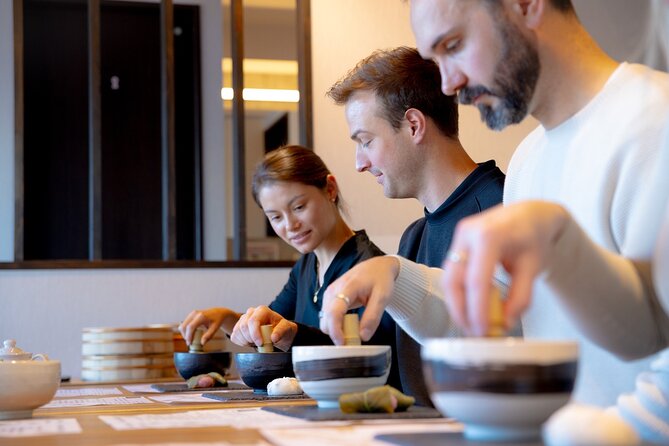
- Real whisking practice instead of watching someone else do it
- English-speaking instructors who explain what matters and why
- Seasonal Japanese sweets pairing so matcha tastes complete, not separate
- Beginner-friendly format with simple ceremonial technique
- A small, intimate class size (up to 30), not a massive group
Why this matcha class in Asakusa feels different from a show
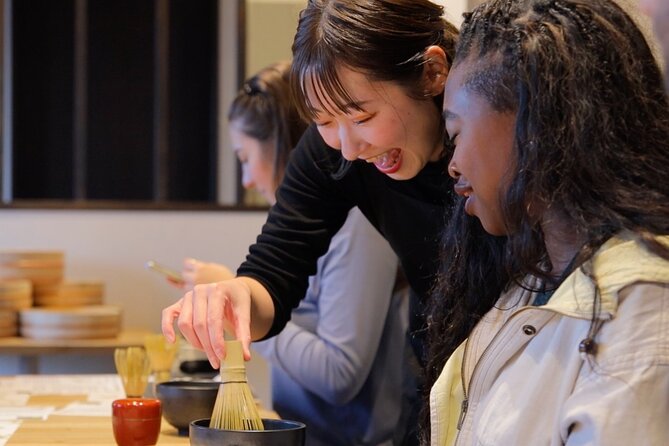
Tokyo has plenty of tea stops. This one is different because you do the work. You learn how to prepare matcha step by step, using the kind of whisking technique people associate with ceremonial tea, but without turning the whole hour into a test.
The biggest win is the blend of technique + culture. You don’t just learn what to do. You learn how to think about the cup you’re making. That matters because matcha quality and whisking method can change the taste fast. When you’re done, you should be able to recreate the basics at home, which is the real souvenir.
The second standout is the pairing with seasonal Japanese sweets. Matcha can taste earthy or slightly bitter on its own. The sweets are chosen to complement it, so your final sip feels balanced instead of like you’re forcing it.
You can also read our reviews of more tours and experiences in Tokyo


Finding the meeting point and what the venue experience is like
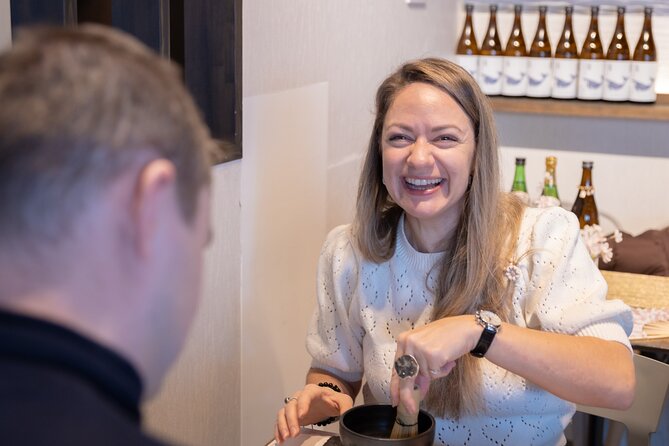
You’ll meet at Matcha Making Tokyo | Cooking Class in Japan at 2-chōme-17-9 Kaminarimon, Taito City, Tokyo 111-0034. The class ends back at the same point, so you’re not stuck navigating the rest of the neighborhood afterward if you don’t want to.
Location-wise, you’re in Asakusa, which is handy because you can fold this into a day that already includes temples and old-street walks. You’ll also be near public transportation, so getting there doesn’t have to be a mini adventure.
Inside, the format is calm and classroom-like. Several people describe an upstairs nook in the café setting, with a relaxed, almost at-home feel. One detail I like: hosts seem used to travelers arriving early. If you show up before your start time, you may be able to wait in a cozy space until the group is ready.
The 1-hour flow: exactly how your matcha making session runs
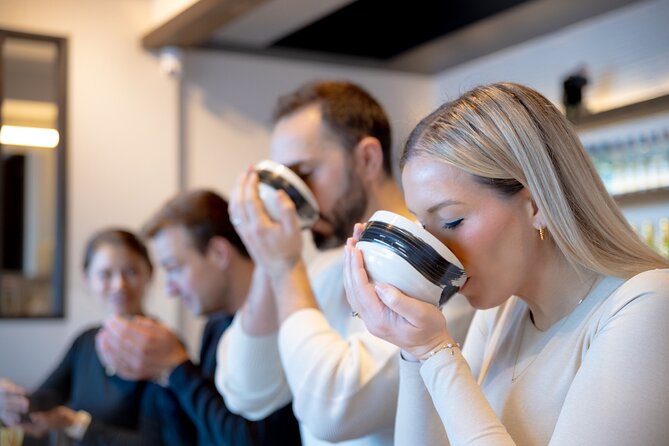
Plan for about one hour on the clock. In that time, you’ll move through a tight sequence: learn, do, and then eat.
Here’s the typical rhythm you should expect.
1) Welcome and the basics of matcha
You’ll start with an English-speaking instructor who walks you through what matcha is and how it’s used in Japanese culture. Some classes use an iPad with pictures to explain how matcha is grown and how the tea is processed. That helps if you don’t want a lecture-heavy experience.
2) Learn what makes good matcha powder
You’ll practice “seeing” the difference in quality. People specifically mention learning how to spot high-quality powder. This is one of those small skills that pays off later: once you know what to look for, buying matcha at home becomes easier and less of a guessing game.
You can also read our reviews of more tours and experiences in Tokyo



3) Set up the tools and whisking technique
Then you get hands-on. You use traditional tools to whisk your matcha. The instructor focuses on the mechanics of getting the surface right and mixing smoothly.
This is where the class feels worth the money. Whisking isn’t complicated, but it has a learning curve. If you’ve only ever made powdered green tea in a mug, you’ll notice the difference fast.
4) Your cup, served with sweets
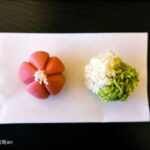
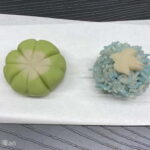
After you make it, you enjoy your matcha alongside a set of seasonal Japanese sweets. This isn’t just dessert on the side. It’s part of how you experience matcha correctly, because the sweets shape how you perceive the tea’s flavor.
5) Photos and a quick wrap-up
You’ll have time to take photos during the session. One nice touch: instructors also help with group and family photos.
The pro tips you can actually use at home
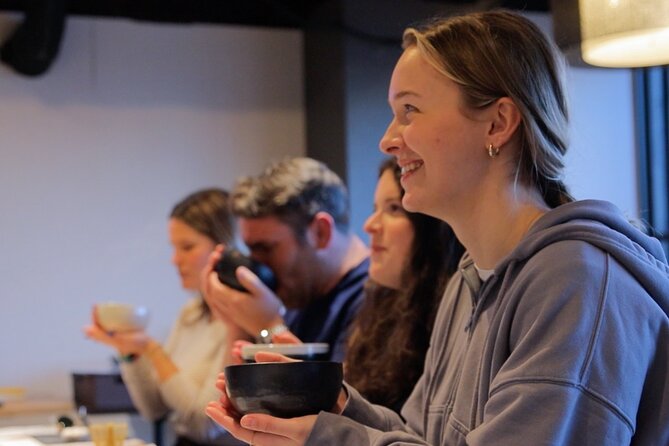
The lesson isn’t trying to turn you into a tea monk. It’s teaching you repeatable technique.
Whisking: the goal is smooth and properly mixed
Your instructor guides you step by step through whisking. The key idea is that matcha should mix well and create a nice texture rather than floating clumps. You’ll practice the motion and speed in a way that fits beginners, not experts.
Quality spotting: what matters in the powder
One reason this class works for first-timers is that you learn what “good” looks like before you even taste. People mention being taught how to recognize high-quality powder. You can use that skill later when you’re buying matcha at a shop.
Technique that avoids a sad cup
Matcha can taste bitter if it’s prepared poorly. The class directly addresses this through technique and how to combine matcha correctly. One traveler even noted their matcha was not bitter and tasted very nice, which lines up with what you’re aiming for in the workshop.
Ceremonial technique without the stiffness
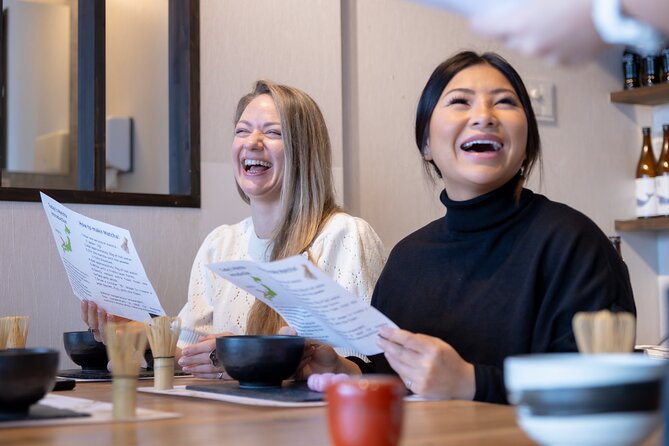
If you want a formal tea ceremony, you can find those in Japan. But this class is set up for people who want the important parts without the strict ceremony structure.
A big theme in the way the class is described: it’s relaxed and beginner-friendly, with hosts who keep the atmosphere fun and interactive. That’s a real advantage if you’re traveling with kids. Families mention bringing children and finding the class engaging and approachable, with hosts working to keep everyone involved.
You’ll also learn the cultural significance behind matcha and the ceremony-style whisking. That gives meaning to the movement, instead of leaving you wondering why this is different from mixing powder in hot water.
Sweets pairing: why the dessert side matters here
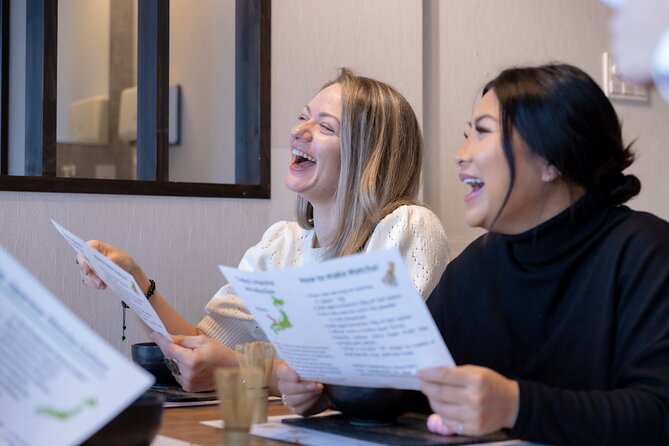
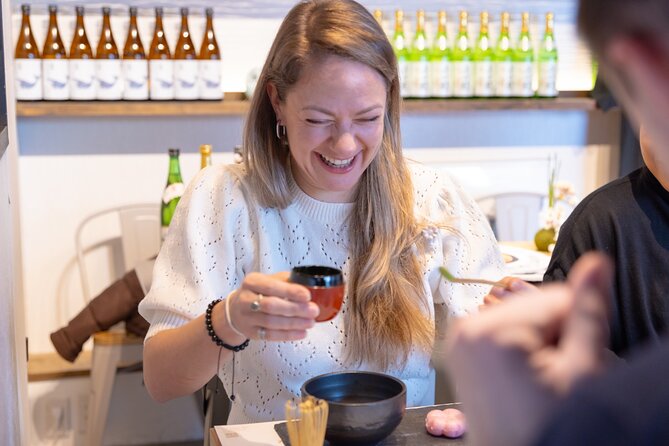
The matcha isn’t served alone. You get a set of seasonal Japanese sweets that complement the tea.
Why that’s valuable: matcha’s flavor isn’t just about sweetness. It’s about balance—earthy, slightly grassy, and sometimes bitter. The sweets add a counterpoint, so your final taste feels intentional rather than random.
Seasonal matters too. It keeps the experience feeling tied to the moment in Japan rather than a generic “tea and cookie” setup.
Small group energy and the role of your instructor
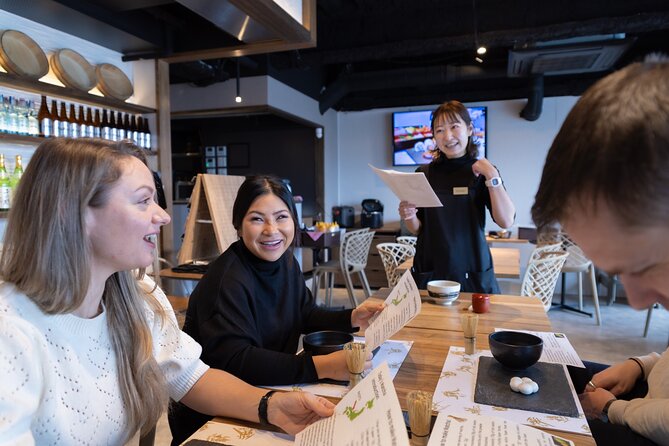
The class caps at 30 travelers, which already keeps it from becoming a factory. And in practice, the experience is described as intimate, with people in small groups. That size difference matters because whisking takes hands-on correction. If you’re doing it wrong, you want the instructor to notice quickly.
You’ll also get one-to-one guidance as you go. That is the difference between “I made matcha” and “I learned how to make matcha.” Friendly English-speaking hosts guide you every step of the way, and several instructors are named in descriptions from past participants, including Shuri, Hiya, and Rino.
Also, the teaching style seems to include conversation. Some people describe chatting with the host about Japanese culture beyond the tea itself. That kind of human exchange is hard to replicate when you’re just buying a drink and moving on.
Logistics that won’t mess up your day
This is a mobile ticket experience, and the event does not include hotel pickup or drop-off. So you’ll be walking in on your own schedule, then returning to the same meeting spot when it’s done.
Timing-wise, plan for about an hour. Also, build a little buffer around your arrival. A couple people noted arriving earlier than expected and being allowed to wait comfortably. If you get turned around in Asakusa, that buffer will save you stress.
One practical consideration: some mentions say there can be other classes happening in the same general place. If you prefer a quieter room, try to arrive promptly and don’t assume the noise level will match a totally private studio.
Price and value: $21.89 for hands-on matcha plus sweets
At $21.89 per person for about one hour, you’re paying for three things:
1) instruction in ceremonial-style whisking
2) an English-speaking instructor
3) the matcha experience with Japanese sweets
What makes the value feel solid is that you’re not just tasting. You’re learning technique and taking that knowledge home. If you’re the type of traveler who wants one or two memorable food experiences that teach you something practical, this fits.
If you’re mostly curious and plan to drink matcha later without caring about technique, you might decide the cost is more than you need. But if you like food education and hands-on activities, the price looks easier to justify.
Who should book this matcha class (and who might skip it)
This is a great fit if:
- you’re a beginner and want step-by-step guidance
- you want an experience in Asakusa that doesn’t require advanced skills
- you like culture that connects to real food
- you’re traveling with family and want something approachable for kids
- you want an English-friendly class with a friendly host
You might skip or look for something more formal if:
- you want a full, strict tea ceremony with a set script and longer ritual timing
- you only want to drink matcha casually and don’t care about learning technique
Should you book Matcha Making Tokyo in Asakusa?
I’d book it if you want a short, satisfying food lesson that turns into a skill you can repeat later. The best part is the combination of hands-on whisking, clear instruction in English, and finishing with seasonal sweets that make the cup taste complete.
If you like calm cultural activities and you’re curious about matcha beyond the souvenir level, this one is a strong pick for your Tokyo itinerary. It’s not long, so you can also treat it like a pressure-free way to sample Japanese tea culture without rearranging your whole day.
FAQ
How long is the matcha making class?
The class runs for about 1 hour.
Where does the class meet in Tokyo?
It meets at Matcha Making Tokyo | Cooking Class in Japan, 2-chōme-17-9 Kaminarimon, Taito City, Tokyo 111-0034, Japan.
Is prior tea ceremony experience required?
No prior tea ceremony experience is required.
What’s included in the experience?
You get an English speaking instructor and matcha with Japanese sweets.
Are hotel pickup and drop-off included?
No. Hotel pickup and drop-off are not included.
What language are the hosts/instructor?
The class includes an English speaking instructor.
Do I get a mobile ticket?
Yes, the tour includes a mobile ticket.
How big is the group?
The activity has a maximum of 30 travelers.
Are service animals allowed?
Yes, service animals are allowed.
Is there free cancellation?
You can cancel for a full refund up to 24 hours in advance of the experience’s start time. If you cancel less than 24 hours before, the amount paid will not be refunded.