REVIEW · TOKYO
Ramen & Gyoza Cooking Class in Tokyo with Local Supermarket Visit
Book on Viator →Operated by YUCa's Japanese Cooking · Bookable on Viator
Ramen is comfort food. Then add gyoza and a real Tokyo home kitchen, and it turns into a morning you’ll remember. This class pairs a short talk on Japanese home cooking with hands-on noodle soup and dumpling making, plus optional time walking a neighborhood supermarket.
Two things I like a lot are the warm, energetic teaching style and the fact that you eat what you make, right there, fresh. One consideration: the supermarket tour is optional, so if it matters to you, confirm how it will work for your specific date.
In This Review
- Key things to know before you go
- A Home-Kitchen Ramen Lesson That Feels Like Tokyo, Not a Set
- Getting There: Start Time, Meeting Point, and the 2.5-Hour Flow
- 10:15 Lecture on Japanese Home Cooking and Lifestyle
- 10:30–12:30 Hands-On Cooking: Ramen, Gyoza, and Real Participation
- What you’ll be making
- Dietary needs and vegetarian planning
- Tasting Your Ramen and Gyoza: Eating Like a Home Cook
- The Optional 12:30–13:00 Local Supermarket Tour (And Why It’s Worth Your Time)
- Price and Value: What $122.70 Really Buys You
- Who Should Book This Class (And Who Might Want Another Option)
- Quick FAQ
- FAQ
- Is the supermarket tour included?
- How long is the cooking class?
- What time does the class start?
- Where does the class meet?
- Does the class end back at the meeting point?
- Is there a vegetarian option?
- Do I need to share dietary requirements ahead of time?
- How many people are in the class?
- What if I need to cancel?
- Should You Book This Ramen and Gyoza Class in Tokyo?
Key things to know before you go
- Small group size (max 7): more attention during cooking and tasting
- Hands-on ramen and gyoza: you’ll actually shape dumplings and build your bowl
- Short lecture (10:15): Japanese home cooking and lifestyle, not just recipes
- Optional local supermarket stop: useful for understanding ingredients beyond the obvious
- Vegetarian option available: tell the host when booking so you get the right plan
A Home-Kitchen Ramen Lesson That Feels Like Tokyo, Not a Set
This isn’t a big, factory-style cooking show. It’s built around one host, YUCa’s Japanese Cooking, and a small group that fits into a home kitchen setup. That matters, because the pace feels personal: you’re learning techniques while staying part of the process.
The menu is ramen and minced pork gyoza, but the class also emphasizes how ingredients change the result. You’ll be working with different vegetables and meat choices, which is a helpful way to think about Japanese cooking as flexible rather than fixed. When you leave with a mental model like that, recreating the dishes at home gets easier.
The vibe is another big draw. The teaching style is friendly and lively, with clear guidance and lots of cultural context tied to the food. You’re not just chasing a final dish; you’re learning how home cooks think.
You can also read our reviews of more cooking classes in Tokyo


Getting There: Start Time, Meeting Point, and the 2.5-Hour Flow
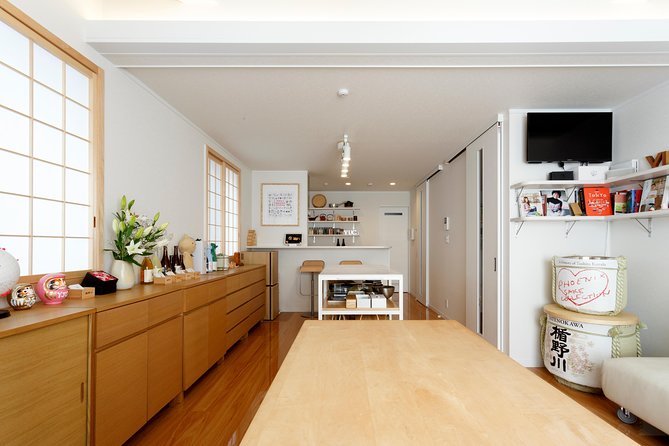
The class starts at 10:00 am at YUCa’s Japanese Cooking (2-chōme-34-8 Nishiogu, Arakawa City, Tokyo 116-0011). It ends back at the meeting point. A mobile ticket is used, and the location is described as near public transportation.
The total time is about 2 hours 30 minutes. The schedule is organized in three chunks: a brief lecture, a cooking and tasting block, and then an optional supermarket tour. If you like your food experiences to be efficient and not stretched into a full day, this timing works well.
Also pay attention to group size. The maximum is 7 travelers, which is small enough to feel communal. In practice, it means you’re more likely to get hands-on moments rather than standing in a line watching someone else cook.
10:15 Lecture on Japanese Home Cooking and Lifestyle
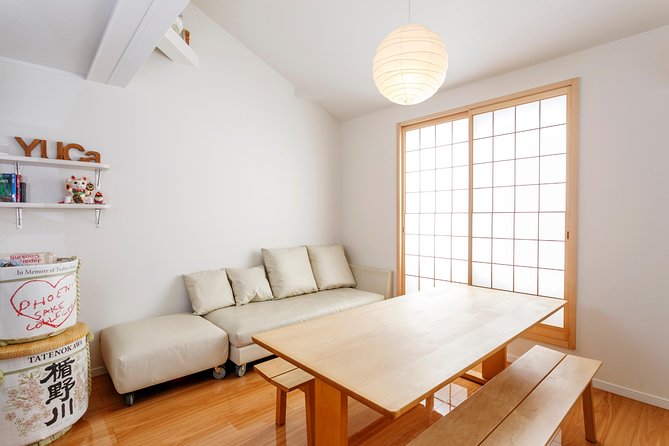
Right after you meet, you’ll get a short talk from 10:15 to 10:30 about Japanese home cooking and lifestyle. It’s not long, but it sets up why the later steps matter.
This kind of mini-lecture is useful because ramen and gyoza can feel intimidating if you treat them like restaurant-only foods. Home cooking framing helps you understand what skills matter most: texture control, seasoning judgment, and the logic behind the order of steps. Even if you’re a confident cook, it’s a fast way to learn the Japanese kitchen mindset.
For non-cooks, this part is especially valuable. It gives you a mental checklist for what you’re doing next, so the class doesn’t feel like random assembly.
10:30–12:30 Hands-On Cooking: Ramen, Gyoza, and Real Participation
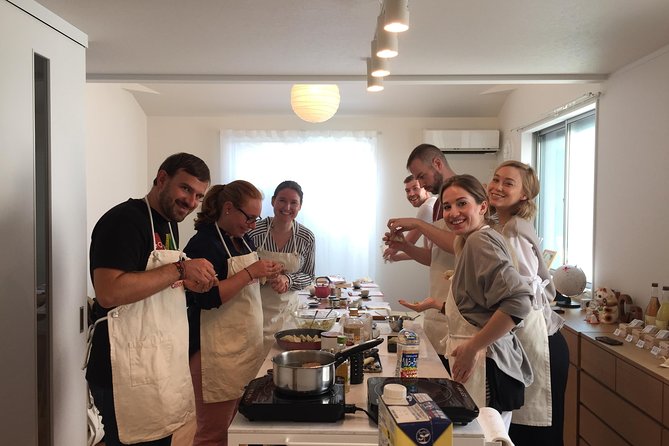
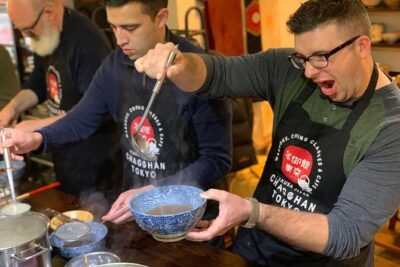
The main event runs 10:30 to 12:30, and this is where you do the work. You’ll make ramen and gyoza in a shared home-kitchen format, which means the experience includes both guided instruction and hands-on tasks.
What you’ll be making
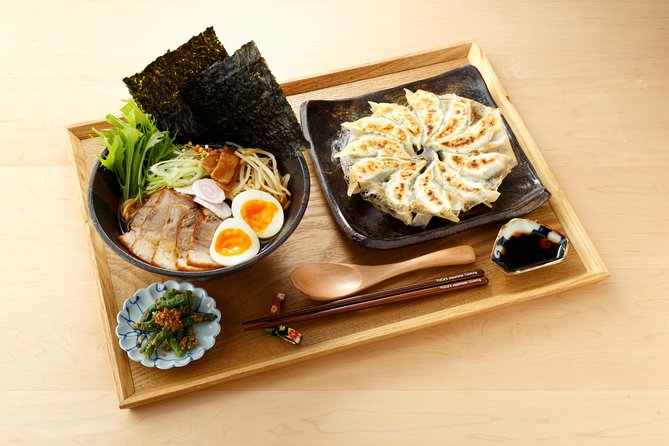
- Ramen: You’ll learn to prepare noodle soup, including how vegetables and meat choices affect the bowl.
- Gyoza: You’ll make minced pork dumplings, focusing on technique and shaping.
A few practical expectations based on how this kind of home-class runs: you’ll participate, but you may also spend some time waiting while something cooks or while the host explains the next step. That’s normal for ramen, where timing matters. The value here is that even when you’re not constantly moving, you’re still learning what’s happening and why.
Some guests have noted that portions of the process can feel less hands-on than they expected, especially if certain components are prepared to keep the class running smoothly. Still, the structure is designed so you’re involved enough to leave with usable confidence, not just a full stomach.
You can also read our reviews of more tours and experiences in Tokyo



Dietary needs and vegetarian planning
If you have dietary requirements, you’ll need to advise them at booking. A vegetarian option is available, and you should request it when you book. Don’t treat this as a casual note in the morning—put it in at checkout so the host can plan ingredients properly.
If you eat pork normally, you’re likely to do the standard gyoza format with minced pork. If you don’t, the vegetarian version will change what’s inside the dumplings, but the core technique should still be teachable.
Tasting Your Ramen and Gyoza: Eating Like a Home Cook
Once cooking finishes, you’ll enjoy tasting of what you made during the same 10:30–12:30 block. This matters more than it sounds. Restaurant meals are curated for you; home-cooking classes let you see what “done” looks like.
You’re building ramen bowls and tasting them while the flavors are still at their freshest. It’s the point where the earlier lecture becomes real. When you taste and compare, your brain locks in the lesson: what to adjust next time, and what you should not rush.
Also, you get a feel for portion style. One note you may want to consider is that portions can be on the lighter side for some people, since the goal is a balanced class meal rather than a huge food binge. Plan to treat this as a food-learning experience first, and if you’re a very big eater, consider adding a small post-class snack nearby.
The Optional 12:30–13:00 Local Supermarket Tour (And Why It’s Worth Your Time)
From 12:30 to 13:00, there’s an optional local supermarket tour. This is one of the most practical parts of the whole experience if you want to cook at home afterward.
Why? Because ramen and gyoza are ingredient-driven. Once you’ve seen where items live in a real Japanese supermarket—what packages look like, what vegetables are used, and how meat and produce are sectioned—you’re no longer guessing.
In addition, this part is also a confidence builder. When the host points out ingredients and explains what they’re for, you start asking better questions the next time you’re standing in a grocery aisle. It’s the difference between buying a random sauce and buying something you can actually identify and use correctly.
One real consideration: since the tour is optional, it might not happen for every booking. If you care deeply about the supermarket stop, don’t assume it will automatically be included—confirm for your specific date when you book.
Price and Value: What $122.70 Really Buys You
At $122.70 per person, you’re paying for far more than a plate of ramen. The value is in three areas:
First, you’re getting a guided learning experience in a real home kitchen format. That kind of access is expensive anywhere, because it’s limited by space and time.
Second, you’re learning two dishes in one session: ramen plus gyoza. Many classes only focus on one. Here, you’re getting both noodle soup technique and dumpling shaping logic in one morning.
Third, you get optional added value through the supermarket tour (and the chance to ask questions about ingredients). Even without that stop, the combination of lecture, hands-on cooking, and eating makes the session feel like a compact culinary workshop rather than a simple demonstration.
You’re also benefiting from the small size cap (maximum 7 travelers). In a small group, the host can keep an eye on you and explain what you’re doing, which improves what you take home.
Who Should Book This Class (And Who Might Want Another Option)
This is a good fit if you want a hands-on food experience in Tokyo that feels local and personal. It’s also a solid choice for mixed skill levels, including families and people who don’t cook often, because the steps are broken down clearly and you’re in a small group setting.
It’s especially worth it if you like the idea of learning Japanese food as everyday life, not just as restaurant culture. The lecture portion and the supermarket option (if included) support that goal.
The one group that might rethink it is anyone who expects a constantly hands-on, workshop-style pace where every minute is active cooking. Since ramen requires timing, and cooking happens in a limited kitchen space, the experience can include moments of instruction and waiting while things cook.
Finally, double-check any food restrictions before booking. A vegetarian option exists, but you need to request it in advance.
Quick FAQ
FAQ
Is the supermarket tour included?
It’s listed as optional and takes place after the cooking and tasting block, from about 12:30 to 13:00.
How long is the cooking class?
The duration is about 2 hours 30 minutes.
What time does the class start?
Start time is 10:00 am.
Where does the class meet?
The meeting point is YUCa’s Japanese Cooking, 2-chōme-34-8 Nishiogu, Arakawa City, Tokyo 116-0011.
Does the class end back at the meeting point?
Yes, it ends back at the meeting point.
Is there a vegetarian option?
Yes. Vegetarian option is available, and you should request it when booking.
Do I need to share dietary requirements ahead of time?
Yes. You should advise any specific dietary requirements at booking.
How many people are in the class?
The group size is capped at a maximum of 7 travelers.
What if I need to cancel?
You can cancel for a full refund up to 24 hours before the experience’s start time.
Should You Book This Ramen and Gyoza Class in Tokyo?
If you want a Tokyo experience that’s practical—something you can recreate at home—this class is an easy yes. You get ramen plus gyoza, a short cultural talk, and a cooking-and-eating format in a small group. It’s also a smart pick if you love market-to-kitchen learning, since the supermarket stop is designed for exactly that.
Book it if your top priority is learning techniques you can use again, not just taking photos with a spoon. The only time I’d hesitate is if the optional supermarket tour is your main reason for choosing this, since it won’t automatically apply to every booking. If you plan around that, you’ll have a morning that tastes like real Tokyo life.