REVIEW · TOKYO
Tokyo Mt Fuji 5th St & Hakone Cruise Bus Tour w/Bullet Train
Book on GetYourGuide →Operated by Japan Panoramic Tours · Bookable on GetYourGuide
Fuji plus Hakone plus Shinkansen in one day. This is a full-on Mt. Fuji 5th station + Hakone Lake Ashi loop with a guide smoothing out the tough parts. On days led by guides like Lisa and Angela, the whole schedule feels organized and easy to follow, even when the weather plays games.
I especially like two things. First, you get a comfortable air-conditioned coach with Wi‑Fi, plus English support through a professional local guide. Second, you actually step up high on the mountain at the 5th station (about 2,000 meters) instead of just doing a quick photo stop.
One potential drawback: it is a long day and conditions can force changes. If Fuji access is limited or the ropeway won’t run, the tour swaps in alternatives, and those swap-outs can reduce time at your first-choice sights.
In This Review
- Key moments to watch for
- Why this Mt Fuji + Hakone day trip feels easier than DIY
- The ride to Mt. Fuji 5th Station: coach comfort and a high-altitude reset
- Fuji weather rules: what happens if you cannot go past the 4th station
- Lunch with a mountain view: good food, but timing can shape your day
- Hakone ropeway and Lake Ashi: the view-heavy part that makes the day worth it
- The Odawara to Tokyo Shinkansen finale: fast, fun, and a good landing
- Price and value: why $154 can be a bargain on a long day
- What to pack (and what to plan for) for a 10-hour mountain day
- Who this tour is best for
- Should you book it? A practical call
- FAQ
- How long is the tour?
- What time do I return to Tokyo?
- Where do I meet the tour?
- Is hotel pickup included?
- Is lunch included, and what dietary options are available?
- What if I can’t reach the Mt. Fuji 5th station?
- What tickets are included for Hakone?
- What train do I take back to Tokyo?
- What should I bring, and are drones allowed?
Key moments to watch for
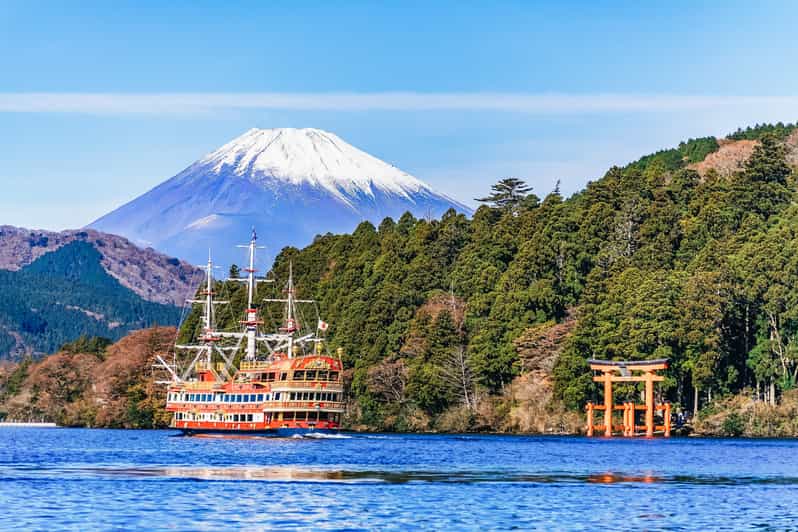
- Real Mt. Fuji altitude at the 5th station (around 2,000 meters)
- Professional English guide plus audio headsets in multiple languages
- Hakone Ropeway to get those wide views over the caldera area
- Lake Ashi cruise for a slower, more scenic pace after the ropeway
- Shinkansen finish from Odawara back to Tokyo around 6 PM
Why this Mt Fuji + Hakone day trip feels easier than DIY
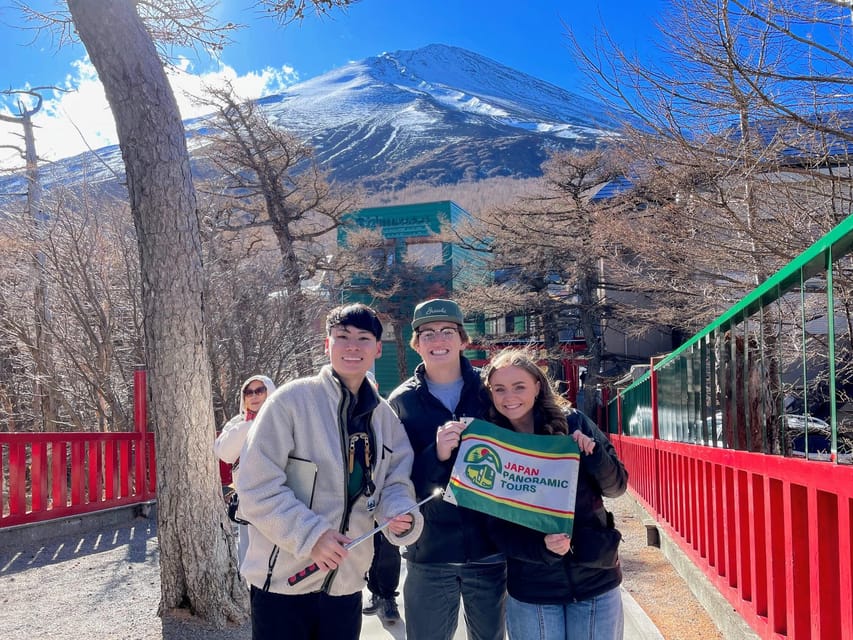
This tour is built for one thing: getting you out of Tokyo and into the Mt. Fuji and Hakone highlights without you wrestling transit schedules. You board a deluxe coach early, the guide keeps the day moving, and you do the key ticketed attractions as you go—Hakone ropeway and the Lake Ashi cruise—so you do not lose time lining things up.
The other big win is how the tour handles language. You have a professional English-speaking guide, plus optional audio headsets in several languages (including Spanish, French, Italian, German, Portuguese, and Ukrainian). That matters most at the points where you really want context, like the sacred atmosphere around the mountain shrine stops and the explanations during the Hakone sector.
Is it a casual stroll pace? Not really. It is a full schedule. Expect some time pressures at each stop, especially if you want photos in multiple spots.
You can also read our reviews of more boat tours in Tokyo


The ride to Mt. Fuji 5th Station: coach comfort and a high-altitude reset
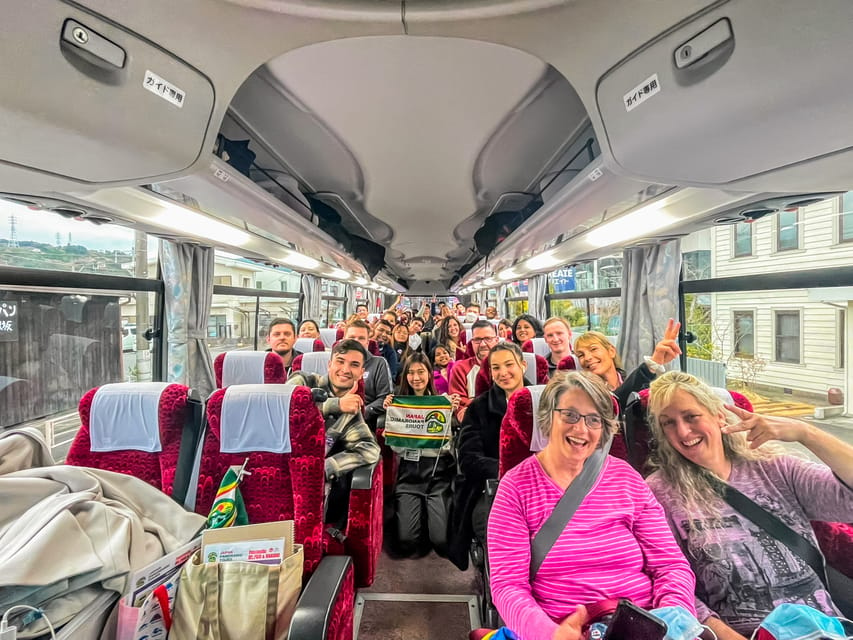
You start from central Tokyo meeting points that can include the Matsuya Ginza area and the LOVE statue area in Shinjuku, and sometimes other nearby options depending on the booking. Once everyone is together, you head out by air-conditioned deluxe coach, with Wi‑Fi on board to keep the wait from feeling painful.
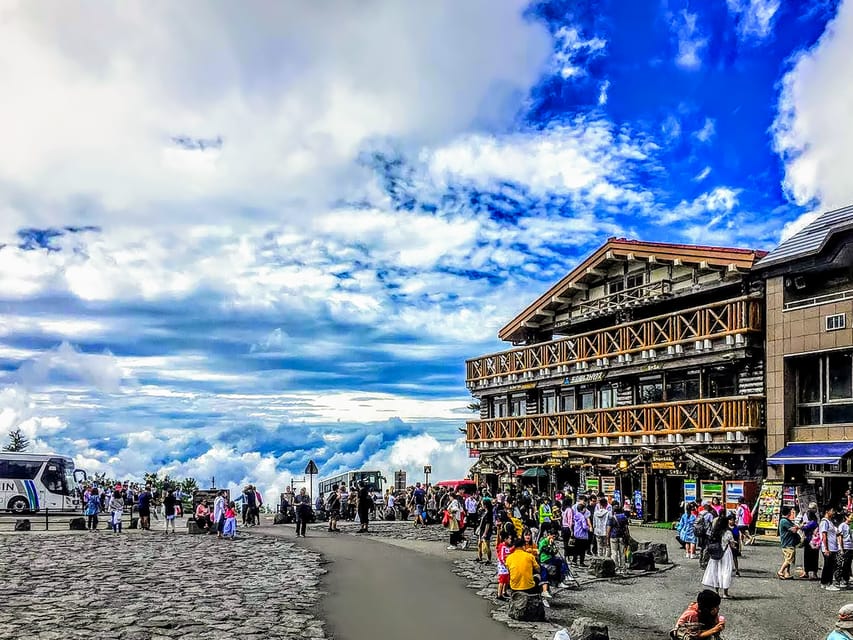
The goal is the Mt. Fuji 5th station, which sits around 2,000 meters above sea level. When you step out, it feels like a different world: colder air, thinner atmosphere, and a quiet, sacred mood linked to the Shinto shrine area. This is where the tour gets beyond the usual “stand and stare” sightseeing.
You also get practical help from the guide during the ride—what to look for, when to move as a group, and how to stay warm once you are up high. In winter, this matters a lot. One group described it as freezing at the 5th station, which makes sense because the temperature climbs down with you but does not fully rise once you are already at altitude.
Tip: wear layers and plan on wearing your warm clothes even if Tokyo felt mild earlier in the morning.
Fuji weather rules: what happens if you cannot go past the 4th station
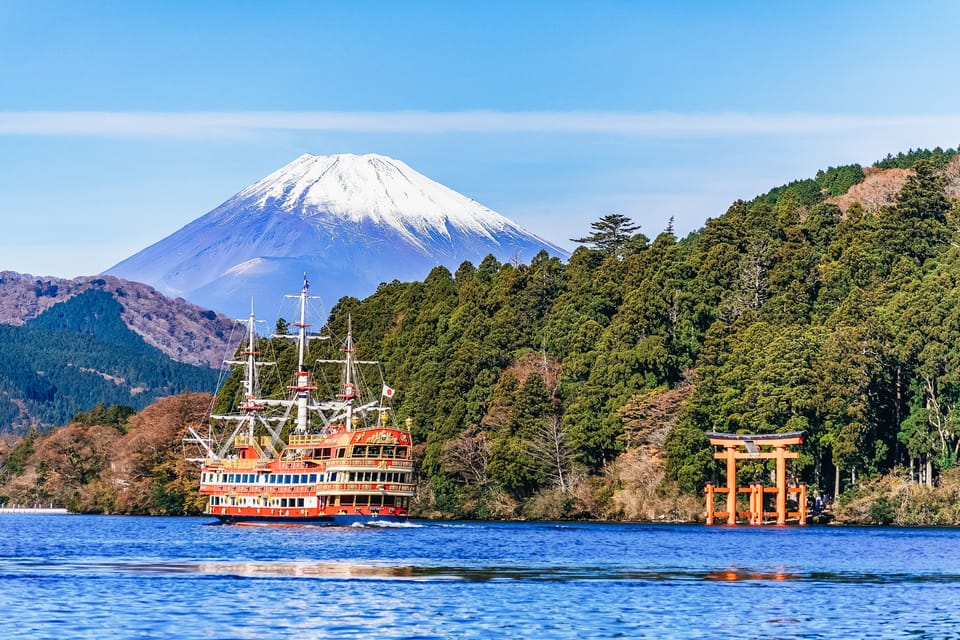
Mt. Fuji days are famously weather-dependent. The tour is upfront about this: if conditions prevent travel beyond the 4th station, you still get a meaningful alternative instead of leaving you stranded.
When the 5th station climb is not possible due to traffic regulation or conditions, the tour may replace it with other scenic spots such as Oshino Hakkai or other designated alternatives. The key point for you is expectation management: you will still tour the area, but your exact itinerary order can change based on traffic, weather, or operational reasons.
There are also days with specific constraints mentioned, like June traffic rules that affect hill climbs on the 7th. If you travel during busy seasons or times when access is tightly controlled, build flexibility into your plans.
One more important note: if Fuji access changes, the tour compensates with an alternative place or a gift, but those swap-outs do not come with refunds. So your best strategy is to book with the mindset of a full day in the Fuji–Hakone region, not a guarantee of the perfect view at every step.
Lunch with a mountain view: good food, but timing can shape your day
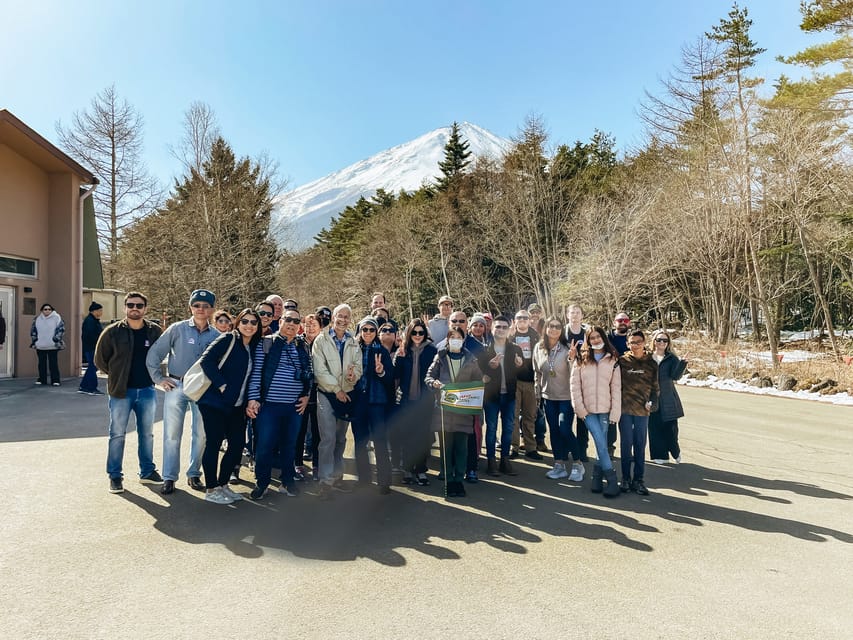
After you experience Mt. Fuji, you head to a buffet lunch spot with a mountain view. The idea here is simple: eat something warm and filling after time at altitude, then keep going without losing momentum.
The tour’s lunch options are described clearly: vegetarian and Muslim-friendly options can be requested. At the same time, halal and vegan meals are not available, and the vegetarian option is specified as no meat, no alcohol, and no seafood. If you need something outside that range, you should double-check before you go.
One practical consideration: lunch timing can affect your energy later. Some people found the lunch served early (around 11 AM) to be a bit tight, because the day finishes back in Tokyo around 6 PM. If you have a sensitive schedule or you get hungry later, consider bringing a small snack for the afternoon. The tour does not mention included snacks, so this is a personal workaround.
Tip: if you care about dietary needs, choose the lunch option you want during booking rather than trying to change it on the day.
Hakone ropeway and Lake Ashi: the view-heavy part that makes the day worth it
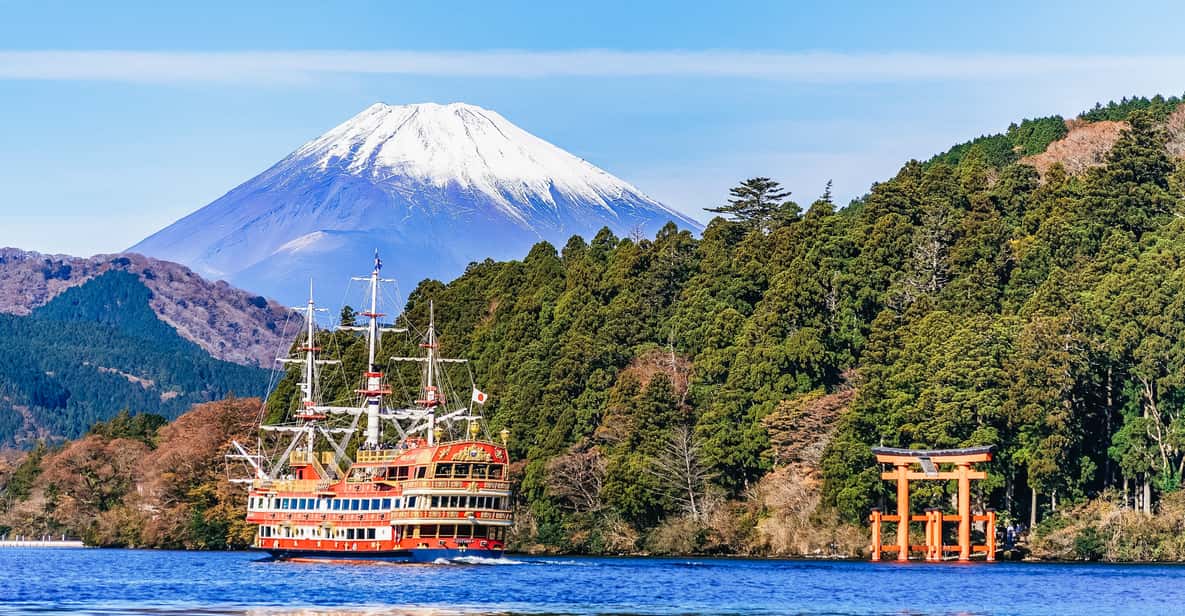
Once you reach Hakone, the tour targets the viewpoints most people come for: ropeway rides above the caldera area and a cruise on Lake Ashi.
You start with the Hakone Ropeway. Depending on the day’s schedule, you may go from Hakone mountain or from Komagatake mountain. Either way, the ride is the visual payoff: wide panoramas over Hakone’s volcanic setting, and on clear days, sometimes Mt. Fuji shows up again in the distance.
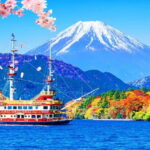
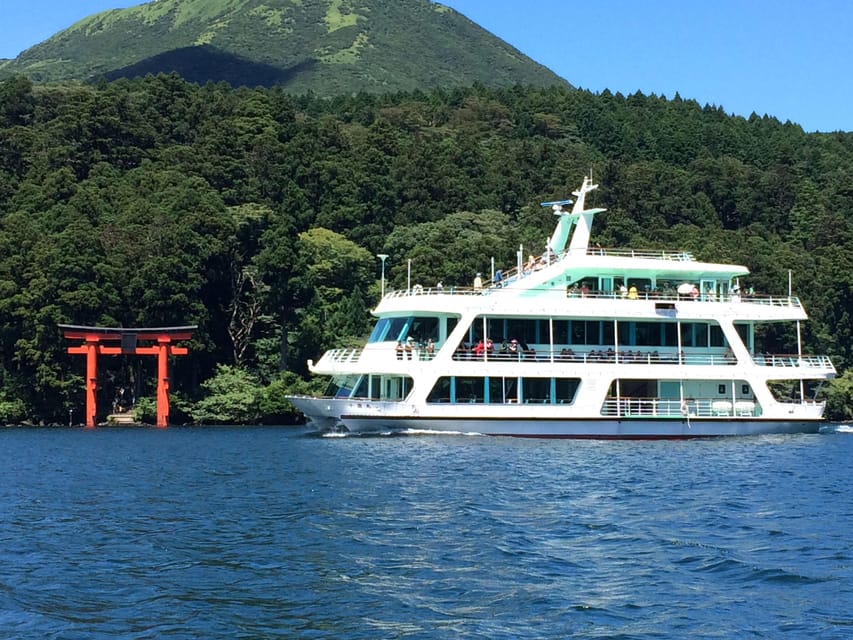
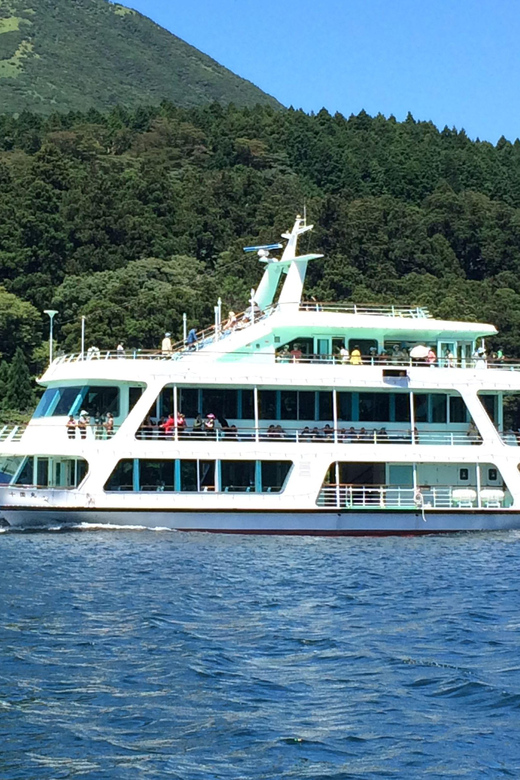
Next is Lake Ashi, described as a caldera lake. You board the Lake Ashi cruise for a scenic ride that slows the tempo after the bus-and-climb pace. Even when Mt. Fuji is not visible, the cruise is still a nice break, with a calmer feeling and time to look around instead of constantly moving.
Two real-world notes that help you plan:
- Ropeway operations can be impacted by wind and other weather conditions.
- The cruise can feel short because you are fitting it into a tight 10-hour day.
Tip: have your camera ready during boarding and docking. That is when views can shift quickly as the boat turns.




The Odawara to Tokyo Shinkansen finale: fast, fun, and a good landing
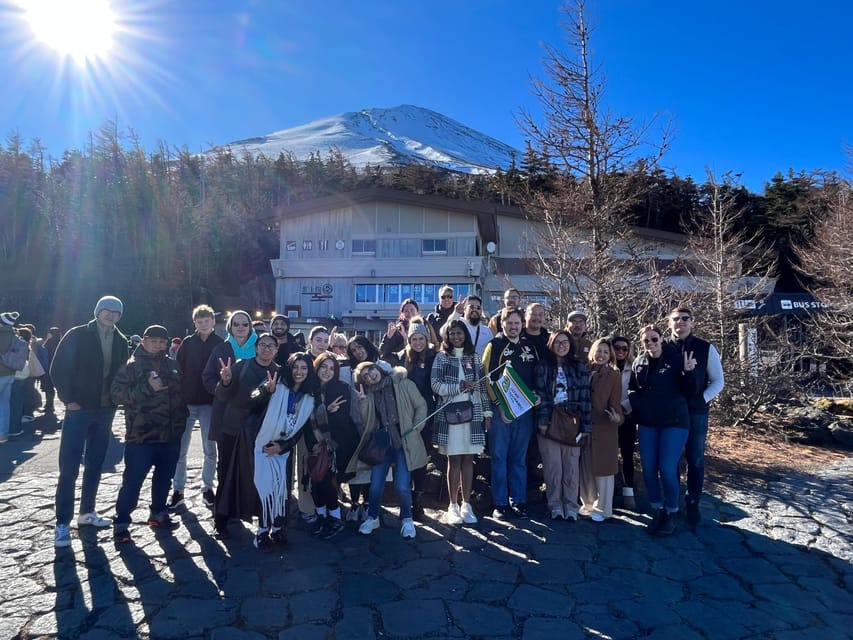
After Hakone, the tour returns you to Odawara Station, where you take the Shinkansen (bullet train) back to Tokyo. The highlights describe the ride as about 30 minutes, and the schedule details list around 40 minutes, so think of it as roughly that range depending on the train.
This part is more than just transport. It is a satisfying finish to the day: you leave Hakone’s slower pace, hop on the smooth speed of Japan’s rail system, and arrive back in Tokyo around 6 PM.
If you care about having your day end without stress, this is a smart design. Instead of having to figure out train transfers after a long mountain day, you get a ticketed ride back as part of the experience.
Tip: treat the train ride as your cool-down. Put your warm layers back on if you are still feeling chilly from Hakone’s height and water-side air.
Price and value: why $154 can be a bargain on a long day
At $154 per person, this tour is not cheap if you compare it to a basic bus day trip. But it makes sense when you total what’s included.
You get:
- Roundday transportation by deluxe coach with Wi‑Fi
- A professional English-speaking guide
- Hakone ropeway and Lake Ashi cruise tickets
- A buffet lunch option (if you select it)
- Audio headsets (multiple languages listed)
- The one-way bullet train ticket from Odawara to Tokyo
Individually, the combo of Hakone transport + attraction tickets + the Shinkansen ride adds up quickly, and the guide turns it into a less complicated day. You are also paying for the “stress reducer” role: the day runs on timing, and the tour keeps you moving to the right places even when conditions shift.
Where value can slip a bit is the pace. If you want lots of free time to shop or linger at viewpoints, a 10-hour schedule with fixed activities can feel tight. For many people, that is still worth it because you cover the big icons of Fuji and Hakone in one shot.
What to pack (and what to plan for) for a 10-hour mountain day
You should come ready for temperature swings and walking. The tour recommends:
- Comfortable shoes
- Warm clothing
That is not just a suggestion. At the 5th station, conditions can be very cold, especially in winter. Also, Hakone’s ropeway and lakeside cruise can bring wind and chill.
Other practical rules:
- Drones are not allowed.
- The itinerary order can change due to traffic, weather, or operations.
- The tour may not achieve every activity if operations suspend.
Also check fit for health and comfort. It is listed as not suitable for:
- Pregnant women
- People with respiratory issues
- People with pre-existing medical conditions
If any of those apply, you will want to choose a calmer plan. On a mountain-and-water day with transport moves, it is not the place to test limits.
Who this tour is best for
This is a strong match if you want:
- A guided day trip from Tokyo that covers Mt. Fuji + Hakone
- The ropeway and Lake Ashi cruise without handling tickets and transfers
- The Shinkansen ride as part of the experience rather than a separate plan
It is also a good fit if you know you want the 5th station, but you do not want to gamble on DIY routing and last-minute ticket lines. The guided structure reduces that “what bus do I take now” stress.
Where you might reconsider: if you hate long days, dislike schedule pressure, or need lots of downtime between stops. A few people also felt time at some segments was a bit rushed, so if you like deep wandering, choose a slower alternative.
One more note: small group size can happen. One account described a group of about 12 people, which can make photos and movement easier. The tour style still depends on day and operations, but it is a nice sign.
Should you book it? A practical call
I think this is worth booking if Mt. Fuji and Hakone are your must-dos and you want one ticketed day that stitches them together with the Shinkansen finish. The included guide support, Hakone tickets, and the rail piece back to Tokyo are the reason it works.
I would skip or choose carefully if:
- You want a lot of free time at each stop
- You cannot handle cold weather or active walking
- You have health concerns listed as not suitable for this tour
- You are traveling with strict diet needs beyond what’s described (halal and vegan are not available)
If you do book, your best move is simple: dress for cold, bring your patience for schedule changes, and treat the day as an experience of the Fuji–Hakone region rather than a guarantee of one perfect angle of Mt. Fuji.
FAQ
How long is the tour?
It runs about 10 hours. Check availability to see the specific starting times on the day you want to go.
What time do I return to Tokyo?
You typically arrive back in Tokyo around 6 PM.
Where do I meet the tour?
The meeting point can vary based on the option booked. It can include pickup from the Matsuya Ginza area or the LOVE statue area in Shinjuku, plus other starting location options.
Is hotel pickup included?
No. Hotel pickup and drop-off are not included.
Is lunch included, and what dietary options are available?
Lunch is included only if you choose the option that includes it. Vegetarian and Muslim-friendly options are available upon request, but halal and vegan meals are not available.
What if I can’t reach the Mt. Fuji 5th station?
If weather or access rules prevent travel beyond the 4th station, the tour provides an alternative visit such as Oshino Hakkai or another scenic spot.
What tickets are included for Hakone?
Your ticket for the Hakone Ropeway and your ticket for the Lake Ashi cruise are included.
What train do I take back to Tokyo?
You take a one-way Shinkansen (bullet train) from Odawara Station to Tokyo Station.
What should I bring, and are drones allowed?
Bring comfortable shoes and warm clothing. Drones are not allowed.