REVIEW · TOKYO
Private Mochi Sweets Making class near Shibuya area
Book on Viator →Operated by Hello japan matcha・wagashi classes · Bookable on Viator
Mochi is a hands-on Tokyo ritual. In Sakura’s Sangenjaya home near Shibuya, you shape fruit daifuku and dango yourself, learn why these sweets matter, and eat them with green tea. Sangenjaya is a quieter base than the busiest parts of Tokyo, which makes the whole class feel more local.
I love the small group size (max 8), because you actually get guidance at each step. I also love that this is not a demo where you sit and watch; you do the pressing, shaping, and finishing, then taste what you made.
One thing to plan for: the venue is on the second floor (stairs only), and there’s a dog in the home—so if you have dog allergies, this may not be the right fit. Stairs are part of the experience here.
In This Review
- Key highlights at a glance
- A Small-Group Mochi Lesson in Sangenjaya, Near Shibuya
- What You Actually Make: Mochi, Fruit Daifuku, and Gluten-Free Dango
- Meeting Sakura in Her Home Kitchen (and the Dog Question)
- The 2-Hour Flow: From History Talk to Your Own Matcha Pairing
- Tea, Take-Home Treats, and That Cozy-Home Satisfaction
- Price and Value: Is $79.28 Worth It?
- Who This Mochi Class Suits Best (and Who Might Hesitate)
- Tips to Make Your 2 Hours Go Smoothly
- Should You Book Sakura’s Mochi-and-Dango Class?
- FAQ
- How long is the mochi sweets making class?
- What sweets will I learn to make?
- Do you serve matcha or tea?
- Is the class limited to a small group?
- Does the class accommodate gluten-free needs?
- Is there a dog in the home?
- What happens if bad weather cancels the activity?
Key highlights at a glance
- Hands-on mochi and dango from scratch with instructor guidance (no stage show)
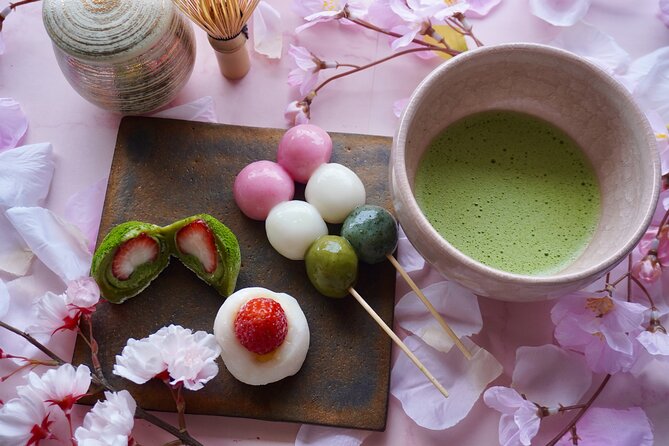
- Fruit daifuku plus dango, paired with green tea or matcha
- Small group, max 8, so you can ask questions and move at your pace
- Cultural context in plain language, including mochi’s meaning and traditional recipes
- Take-out bag provided, plus leftover support in the form of take-home packaging
- Local home setting near Shibuya, in a neighborhood you can walk around before or after
A Small-Group Mochi Lesson in Sangenjaya, Near Shibuya
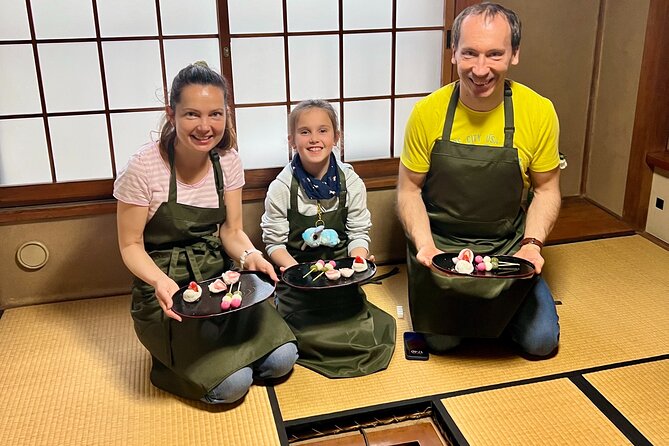
If you only do one food activity in Tokyo that actually involves your hands, this is a strong contender. The class happens in a real home in Sangenjaya (Setagaya City), not in a classroom that looks like every other cooking studio. That matters because you get a window into everyday Japanese hospitality: warm welcome, clear instruction, and time for conversation.
The setup is also practical for visitors. The meeting point is listed at 1-chōme-11-13 Sangenjaya, and the experience runs near public transportation. In real life terms, that means you’re not committing your whole day to transfers and taxis just to eat dessert.
Most of the best part is that you’re not squeezed into a big group. With a maximum of 8 travelers, you’re more likely to get specific help if your dough feels too sticky or if you’re unsure about the shaping step. That’s how you end up with sweets you can actually recognize as mochi and dango—not just something vaguely dessert-shaped.
And you’re close enough to Shibuya that you can pair this with a normal Tokyo day. For example, you can do a morning neighborhood walk, then come here for a calm, cozy afternoon reset.
You can also read our reviews of more private tours in Tokyo



What You Actually Make: Mochi, Fruit Daifuku, and Gluten-Free Dango
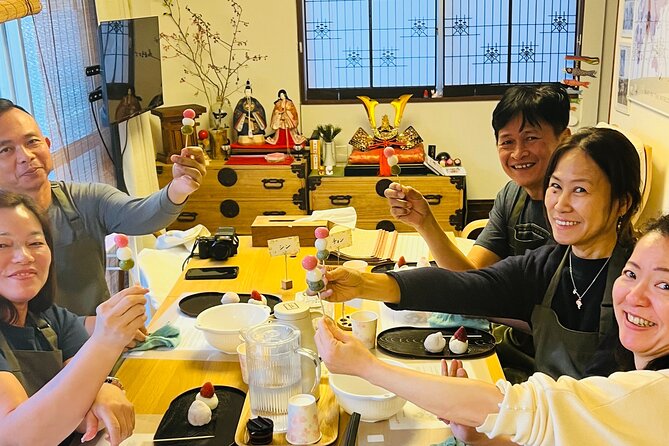
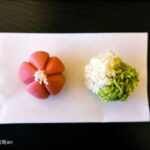
This class is hands-on wagashi making with two centerpiece sweets: mochi and dango. You’ll learn how to make fruit daifuku and dango, and the materials are described as having no gluten, no alcohol, and no additives. That detail is helpful if you’re trying to avoid common add-ins and you want a more straightforward ingredient profile.
Here’s what “hands-on” means in practice. You don’t just get an explanation and a spoon. You work through the steps yourself under Sakura’s guidance. That includes forming the dough, shaping, and finishing each sweet so you can taste what you made with confidence.
From what you’ll learn, mochi isn’t treated like a novelty. Sakura shares the cultural history and the traditional recipe context behind the sweets, so the final product feels earned instead of random. You’ll also get to sample what you create with green tea or matcha.
A neat bonus: if you’re the kind of person who likes making food you can repeat later, this class is built for that. Several write-ups mention that the ingredients used are things you can find abroad. That means your “I’ll try this at home” plan isn’t just wishful thinking.
Meeting Sakura in Her Home Kitchen (and the Dog Question)

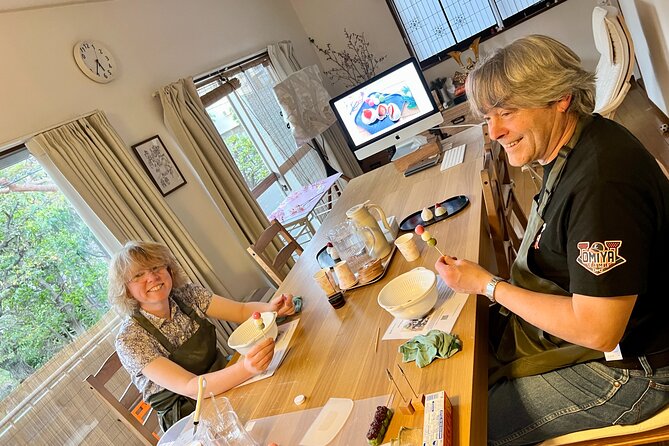
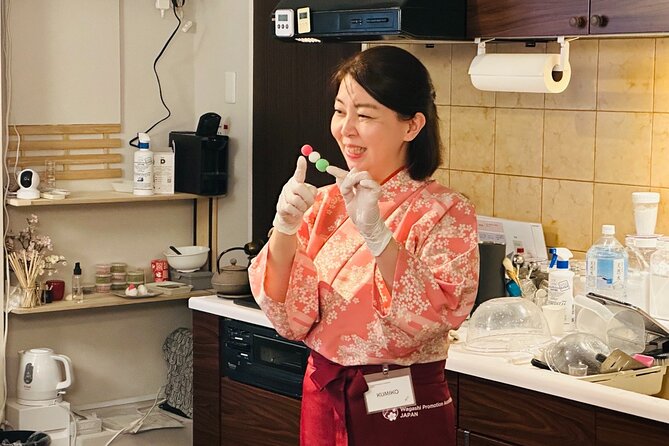
The biggest reason to choose this class is the host. Sakura runs the lesson in her own home and teaches you through each stage. She’s reportedly taught more than 1,000 guests from over 35 countries and has been invited to Switzerland as a guest instructor. In other words, she’s not learning on the job.
In the reviews you can lean on a consistent theme: Sakura teaches with patience. Even when participants are beginners, she keeps directions clear and lets you move at a comfortable speed. English is also described as good, which matters because wagashi has texture cues you’ll want to understand, not just follow.
Now for the realistic part. The home has a dog, and the listing explicitly says they don’t recommend the person who has allergy to dog. If you have allergies, don’t shrug that off. Ask ahead and consider whether it’s worth the risk.
Also, the venue is on the second floor, and you’ll need to go up stairs. That’s normal in Tokyo homes, but it’s the one logistics detail that can change your experience fast. Plan your day so you’re not rushing, and wear shoes you can handle comfortably.
Service animals are allowed, so if you rely on one, you can bring it. If you’re traveling with mobility limitations, I’d treat the stairs as the main deciding factor rather than the cooking steps themselves.
The 2-Hour Flow: From History Talk to Your Own Matcha Pairing
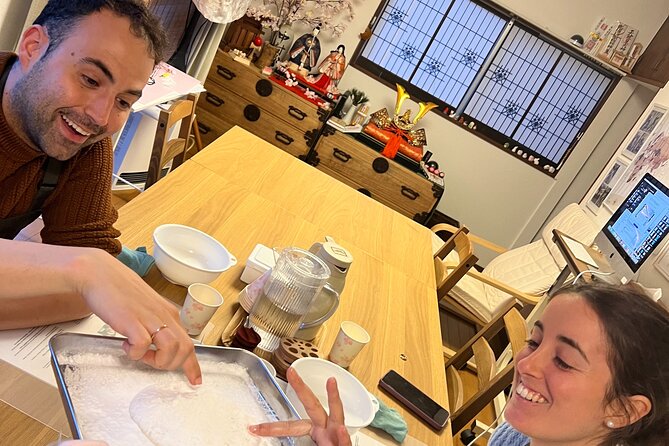
The class is about 2 hours, and it’s structured so you don’t feel lost or bored. You start at the meeting point in Sangenjaya, then move into the home setting. Expect a welcome, then an explanation of what you’ll make and why mochi shows up in Japanese life the way it does.
You’ll learn mochi’s significance and hear about traditional recipes. This isn’t just trivia. The cultural meaning helps your brain connect the steps to the goal. When you understand the why, the how sticks.
Then you get to the part you’ll remember later: making the sweets yourself. You’ll shape and cook mochi and dango by hand with Sakura guiding your timing and texture. This is where a small group helps. If you’re unsure, there’s enough time for correction before the dough is too far gone.
When it’s time to eat, you’ll sample your own treats with green tea or matcha. This matters more than it sounds. Mochi and dango are soft and filling; tea is the palate reset that lets you notice differences between versions. Matcha also fits the theme, giving you that classic Japanese sweets-and-tea pairing.
A detail that many people appreciate: the setting stays cozy, not rushed. You’re not herded through like a production line. If you want a calm activity amid Tokyo’s energy, this is one of the better choices.
Tea, Take-Home Treats, and That Cozy-Home Satisfaction
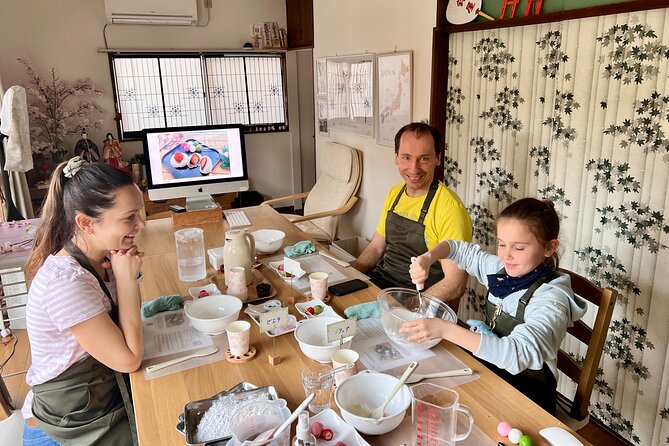
Food classes can be hit-or-miss: sometimes you learn a thing, but you’re left with a tiny portion and zero leftover for later. Here, the experience includes coffee and/or tea, including Japanese green tea or matcha. If you don’t like caffeine, there’s also decaffeinated black tea available. That’s a nice touch because matcha can be strong, and a dessert class is exactly when you don’t want to accidentally turn your afternoon into a jitter test.
A take-out bag is included. That means you can pack leftovers for later, share with family, or avoid the stress of trying to eat everything on the spot. Some reviews also mention Sakura prepares take-away for leftovers, so you may get practical help beyond the basic bag.
The overall satisfaction comes from the combination:
- You make the sweets with your own hands
- You eat them with tea in a home setting
- You leave with something to take back
That mix turns it from an activity into a small food memory you can repeat. Back at your hotel, you’ll taste what you made again and remember the steps that led to it.
You can also read our reviews of more tours and experiences in Tokyo




Price and Value: Is $79.28 Worth It?
At $79.28 per person for about 2 hours, this isn’t the cheapest food workshop in Tokyo. But it also isn’t priced like a mass-market ticketed show. You’re paying for a few high-value things that are hard to replicate in a typical cooking school:
1) A real home setting
Home-based classes usually limit class size and create a more personal experience. Here, max 8 travelers keeps it intimate.
2) Hands-on instruction for multiple sweets
You learn mochi and dango production, not just one quick item. Fruit daifuku and dango show up as the main outcomes.
3) Tea service and cultural explanation
Coffee and/or tea (including matcha) are included, and you also get the cultural history context that makes the class feel more like learning than just eating sugar.
4) Host experience
Sakura’s background is strong: 1,000+ guests from 35+ countries, plus an invitation to Switzerland as a guest instructor.
If your priority is value by calories alone, you might think this price is steep. But if your priority is paying for time, technique, and a genuinely Japanese setting, it’s good value for Tokyo. It’s also the kind of activity that works as a memorable start to a trip or a relaxing break between sightseeing days.
Who This Mochi Class Suits Best (and Who Might Hesitate)
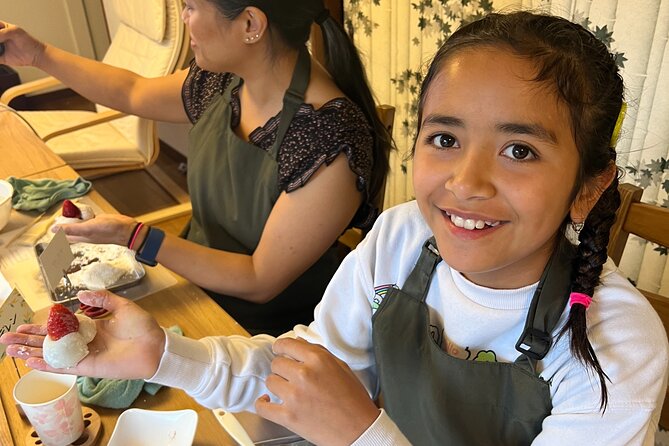
This class is especially well-suited to families. Reviews include parents with kids from around age 8 to teens, and they highlight how Sakura teaches gently and patiently. If you want a hands-on activity that doesn’t feel like a long sit-through, this fits.
It also suits adults who want something more authentic than a generic tasting. The home setting plus the cultural storytelling adds weight to the experience. You’ll also likely appreciate the structured guidance if you’re not confident in Japanese cooking.
Where I’d be cautious:
- If you have dog allergies, the class explicitly says it’s not recommended because there is a dog in the home.
- If stairs are an issue for you, remember the venue is on the second floor with steps.
- If you’re hunting for a faster, totally hands-off activity, you might find the process more involved than you want. This is built for doing, not watching.
Tips to Make Your 2 Hours Go Smoothly
You can make this class feel effortless if you plan around the few known constraints.
Wear comfortable shoes. You’ll go up stairs, and Tokyo neighborhood wandering before the class is easy if your feet aren’t already tired.
Come with an appetite for a texture experience. Mochi is soft and chewy; dango is different in feel. Tea helps, but it’s still dessert, so don’t schedule this right after a huge meal you can’t pause.
If caffeine affects you, plan for it. Decaf black tea is available, and matcha is offered as an option. So you can still follow the tradition without feeling wired.
If you’re picky about ingredients, ask what’s used. The class info describes no gluten, no alcohol, and no additives for the daifuku and dango. Still, if you have a specific allergy beyond dog or general dietary preferences, you’ll want clarity.
Finally, treat this as a neighborhood experience, not a vending machine. You’re near Shibuya but in a quieter area. Walk a few blocks before class if you can. It’s one of the easiest ways to feel like you stepped into normal Tokyo life instead of only passing through it.
Should You Book Sakura’s Mochi-and-Dango Class?
I’d book this if you want a small-group, hands-on Tokyo food experience that feels local and personal. The top selling points are clear: Sakura’s teaching style, the intimate max-8 format, and making fruit daifuku and dango yourself in a cozy home setting near Shibuya.
You should skip it (or at least think twice) if stairs are a problem for you or if you have dog allergies. Those are not minor details here; they’re part of the venue.
If you’re on the fence, decide based on your travel style:
- Want a memorable food skill and cultural context? This is a yes.
- Want a quick bite with zero effort? Look elsewhere.
- Need a family-friendly activity where kids actually get to do the work? This is a strong match.
FAQ
How long is the mochi sweets making class?
The class is about 2 hours.
What sweets will I learn to make?
You’ll learn to make mochi and dango by hand, including fruit daifuku and dango.
Do you serve matcha or tea?
Yes. Coffee and/or tea is served, including Japanese green tea or matcha. Decaffeinated black tea is available if you do not like caffeine.
Is the class limited to a small group?
Yes. The class has a maximum of 8 travelers.
Does the class accommodate gluten-free needs?
The class information states that the fruit daifuku and dango contain no gluten.
Is there a dog in the home?
Yes. The venue has a dog, and the listing says they do not recommend the person who has an allergy to dog.
What happens if bad weather cancels the activity?
If the experience is canceled due to poor weather, you’ll be offered a different date or a full refund.