REVIEW · TOKYO
Sushi Making Tokyo Roll and Authentic Japanese Sushi Class
Book on Viator →Operated by Sushi Making Tokyo Cooking Class in Japan · Bookable on Viator
Sushi class near Senso-ji is a smart move. This hands-on lesson in Asakusa teaches you how to make Tokyo-style rolls and nigiri, then you sit down and eat what you made.
I especially love two things: the English-speaking instruction feels clear and beginner-friendly, and you get a real lunch out of the class instead of just watching.
One drawback to plan around: there is no hotel pickup, and the meeting spot can be a little tricky to find, so give yourself extra time.
In This Review
- Key Things To Know Before You Go
- Why This Sushi Class Works in Beginner Mode
- What You Make: Tokyo Rolls and Nigiri You Can Recreate
- Meet the Teachers: Clear English and Helpful Hands-On Coaching
- Timing, Location, and How to Find 2-chōme-17-9 Kaminarimon
- Inside the Class Meal: What Included Ingredients Mean for Value
- What You Learn Beyond How-To: Culture, History, and Useful Sushi Words
- Is the $59.69 Price a Good Deal? Value vs. Eating Out
- Who Should Book This Class (and Who Might Skip It)
- My Booking Advice for a Smooth Senso-ji Day
- Should You Book This Sushi Making Tokyo Class?
- FAQ
- How long is the sushi class?
- What does the class cost?
- Where does the experience take place?
- Is hotel pickup included?
- Do I need any cooking experience?
- What language are the instructors?
- How many people are in the group?
- What is included in the price?
- Can I cancel for a full refund?
- More Questions About Getting There and Making It Easy
- Is there confirmation after booking?
- Is a mobile ticket used?
- Are service animals allowed?
Key Things To Know Before You Go
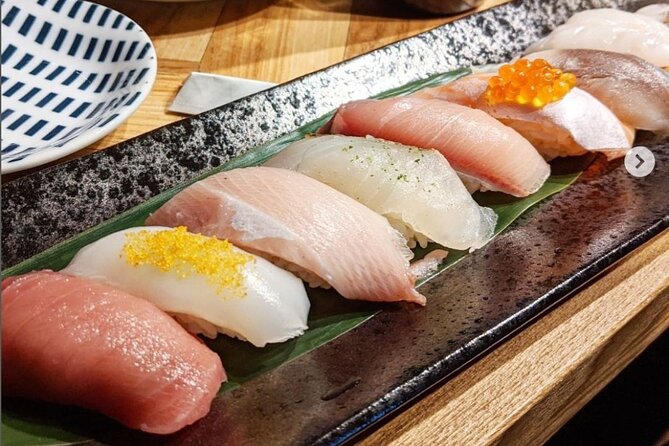
- Hands-on from start to finish: you learn rolls and nigiri step by step, not just theory.
- Made for beginners and families: no sushi background needed, and kids do well here.
- Small group feel: up to 30 travelers, so it stays interactive.
- Real meal included: ingredients are included, and you eat your own sushi and rolls afterward.
- Instructors use clear visuals and plain explanations: reviews mention teaching that includes tools like table-side guidance and slide/video support.
Why This Sushi Class Works in Beginner Mode
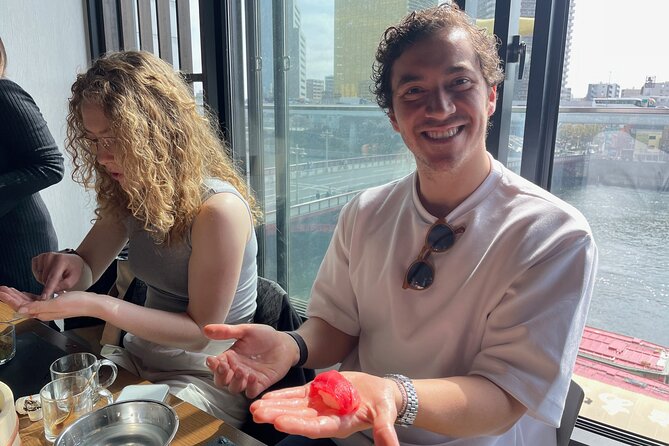
Tokyo has plenty of places to eat sushi. This class does something different: it teaches you what to do, in the right order, so the whole thing stops feeling like a mystery.
The key is the pace. The format is relaxed and beginner-friendly, and they guide you step by step through making sushi rolls and authentic nigiri. Even if you’ve never handled sushi rice before, you’re not expected to already know the technique.
You’ll also get small “why it matters” facts as you go. That matters because sushi is part food, part craft. When you understand what each step is trying to do (like making the rice behave and helping the shape hold), you can reproduce it at home later instead of just remembering what it tasted like.
You can also read our reviews of more tours and experiences in Tokyo



What You Make: Tokyo Rolls and Nigiri You Can Recreate
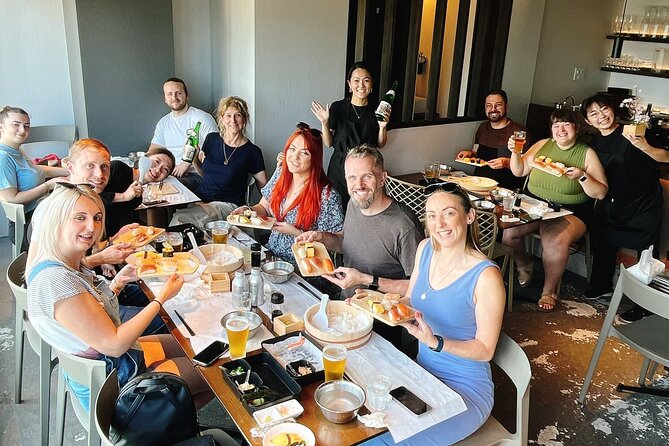
This experience focuses on two classic items: sushi rolls and authentic nigiri. You’re not leaving with a single sad sample—your class meal is built from what you make during the session.
From the way the class is described, you’ll learn the practical techniques that let you:
- roll sushi in a way that looks like what you see in Tokyo
- form nigiri so it’s recognizable and holds together
- use the right steps so the final result isn’t just edible, but actually good
One reason this is such a good “home cooking” souvenir is that you get a method, not just a finished plate. When the instructions are clear and the class runs in a structured sequence, you can bring that process back with you the next time you want a sushi night.
And yes, you also get to photograph your results. In a city built for photos, it’s nice when your own hands help create the subject.
Meet the Teachers: Clear English and Helpful Hands-On Coaching
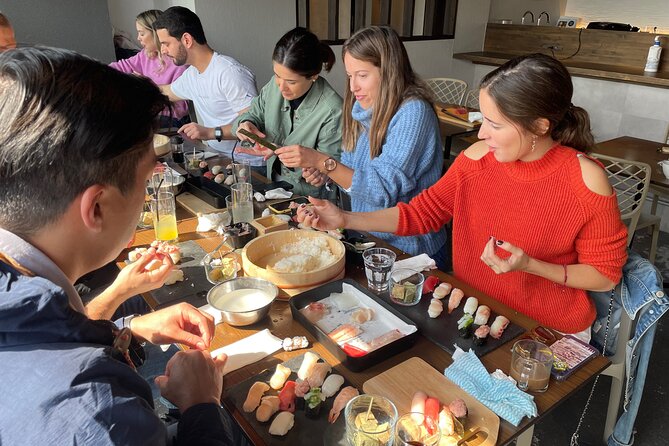
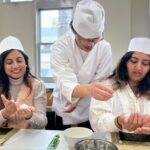
This is a personal-attention kind of class. An English-speaking instructor leads you, and the setup is designed so you’re not left guessing at the exact moment you need help.
The instructor team you’ll see referenced in reviews includes people like Moe, Ken, Arisa, Jun, and Kazu. Reviewers also mention instructors such as Kyuto, Kaori, Jun Kyoto, Shiroi, and others, often praised for being patient and good at explaining what to do next. Even if you don’t get the same teacher, that pattern tells you something important: the coaching style seems built for international visitors and mixed ages.
Another detail that shows up in the reviews is teaching that uses multiple formats—clear spoken instruction, plus visuals like PowerPoint/video-style support in at least some sessions, along with table-side guidance. That combination is a big deal when your class skills are still “brand new.”
Timing, Location, and How to Find 2-chōme-17-9 Kaminarimon
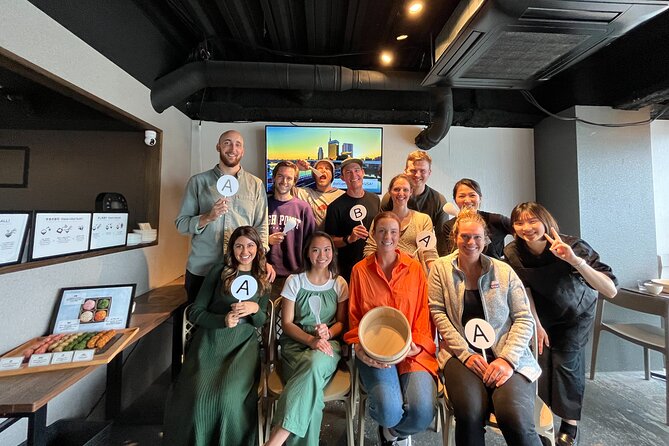
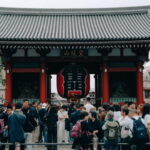
Location is a big part of the appeal. Your class is just steps from Senso-ji Temple in traditional Asakusa, which means you can line this up with a real Tokyo day instead of treating it like a separate activity.
The meeting point is: 2-chōme-17-9 Kaminarimon, Taito City, Tokyo 111-0034, Japan. The experience ends back at the meeting point, so you’re not dragged across town afterward.
A practical note: there’s near public transportation access, but there’s no hotel pickup. If you’re used to tour buses meeting you at the lobby, this one will feel different. Plan to get there under your own steam.
Finding the exact spot can take a minute. One review specifically recommends arriving about 15 minutes early because the location can be a little tricky. I agree with that strategy. In Asakusa, streets can be crowded, and the class time is only about 1 hour 40 minutes, so you don’t want to be late while you’re searching.
Inside the Class Meal: What Included Ingredients Mean for Value
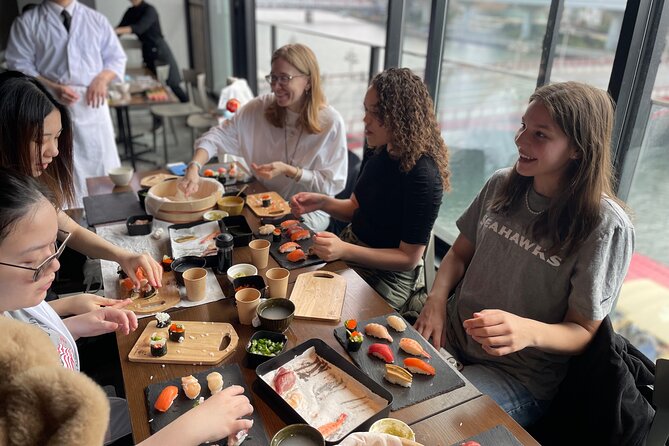
This class includes:
- the English-speaking instructor
- ingredients of the cooking class and meal
That sounds simple, but it’s part of what makes the price feel fair. At $59.69 per person, you’re paying for instruction plus the food and supplies that let everyone actually make a full lunch.
The best value is that you’re not just tasting a bite. Multiple reviews mention there are plenty of ingredients and enough to make a real meal. Several people also describe fish and rice as good quality, which matters because sushi is only as good as what you build it with.
One more thing: the class is sized with a maximum of 30 travelers. That usually means less time waiting for your turn and more time getting feedback while you roll and form.





What You Learn Beyond How-To: Culture, History, and Useful Sushi Words
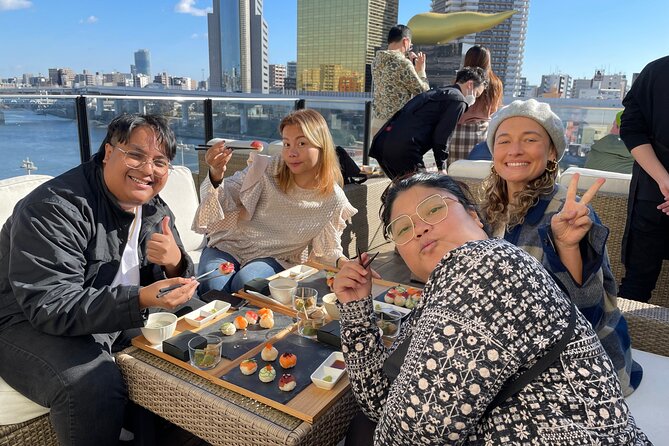
If you want a Tokyo experience that’s more than food plus a souvenir photo, the “culture” part matters.
This class includes Japanese culinary culture insights from your foodie guide, and there’s usually some sushi history woven in early. In reviews, people mention instructors sharing lots of background, and that it helps sushi feel less intimidating—almost like sushi 101 turning into sushi 2.0.
You may also pick up new words you can use in real conversations later. A couple of reviews mention learning sushi-related vocabulary you can work into travel moments. Even if your Japanese is limited, having a few correct terms makes meals more fun and a bit more respectful.
And you’ll likely understand what makes sushi feel “right” when you see it in restaurants—the balance, the care, and the technique. That understanding is what makes the food at home taste closer to what you experienced in Tokyo.
Is the $59.69 Price a Good Deal? Value vs. Eating Out
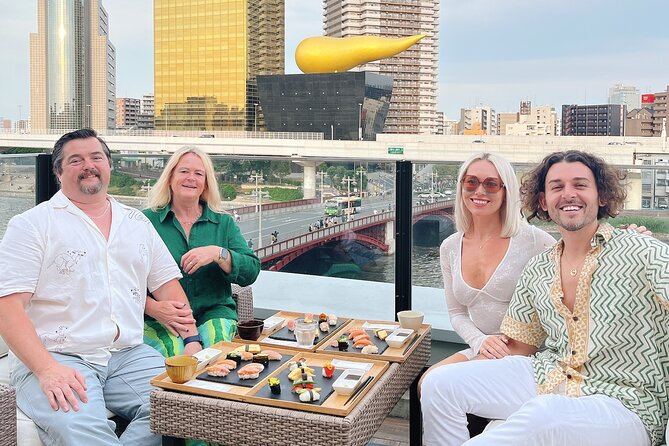
Let’s talk value without the hand-waving. For $59.69, you’re buying an instructor, ingredients, and a finished meal made by your own hands—within about 1 hour 40 minutes.
If you tried to replace this with an equivalent standalone sushi meal, you’d pay for the food and time, but you wouldn’t get the technique. And the main benefit here is repeatable skill: you learn how to make sushi rolls and nigiri step by step, so the experience keeps paying you back after your Tokyo trip.
You’re also not in a massive crowd. With a max of 30 and personal guidance, it feels less like a show and more like a workshop. That’s the difference between paying to eat and paying to learn.
Where value gets weaker is if you only want to eat great sushi and you hate hands-on activities. If cooking makes you anxious, you might prefer a restaurant meal plus a simple market snack walk instead. But if you enjoy making things, this price-to-experience ratio is strong.
Who Should Book This Class (and Who Might Skip It)
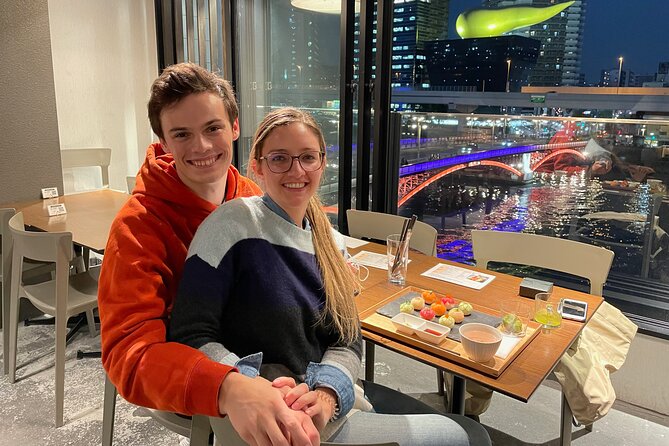
This class is a great match for:
- Couples who want a shared memory beyond dinner
- Families (reviews include parents with kids around 8–10, and even teens who had fun)
- Anyone who likes sushi but wants to know how it’s made
- Visitors who want an activity near Senso-ji that doesn’t require advanced skills
It may be less ideal if:
- you want a traditional, no-English, chef-only counter experience
- you’re hoping for a super long cooking session with lots of advanced prep
- you dislike group settings or you’re short on time for a structured activity
The class does skew beginner-friendly and international, because the instruction is in clear English and built for mixed groups. For many people, that’s exactly what makes it enjoyable.
My Booking Advice for a Smooth Senso-ji Day
Here’s how I’d fit it into a Tokyo plan so it feels easy, not rushed:
- Plan to arrive a bit early at 2-chōme-17-9 Kaminarimon. In Asakusa, a few minutes can disappear fast.
- Pair it with temple time. Because the class is near Senso-ji, you can do sightseeing before or after without wasting transit time.
- Treat it like a lunch plan. The session ends back at the meeting point, and you’ll be eating what you make—so you don’t need a heavy separate meal right afterward.
- Bring your patience. Even when you’re experienced at cooking, sushi has its own rhythm. The class is designed to teach it, so let the steps work.
Also, you’ll have a handy takeaway: a clearer idea of how sushi chefs handle texture, shape, and assembly. That makes restaurant sushi more fun, not just tastier.
Should You Book This Sushi Making Tokyo Class?
Book it if you want a hands-on Tokyo activity you can remember, and you’d like to leave with both a meal and a repeatable skill. The combination of English guidance, small-group feel, and the fact that you eat what you make makes the experience feel like more than a ticket—it’s a story you can recreate later.
Skip it only if you’re strictly a “watch and eat” person, or if you don’t want any cooking during your trip. Otherwise, this is a very solid way to spend a short block of time in Asakusa and come away knowing how Tokyo-style sushi is built.
FAQ
How long is the sushi class?
The experience lasts about 1 hour 40 minutes.
What does the class cost?
It costs $59.69 per person.
Where does the experience take place?
The meeting point is 2-chōme-17-9 Kaminarimon, Taito City, Tokyo 111-0034, Japan. The activity ends back at the meeting point.
Is hotel pickup included?
No. Hotel pickup and drop-off are not included.
Do I need any cooking experience?
No cooking experience is required. The class is beginner-friendly and taught step by step.
What language are the instructors?
The class includes an English-speaking instructor.
How many people are in the group?
The maximum group size is 30 travelers.
What is included in the price?
Included are the English-speaking instructor and the ingredients for the class and meal.
Can I cancel for a full refund?
Yes, you can cancel up to 24 hours in advance for a full refund.
More Questions About Getting There and Making It Easy
Is there confirmation after booking?
You should receive confirmation at the time of booking.
Is a mobile ticket used?
Yes, the experience uses a mobile ticket.
Are service animals allowed?
Yes, service animals are allowed.