REVIEW · TOKYO
Make Traditional Nerikiri Sweets & Matcha experience in Shibuya
Book on Viator →Operated by Mum Japanese sweets studio · Bookable on Viator
Four tiny sweets, one big calm. In Shibuya’s Harajuku area, I love how a patient instructor like Hana sensei guides you through traditional nerikiri shaping and then slows things down with matcha ceremony.
I also like that you’re not just watching. You create four sweets total, plus a hot drink, and everything you make goes home with you—so the experience lasts past the last sip.
One thing to consider: this is hands-on and detail-focused. If you’re hoping for a fast, sightseeing-heavy morning, you may find the pace a little too quiet, even though it’s part of the charm.
In This Review
- Key things you’ll notice
- Nerikiri and matcha in Harajuku: a craft-class that sticks
- Price and what $60 really buys you
- Meeting at CHUMS Omotesando and walking to a local home
- Your hands-on nerikiri work: sample shapes and a final original design
- A quick reality check on the pace
- Matcha tea ceremony at the table: a calm finish to a busy day
- Dietary needs: vegan and vegetarian friendly
- Timing in Shibuya: choose your slot and protect the rest of your day
- Who this fits best (and who should consider alternatives)
- Booking decision: should you do it?
- FAQ
- What’s included in the experience?
- How long does the Nerikiri and matcha class last?
- Where do we meet for the class?
- How big is the group?
- What time slots are available?
- Is the class suitable for vegans and vegetarians?
- Can I take the sweets home?
- What is the cancellation policy?
Key things you’ll notice
- Small group, up to 4 people, so you actually get hands-on help
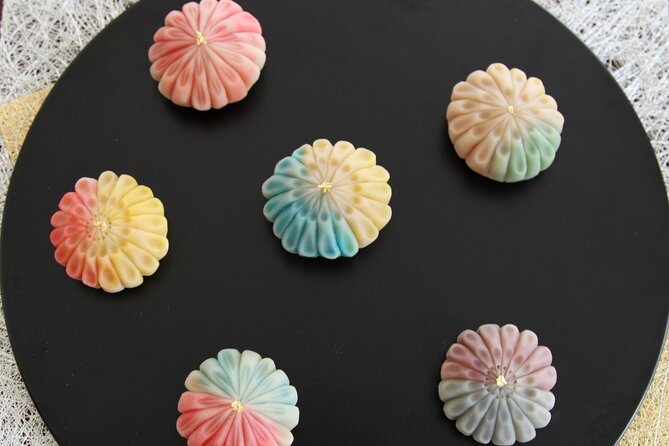
- Four nerikiri sweets total, built from sample designs plus your own original piece
- Table-style matcha ceremony, paired with Japanese sweets
- Harajuku location, walkable to Omotesando, Shibuya, and Harajuku
- Technique coaching from Hana sensei, including patient, step-by-step corrections
- Vegetarian and vegan friendly, and the host may accommodate ingredient preferences when you ask
Nerikiri and matcha in Harajuku: a craft-class that sticks
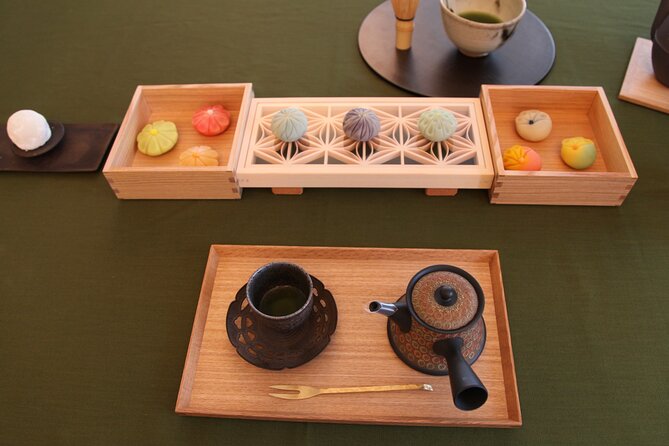
This is the kind of Tokyo experience that feels like a reset button. You’ll spend about 1 hour 30 minutes learning how to shape nerikiri—classic Japanese sweets made with bean paste and sugar—then finish with a matcha tea moment that’s more thoughtful than it sounds.
The format matters. You start with sample designs, then you build your own. That mix keeps it approachable for first-timers but still gives you enough room to get creative. And because the class is capped at four travelers, it doesn’t turn into a factory line.
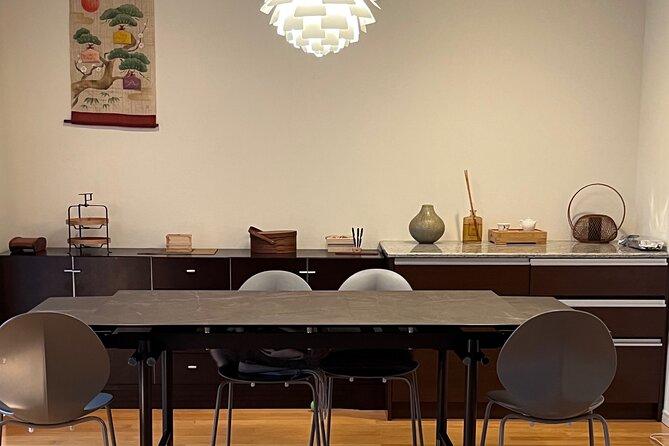
The setting is also part of the value. You meet near Omotesando Station and then walk to the instructor’s home, where you’ll see how Tokyoites live. That “inside a real home” feel is what makes it feel less like a tourist show and more like learning a small local ritual.
You can also read our reviews of more tours and experiences in Tokyo


Price and what $60 really buys you
At $60 per person, this class is priced like a full cultural activity, not a snack stop. You get a lot for that money:
- Four nerikiri sweets you make with your hands
- A hot drink with matcha
- A tea-and-sweets pairing (Japanese sweets served alongside the matcha)
- Take-home portions, so you aren’t paying just for the time in the room
Also, the group size is tiny. When you’re paying for instruction, small-group teaching is where your money tends to go. Here, you’ll be close enough to get corrections and encouragement, which many people highlight in their notes about how patient and clear the teaching is.
One practical angle: you’re saving time. Starting at a time that lines up with opening hours means you can do this early and still enjoy Harajuku and Shibuya afterward. That can turn a single ticket purchase into a whole day plan.
Meeting at CHUMS Omotesando and walking to a local home
You meet at CHUMS Omotesando, across from the Brown building. From there, you walk about 30 seconds to the instructor’s place.
This is a smart setup for Tokyo days. You’re not stuck in some far-flung neighborhood and you don’t lose half your class time commuting. The area is central, near Omotesando, and also within walking distance of Shibuya and Harajuku.
Practical tip: leave a little buffer for getting to the exact storefront. Tokyo stations can be labyrinths, and the meeting point is specific. Once you spot the CHUMS area and line up with your group, the walk to the home is quick.
After class, you’re well positioned to hit classic nearby targets like Meiji Shrine, Takeshita Street, and Shibuya Crossing without major backtracking.
Your hands-on nerikiri work: sample shapes and a final original design
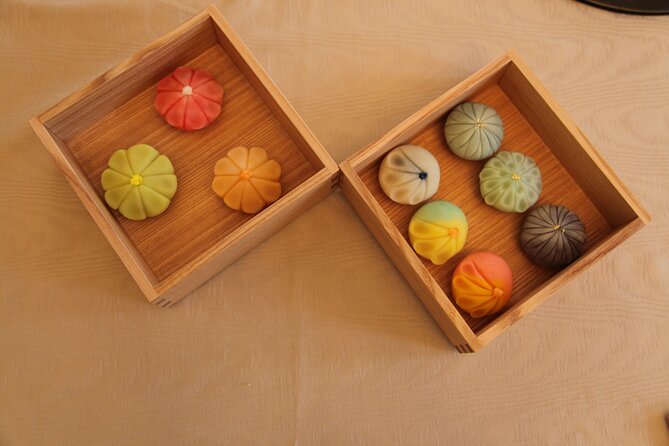
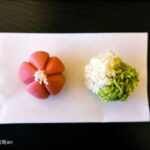
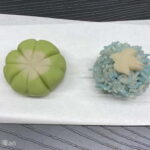
The nerikiri process is where this experience becomes “yours.” You’ll begin by choosing from sample designs. Then you’ll create three different shapes based on those options.
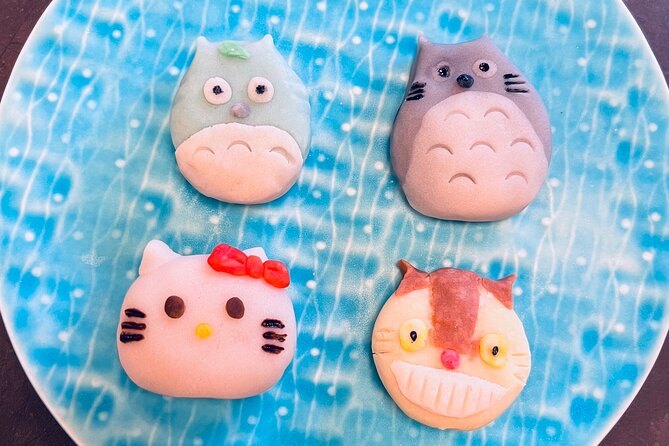
Next comes the part that makes the class feel like more than a craft demo: you’ll make your own original nerikiri design. That last piece is where people tend to relax and have fun, because you’ve learned the basics and you can stop copying and start expressing.
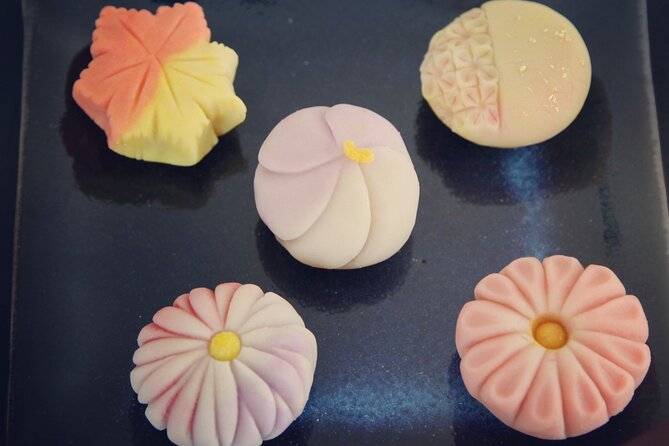
You’ll be working with the key ingredients behind nerikiri’s look and texture—bean paste, sugar, and other ingredients—and you’ll shape the sweets into sculptural forms rather than simple molded treats. The details matter here. That’s not just for aesthetics; it’s part of the traditional method and what gives nerikiri its signature “mini artwork” vibe.
From the teaching style, you can expect step-by-step guidance and gentle correction. In the notes about Hana sensei, the same themes show up again and again: she’s patient, she explains techniques clearly, and she gives people confidence even if their first tries aren’t perfect.
And yes, you can take everything home. That matters more than it sounds. You’re not just leaving with photos—you’re leaving with edible proof of what you learned.
A quick reality check on the pace
This isn’t fast, and it’s not rushed. Some people love that. You’ll be slow enough to notice small technique changes, which helps the final pieces come out better. If you’re the type who gets restless with detailed activities, pair this with a later sightseeing schedule so you don’t feel behind.






Matcha tea ceremony at the table: a calm finish to a busy day
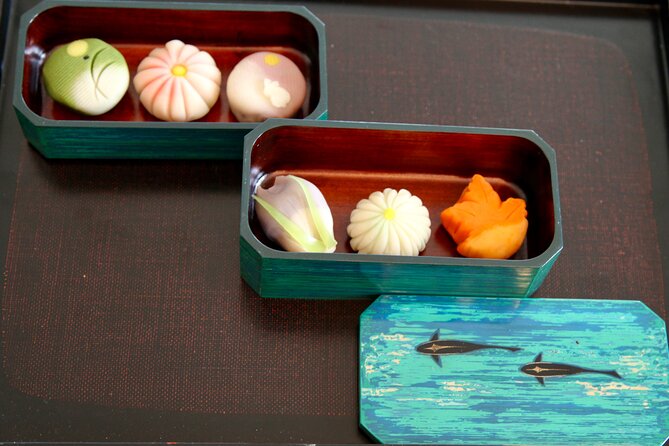
After the sweets, the class moves to a table-style tea ceremony. You’ll drink freshly prepared matcha tea, and you’ll also be served carefully selected Japanese sweets from across Japan.
This part is worth paying attention to because it turns the “food craft” into a small cultural lesson. Matcha isn’t just flavor here. It’s about a slower pace and learning how to treat the moment with respect—how you’re served and how you experience it.
The tea pairing also helps you understand why nerikiri is about more than cuteness. Sweet and tea together changes the whole taste picture. Some people specifically mention the matcha pairing as a highlight because the flavors work as a set rather than as separate snacks.
And because you’re at a table, it feels less formal than you might fear. You can focus on the ritual and the taste without feeling like you’re in a rigid performance.
Dietary needs: vegan and vegetarian friendly
The class states it’s suitable for vegans and vegetarians. That’s a big deal for Japan travel, where sweets can be quietly tricky.
If you have additional constraints, the host has shown willingness to communicate about ingredient preferences. The practical move is simple: make sure your notes are added when you book, so the instructor has time to plan.
Timing in Shibuya: choose your slot and protect the rest of your day
You’ll have three time options: 9:00, 13:00, and 15:30. The class runs about 1 hour 30 minutes.
Here’s how I’d choose:
- 9:00 if you want to beat the crowds and still roam Harajuku afterward
- 13:00 if you want a late morning and a steady pace midday
- 15:30 if you want a calmer late afternoon with less pressure to rush
One smart detail in the schedule: many shops in the area open around 11:00, so the 9:00 start can help you make better use of the early morning.
Also, plan hydration. In notes from past participants, people mention the warm weather in their timing. Tokyo can feel hot, and you’ll be sitting and working with your hands. Bring water and take breaks when you can.
Who this fits best (and who should consider alternatives)
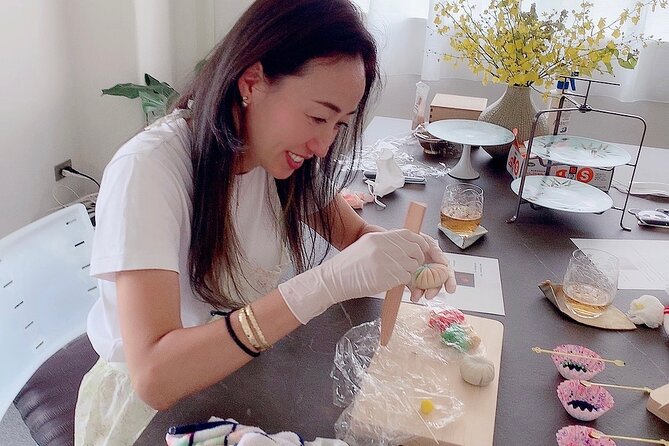
This experience is a strong match if you want Japanese culture through food—slow, specific, and hands-on. It also works well for families. The notes include kids making their sweets successfully, including ages like 10, 11, and 13, with the instructor adjusting help so the parent can focus too.
It’s also a great choice if you like activities where you leave with a tangible souvenir. A nerikiri you shaped yourself is a totally different thing than a shop-bought box.
Here are the people who may prefer a different plan:
- If you only have time for a quick stop and no patience for detailed steps
- If you dislike sitting at a table for tea at the end of an activity
- If you’re looking for a loud, nightlife-style experience in Shibuya
But if you want something thoughtful and creative inside central Tokyo, this class fits your day in a clean way.
Booking decision: should you do it?
I think you should book this if you want a genuine Tokyo skill. Nerikiri shaping plus matcha is a combo you can’t easily replicate from a normal market stop, and the small-group size makes the difference between learning and simply participating.
Book it especially if:
- You care about fine details and want technique guidance
- You want four take-home sweets you made yourself
- You’re traveling with kids (or you like gentle instruction and a patient vibe)
- You want a cultural activity you can do near major attractions without extra transit
Skip it if your ideal day is nonstop walking and constant movement. This is better as an anchor activity—one that sets a calm tone before you go chase the rest of Tokyo.
FAQ
What’s included in the experience?
You’ll learn to make traditional nerikiri sweets and you’ll receive four sweets total, plus a hot drink with matcha. You’ll also enjoy matcha with additional Japanese sweets served during a table-style tea ceremony.
How long does the Nerikiri and matcha class last?
The duration is about 1 hour 30 minutes.
Where do we meet for the class?
You meet across CHUMS Omotesando, in front of the Brown building. The start address is listed as 5-chōme-2-21 Jingūmae, Shibuya, Tokyo 150-0001, Japan.
How big is the group?
The class has a maximum of 4 travelers.
What time slots are available?
The schedule includes 9:00, 13:00, and 15:30.
Is the class suitable for vegans and vegetarians?
Yes. The experience is listed as suitable for vegans and vegetarians.
Can I take the sweets home?
Yes. Everything you make can be taken home with you.
What is the cancellation policy?
There is free cancellation up to 24 hours before the experience starts for a full refund.