REVIEW · TOKYO
Tokyo: Two Types of Japanese Sweets Making and Tea Ceremony
Book on GetYourGuide →Operated by 日本文化体験 庵an東京 AN TOKYO · Bookable on GetYourGuide
Two sweets, one cup of matcha, total calm. This Tokyo class turns traditional wagashi making into a hands-on skill session, then ties it together with a matcha tea ceremony that feels more relaxed than formal. You’ll work with real ingredients like Kyoto bean paste and single-origin special matcha, so it tastes like the culture instead of a souvenir craft.
I love that you make two different types of Japanese sweets, not just one bite-size demo. The Ohigashi part uses wasanbon sugar, and the Nerikiri portion lets you shape seasonal sweets with bean paste you’re using in a very practical way.
One thing to consider: the Nerikiri shaping can be a little fiddly. Even with clear instruction, you’ll want steady hands and patience, especially when the paste needs to hold a clean flower-like form.
In This Review
- Key highlights worth putting on your radar
- Entering the “wagyaman” mode in Tokyo: what this class is really about
- Ohigashi first: dried wagashi and the role of wasanbon
- Nerikiri shaping: seasonal flower forms and Kinton Nerikiri
- Matcha grinding and a tea ceremony you can actually enjoy
- What you get at the end: tasting, optional add-ons, and value
- Price and logistics in plain terms (so you plan well)
- Who this experience suits best
- Should you book this Japanese sweets and matcha class?
- FAQ
- How long is the Tokyo Japanese sweets and tea ceremony experience?
- What Japanese sweets will I make during the class?
- Do I get to grind matcha and participate in the tea ceremony?
- Are there any extra costs beyond the $28 price?
- Is English translation provided?
- Can I cancel and get a full refund?
Key highlights worth putting on your radar
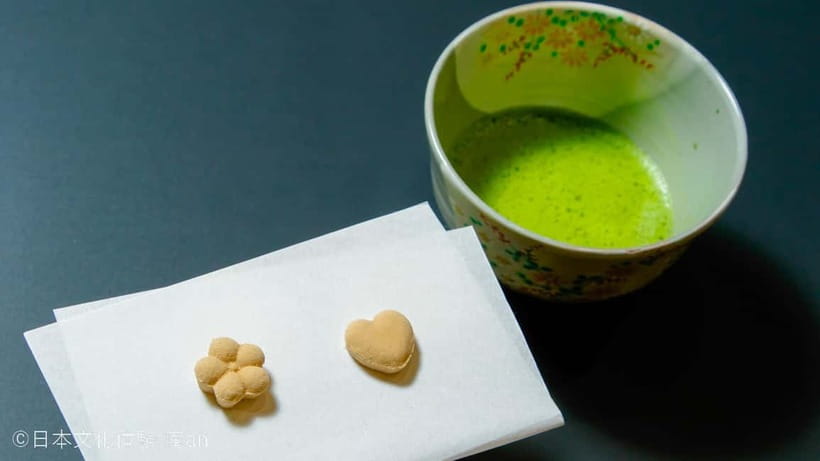
- Ohigashi with wasanbon sugar: A dried-style wagashi you make from scratch.
- Kyoto-sourced white/red bean paste: The class uses bean paste from long-established Kyoto shops.
- Two seasonal Nerikiri sweets: You’ll shape both a flower-shaped sweet and a Kinton Nerikiri.
- Single-origin special Matcha: You grind your own matcha before drinking it.
- Casual tea ceremony flow: You get the ritual, without the stuffiness.
- English support when possible: The instructor provides English translation as much as possible and explains the basics clearly.
Entering the “wagyaman” mode in Tokyo: what this class is really about
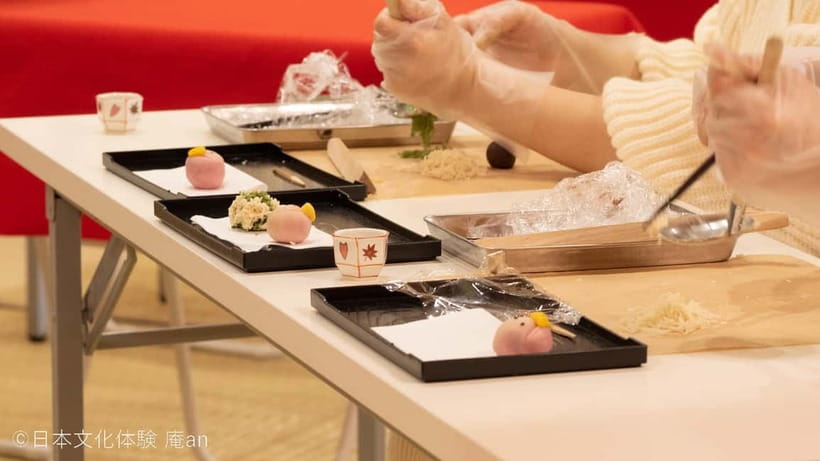
This is a workshop that builds from sugar to paste to tea, in that exact order. If you’ve ever wondered why Japanese sweets feel so precise, the answer is in the process: each wagashi type has a different texture, a different method, and a different way of showing seasonality.
You start with a straightforward introduction to traditional Japanese sweets, then move into making Ohigashi, the dried-type wagashi. The point isn’t to chase perfection. It’s to understand how the ingredients behave and how shape and texture matter.
Then you shift to Nerikiri, which uses white/red bean paste and a softer, more moldable feel. That change in texture is a big part of why this class works so well. You’ll feel the difference in your hands, and that makes the tea ceremony later feel less random. When you finally whisk and enjoy matcha, the sweetness and the bitterness make more sense as a pair.
The tea portion isn’t treated like a performance you must master on day one. It’s more like guided practice: grinding, learning the step, and then tasting what you made. And because you’re using single-origin special matcha, the flavor stays focused rather than generic.
You can also read our reviews of more tours and experiences in Tokyo


Ohigashi first: dried wagashi and the role of wasanbon
Your session begins with a calm, structured start: explanation of Japanese traditional sweets, then you jump into dried-type wagashi. This part is shorter than the Nerikiri, but it’s important because it teaches you how sweetness can be built without relying on soft textures.
You’ll make Ohigashi using traditional Japanese sugar called wasa nbon (the class specifically calls out wasanbon). That matters because wasanbon has a different character than many Western sugars. The sweetness feels more refined, and the end result is designed to behave like a dried-style sweet rather than a sticky confection.
What I like about starting here is that it gives you an early win. Dried-type sweets tend to be more forgiving than shaping delicate paste forms. Even if your first attempt isn’t perfectly uniform, you’re still learning a technique: how the mix comes together and how it sets.
Also, this part of the class anchors the rest of the experience. When later you handle Nerikiri paste and see how it can be shaped into seasonal forms, you understand that wagashi isn’t one style. It’s multiple methods, each with a specific texture and flavor goal.
Nerikiri shaping: seasonal flower forms and Kinton Nerikiri
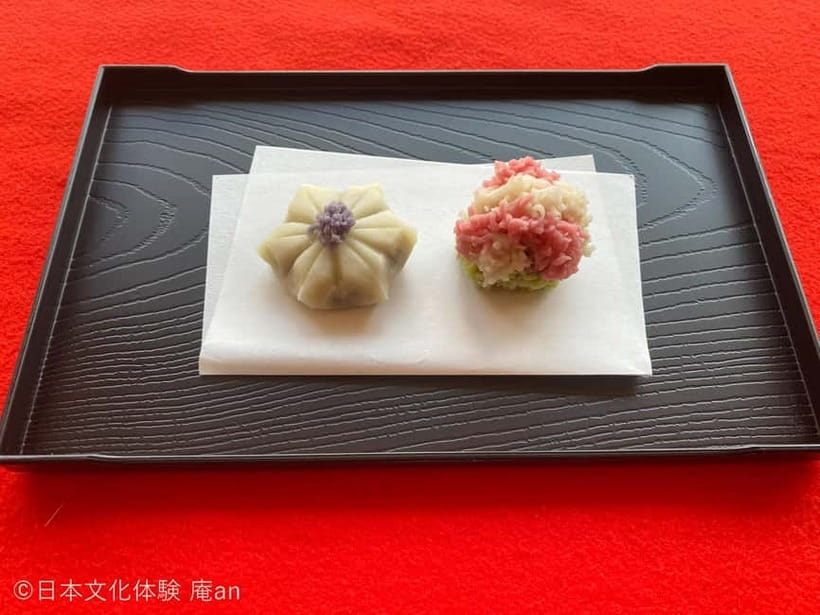
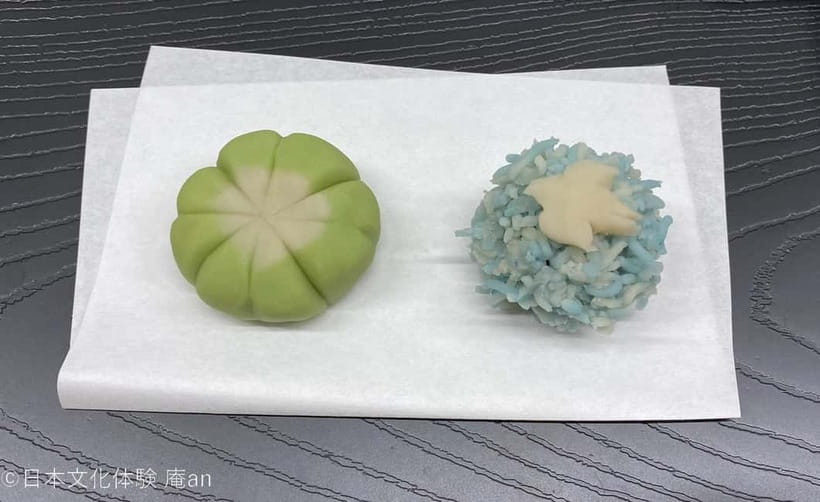
This is the heart of the workshop. You’ll make two seasonal sweets that match the time of year, and you’ll do it with bean paste in different shapes and stages.
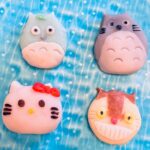
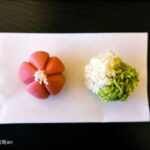
First comes the flower-shaped Nerikiri making. This is where you practice careful handling, because the paste needs to stay workable while still holding definition. The class then continues with the second sweet: Kinton Nerikiri.
One review specifically highlighted that Nerikiri can be tricky at first and you need a light touch. That tracks with what the technique demands. The paste is malleable, but it’s not “anything goes.” If you press too hard or move too fast, you can lose the crisp edges of the flower details. If you work slowly, you’ll usually get a shape that looks right and holds together.
Here’s how to make this part go smoothly: plan to slow down mentally. Don’t treat it like clay or frosting. Treat it like a sweet ingredient that has to stay at the right consistency while you shape it. If you ever feel stuck, it’s the exact moment to ask for guidance, because small corrections can fix big visual differences.
Once you finish, you’ll know why Nerikiri is so iconic. It’s not just about eating. It’s about how a sweet can look like a tiny seasonal artwork without needing to be overly complicated.
And yes, you do get to eat what you make. There’s a built-in eating/drinking time at the end, so you’re not leaving hungry or skipping the tasting.
Matcha grinding and a tea ceremony you can actually enjoy
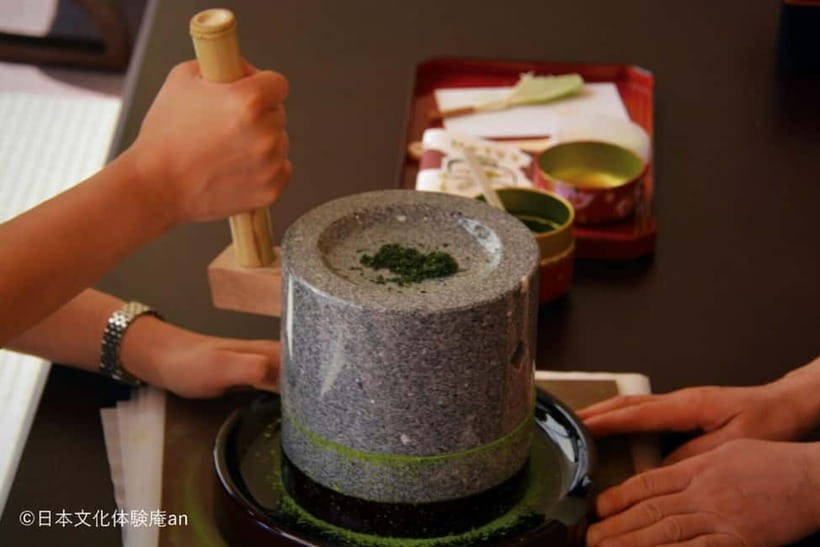
After sweets, you get a tea-focused segment that feels like a reset. The class includes an explanation about tea, then a matcha grinding demonstration.
This matters more than it sounds. Grinding is part of why matcha tastes like matcha. It changes how the tea feels on your tongue and how evenly the flavor distributes when you drink it. And because it’s guided, you’re not stuck guessing what you’re doing.
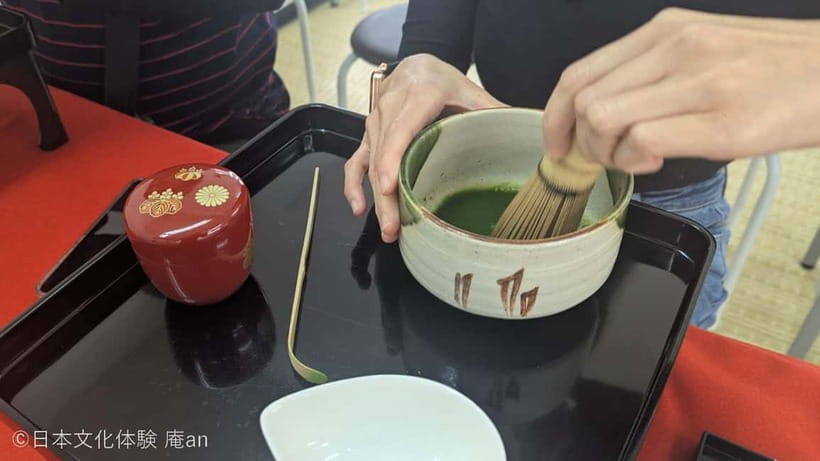
Then comes the tea-ceremony experience, described as a casual way to enjoy Japanese tea culture. That’s a good match for most first-timers. You get the ritual steps, but the tone isn’t stiff. The goal is to help you taste and understand, not to grade your posture.
One review mentioned that making and frothing the tea felt easy once it was explained. That’s the sweet spot for this class. Tea ceremony is often treated like something you need a background in. Here, you’re handed the basics, step by step, so you can participate right away.
There’s also an educational layer. The instructor explains background knowledge about different types of okashi and the difference between green tea and matcha. That kind of clarity helps after the workshop ends, because you can order with confidence rather than hoping for the best.
What you get at the end: tasting, optional add-ons, and value
You’ll finish with eating and drinking time, and then room departure about 10 minutes later. The whole experience is 125 minutes, which is a good length for hands-on making without turning into an all-day project.
Included in the price is the full set of experiences: the two types of Japanese sweets making and the tea ceremony. The price listed is $28 per person, and for what you do, that’s actually pretty sensible.
Why? Because most “food” experiences are either:
- watching plus tasting, or
- cooking with lots of time but not much culture context.
This one does all three in one session: you make Ohigashi, you shape two Nerikiri sweets, and you grind matcha and drink it in a guided ceremony. That combination is exactly what makes the price feel fair.
A few extras are optional:
- Take-out box: 100 JPY
- Adding color: 200 JPY
- Experience completion certificate: 300 JPY
If you want a clean souvenir, the take-out box is the main add-on. If you want your Nerikiri to look more decorative, color can be worth it. But if you just want the core cultural experience and taste, you can skip the extras and still leave with a lot.






Price and logistics in plain terms (so you plan well)
This class runs between 10:00 and 17:00. If you book for later in the day, start times may roll into the next day. It’s also set up so delays aren’t accommodated to keep the schedule moving.
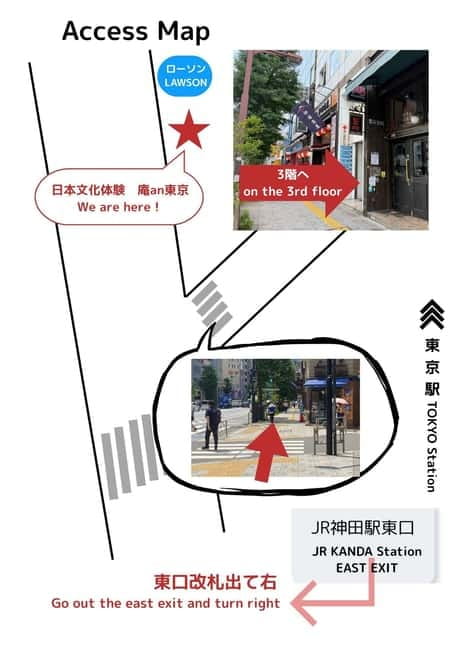
Meeting point is listed as AN TOKYO Japanese Culture Experience. If you’re the type who likes buffer time, I’d plan to arrive early. Not because it’s dramatic, but because Japanese classes typically run like clockwork once they begin.
English translation is provided as much as possible, and the instructor is Japanese. In practice, that means you should expect a mix of Japanese and supportive English guidance, especially for the steps you need most. One review praised the instructor’s English instruction and kindness, which is a strong sign the session won’t leave you lost.
Who this experience suits best
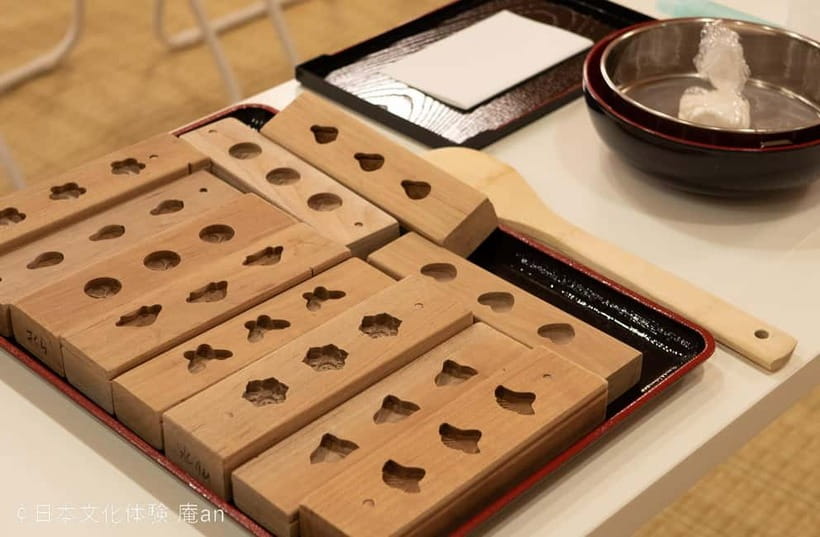
This workshop is ideal if you want something authentic but not complicated. If you’ve done museum tickets and standard tastings before, this gives you actual hands-on skills.
It also suits people who like structure. You’re not wandering through a market. You’re following a program that moves from sweets to tea, with breaks built in.
You’ll likely enjoy it if:
- you like food craftsmanship and want to understand why wagashi textures differ
- you’re curious about matcha beyond just ordering a drink
- you want a cultural activity that still feels approachable
It may be less ideal if:
- you hate any kind of shaping work and want everything to be purely observational
- you prefer very short experiences (this one is 125 minutes and includes breaks)
- you’re expecting zero fine-detail work; Nerikiri shaping does require some patience
Should you book this Japanese sweets and matcha class?
Book it if you want a single Tokyo activity that covers three big cultural anchors: wagashi (two types), seasonality in sweets, and matcha tea. The value comes from doing, not just tasting. You’ll leave knowing how Ohigashi and Nerikiri differ, and you’ll have a clearer idea of what matcha really is.
Skip it only if you’re strictly looking for a relaxed food walk or you don’t want to put your hands on anything at all. Otherwise, this is a smart pick for first-timers who want real skills and a meal-like tea experience at the end.
FAQ
How long is the Tokyo Japanese sweets and tea ceremony experience?
The experience lasts 125 minutes.
What Japanese sweets will I make during the class?
You’ll make dried-type sweets called Ohigashi and also make two seasonal Nerikiri sweets using white/red bean paste.
Do I get to grind matcha and participate in the tea ceremony?
Yes. There is a matcha grinding demonstration, and then you participate in a tea-ceremony experience.
Are there any extra costs beyond the $28 price?
Yes. Optional add-ons include a sweets take-out box (100 JPY), adding color (200 JPY), and an experience completion certificate (300 JPY).
Is English translation provided?
English translation is provided as much as possible. The instructor is Japanese, and English support is included when needed.
Can I cancel and get a full refund?
Yes. Free cancellation is available up to 24 hours in advance for a full refund.