REVIEW · TOKYO
Mt Fuji & Hakone Cruise, Drum Show Bus 1 Day from Tokyo
Book on Viator →Operated by JTB Global Marketing & Travel Inc. · Bookable on Viator
One day, two icons: Fuji and Hakone. This full-day coach tour strings together the big-picture highlights with Mt. Fuji 5th Station and a Lake Ashi cruise so you can see a lot without juggling trains and transfers. You’ll also get Hakone’s Komagatake ropeway ride for high-altitude views that sweep across the Hakone National Park area.
I like that it’s built for first-timers: air-conditioned round-trip bus service from Shinjuku, admission fees handled, and a guide interpreter fee included. The lunch option isn’t just food either. You get Japanese-style lunch at a hotel stop, plus a wadaiko drum performance that can add real local flavor to the middle of a long day. One drawback to plan for: time is tight at key viewpoints, especially Mt. Fuji 5th Station, so expect a quick look and lots of photo time rather than a long wander.
In This Review
- Key highlights worth knowing
- Why This Fuji-and-Hakone Day Trip Works When You’re Short on Time
- From Shinjuku to the Fuji Subaru Line: The Ride and What to Expect
- Mt. Fuji 5th Station: Torii, Souvenirs, and a 30-Minute Reality Check
- Lunch at Fuji Zakura Hotel and the Wadaiko Drum Performance
- Lake Ashinoko Sorakaze Cruise: A Short Escape with Big Views
- Hakone Komagatake Ropeway: The Summit View Push
- Return to Tokyo: Shinjuku Drop-Off and Staying Ready to Move
- Price and Value: Is $122.55 a Good Deal?
- Guides, Drivers, and the Difference Between a Tour and a Day Out
- Who Should Book This Tour (and Who Should Pass)
- Should You Book Mt. Fuji & Hakone Cruise Day Trip from Tokyo?
- FAQ
- How long is the Mt. Fuji & Hakone cruise day trip?
- Where do we meet, and where do we end?
- Is Mt. Fuji 5th Station included?
- What stops are included in the Hakone portion?
- Is lunch included?
- Are there dietary options for the lunch?
- What happens if Fuji-area roads or the ropeway can’t operate due to weather?
- Is there a cultural performance during the tour?
- Can I cancel for free?
Key highlights worth knowing
- Door-to-door bus comfort: heated and air-conditioned coach from Shinjuku keeps the day manageable
- Admissions included: fewer pay-at-the-gate surprises for major sights
- Lake Ashi Sorakaze cruise: a short, scenic break with Fuji and Hakone views
- Komagatake ropeway to the summit area: a real altitude jump for panoramic outlooks
- Optional Japanese lunch + wadaiko: cultural performance built into the meal stop
- Weather-based alternatives: the itinerary adapts if Fuji-area roads or operations close
Why This Fuji-and-Hakone Day Trip Works When You’re Short on Time
If you’re visiting Tokyo and want Fuji and Hakone without living on the commuter train schedule, this style of day trip makes sense. The tour is long—about 12 hours 35 minutes—but it stays organized with a single coach plan. That means less stress when you’re jet-lagged, and fewer “how do we get there again?” moments.
The best value here is what you don’t have to manage yourself. This tour bundles the transportation and major admissions so you can focus on the views and the moments. I also like the group size ceiling (up to 44), which is big enough to feel lively but not so huge that you lose your sense of order.
You should still know the big reality: Mt. Fuji visibility is weather-dependent. The tour won’t cancel if Fuji clouds in or winter conditions force road closures, but the stops may change. So you’re buying a guided route through Fuji and Hakone, not a guaranteed postcard view.
You can also read our reviews of more boat tours in Tokyo


From Shinjuku to the Fuji Subaru Line: The Ride and What to Expect
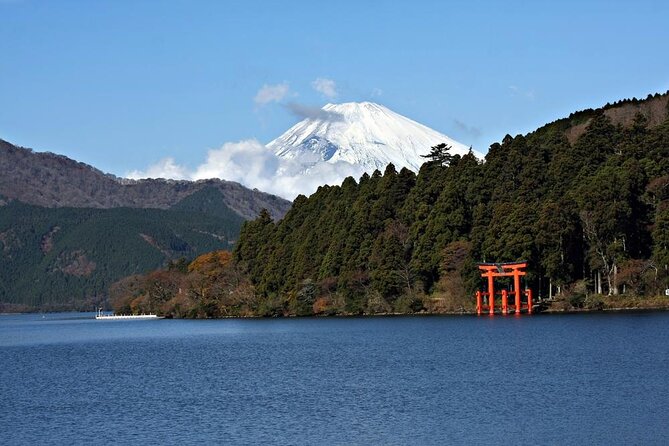
The day starts from a central pickup point in Nishishinjuku (JTB Sunrise Tours Sales Office) with a start time of 8:10am. From there, you’re on a heated/air-conditioned bus for the ride out of the city. This matters because Mt. Fuji-area temperatures can drop fast. Even in summer, temps may fall to about 14°C, and in winter it can be around -5°C. Bring layers. Your future self will thank you.
Also expect the day to run on local road logic. The itinerary times are estimates, and the order can shift due to road conditions and congestion. That’s normal in Japan, especially when you’re driving out of Tokyo toward mountainous areas.
A practical note: tours like this depend on being on time at departure. If you’re late, your reservation can be canceled. So if you’re staying in Shinjuku, give yourself extra buffer for trains, street crossings, and locating the meeting point.
Mt. Fuji 5th Station: Torii, Souvenirs, and a 30-Minute Reality Check
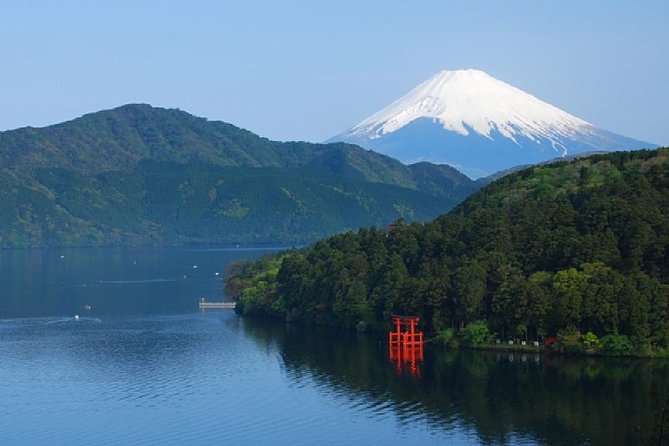
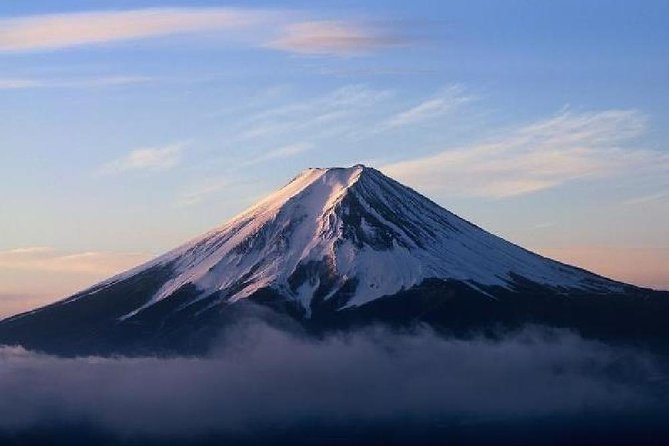
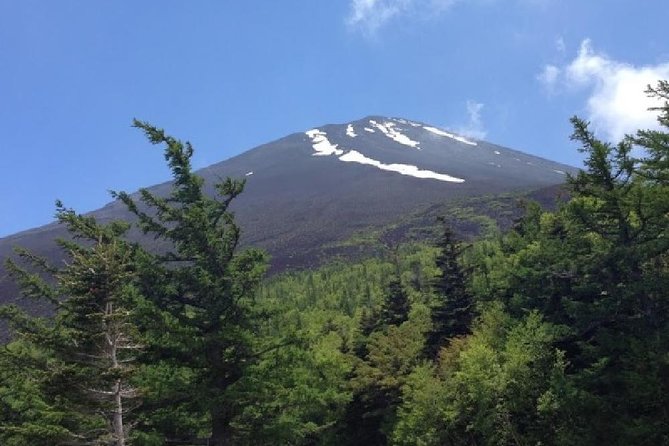
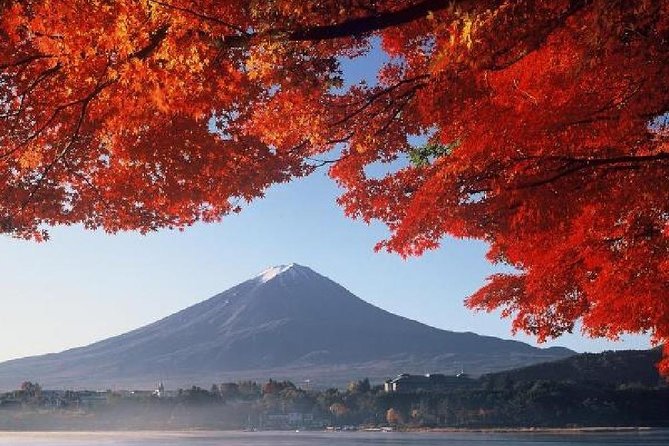
The main Fuji hit is Mt. Fuji 5th Station, reached at about 2,300 meters. You’ll spend around 30 minutes there, and it’s an important slice of the experience because it’s halfway up—high enough to feel like you’ve left the city behind, and iconic enough to match what people picture when they think Fuji.
What you’ll do in that short window is mostly a gentle wander: viewpoints, the souvenir area, and torii gates and shrines that mark Fuji’s spiritual symbolism. Think of it as a “touch the legend” stop rather than a hike.
Here’s the tradeoff. Several people felt the Fuji time window can be too short if you want to breathe slowly and explore nature at length. This tour is designed to cover several regions in one day, so the Fuji stop is timed to keep the rest of the route on track.
And then there’s the weather plan. If the Fuji Subaru Line is closed due to snow or freezing conditions, or if visibility isn’t expected from 4th/5th stations, the tour guides you to alternative Fuji-area facilities such as Fujisan Museum, Lake Kawaguchi Oishi Park, Fujisan World Heritage Center, Itchiku Kubota Art Museum, or Oshino Hakkai. You may not get the exact same Fuji moment, but you won’t be left with nothing.
Lunch at Fuji Zakura Hotel and the Wadaiko Drum Performance
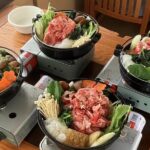
If you select with lunch, you’ll stop at Fuji Zakura Hotel for about 50 minutes. This is a real break in the middle of a long day, and it’s not just a quick meal stop. You’ll get a Japanese-style lunch with tea/coffee.
What I like here is the flexibility in meal types. You can choose vegetarian, Muslim-friendly, or Indian thali style. (Important detail: Muslim-friendly meals avoid pork and alcohol but are not halal certified.) Vegetarian meals are meat- and fish-free. If you have allergies or need gluten-free, the tour data says those options aren’t available, so the safest bet is to book the no lunch option and plan your own food.
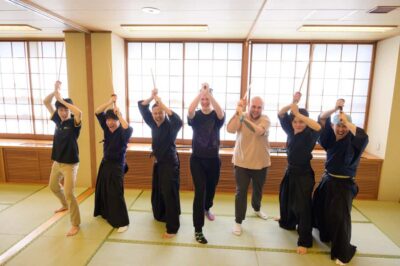
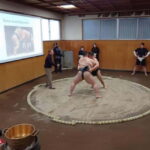
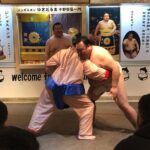
Now for the cultural bonus: at the lunch break area, there’s a wadaiko (Japanese drum) performance. It’s one of those additions that can make the day feel more local than just a sightseeing checklist. Still, don’t treat it like a sure thing. The tour may not be able to view the performance if arrival is delayed due to road conditions, and it can be canceled without notice depending on the facility. There’s also a specific exception: it will not be held on February 28, 2026.
If you choose no lunch, meals aren’t included. The tour notes there may be no convenient cafes or restaurants right at the lunch break area, so bring snacks and plan ahead if you don’t want to go hungry at the wrong time of day.
Lake Ashinoko Sorakaze Cruise: A Short Escape with Big Views
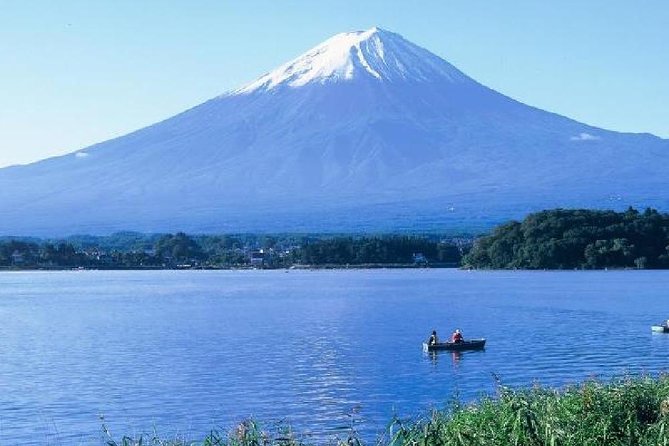
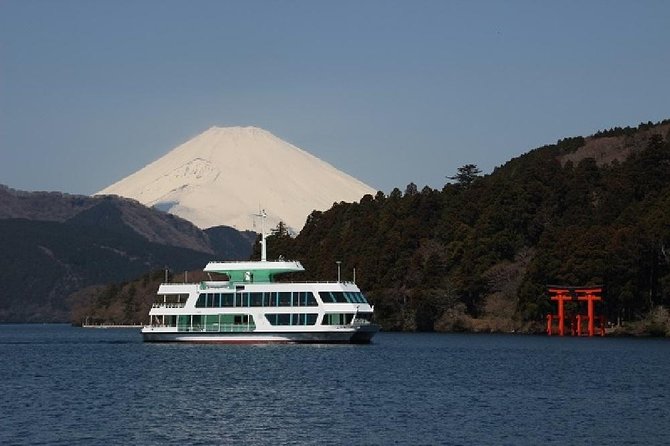
Next comes the calm part: Lake Ashinoko. You board the Sorakaze cruise ship and spend about 15 minutes on the water. It’s short, but that’s the point. You get a break from bus time and a framed view of Fuji and Hakone scenery across the lake.
This stop is built around the volcanic crater setting of Lake Ashinoko, which helps explain why the scenery feels dramatic even when you’re just floating for a quarter-hour. You’ll also see Mt. Komagatake and other distant peaks depending on weather.
One caution from the reality of group tours: some people felt the cruise could use more narration. In practice, that means you might spend the cruise mostly reading the scenery yourself through the windows rather than getting a running explanation. If that matters to you, keep expectations simple: this is a scenic pause, not a guided storytelling session.
You can also read our reviews of more tours and experiences in Tokyo



Hakone Komagatake Ropeway: The Summit View Push
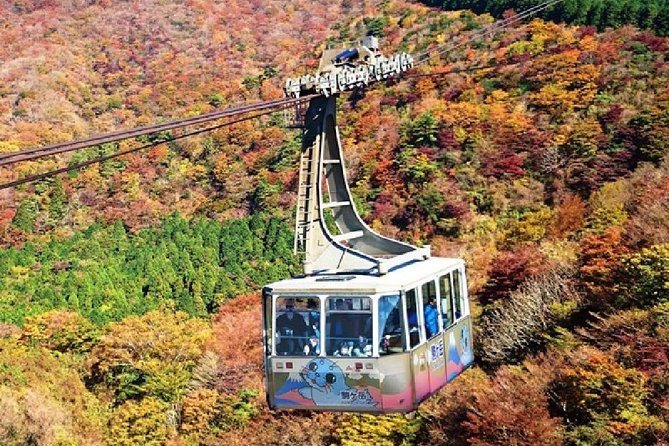
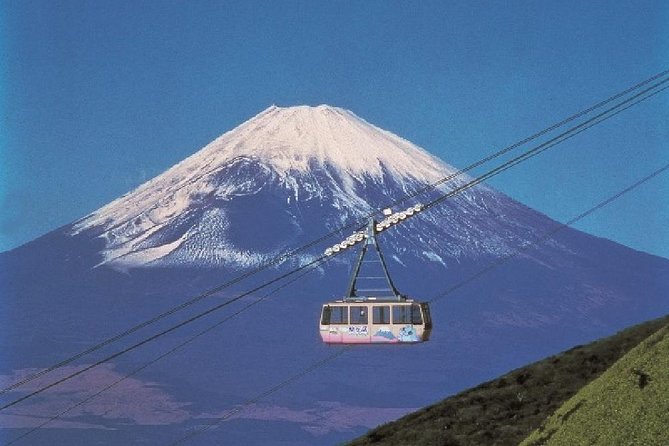
Then you head to Hakone Komagatake Ropeway, with around 50 minutes total at this stop. The ride is the big moment here, taking you upward by cableway to the mountain area where you’ll find Hakone Shrine Mototsumiya at the top region.
From the summit area, you can wander and look out over Hakone National Park views. The tour description also points to views that may include Mt. Fuji, the Izu Peninsula, and even Izu islands on clear days. That’s why people like this part even more than you might expect. It gives you a different angle from the lake.
As with Fuji, operations can change with weather. If the cruise or ropeway can’t operate, the itinerary provides alternative options (like Hakone Pirate Ship, a Hakone Ropeway option, or other scenic replacements such as Owakudani). The day stays active rather than stalling out, but your exact route may shift.
Return to Tokyo: Shinjuku Drop-Off and Staying Ready to Move
Your finish is back in Tokyo, typically between 6pm and 9pm when you arrive at Shinjuku Station (based on the option you selected). After you’re dropped off, you’ll make your own way onward.
Some booking options include an Odawara Station disembarkation. The tour notes the Odawara stop may only happen if customers booked that drop-off option in advance. If you’re planning onward travel that depends on Odawara, double-check your booking details so you’re not surprised at the end.
At the end of a long day, my advice is simple: don’t stack another activity immediately after arrival. Give yourself time to get dinner and decompress. You’ve been on the bus since morning, and that return window can stretch depending on road and congestion conditions.
Price and Value: Is $122.55 a Good Deal?
For the price point (about $122.55 per person), the real question is what’s bundled. This tour includes:
- round-trip air-conditioned and heated bus transportation
- a national government-licensed English guide interpreter fee
- other admission fees tied to the route
- optional lunch only if you choose it
- a mobile ticket
That’s solid value for a day that hits multiple far-flung regions. You’re not only paying for the drive. You’re also paying for admission handling and guided coordination.
Where value can feel lower is when weather blocks the main highlights. The tour won’t cancel due to bad weather, and refunds aren’t issued just because Fuji visibility or specific operations aren’t possible. That’s not unique to this tour. It’s how all Fuji-area planning works. But it’s still the key value risk to understand.
As a final note: some people called it a bit overpriced in their specific situation. Their point wasn’t the concept—it was when the day couldn’t deliver the main attractions and the replacements didn’t feel equivalent. If you’re visiting with only one shot at Fuji, you should plan for the chance you’ll experience the route even if the sky doesn’t cooperate.
Guides, Drivers, and the Difference Between a Tour and a Day Out
This tour lives or dies on execution, and you can feel that in how the day flows. Many people praised guides by name. I saw standout mentions like Nao, Hiro, Joe, Miko, Toshi, Ito San, and Marie. When a guide keeps energy up on long bus stretches and explains what to do at each stop, the day feels smoother even if the schedule is tight.
There were also a few negative guide experiences, including one complaint about a guide’s demeanor and another about the day feeling rushed. Translation: your experience can vary with the specific guide assigned. Still, the overall pattern is that organization and communication are strengths here, especially when weather forces changes.
Who Should Book This Tour (and Who Should Pass)
This is a strong pick if you:
- want a one-day plan for Fuji + Hakone without the public transport puzzle
- like coach comfort and organized pacing
- want a high-value itinerary with admissions handled
- enjoy guided explanations and don’t need long independent time everywhere
It may be a poor match if you:
- want a long, slow exploration at Mt. Fuji 5th Station (this stop is about 30 minutes)
- hate the idea that weather can swap out major activities
- are expecting a heavily narrated, long-duration cruise experience (the lake cruise is about 15 minutes)
- get stressed when you have to move quickly between stops
If your main goal is a deep hike or a long viewpoint session, you may be happier with a slower, more flexible Fuji/Hakone plan that gives you more control.
Should You Book Mt. Fuji & Hakone Cruise Day Trip from Tokyo?
Book it if you want the practical “best of the area” approach: a coordinated bus day with major stops like Mt. Fuji 5th Station, Lake Ashinoko, and Hakone Komagatake Ropeway, plus optional lunch with a wadaiko performance. It’s built for people who want maximum sightseeing with minimal logistics.
Pause before booking if you’re the type who will feel upset when Fuji isn’t visible or when operations change. Since the tour does not cancel for weather and substitutions may replace headline moments, bring a flexible mindset.
My call: this is a good value day for most first-timers to Japan’s Fuji/Hakone region—just go in expecting a guided route through the highlights, not a guaranteed sky show.
FAQ
How long is the Mt. Fuji & Hakone cruise day trip?
The tour runs about 12 hours 35 minutes, with departure at 8:10am and return to the Tokyo area in the evening.
Where do we meet, and where do we end?
You start at the JTB Sunrise Tours Sales Office in Nishishinjuku (Shinjuku, Tokyo). You end back in a different location depending on your option, with Shinjuku Station as the typical drop-off.
Is Mt. Fuji 5th Station included?
Yes. The tour visits Mt. Fuji 5th Station for about 30 minutes, reaching it via the Subaru Line or the highest accessible point.
What stops are included in the Hakone portion?
You’ll visit Lake Ashinoko for a short cruise and then ride the Hakone Komagatake Ropeway (about 50 minutes) to the summit area.
Is lunch included?
Lunch is included only if you choose the with lunch option. The meal is at Fuji Zakura Hotel for about 50 minutes, and it comes with tea/coffee.
Are there dietary options for the lunch?
Yes. The tour lists vegetarian, Muslim-friendly, and Indian thali meal options. Allergy-friendly and gluten-free meals are not available, so the no-lunch option may be safer if you have strict dietary needs.
What happens if Fuji-area roads or the ropeway can’t operate due to weather?
The tour guides you to alternative facilities if Fuji access or operations are affected, and it provides alternative activities if the cruise/ropeway can’t operate. The tour may not be canceled and refunds are not issued for these weather-based changes.
Is there a cultural performance during the tour?
If you choose the lunch option, there is a wadaiko (Japanese drum) performance at the lunch break area. It may not be viewable if arrival is delayed, and it can be canceled without notice depending on circumstances.
Can I cancel for free?
Yes. You can cancel up to 24 hours in advance for a full refund. If you cancel less than 24 hours before the start time, the amount paid isn’t refunded.