REVIEW · TOKYO
Japanese Food Cooking Class in Asakusa, Tokyo
Book on Viator →Operated by Sushi Making Tokyo Cooking Class in Japan · Bookable on Viator
Sushi and matcha in one tidy afternoon. In Asakusa, you get step-by-step sushi teaching and traditional matcha whisking in a class that’s fun, practical, and easy even if you’ve never cooked Japanese food before. The only real drawback: it takes about 3 hours, so if you want a quick walk-by experience, this is more hands-on than casual sightseeing.
This is set up as a no-stress, small-group lesson near Sensoji Temple, one of Tokyo’s most atmospheric areas to wander. You’ll be working with fresh ingredients, using an English-speaking instructor, and eating what you make at the end of the session.
In This Review
- Quick highlights: matcha and sushi, done the right way
- Why Asakusa sushi and matcha is a smart Tokyo stop
- Matcha making in an hour: what you’ll actually do
- Sushi class time: rolling maki and shaping nigiri
- Small-group attention (max 15) and English guidance that helps
- Price check: what $85.87 buys you in Tokyo
- Where it starts in Kaminarimon, and how to plan your time
- What kind of traveler will love this class
- Realistic expectations: how the class feels moment to moment
- Should you book this Asakusa matcha and sushi class?
- FAQ
- How long is the Japanese food cooking class in Asakusa?
- Where does the class meet?
- Is there hotel pickup or drop-off?
- Do I need any cooking experience?
- What’s included in the price?
- Is the ticket mobile?
- How big is the class group?
- What is the cancellation policy?
Quick highlights: matcha and sushi, done the right way
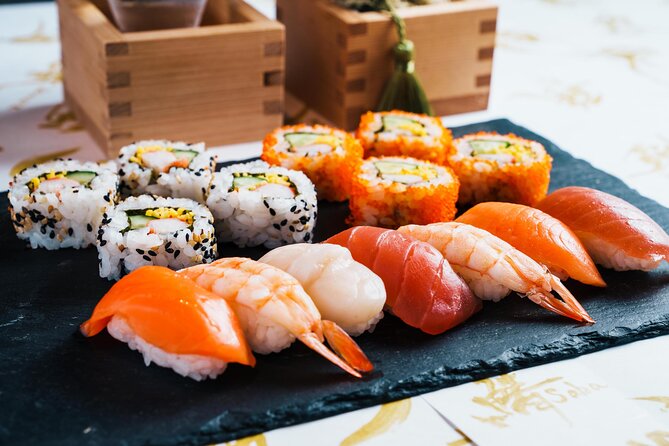
- Two classic skills in one class: matcha whisking plus sushi making (not just sushi photo time).
- Small group size: a maximum of 15 travelers means more attention while you roll and shape.
- Maki and nigiri focus: you’ll make sushi types that go beyond plain roll-making.
- English guidance throughout: step-by-step support for beginners.
- Instructors known for patience and humor: people specifically mention teachers such as Jun and Kazu.
- You eat what you make: the meal is included, so you’re not just watching.
Why Asakusa sushi and matcha is a smart Tokyo stop
Asakusa is one of those Tokyo neighborhoods where you can feel tradition in the streets, not just in museum labels. The big draw is the Sensoji area, and this class slots in perfectly when you’re already there and hungry for something more than snacks and souvenirs.
What I like most is the pacing. You’re not asked to do everything at once. First you learn matcha whisking, then you move into sushi making with the same instructor-style approach: clear instructions, working together, and corrections while you’re actually shaping the food. That matters because sushi can look simple until you try it.
This also has real value for visitors who don’t want to spend time figuring out shopping lists, kitchen tools, or messy trial-and-error. For about $85.87 per group (up to 1), you’re paying for structure: ingredients provided, an instructor guiding you in English, and a meal that closes the loop.
You can also read our reviews of more food & drink experiences in Tokyo



Matcha making in an hour: what you’ll actually do
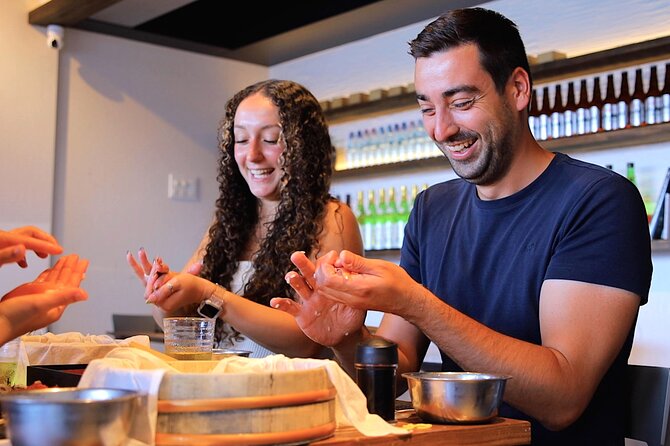
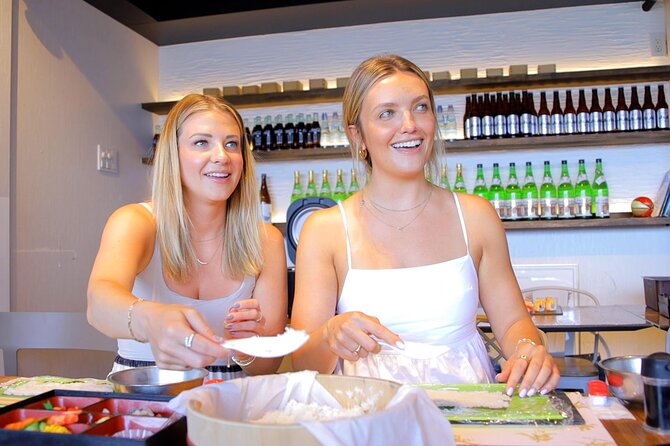
The first part is a matcha making class that runs about 1 hour. Expect to learn the Japanese tea basics behind the ritual—how matcha is prepared and how to whisk it the traditional way. Since the class includes the ingredients and a meal, the matcha portion isn’t just a lecture. It’s hands-on, and you should walk away understanding what makes a correctly whisked cup of matcha different from the instant or diluted stuff you might find elsewhere.
A useful way to think about matcha lessons: it’s not only a drink here. It’s a skill. The technique influences texture and how the tea feels in your cup. Even if you don’t become a matcha expert, you’ll get a repeatable method you can try again later at home.
One more practical point: matcha is a strong flavor. If you’re cautious about bitter tastes, start the class mentally ready to sample and adjust how much you use in your cup. The upside is that you’ll at least know what you’re tasting and why people love it.
Sushi class time: rolling maki and shaping nigiri
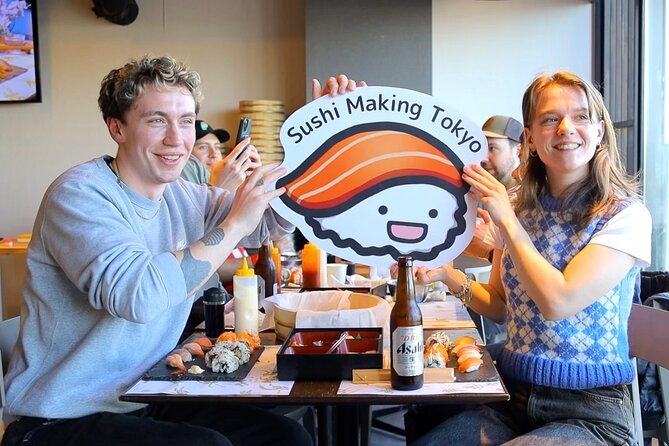
The second stop is the bigger one—sushi making for about 1 hour and 40 minutes. This is where the class earns its reputation. The teaching style is described as patient and step-by-step, with instructors like Jun specifically noted as knowledgeable and careful, and Kazu praised for clear instructions that work well even for less confident cooks.
Here’s what this portion generally means for you in real terms:
- You’ll prepare sushi using fresh ingredients and the method the instructor is teaching in real time.
- You’ll make multiple sushi types, including maki (rolled sushi) and nigiri (hand-formed pieces).
- You’ll get feedback while you work, not after the fact. That’s the difference between learning a technique and just copying a final result.
Why this is worth doing in Asakusa instead of DIY at home: sushi is detail-heavy. Rice handling, seasoning, and forming all affect the final feel. When someone corrects your rice spread or your grip while you’re still in the middle of making it, you actually absorb the technique.
Also, the class doesn’t treat sushi as a single trick. People describe the instruction as covering both the history of sushi and how to make it. That makes the meal more than just food. You’ll understand the why behind what you’re doing, which makes the whole experience stick.
And at the end, you get to eat what you made. That sounds obvious, but it’s a big deal. Many cooking classes stop at cooking; this one is built so you leave with a full “done right” outcome and not just a half-finished plate you feel you still need to doctor.
Small-group attention (max 15) and English guidance that helps
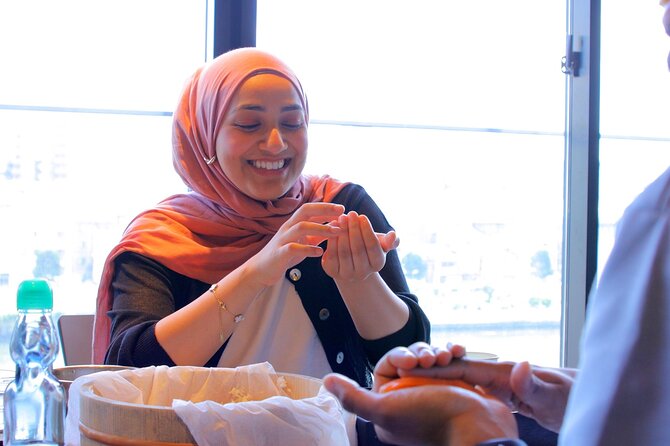
The class runs with a maximum of 15 travelers. That’s a comfortable size for a cooking activity. You’re close enough to see what the instructor is doing, and small enough to get corrections when something isn’t right.
The other practical advantage is the English-speaking instructor. Sushi and matcha have terminology, and Japanese cooking has rhythm—timing, grip, how you move. When the guidance is in English and delivered step-by-step, you spend less time translating in your head and more time learning what actually works.
From the feedback, instructors are often described as friendly, funny, and patient. That matters because cooking classes can feel stressful if you’re worried about messing up. When the tone stays light, you’re more likely to try, adjust, and improve during the lesson instead of freezing up.
Price check: what $85.87 buys you in Tokyo
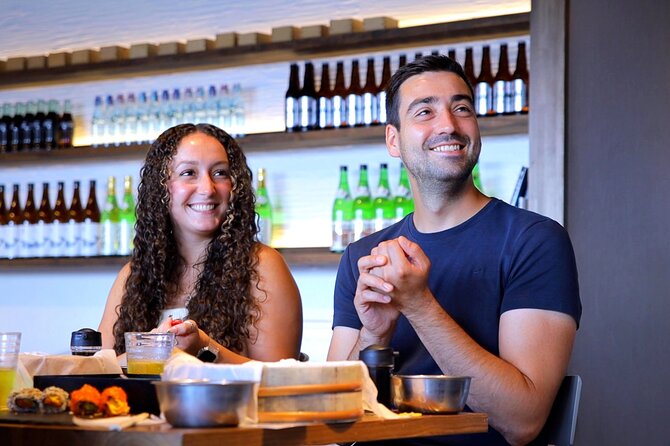
Let’s talk value in plain terms. This experience is priced at $85.87 per group (up to 1), and it lasts about 3 hours total. That price covers several things that add up if you try to recreate them alone:
- Instruction in English (so you’re not guessing technique)
- Ingredients for the class
- A meal based on what you make
- Admission tickets included for both matcha and sushi portions
In Tokyo, the cost of a “hands-on skill” experience is usually higher than a casual food tour because it includes labor and materials. Here, you’re also paying for a guided setup in a real neighborhood, near Sensoji, instead of taking multiple taxi rides and buying ingredients you’ll never use again.
Is it cheaper than buying sushi from a restaurant? Yes, obviously. Is it cheaper than buying a few ingredients and hoping you learn the technique from videos? Not really, because you’re also paying for feedback and structure.
If you care about learning a craft you can repeat—matcha whisking and sushi basics—this pricing often feels fair. If you only want to eat, and you’d rather spend your money on food you don’t make, you may prefer a different kind of food experience.
You can also read our reviews of more tours and experiences in Tokyo


Where it starts in Kaminarimon, and how to plan your time
The meeting point is at 2-chōme-17-9 Kaminarimon, Taito City, Tokyo 111-0034, Japan. The class ends back at the same meeting point.
This area matters because it’s near the famous Sensoji Temple, and that makes scheduling easy. A good approach is to plan your day so you’re already in the neighborhood. Go for a morning or early afternoon walk, let your feet work up an appetite, and then use the class as your structured break and dinner (or a very substantial meal time).
A few logistics notes that are worth your attention:
- No hotel pickup or drop-off is included, so you’ll want to navigate to the meeting point yourself.
- It’s near public transportation, but cooking classes still punish last-minute rushing. Arrive a bit early so you can check in calmly.
- You’ll receive a confirmation within 48 hours (subject to availability), which usually helps you lock in your schedule without guessing.
If you like flexibility, this is also easy to hold and adjust. The activity has free cancellation up to 24 hours in advance for a full refund, so you can be a little brave with your itinerary timing.
What kind of traveler will love this class
This is the kind of experience that fits a lot of styles, but it’s especially strong for:
- Beginners who want clear instruction: no experience is needed, and the class is designed for you to succeed.
- Foodies who like technique: sushi isn’t just taste here; it’s rice handling and shaping, taught step-by-step.
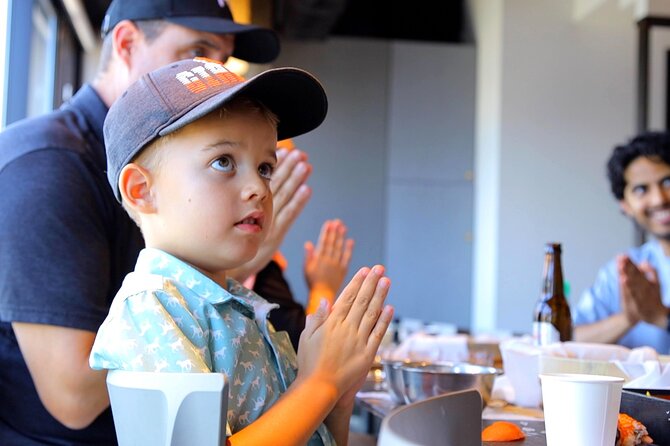
- Families: one of the standout themes is that it works well for kids. Clear guidance and an end result that kids are excited to eat makes the whole thing feel like more than a classroom.
- People traveling with friends who want a shared activity: you’ll be hands-on together, and everyone leaves with something to show for it.
If you’re someone who doesn’t like doing anything messy or hands-on, sushi making will require a mindset shift. Expect some sticky moments and time spent building skills. Also, matcha’s flavor isn’t mild, so be mentally prepared for that strong tea taste.
Realistic expectations: how the class feels moment to moment
Even without seeing it firsthand, you can predict the rhythm:
- You start with matcha basics and the traditional whisking approach.
- You then move into sushi prep where the instructor walks you through what to do and checks your progress.
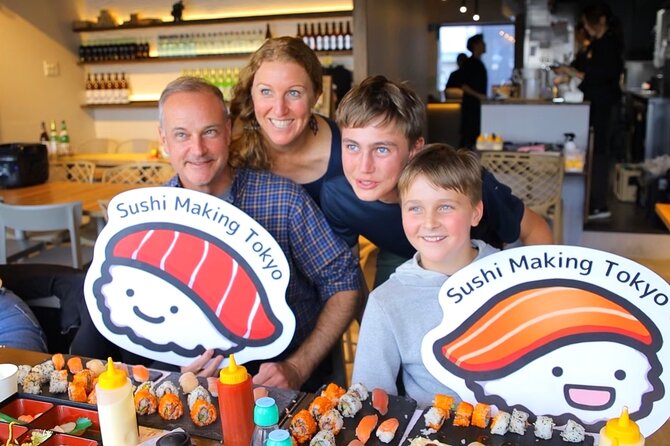
- You make sushi you can actually eat, and the class closes with your meal.
The tone is described as friendly and encouraging, not stiff. People call out the instructors’ patience and a fun atmosphere, including teachers being funny. That’s important in a class like this because sushi is detail-focused, and details can feel frustrating if the environment is strict.
And because the group is capped at 15, the instructor can keep an eye on most people without you feeling like you’re stuck waiting your turn.
Should you book this Asakusa matcha and sushi class?
Book it if you want a Tokyo experience that mixes a real neighborhood setting with hands-on skill. You’re paying for English instruction, ingredients, and a meal, and you’ll take home techniques you can repeat—matcha whisking and core sushi fundamentals like making maki and nigiri.
Consider skipping it if you’re short on time and want pure sightseeing, or if you’d rather spend your budget on restaurant food than learning a craft. Also consider your matcha tolerance if you dislike bitter green tea flavors, even though you’ll learn the technique behind it.
FAQ
How long is the Japanese food cooking class in Asakusa?
It’s approximately 3 hours total, with about 1 hour for matcha making and about 1 hour 40 minutes for sushi making.
Where does the class meet?
The meeting point is 2-chōme-17-9 Kaminarimon, Taito City, Tokyo 111-0034, Japan.
Is there hotel pickup or drop-off?
No, hotel pickup and drop-off are not included.
Do I need any cooking experience?
No experience is needed. The instructor guides you step by step in English.
What’s included in the price?
English speaking instruction is included, along with the ingredients for the class and meal. Admission tickets are included for both matcha making and sushi making parts.
Is the ticket mobile?
Yes, it features a mobile ticket.
How big is the class group?
There’s a maximum of 15 travelers.
What is the cancellation policy?
You can cancel for a full refund up to 24 hours before the experience’s start time.