REVIEW · TOKYO
Tokyo: Matcha Making Experience with Mochi Sweets in Asakusa
Book on GetYourGuide →Operated by Sushi Making Japan | Cooking Class in Japan · Bookable on GetYourGuide
Whisking matcha takes about an hour. In Asakusa, you’ll do hands-on matcha whisking and learn the story behind it through a matcha history quiz, then finish by drinking what you made with Japanese sweets. I like that it’s beginner-friendly and actually practical, and I also like the fact that English-speaking instructors keep it fun and easy to follow (I saw names like Ken and Mana pop up again and again in different sessions).
One possible drawback: this is more of a short, guided lesson than a full, multi-hour traditional tea ceremony with long kneeling steps.
In This Review
- Key takeaways before you go
- Asakusa Matcha Made Easy: Right by Asakusa Station
- The 1-Hour Flow: What You Actually Do in the Class
- The Matcha Quiz That Keeps Learning Fun and Clear
- Whisking Matcha Like a Tea Master: Tools, Technique, and Timing
- Drinking Your Own Matcha with Japanese Sweets
- The Tea Etiquette Piece: Small Rules That Make It Feel Real
- English-Speaking Hosts Keep the Class Comfortable
- Price and Value: Is $22 Worth It in Asakusa?
- Who This Works Best For (And Who Might Want Another Option)
- Practical Tips for Your Matcha Class in Tokyo
- Should You Book Matcha Making Tokyo in Asakusa?
- FAQ
- How long is the matcha making experience?
- Do I need prior experience with matcha or tea ceremonies?
- Is the class offered in English?
- Where do I meet for the class?
- What is included in the price?
- Is hotel pickup or drop-off included?
- Is it flexible to change your plans?
Key takeaways before you go
- 1 minute from Asakusa Station: easy start without getting lost in the shopping streets
- Quiz-based matcha history: you’ll learn why matcha matters without feeling like it’s school
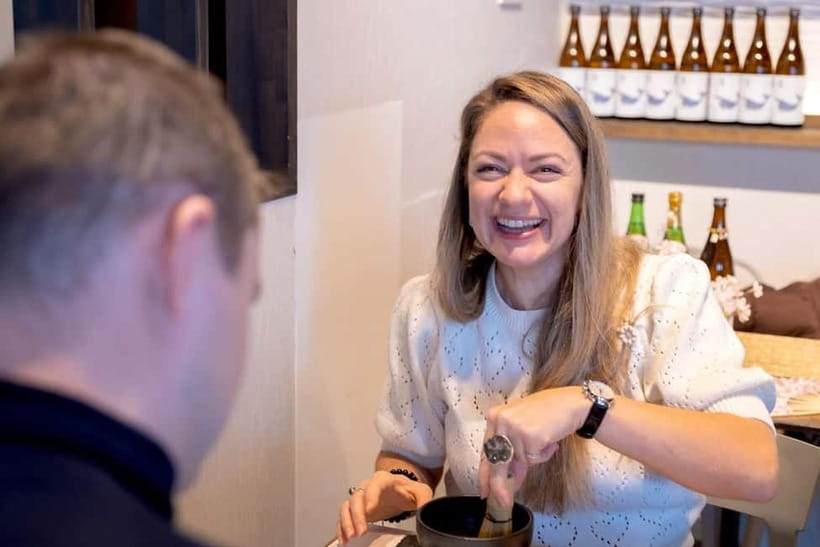
- You whisk the matcha: real tools, real technique, real tasting
- Drink + Japanese sweets: including mochi-style sweets that pair with the tea
- English-speaking instruction: helpful for solo visits and mixed groups
- Flexible format: a seated setup means you don’t have to do traditional kneeling to participate
Asakusa Matcha Made Easy: Right by Asakusa Station
Asakusa is where Tokyo starts to feel traditional. And the best part? This matcha class is set up so you don’t waste your energy on logistics. Your meeting point is listed as about 1 minute from Asakusa Station, at Relink KAMINARIMON building 6F, so you can arrive, check in, and get into the lesson quickly.
The location also helps the day flow. If you’re already planning a morning around Senso-ji and the old-street area, this fits cleanly as a food-and-culture stop. If you’re near Tokyo Skytree, it’s also a convenient way to add something local without hopping across town again.
You can also read our reviews of more tours and experiences in Tokyo


The 1-Hour Flow: What You Actually Do in the Class
This experience runs about 1 hour, which is a sweet spot. Long enough to learn technique and taste your results, short enough that it won’t bulldoze the rest of your Tokyo plans.
Here’s the typical rhythm you should expect:
- Welcome and setup: you’ll get oriented and learn what you’ll be making
- Interactive matcha history quiz: light, friendly questions that teach the basics
- Demonstration of the tools and method: how to whisk matcha properly
- Your turn: you make your own matcha using traditional tools
- Tasting: you drink the matcha and eat Japanese sweets served alongside it
- Wrap-up: time to ask questions and enjoy the final taste together
You’re not just watching. You’re doing. That’s why this kind of class feels worth it: you go home with at least one skill you can repeat, not just photos.
The Matcha Quiz That Keeps Learning Fun and Clear
I love lessons where the teaching doesn’t feel like a lecture. The matcha quiz is a smart way to do that. Instead of memorizing facts, you get answers in a way that’s built for real conversation and quick recall.
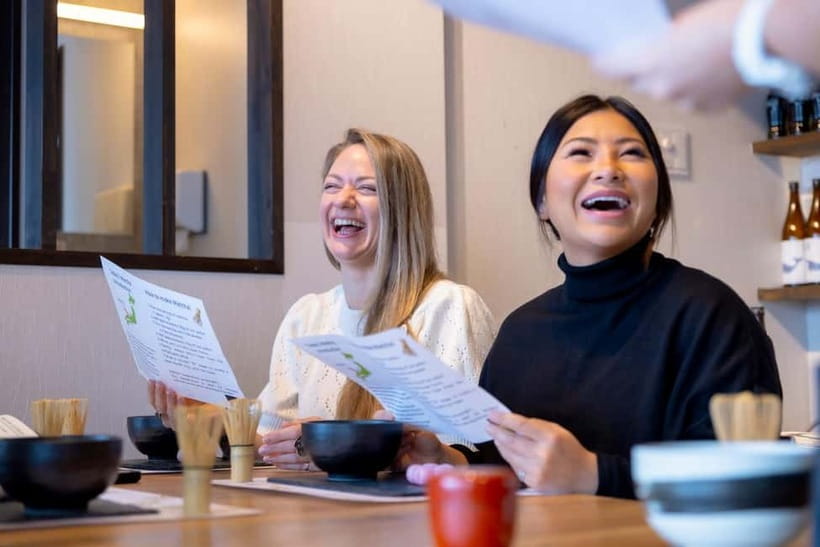
From the way the class is described, you’ll cover matcha basics and its role in Japanese tea culture. And the tone matters here: instructors are described as funny, personable, and interactive. People mention instructors like Ken, Hiho (spelled different ways in messages), and Mana for being engaging—so you should expect a classroom vibe that stays relaxed.
If you’re traveling with kids or you just don’t want anything too serious, this part is a win. A quiz also means you’ll start thinking about what you’re tasting before the matcha arrives.
Whisking Matcha Like a Tea Master: Tools, Technique, and Timing
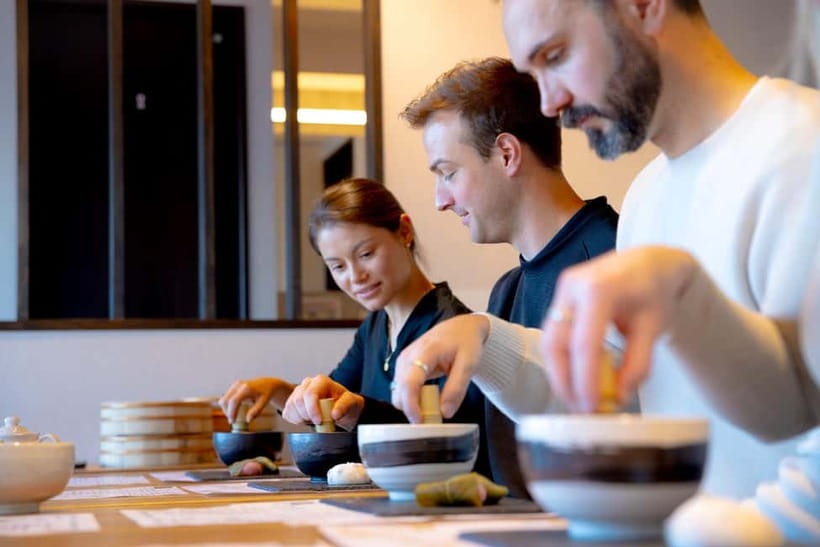
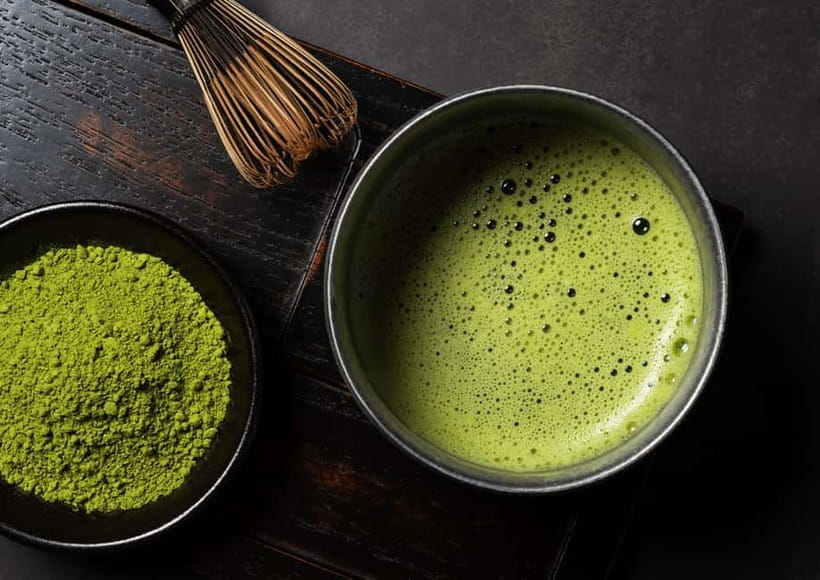
This is the core moment: you whisk your own matcha. You’ll use traditional tea-making tools, not just a modern shortcut. That means you learn the method that gives matcha its texture—especially that frothy, smooth surface you’re aiming for when you do it right.
The class is designed so no prior experience is needed. You’ll get English guidance step-by-step, and instructors handle the details so beginners don’t stall out. Multiple participants specifically mention clear instruction and a calm pace, including a seated setup.
One practical thing to keep in mind: technique matters more than you’d think. If your whisking is too rough or too slow, the tea won’t look or taste quite the way it should. The class helps you correct that in real time, which is hard to do if you only read about it later.
Drinking Your Own Matcha with Japanese Sweets
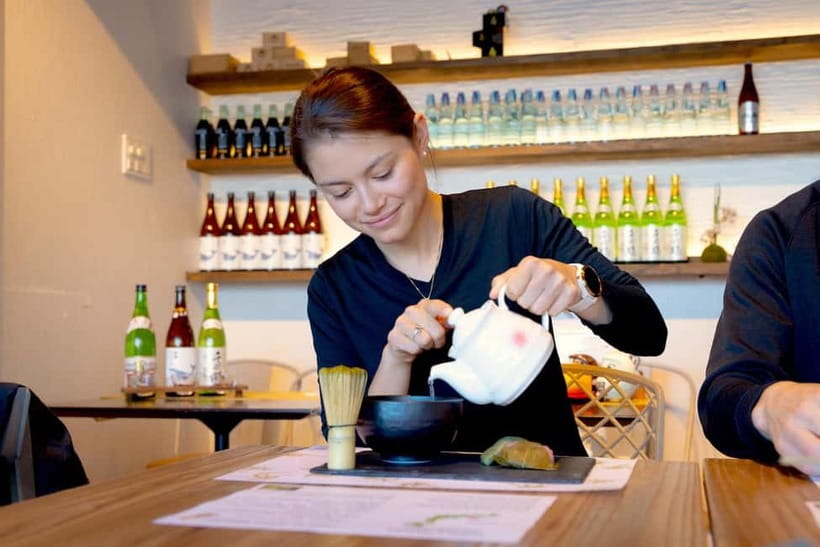
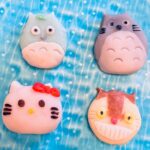
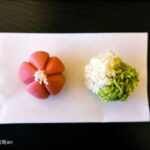
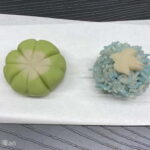
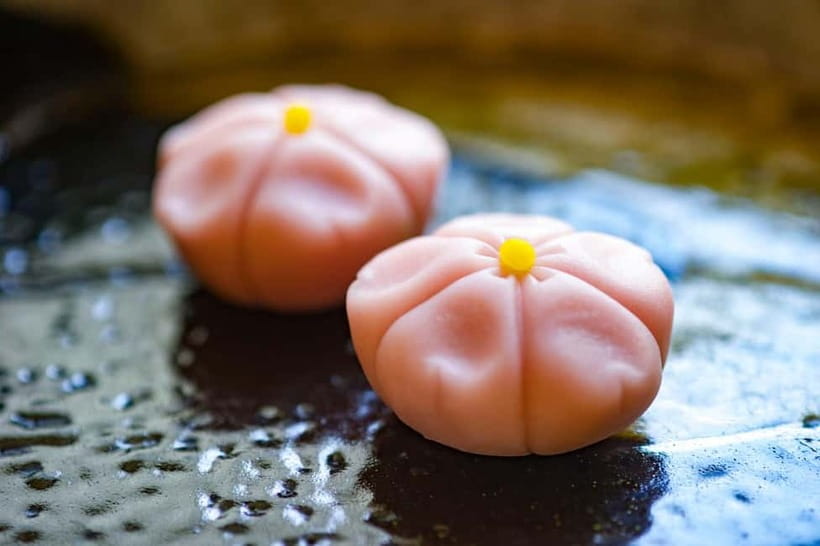
You won’t just make matcha and leave it at that. You drink what you prepared, and you eat Japanese sweets alongside it. The menu emphasis in the description points toward mochi-style sweets, which makes sense for the pairing.
Here’s why this matters: matcha has a distinct profile—earthy, grassy, and not automatically sweet. Mochi-style sweets and other Japanese wagashi help soften that edge without hiding it. So you get to taste matcha in a more complete way, not just as a plain drink.
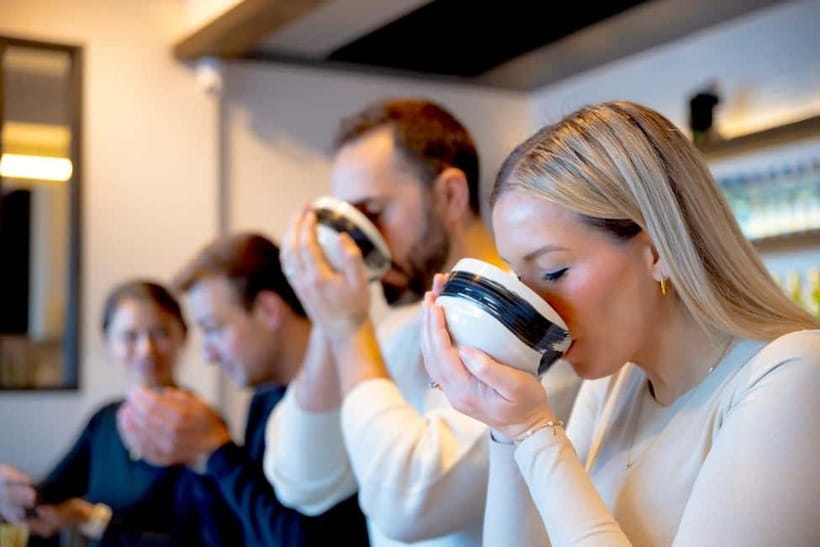
People also mention the pairing as genuinely delicious, not a token snack. That detail is worth paying attention to because a class that includes a good tasting often teaches you more. You learn how the flavor changes when sweets enter the equation, and you start understanding how tea culture is tied to food.






The Tea Etiquette Piece: Small Rules That Make It Feel Real
Even in a short class, you should pick up at least a few etiquette points. Some participants mention learning tea ceremony etiquette as part of the explanation.
In practice, etiquette here isn’t about perfection. It’s about awareness:
- how to hold or approach the tools
- why serving and tasting are treated with care
- why the experience has structure, even when the tone is light
When you understand the purpose behind the steps, it’s easier to remember what to do later. You also avoid the common mistake of treating matcha like instant powder in hot water.
English-Speaking Hosts Keep the Class Comfortable
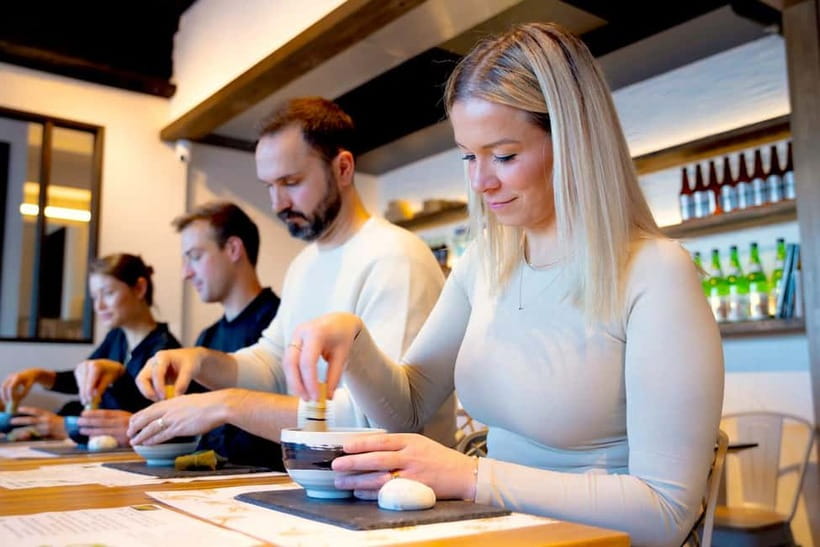
The class is run in English, which is a big deal in a hands-on activity. You’ll hear explanations while you’re actively working, not just at the beginning. That helps you correct mistakes on the spot.
Also, it helps that people describe the hosts as warm, funny, and attentive. Names that show up repeatedly include Ken, Mana, Hayato, Honoka, Midori, Yui, and Rino (spelling varies slightly). Even if the specific instructor changes with the date, the teaching style sounds consistent: friendly, energetic, and patient when you’re whisking for the first time.
If you’re solo, that social factor can be surprisingly valuable. A guided class gives you something to do with other people without forcing awkward small talk all day.
Price and Value: Is $22 Worth It in Asakusa?
At $22 per person for about 1 hour, this is priced like a focused activity, not a big production. What makes the value feel reasonable is that the class includes:
- the cooking class itself
- ingredients
- an instructor
That means you’re not paying extra for the food you make. And because the session is short, you’re not buying a huge time block that competes with other Asakusa plans.
One more value angle: matcha making equipment and supplies aren’t cheap. Even if you don’t purchase anything afterward, you’ll learn enough technique that it’s easier to decide whether you want to buy gear later. Some participants mention there can be a chance to buy matcha-making equipment after the class, so you might leave with an upgrade if you’re hooked.
Who This Works Best For (And Who Might Want Another Option)
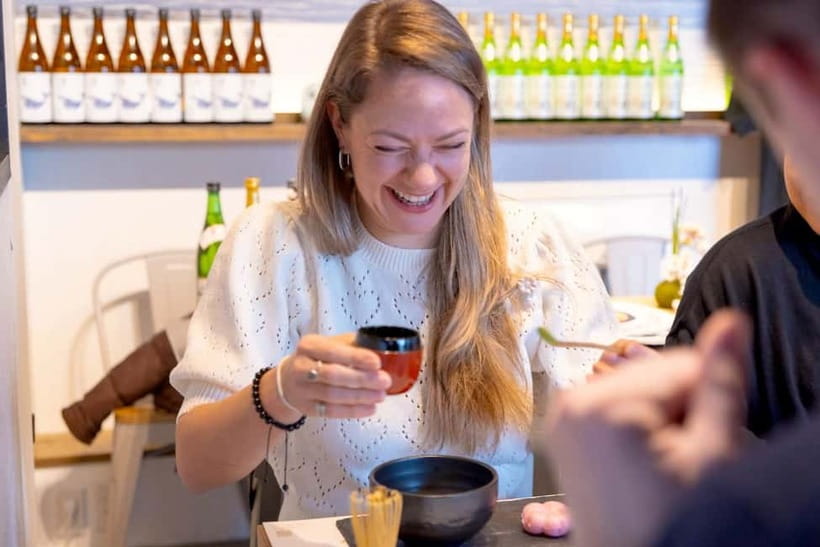
This class is especially a fit if:
- you’re new to matcha and want clear instruction
- you want a short cultural food activity in Asakusa
- you like hands-on experiences more than museum-style learning
- you’re traveling with kids or a mix of ages (a seated format is mentioned as helpful)
- you want an activity that works for solo time without isolating you
You might consider a different tea experience if you want:
- a longer, traditional ceremony format with extended kneeling steps
- a deep, multi-course tea program
But for most people, the mix of history, technique, and tasting in one hour is the sweet spot. It gives you something concrete without eating half your day.
Practical Tips for Your Matcha Class in Tokyo
A few small moves will make the hour smoother:
- Arrive a few minutes early. The meeting point is close, but you still want time to find the right floor and check in calmly.
- Go in with curiosity, not pressure. Your first whisking won’t be perfect. That’s the point of the lesson.
- Taste slowly once you sit down. Matcha changes as it settles, and the sweetness pairing makes the differences easier to notice.
- Ask questions while you work. If something feels off with texture or flavor, that’s when instructors can fix it fastest.
- Think about repeatability. The real win is leaving with technique you can use again later at home.
If you’re already doing Asakusa sightseeing, plan this as a mid-day or early-afternoon reset. It’s a food-focused break that still feels cultural.
Should You Book Matcha Making Tokyo in Asakusa?
If you want a fun, structured matcha experience that combines a quick history lesson, hands-on whisking, and a tasting with Japanese sweets, book it. The value is strong for $22 because the session includes ingredients and you actually make and drink what you learn.
I’d especially recommend it if you prefer English instruction, you’re short on time, or you want an activity that feels authentic without requiring advanced tea knowledge. The one thing to double-check in your own mind is whether you’re looking for a short guided class or a long, ceremonial performance. If you want the former, this hits the mark in Asakusa.
FAQ
How long is the matcha making experience?
The class lasts about 1 hour.
Do I need prior experience with matcha or tea ceremonies?
No experience is needed. The instructors guide you step-by-step.
Is the class offered in English?
Yes. The instructor communicates in English.
Where do I meet for the class?
You meet at Relink KAMINARIMON building 6F, about 1 minute from Asakusa Station.
What is included in the price?
The price includes the cooking class, ingredients, and the instructor.
Is hotel pickup or drop-off included?
No. Hotel pickup and drop-off are not included.
Is it flexible to change your plans?
You can cancel up to 24 hours in advance for a full refund, and the offer includes reserve now & pay later.