REVIEW · TOKYO
Mt Fuji and Hakone 1-Day Bus Tour Return by Bullet Train
Book on Viator →Operated by Japan Panoramic Tours · Bookable on Viator
One day can hit Fuji and Hakone. This is a packed 11-hour day trip that uses a deluxe bus for the long stretches, adds a professional English-speaking guide, and then gets you back to Tokyo via Shinkansen so you don’t lose your whole evening to transfers.
I also like that Hakone isn’t just a bus stop. You get two signature rides—Hakone Ropeway and the Lake Ashinoko cruise—plus multilingual audio support if you want to follow along at your own pace.
One big consideration: the day depends on conditions. Strong wind or closures can cancel the ropeway or boat, and the schedule may switch to alternatives, so plan for the possibility that not every activity runs exactly as advertised.
In This Review
- Key highlights you’ll feel fast
- Why this Fuji and Hakone day trip makes sense for a tight schedule
- The morning run out of Tokyo: pickups, timing, and what to expect
- Mt. Fuji 5th Station stop: views, shrine atmosphere, and the altitude gamble
- Lunch at the foot of Mt. Fuji: what’s included, and what to request
- The Hakone pivot: ropeway time and why it’s worth the schedule pressure
- Lake Ashinoko cruise: the best break in a busy day
- Odawara and your Shinkansen back to Tokyo: how the tour ends smoothly
- Price and value: does $163.26 pay off?
- Small-print reality checks: weather, closures, and group flow
- Guides and the vibe: what tends to make or break the day
- Should you book this Fuji and Hakone day trip?
Key highlights you’ll feel fast
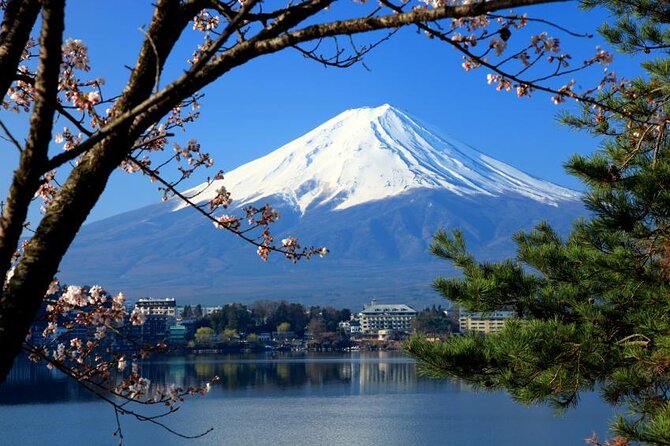
- Mt. Fuji 5th Station first, with a short stop for views and a shrine moment
- Buffet lunch at the foot of Mt. Fuji (if you choose the lunch option), with vegetarian and Muslim-friendly requests available
- Hakone Ropeway for crater-area views and big scenery from above
- Lake Ashinoko cruise on a caldera lake, timed for a calmer stretch in the middle of the day
- Return by Shinkansen: you go from Odawara back to Tokyo with the train ticket included
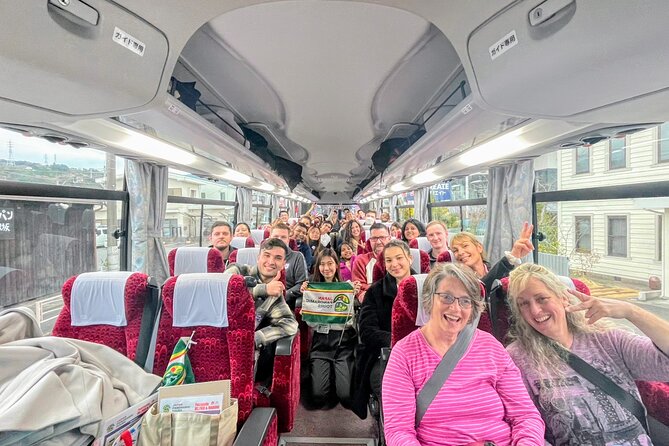
- Small group size (up to 43), plus free Wi-Fi on the bus and multilingual audio guidance
Why this Fuji and Hakone day trip makes sense for a tight schedule
If your Tokyo days are booked and you still want Mt. Fuji and Hakone in the same trip, this format is hard to beat. You’re not piecing together trains, buses, and timed attractions. You’re getting one organized push out of Tokyo in the morning, a full loop of the main sights, and a Shinkansen return that puts you back in Tokyo around the early evening.
I like how the tour is built around the “greatest hits” of each area. Mt. Fuji gets its signature high stop at the 5th Station, then you shift to Hakone for the Ropeway + Lake Ashi combo that feels like you changed countries even though you’re still in Japan.
You’re paying for convenience. At $163.26 per person, you’re covering the guide, the bus, and the paid parts that are usually the time-wasters to plan yourself (ropeway and cruise), plus the bullet train ticket for your return. The real value shows up when you’re short on time and you want less stress.
You can also read our reviews of more tours and experiences in Tokyo



The morning run out of Tokyo: pickups, timing, and what to expect
The day starts early. There are morning pickup options at Matsuya Ginza (7:20am) or LOVE Shinjuku (7:50am). If your booking uses the Tokyo Station meeting point, you’ll start from Tokyo Station (Marunouchi) area depending on the exact confirmation.
Either way, the bus is the workhorse. It’s air-conditioned, and it includes free Wi-Fi, which is useful when you want to read up on what’s coming next or just kill time comfortably.
A practical note: the tour is long—about 11 hours—and it runs on a schedule that can shift with traffic and weather. If you tend to get antsy on buses, pack your patience (and maybe a small snack). One of the most consistent bits of advice from people who enjoyed the day was to bring extra snacks because the day can feel like a long sit-and-go.
Mt. Fuji 5th Station stop: views, shrine atmosphere, and the altitude gamble
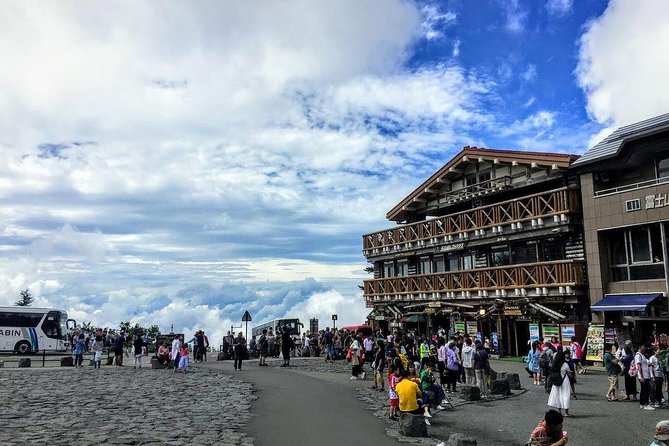
Your first major stop is Mt. Fuji 5th Station, where you get about 30 minutes. This is the moment most people come for: the chance to see Fuji from higher up and take in the “sacred” vibe of the area, including a Shinto shrine experience at the 5th Station.
The best part here is that the stop is short and structured. Thirty minutes is enough time to step out, take photos, look around, and get your bearings without turning the whole day into a slow uphill detour.
The downside is also built in: access can be restricted. The tour notes that if you can’t go beyond the 4th Station, you’ll be directed accordingly. It also says the operation may swap the plan if traffic regulation closes parts of the Mt. Fuji climb window (including a specific example related to June 7 rules). That means you should treat the 5th Station as a goal, not a guarantee.
Lunch at the foot of Mt. Fuji: what’s included, and what to request
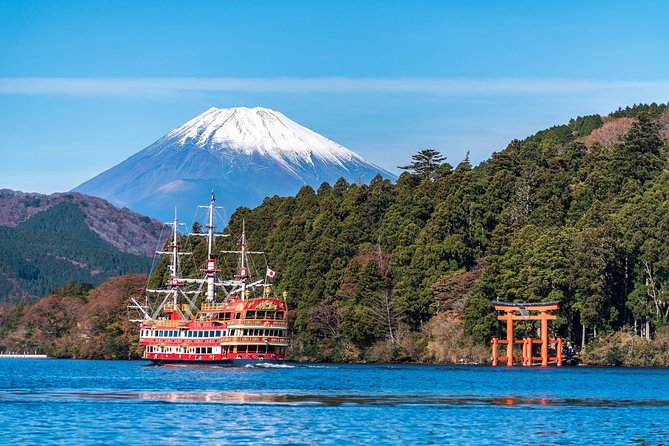
After the Fuji stop, you head to a lunch stop described as the bottom of Mt. Fuji, with a Japanese lunch buffet based on local fresh ingredients. The lunch portion is about 40 minutes, and it’s included only if you choose the lunch option.
This meal is also where the tour tries to be thoughtful about dietary needs:
- Vegetarian options are available if you request them when booking.
- Muslim-friendly lunch is also available if requested.
If you have severe food restrictions, the tour says to book without lunch and bring your own food.
Here’s the important nuance: Halal is not treated as fully certified. The FAQ says a Halal-certified meal is not available, and meals are cooked in the same kitchen as other foods (with dairy or egg noted). Vegan meals aren’t listed as available either, again due to shared preparation.
So if your dietary needs are strict, don’t assume the lunch will be perfect. The most reliable plan is either selecting the available vegetarian/Muslim-friendly request or skipping lunch and bringing your own.
The Hakone pivot: ropeway time and why it’s worth the schedule pressure

Once lunch is done, the tour moves into Hakone. There’s a stop connected to Mt. Hakone or Mt. Komitake (chosen to see the beauty of the Hakone area), and then the big ride: Hakone Ropeway.
You’re on the ropeway for around 30 minutes, and the promise is strong views over Hakone nature and Mt. Fuji. People also mention volcanic activity views from the ropeway area, which fits the region’s identity: Hakone isn’t just pretty; it feels geologically alive.
One reality check: the ropeway is weather-sensitive. The tour notes that if operations are suspended due to weather, activities may not run, and the schedule can switch to alternatives. In practice, that often means wind can affect whether the ropeway runs the way it should.
Still, this is one of the best “return on time” parts of the day. It’s a compact way to get elevation and dramatic views without needing to manage separate ticket lines and transport routes on your own.




Lake Ashinoko cruise: the best break in a busy day
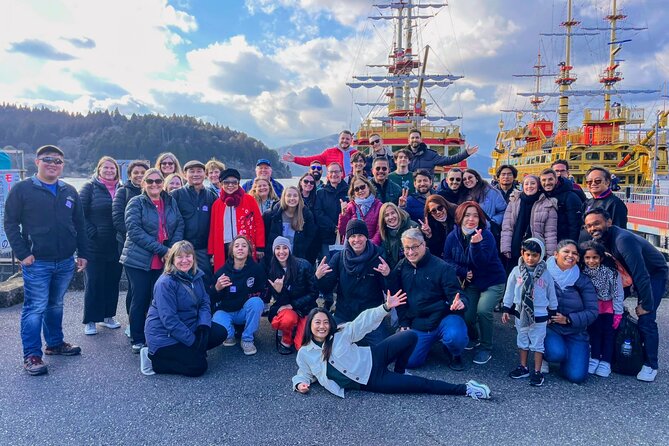
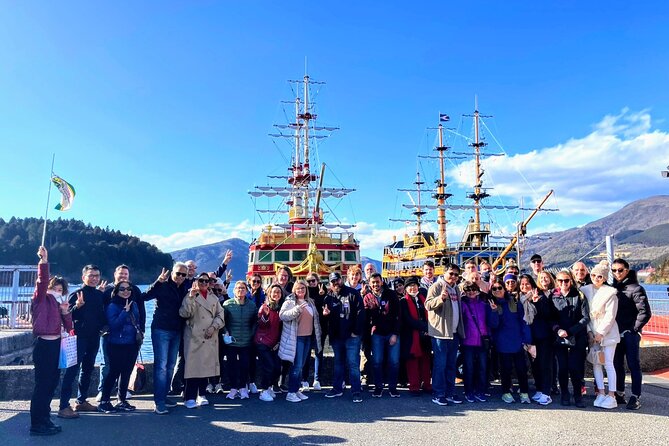
Next is Lake Ashinoko (Lake Ashinoko / Lake Ashinoko cruise) for about 30 minutes, including the cruise fee. This is a caldera lake, and the cruise is the part of the itinerary that typically feels less like a checklist and more like a breather.
Why it matters: Hakone can feel like a series of rides and viewpoints. The cruise is the one segment that slows the pacing. Instead of walking up and down, you’re just sitting on the water with changing views—often with Mt. Fuji in the background if conditions line up.
As with the ropeway, weather can change the outcome. The tour lists possible substitutions if boat operations are affected, and refunds aren’t offered for these changes. So again: it’s a must-do if the day is clear enough, and it might turn into an alternate experience if wind or closures hit.
Odawara and your Shinkansen back to Tokyo: how the tour ends smoothly
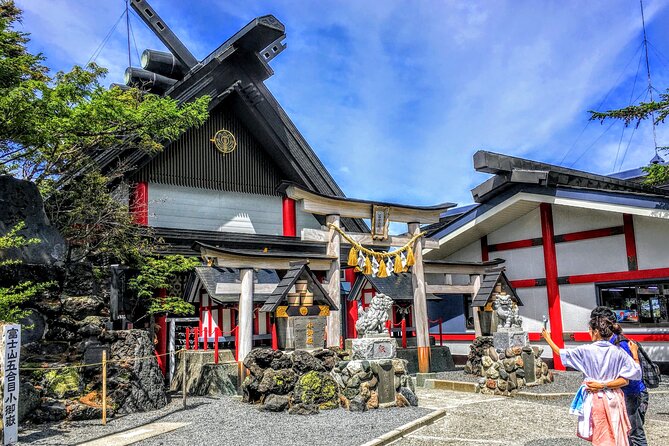
After Hakone, you finish at Odawara Station Tourist Information Center, where you have about 5 minutes before you take the bullet train back to Tokyo.
The key selling point here is that the return is handled. You don’t need to figure out which train car, what platform, or how to time connections. The itinerary is built around getting you from Odawara to Tokyo Station via Shinkansen.
Your tour ends around 18:10 at Tokyo Station. That’s a big deal for value, because it keeps you from spending your “real vacation time” in transit chaos late in the day.
One extra practical note: the tour says you can’t bring oversized luggage on non-reserved Shinkansen cars. The limit is 160cm total dimensions, and an example given is 80cm x 50cm x 30cm. If you’re traveling with a bigger suitcase, plan around it early.
Price and value: does $163.26 pay off?
Let’s talk value in plain terms: this price is high compared to a basic bus ride, but it’s lower than it feels once you notice what’s included.
You get:
- Professional English-speaking guide
- Air-conditioned bus with free Wi-Fi
- Pickups from key Tokyo areas (Matsuya Ginza or LOVE Shinjuku)
- Hakone Ropeway fee
- Lake Ashinoko cruise fee
- Shinkansen ticket for the return to Tokyo
- Multilingual audio guidance
- Lunch only if you select that option
So you’re not paying just for “getting to places.” You’re paying for the packaged logistics of moving between paid attractions fast.
DIY can be cheaper on paper, but it comes with hidden costs:
- You’ll spend time figuring out timed transport between Fuji viewpoints, Hakone ropeway, the lake cruise, and Odawara.
- You’ll manage ticket lines and route planning on your own during the tightest parts of the day.
- If something is closed, you might lose time hunting alternatives.
This tour is priced like someone already solved those problems for you. If you’re the kind of traveler who wants a structure—and you’re okay with weather risk—this is the type of day trip that feels worth the money.
Small-print reality checks: weather, closures, and group flow
This tour is honest about one thing: it’s weather-dependent. The provider states that if weather affects operations, they may swap activities or use alternative locations. A list of potential substitutes is provided, including places like Oshino Hakkai, Hakone Shrine, and Fujisan World Heritage Center, plus other cruise or sightseeing alternatives depending on what’s shut down.
What this means for you: treat the itinerary as a strong plan, not a rigid script. Your best strategy is to commit to flexibility. If you’re expecting the day to be identical to a brochure, you may feel cheated when wind or closures hit.
Group flow matters too. The tour caps the group at 43 travelers. That’s large enough to have energy, but small enough that the guide can keep people moving without turning it into a free-for-all.
Also, the tour says it’s not recommended for people with asthma, and it mentions wheelchair access concerns because some surfaces can be uneven or unpaved. If mobility or breathing issues are part of your plan, check before booking so you don’t find out mid-day.
Finally: if you’re late, you may not be able to join mid-way. Plan arrival time with buffer around your pickup point and Tokyo Station meeting area.
Guides and the vibe: what tends to make or break the day
One thing that comes through in the available guide names is that humor and repetition help a lot on a long day. Names like Sora, Hiro, Levin, Yui, Momo, Hero, and Angela show up alongside comments about clear instruction and keeping the group engaged.
That matters because the itinerary is compact, with multiple modes of transport and short timed stops. A guide who repeats key instructions (where to meet, what time to return, how to board next transport) reduces stress fast.
If you’re someone who likes culture context along the way, this tour includes guided commentary in English and audio options in multiple languages, which can make the day feel more than just photo stops.
Should you book this Fuji and Hakone day trip?
Book it if:
- You want Mt. Fuji + Hakone in one day without doing route math.
- You’re comfortable with a schedule-heavy day and short stop times.
- You care about the big set pieces: Fuji 5th Station, Hakone Ropeway, and Lake Ashinoko cruise.
- You value having the Shinkansen return included, so your evening stays predictable.
Skip or choose a different option if:
- You know the weather is uncertain for your travel dates and you’d be upset if the ropeway or cruise is cancelled.
- Your diet is complex in a way that needs fully halal-certified or fully vegan preparation, since Halal-certified and vegan meals are not provided and meals are prepared in the same kitchen.
- You have mobility limitations or asthma concerns that could be affected by uneven surfaces and long, outdoor-dependent segments.
If you book with flexibility in mind, this is a strong one-day way to get out of Tokyo and back with the highlights intact.