REVIEW · TOKYO
Japanese Home Styled Cooking Class in or around Shinjuku, Tokyo
Book on Viator →Operated by Home-style Authentic basic Japanese Cooking Class & Experience of Japanese culture · Bookable on Viator
This is Tokyo cooking the practical way. You’ll do hands-on work in the Shinjuku area, learning how Japanese home cooks put everyday meals together. The format feels friendly and real, not staged for show. I like that it’s small-group, and you’re not just watching someone else cook.
I especially like the tools and ingredients included setup, because it lets you focus on technique instead of hunting supplies. I also love that you leave with recipe sheets, so the class sticks with you long after you’re back home. If you’re lucky with your session, you may be cooking alongside hosts such as Lulu and Erica, or Chieko-san, who have shown strong English skills and a warm, organized approach.
One possible drawback: your ability to select a menu can depend on how many groups are booked for the same day. If another group is also attending, you might not be able to choose your first pick, so treat the menu choice as a best-effort option rather than a guarantee.
In This Review
- Key Highlights
- Finding the Class in the Shinjuku/Yoyogi Orbit
- Menu Options: How the Choice Works (and When It Might Change)
- What You’ll Cook: 3–4 Home-Style Japanese Dishes
- A Typical Flow: From First Steps to the Shared Meal
- Learning the Cultural Why Behind the How
- Hosts, Helpers, and the English-Friendly Support
- Value Check: Is $89.99 Worth It?
- Logistics You Should Plan For
- Who This Class Suits Best
- Should You Book This Japanese Home Cooking Class?
- FAQ
- How long is the Japanese home-style cooking class?
- How many dishes will I learn to cook?
- Are cooking tools and ingredients included?
- Can I choose my menu before the class?
- What if I have a food allergy?
- Where does the class meet in the Shinjuku area?
- Is transportation included?
- How big is the group?
- What’s the cancellation policy?
Key Highlights
- Hands-on cooking tools and ingredients are provided so you can jump right in
- Cook 3–4 home-style dishes Japanese people actually eat
- Recipe sheets to take home to recreate what you made
- Menu selection is available at booking but may be limited by other group schedules
- Small group size (up to 12) keeps the pace easy and questions welcome
- Culture context is built into the class, not just the cooking
Finding the Class in the Shinjuku/Yoyogi Orbit
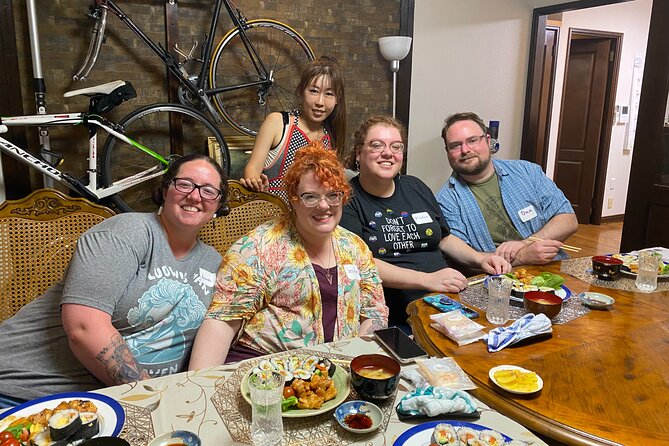
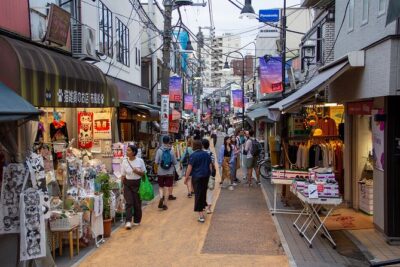
The meeting point is listed at 2-chōme-5-1 Yoyogi, Shibuya, Tokyo (151-0053). That’s useful because you’re not getting shipped out to some far-off suburb. You’re starting in the central part of the city, where you can stitch this evening into your Tokyo plan without a big travel headache.
Also, it’s described as near public transportation. That matters in Tokyo, because “near” often means you can swap between train and walking without stressing your schedule. Your class ends right back at the meeting point, so you don’t need to worry about mapping out a return late at night.
The only thing you should plan for: private transportation isn’t included. If you’re using taxis or rideshare, build that into your budget and timing.
You can also read our reviews of more cooking classes in Tokyo

Menu Options: How the Choice Works (and When It Might Change)
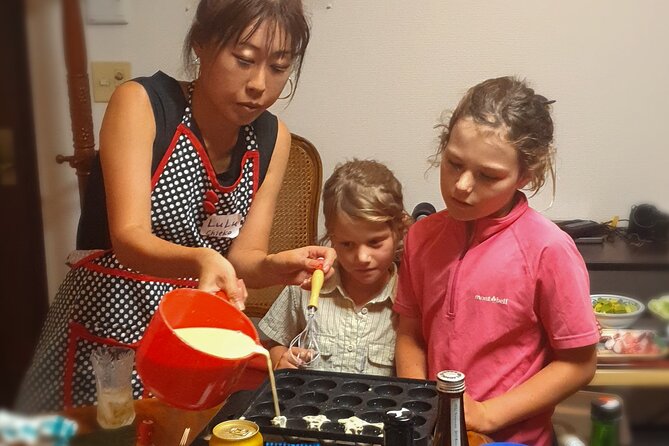
When you book, you can pick one of four menu options. Ingredients are prepared in advance, which usually means the class runs smoothly and you spend more time cooking and less time waiting around.
There’s an important fine print to understand. If you or your group is the only attendee(s) that day, you’re more likely to be able to choose your menu. If another group is also attending the same class, you may not be able to choose the menu you want.
So here’s my practical take: pick a menu preference when booking, but stay flexible. Japanese home cooking is still home cooking even when the dishes shift. If sushi is on one menu and a green-bean-style side is on another, you’ll still learn the underlying skills that help you recreate the meal later.
If you have food allergies, tell the provider in advance. The class notes that you can discuss your menu and what options will be available. Don’t wait until the last minute—Japanese kitchens can be great at tailoring, but they need heads-up.
What You’ll Cook: 3–4 Home-Style Japanese Dishes
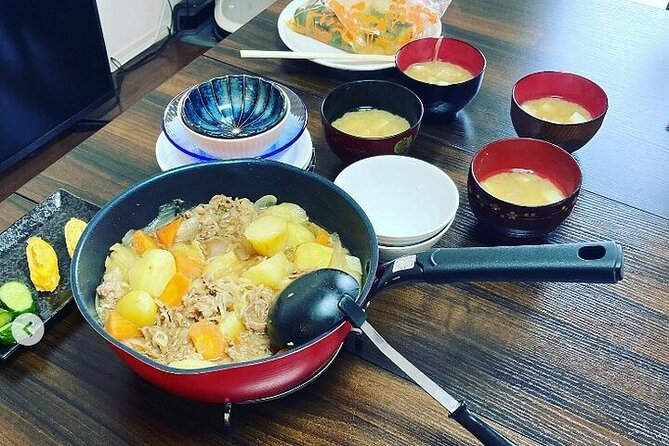
This is a classic format: you’ll cook 3–4 authentic dishes during the 2 hours 30 minutes class, then you eat what you made together. The dishes are described as simple yet tasty, the kind of meals you’d see in Japanese homes rather than only in fancy restaurants.
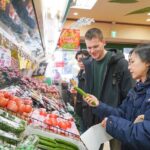
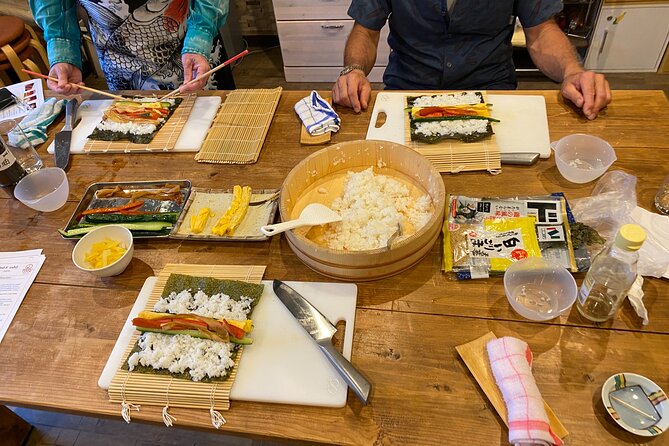
From the examples shared, sushi has come up as one of the things you may make, along with a green bean salad. That’s a good sign for value. Sushi teaches technique and timing. A salad teaches seasoning and balance, which is often the difference between okay and great.
What I think makes this class more useful than a cooking demo is the hands-on structure. Cooking tools and ingredients are provided. You’re not left figuring out measurements in a cramped store-bought pantry situation. You get a guided setup, and then you practice the steps that matter: prep, seasoning, heat control, and plating.
Because the class is limited to a maximum of 12 travelers, you should also expect a pace where you can actually ask questions. The goal isn’t just to finish dishes. It’s to understand what you’re doing and why it works.
A Typical Flow: From First Steps to the Shared Meal
Here’s how the evening usually plays out, based on the way the experience is described and the consistent pattern people report enjoying:
1) Welcome and setup
You start at the meeting point, then settle into the cooking space. Tools and ingredients are ready, and the class keeps things practical. This is where you get grounded in the day’s menu and learn what roles you’ll be playing.
2) Cooking with prepared ingredients
The experience says ingredients are prepared beforehand. That means you’re not spending the first chunk of time measuring and prepping from scratch. Instead, you jump into the meaningful part: how to handle ingredients and build flavor.
3) Make 3–4 dishes
You’ll work through the menu at a steady tempo. In sessions like these, helpers are often on hand to keep things moving and to catch small issues before they snowball. One reason people get excited about this class is that there are several helpers, and they tend to make sure everyone is actually following the plan.
4) Enjoy the meal together
Once everything is done, you eat what you made as a group. This part isn’t just a reward. It’s how you learn. You see whether the seasoning balance you aimed for actually works, and you taste what success feels like in real time.
5) Take your recipe sheets
At the end, you take home recipe sheets. Think of them as your “repeat menu” for later. Tokyo lessons are great, but the real win is turning them into a dinner you can cook again.
Learning the Cultural Why Behind the How
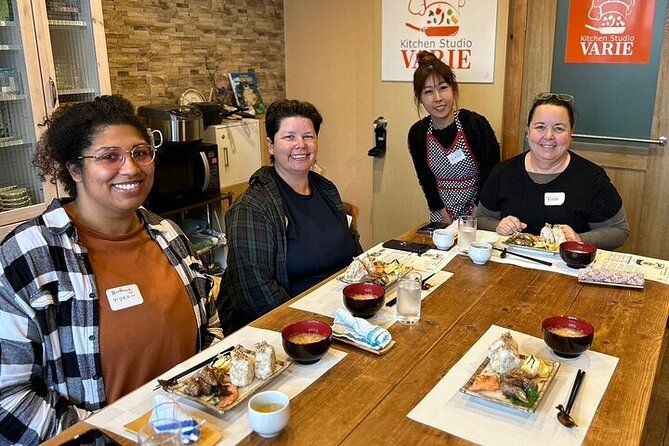
Cooking classes can be either skill-only or story-only. This one tries to connect the two. The experience is described as including history and culture behind Japanese cuisine, alongside the actual hands-on cooking.
You’ll likely hear context as you cook—why certain dishes are structured the way they are, and how Japanese home-style meals fit into daily life. That’s the part that helps your learning transfer. If you understand the role a dish plays (fresh side vs. main flavor vs. comfort food), you’ll be able to adapt it at home without needing the exact same ingredient brands.
I also like that the class keeps the cultural angle practical. You’re not sitting through a lecture while smelling someone else’s food. The explanation ties into what’s on your cutting board.
And yes, photos can be part of the experience. People have mentioned that the hosts make sure to take lots of pictures during the class. Even if you’re not a camera person, it’s a nice reminder that you created something tangible together.
You can also read our reviews of more tours and experiences in Tokyo



Hosts, Helpers, and the English-Friendly Support
This is one of the biggest reasons the ratings are so high. The cooking pace can be chaotic in big groups. Here, with a maximum of 12 travelers, support matters.
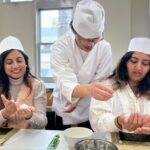
In past sessions, hosts named Lulu and Erica were highlighted, and another host named Chieko-san was specifically praised for speaking English well. That’s not just about understanding instructions. When you can ask follow-up questions and get clear answers, you learn faster—and you’re less likely to end up with a pan full of “mystery results.”
You should also expect helpers. People mention multiple assistants in the kitchen helping keep everyone on track. That usually translates to smoother cooking, fewer delays, and a better chance you’ll finish all dishes with confidence.
Value Check: Is $89.99 Worth It?
At $89.99 per person, this class sits in the “mid-range experience” bucket. Here’s how I’d evaluate the value without overpromising.
You’re getting:
- 3–4 dishes cooked in a single session
- Cooking tools and ingredients included
- Recipe sheets as take-home material
- All fees and taxes included
- A class size capped at 12 travelers
The key value driver is the combination of hands-on cooking and included ingredients. If you’ve ever tried to recreate Japanese dishes at home, you know the hard part isn’t just the recipe—it’s knowing the technique and having the right ingredients in the right quantities. This class covers both, and it does it in 2 hours 30 minutes.
Also, you’re not paying for a ticketed show with a meal at the end. You’re making the meal. That’s why recipe sheets matter. The class can pay you back later in your kitchen.
If you’re traveling solo, couples, or small groups who like to learn by doing, this is a strong value choice. If you’re already a confident home cook with everything dialed in, you might find the class more fun than necessary. Still, you may enjoy the culture context and the social meal.
Logistics You Should Plan For
A few practical points before you go:
- Wear comfortable clothes. You’ll be cooking, not touring a museum.
- Go hungry. The class ends with the meal you made.
- Plan for no private transportation. Use public transit or your own plan.
- Check the menu choice rules. Your preferred menu depends on whether other groups are attending that session.
- If you have allergies, message ahead. The class says they can discuss options if you let them know.
One more real-world consideration: one case mentioned a cancellation issue. The provider’s response suggests cancellations can happen, with timing tied to how far in advance changes are communicated. For peace of mind, confirm your booking details and keep an eye on messages as the date gets closer.
Who This Class Suits Best
This Japanese home styled cooking class fits best if you want:
- A hands-on evening near the Shinjuku area
- Real home-style dishes, not just “Japanese-inspired” restaurant tricks
- A smaller group experience where you can ask questions
- Recipe sheets you can actually use later
You’ll probably enjoy it if you’re traveling with friends or family and want shared, low-stress fun. It also works well for couples who want something different from the usual Tokyo dinner routine.
If you’re the type who hates coordinating with a group, the “small group” format still helps, but it’s still a shared class. If your schedule is so tight that even minor timing differences could stress you, build a little buffer around the evening.
Should You Book This Japanese Home Cooking Class?
Yes, if you want a practical Japanese cooking lesson near Shinjuku/Yoyogi that ends with the meal you made and includes recipe sheets. The strongest reasons to book are the included ingredients and tools, the hands-on pace, and the support from hosts and helpers (with English-friendly help noted for some sessions).
I’d be a “maybe” if you’re picky about a specific menu item and you can’t handle the possibility of menu selection changing when other groups attend. In that case, still book if you’ll be happy with any of the core home-style dishes you cook.
If you want a Tokyo souvenir that you can taste, not just photograph, this is the kind of experience that turns into a habit at home.
FAQ
How long is the Japanese home-style cooking class?
The class runs for about 2 hours 30 minutes, including cooking and enjoying the meal afterward.
How many dishes will I learn to cook?
You’ll prepare 3–4 authentic Japanese dishes as part of the menu option selected.
Are cooking tools and ingredients included?
Yes. Cooking tools and ingredients are included, along with all fees and taxes.
Can I choose my menu before the class?
Yes. When you book, you can select one of four menu options, but your ability to choose may depend on whether other groups are attending the same session.
What if I have a food allergy?
Let the provider know in advance. The class says they can discuss your menu and what options will be available.
Where does the class meet in the Shinjuku area?
The meeting point is 2-chōme-5-1 Yoyogi, Shibuya, Tokyo 151-0053, Japan, and the activity ends back at the meeting point.
Is transportation included?
Private transportation is not included, so you’ll want to plan your own way to the meeting point using public transit.
How big is the group?
The class has a maximum of 12 travelers, which helps keep the experience organized.
What’s the cancellation policy?
You can cancel up to 24 hours in advance for a full refund. The experience may also be canceled due to poor weather, with an option for another date or a full refund.