REVIEW · TOKYO
Tokyo: Roll and Authentic Sushi Making Class in Asakusa
Book on GetYourGuide →Operated by Sushi Making Japan | Cooking Class in Japan · Bookable on GetYourGuide
Hands-on sushi beats watching from the sidelines. I love the interactive sushi quiz and the chance to make maki and authentic nigiri, then eat it right away; the only catch is that 100 minutes can feel a bit tight if you want slower, extra practice.
What makes this class extra appealing is the setting: Asakusa, close to Tokyo Skytree, with easy access from Asakusa Station. You’ll get English-speaking local help throughout (and the tone stays light and encouraging), so even first-timers can keep up without getting lost.
In This Review
- Why Asakusa Makes This Sushi Class Feel Like Tokyo, Not a Food Court
- The 100-Minute Flow: Quiz, Rolling, Shaping, Then You Eat
- Learning Sushi History Through a Light Quiz (It Actually Helps)
- Maki Rolls: How You’ll Go From Sticky Rice to a Real Roll
- Nigiri and Authentic Sushi: The Part That Makes It Taste Like Japan
- Eating What You Make: Freshness, Portion Feel, and Optional Sake
- Price and Value: Is $58 Worth It in Tokyo?
- Who Should Book This Sushi-Making Class (And Who Might Want to Choose Another Option)
- Practical Tips to Get the Most From Your Session
- Should You Book Sushi Making Tokyo in Asakusa?
- FAQ
- Where is the meeting point?
- How long is the class?
- Is the class taught in English?
- Is the class wheelchair accessible?
- Do I need sushi-making experience?
- Can you accommodate vegan, vegetarian, gluten-free, halal, or allergies?
- What’s included, and is free cancellation available?
Why Asakusa Makes This Sushi Class Feel Like Tokyo, Not a Food Court
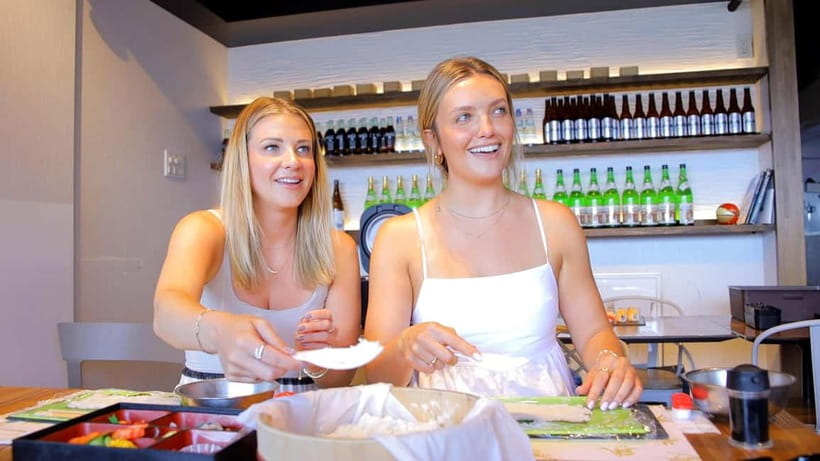
This class is built for people who want more than a hands-off meal. The workshop sits in historic Asakusa, a neighborhood where old Tokyo energy is still easy to feel as soon as you step out. It’s also practical: the meeting point is about a 3-minute walk from Asakusa Station, so you can slot this into a day without it turning into a whole expedition.
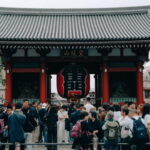
You’ll likely be near Sensoji Temple—some classes run in that immediate orbit—so it’s a great match if you’re already planning temple time, street snacks, and photo stops. The payoff is that your sushi lesson doesn’t feel like an isolated activity. It feels like part of the day you actually came to Tokyo for.
The 100-Minute Flow: Quiz, Rolling, Shaping, Then You Eat
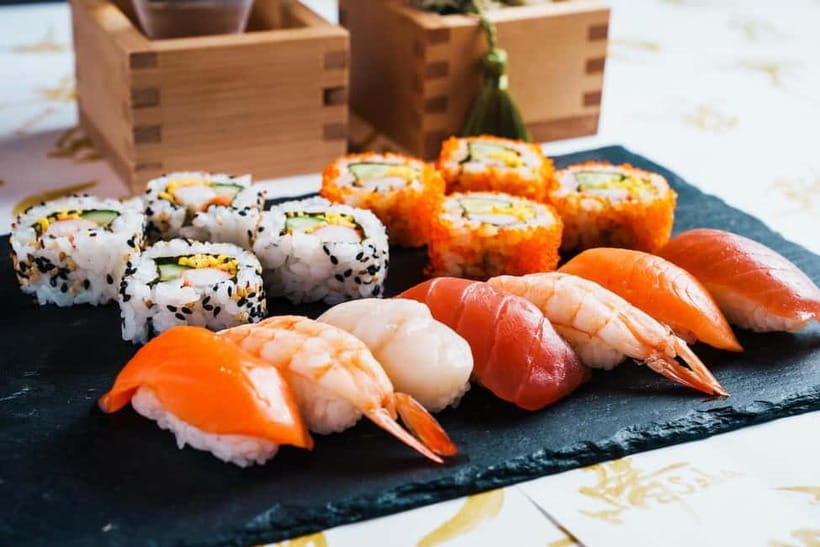
The class has a clear rhythm that helps you learn without freezing up.
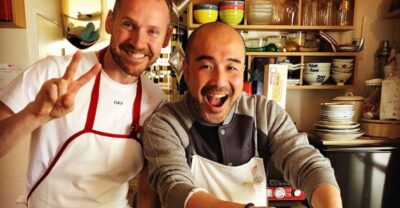
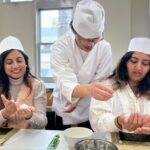
First, you start with a sushi-history segment that uses a quiz style. It’s not just trivia on a screen. It’s a way to make the basics stick: you hear how sushi developed, then you connect that to what you’re about to make. More than one instructor name pops up in the feedback—people often mention teachers like Hitomi and Tomona for being patient and fun while guiding the group.
Then comes the hands-on part. You make two sushi styles:
- Roll sushi (maki): learning how to spread rice, add fillings, and roll cleanly.
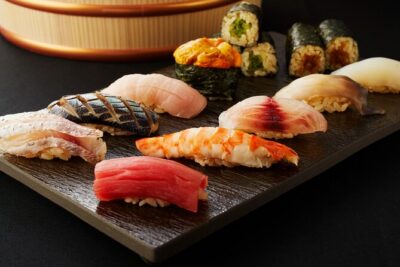
- Authentic Japanese sushi (nigiri-style shaping): working the rice and topping so it looks right and tastes right.
Finally, you eat what you made. That matters. In many cooking classes, you cook and watch, but here the structure is built around eating your own handiwork as the finish line.
One small consideration: some people felt the pacing could be rushed. Even with an energetic, supportive teacher team, 100 minutes is still 100 minutes. If you tend to want slow “do it again” practice, plan for that in your expectations.
You can also read our reviews of more tours and experiences in Tokyo



Learning Sushi History Through a Light Quiz (It Actually Helps)
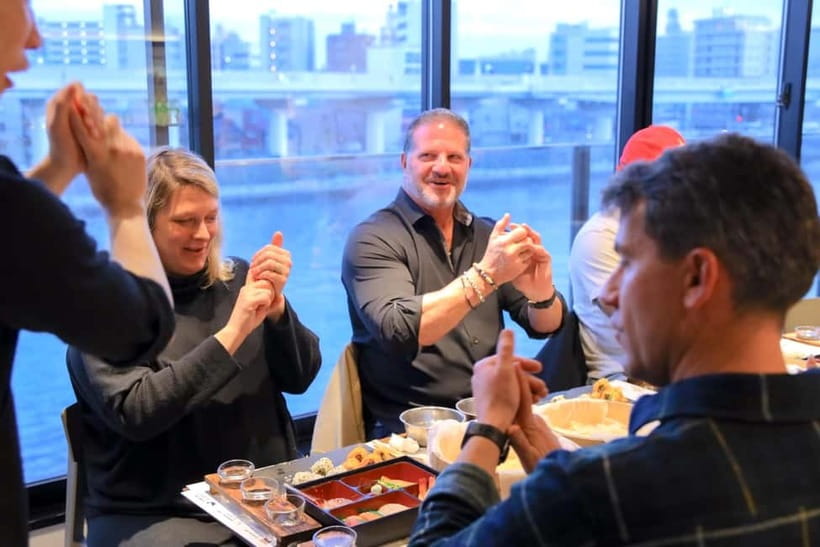
Sushi can sound like a mystery—fish, rice, vinegar, technique, rules. The quiz approach turns that “mystery” into something you can remember while your hands are busy.
I like how this setup gives you a mental framework before you start rolling:
- You get context for why sushi isn’t just one dish.
- You learn what makes different styles different.
- You build confidence because you’re not only “following steps,” you’re understanding the point of those steps.
The tone also matters. Several people specifically call out instructors being funny and entertaining—names that come up include Ken, Kazu, Jun, Moe, and Kaori—and that style helps when you’re making mistakes. Sushi-making isn’t hard, but it can be fiddly, especially when you’re learning rice handling for the first time.
Maki Rolls: How You’ll Go From Sticky Rice to a Real Roll
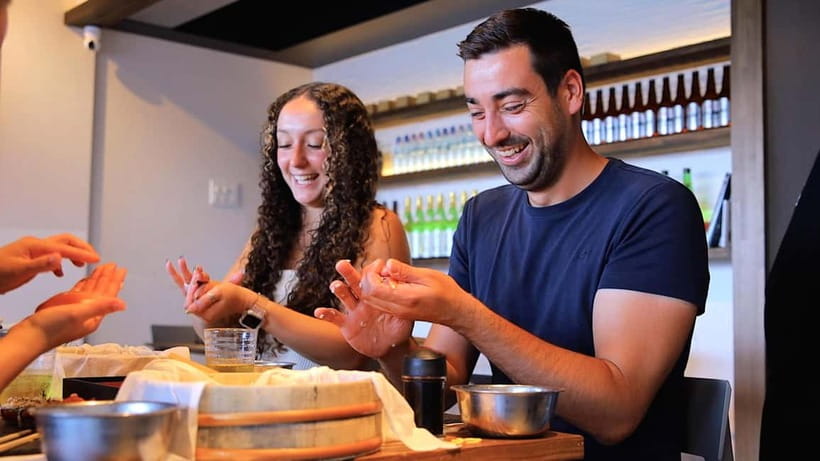
Maki is the skill that lets you feel instantly productive. You’re not just learning theory—you’re building a roll, piece by piece, with a step-by-step process.
Here’s what you should focus on during the rolling section:
- Rice distribution: getting the layer even so the roll cuts cleanly.
- Filling placement: keeping fillings controlled so the roll doesn’t bulge.
- Rolling pressure: firm enough to shape, gentle enough not to smear.
What I appreciate is that the class format is designed to make the technique repeatable. People mention video-style directions and physical examples, which is exactly what you want when your hands are learning something new. Even if your first roll looks imperfect, you’ll usually get a second chance to adjust and improve.
Also, if you’re attending as a solo traveler, you may get more individual attention at certain time slots. One review notes an earlier time felt almost like a more private lesson due to fewer people—so if you like quieter instruction, consider selecting a session that isn’t peak busy.
Nigiri and Authentic Sushi: The Part That Makes It Taste Like Japan
After rolls, the class pivots to authentic Japanese sushi—the type that focuses on topping and rice harmony. Nigiri-style sushi is where you start thinking like a sushi maker: the goal isn’t just form. It’s balance.
In practice, you’ll be guided through:
- handling and shaping rice
- pairing rice with the right topping
- keeping the result tidy enough to be appetizing
This is also where quality shows. Multiple comments mention fresh, high-quality ingredients, and that matters because sushi stands or falls on the basics: rice texture, topping flavor, and overall balance.
If you’re the type who worries about making something “too fancy” for a beginner class, don’t. The lesson is structured for first-timers, and the instructor support seems to be a consistent theme—people highlight patience and clear explanations from guides like Hitomi, and helpers such as Hide (mentioned for making the experience better).
Eating What You Make: Freshness, Portion Feel, and Optional Sake
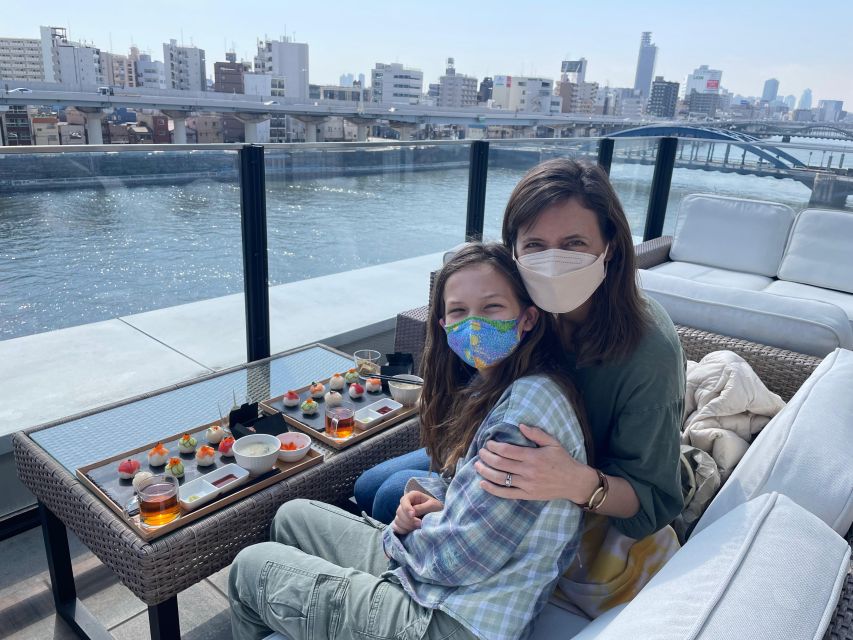
The best part is that you don’t just finish with photos—you finish with lunch. This class is set up so the meal is part of the learning process, not an afterthought.
Most people report the sushi tastes delicious, and that you get plenty to eat. One person even called it a highlight of their trip and specifically appreciated the amount of sushi produced.
That said, a couple of practical notes show up:
- Some people wished they had a touch more rice.
- A few mentioned an overall time feel that could use a little more breathing room.
In other words: expect a solid meal, but don’t expect a full restaurant dinner. It’s a cooking class first.
A detail you might want to know: at least one review mentions that sake flights and beer were available. The provided class information doesn’t confirm it across every booking, so treat that as something to check with the organizer when you arrive or when you reserve.






Price and Value: Is $58 Worth It in Tokyo?
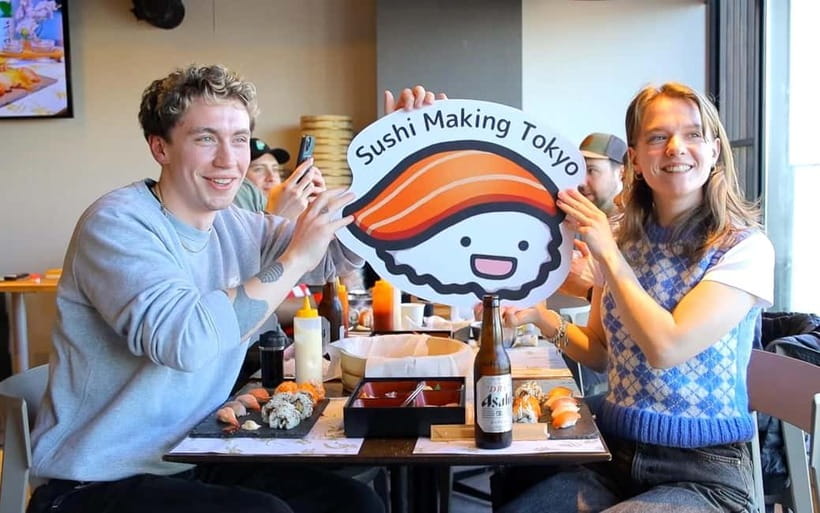
$58 for a 100-minute sushi-making class in Asakusa is the kind of price that makes sense when you look at what’s included:
- the cooking class itself
- the ingredients
- an instructor who guides you step by step
What’s not included is hotel pickup and drop-off, so you’re making your own way here via public transit. The good news is that the meeting point is close to Asakusa Station, so transportation usually isn’t painful.
Here’s the value math that matters most: you aren’t paying only for a lesson. You’re paying for practice materials (ingredients) plus the meal you create. That’s why repeatable technique and ingredient quality matter so much in this experience—and why the consistently strong feedback on freshness and instruction feels meaningful.
If your goal is to leave Tokyo with a story you can actually tell at dinner back home—plus the muscle memory to try sushi-making again later—this class fits the bill.
Who Should Book This Sushi-Making Class (And Who Might Want to Choose Another Option)
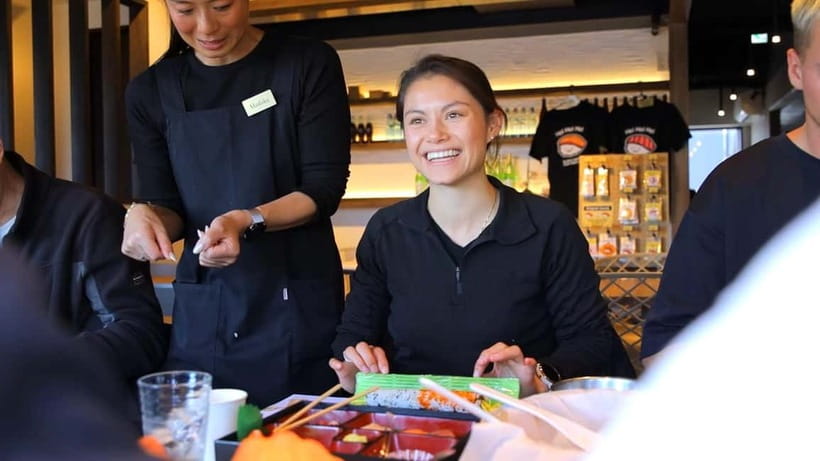
This experience is a strong match if you want:
- a hands-on Tokyo food activity (not just tasting)
- instruction in English
- a beginner-friendly way to learn sushi basics
- a class you can pair with Asakusa sightseeing
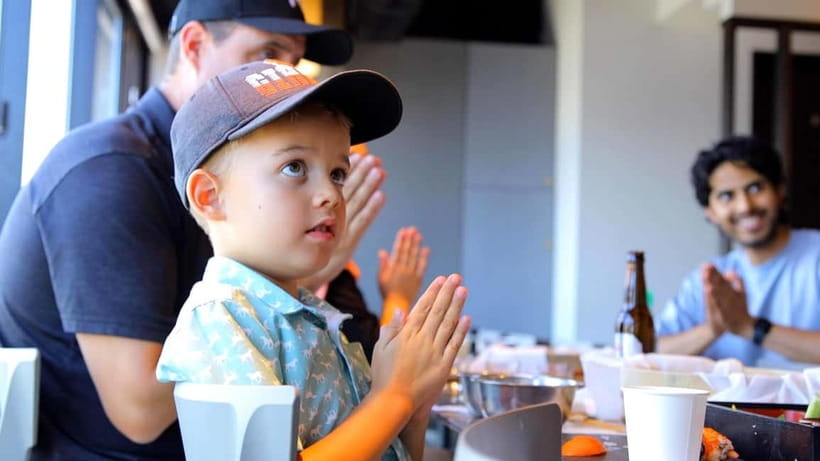
It can also work well for families, including teens, because it’s interactive and structured. A few reviews specifically note kids did well, and that the atmosphere stays friendly even when people fumble the first attempt.
It may be less ideal if you want a quiet, minimal-performance style. Some feedback mentions the teaching energy can feel a bit “tour-style,” like it includes lots of clapping and performance cues. If you prefer very calm, traditional instruction with zero showmanship, you might find the vibe a little playful.
Practical Tips to Get the Most From Your Session
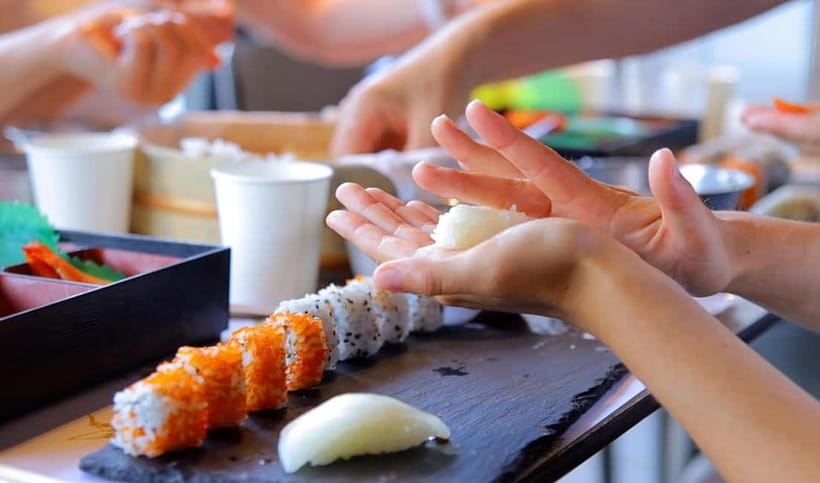
These are small things that can make the difference between okay sushi and proud sushi.
Arrive early and settle in. The meeting point is near Asakusa Station, so build in a few minutes buffer. You’ll get better results if you’re not rushing your brain and hands.
Watch the first demo closely. Most of the “magic” is in the first explanation: rice spread, topping placement, and how tightly you roll.
Plan for compact time. Even though the class is 100 minutes, the activity is packed. If you want extra repetition, aim for a session with fewer people when possible.
Ask questions as you work. That’s where you’ll gain the technique. The staff is repeatedly described as patient and supportive, with named instructors like Ken, Jun, Hitomi, and Kaori referenced for clear guidance.
If you have dietary needs, prepare early. The menu can be changed for vegan, vegetarian, gluten-free, and halal options, and allergies are handled under specific limits (the info says some ingredients are not used, including meat, nuts, fruits, and dairy). But you need to contact about changes when you reserve, since day-of responses aren’t supported—and you can’t request very specific ingredient swaps.
Should You Book Sushi Making Tokyo in Asakusa?
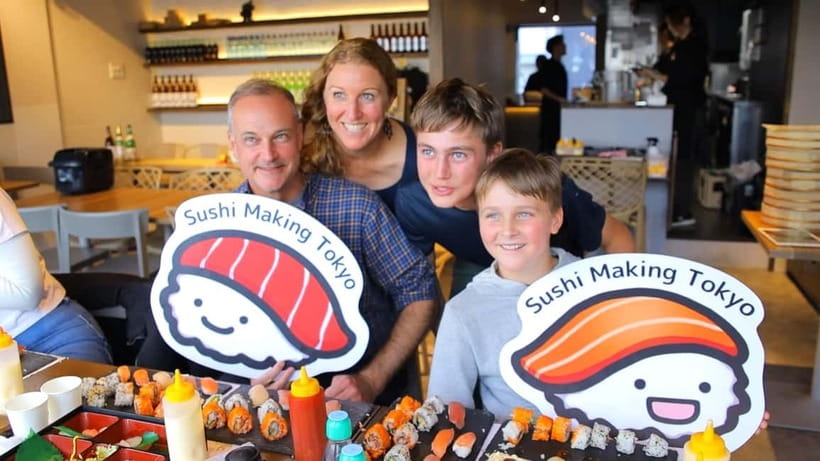
If you want a Tokyo experience that blends real technique with a fun, social pace, I’d book it. The biggest reasons are simple: you’ll make both maki and nigiri-style authentic sushi, you’ll eat what you make, and you’ll get English guidance from an instructor team that shows up in the feedback as patient and entertaining.
The main reason to hesitate is timing. If you’re the type who needs slow, deliberate practice, the 100-minute structure can feel a little compressed. Also, if you dislike a more performance-friendly class atmosphere, you might want to choose a different format.
Still, for most people coming to Tokyo for food and culture, this is one of the more satisfying ways to spend a morning or afternoon in Asakusa—right near major sights, and designed so you leave with both skills and a full stomach.
FAQ
Where is the meeting point?
It’s about a 3-minute walk from Asakusa Station.
How long is the class?
The class runs for 100 minutes.
Is the class taught in English?
Yes. The instructor speaks English.
Is the class wheelchair accessible?
Yes, it’s listed as wheelchair accessible.
Do I need sushi-making experience?
No experience is needed. The staff guides you throughout.
Can you accommodate vegan, vegetarian, gluten-free, halal, or allergies?
Menu changes are available for vegan, vegetarian, gluten-free, and halal. For allergies, the information notes that certain ingredients are not used (meat, nuts, fruits, dairy). You need to contact about changes when you make your reservation, and day-of requests can’t be handled.
What’s included, and is free cancellation available?
The price includes the cooking class, ingredients, and the instructor. Hotel pickup and drop-off aren’t included. Free cancellation is available up to 24 hours in advance for a full refund.