REVIEW · TOKYO
Tokyo: Making a Lantern Workshop in Asakusa with a Craftsman
Book on GetYourGuide →Operated by Roomy's Inc · Bookable on GetYourGuide
One small workshop, one big glow. This Tokyo chochin lantern class puts you face-to-face with the craft, not just the souvenir shop vibe. I love the chance to learn in a 100+ year-old lantern atelier, and I also love how hands-on it is with washi paper and bamboo from start to finish. One thing to watch: the meeting point changes during official Grand Sumo Tournament dates in 2026, so double-check your booking date.
You’ll work with real tools and materials, and you’ll end with a lantern that’s genuinely yours. In the sessions I read about, guides such as Rinka and Noriko helped bridge the language gap while the master artisan explained the process, plus you can even spend extra time on decorative details like calligraphy. A possible drawback is that you may get ink or paint on your clothes, so plan to dress for a little mess.
If you want a Tokyo activity that feels local, personal, and portable, this is it: a lantern you can pack, carry, and later remember every time you see it lit.
In This Review
- Key points you’ll care about
- Why this Asakusa lantern workshop feels more Japanese than a craft table
- Finding the workshop: Yokokawa normally, Ryogoku Kokugikan during sumo
- What happens when you walk into a 100+ year atelier
- From bamboo frame to washi paper glow
- Customizing your own chochin (including calligraphy time)
- Guides like Rinka and Noriko make it feel personal
- What you take home: a lantern plus the satisfaction of making it
- Price and value: what $96 really buys you
- Best time to fit it into your day
- Who should book this, and who should skip it
- Should you book the Tokyo chochin lantern workshop?
- FAQ
- Where is the meeting point for this lantern workshop?
- How long is the lantern-making experience?
- What’s included in the price?
- Do I need experience to make a chochin lantern?
- What should I bring?
- Is it suitable for kids, and are pets allowed?
Key points you’ll care about
- A 100+ year-old traditional lantern atelier in Asakusa rather than a classroom setup
- Real chochin skills taught by a master (with guides translating into English)
- Authentic materials like bamboo and washi paper, with traditional tools
- You customize the lantern and take it home as your finished product
- Photos are welcome, since the studio is full of colorful lanterns
- Optional extra purchase of a professionally made lantern on-site
Why this Asakusa lantern workshop feels more Japanese than a craft table
Asakusa is famous for old Tokyo energy, and this experience matches the neighborhood mood. Instead of watching from the sidelines, you make a chochin lantern with your own hands while a craftsman explains what matters and why it matters.
What you’re really buying with a $96 price tag is time with skill. Two hours is long enough to go from blank materials to something complete, but short enough that you don’t feel trapped in a slow workshop. I also like that it’s built around a real studio atmosphere, with lanterns hanging around you the whole time.
The craft itself is practical, not precious. You learn steps that connect structure (the bamboo frame) to light (the paper and shape). That’s the kind of knowledge that makes the finished lantern more meaningful than a generic souvenir.
You can also read our reviews of more tours and experiences in Tokyo



Finding the workshop: Yokokawa normally, Ryogoku Kokugikan during sumo
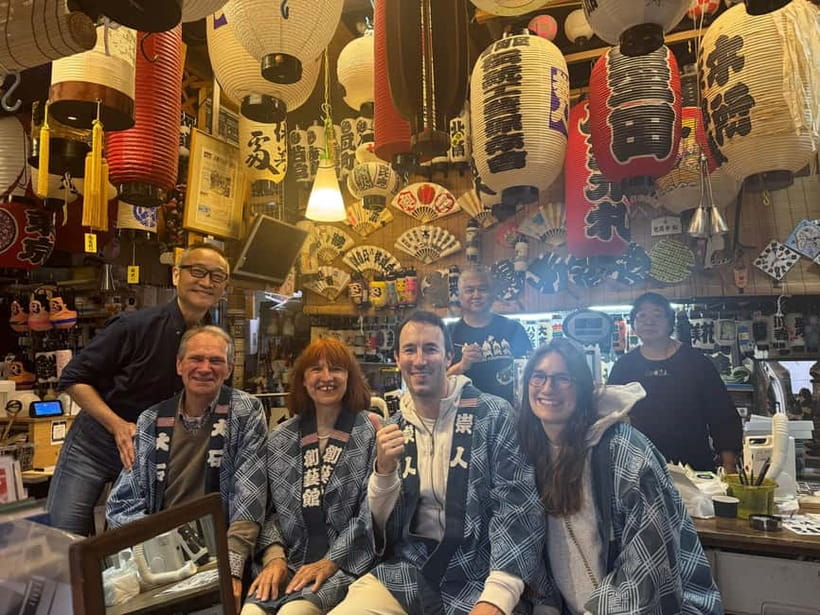
This one is easy to get to, but the exact meeting point depends on your travel dates. The workshop is near Tokyo Skytree, in the Oshiage area, but don’t assume the same address all year.
Outside official Grand Sumo Tournament periods, the meeting point is:
- 〒130-0003 2-10-8 Yokokawa, Sumida City, Tokyo
During official Grand Sumo Tournament periods, the workshop moves to the Ryogoku Kokugikan area (1st floor). Those 2026 dates are:
- January 11–25, 2026
- May 10–24, 2026
- September 13–27, 2026
So here’s the practical move: when you book, re-check the meeting point for your exact date. The activity itself stays the same idea—make a chochin—but the atmosphere and setting can change because you’re in a different venue.
What happens when you walk into a 100+ year atelier
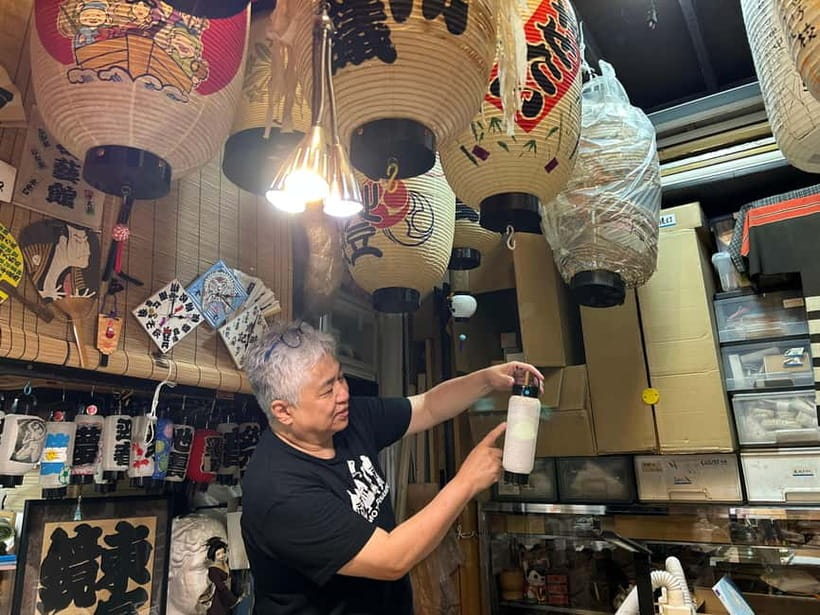
The first moment is visual. The workshop space is filled with colorful lanterns in different shapes and sizes, and the overall feel is warm and welcoming. One of the biggest wins here is that you’re not in a sterile workshop. It feels like a working craft home—part studio, part family business.
You start by learning what chochin lanterns are and how they’re understood in Japanese culture. You’ll hear the craft background from the master (or from a guide translating for you). In sessions I saw described, you also get help communicating with the artisan, so your experience doesn’t stall if your Japanese is limited.
Then you shift from listening to doing. The guide and craftsman set you up with materials and tools, and you begin shaping your own lantern rather than just making something decorative. That practical guidance is what turns the workshop from a fun activity into a real skill you can talk about later.
From bamboo frame to washi paper glow
Here’s where the class earns its keep: you use authentic materials. You’ll work with bamboo for the structure and washi paper for the lantern body. That combination matters, because it’s part of how traditional lanterns stay light, durable, and beautiful.
You’ll use the tools provided—bamboo pieces, washi paper, glue, and brushes—and you’ll follow step-by-step instructions. There’s no prior experience required. If you can follow a recipe, you can make this.
One practical tip: you should expect a bit of mess. The workshop may involve ink or paint, so wear clothes you don’t mind getting stained. Also, if you’re carrying a nice outfit for later dinner plans, change before you go. The lantern is worth it, but your sleeves might not agree.
Customizing your own chochin (including calligraphy time)
Your lantern isn’t just assembled for you. You customize it, and that means your final piece reflects your choices. The base process creates the lantern shape and paper placement, and decoration is where your personality shows.
In some sessions, people spent extra time on calligraphy details, which is exactly why the class length works. The workshop runs for 2 hours, and that time has enough room for careful decoration without feeling rushed.
You’ll also notice how the craftsman’s attention to detail changes your own pace. Even when you think you’re moving slowly, the instructions are built around craft rhythm, not speed. That’s how you end up with something that looks like it belongs in a real lantern shop window.
And yes: the studio is photo-friendly. You can take pictures during the experience, so you can document the process and not just the finished product.






Guides like Rinka and Noriko make it feel personal
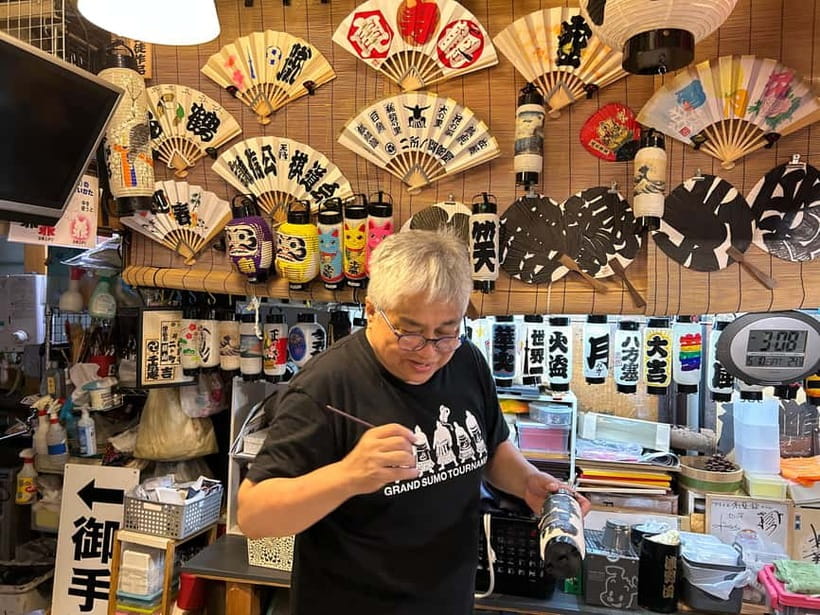
Even if you’re comfortable with basic Japanese, you’ll benefit from an English-speaking guide or interpreter. In the sessions described, guides such as Rinka and Noriko helped connect the group with the master and also offered Tokyo recommendations during the class.
That matters more than you might think. A good guide doesn’t just translate words. They help you understand the craft choices, and they help you ask questions at the right moment. That turns the workshop into more than a hands-on craft session—it becomes a conversation about Japanese everyday traditions.
In some bookings, the translator was credited as David Park, and the master team included people such as Master Oyakata and Co-master Uehala. When you get a session with a team like that, the explanations tend to be patient and clear, even if your questions are simple like what style you should pick.
What you take home: a lantern plus the satisfaction of making it
At the end, you take your completed lantern home. That’s the big deliverable, and it’s included in the price. The workshop also gives you an optional chance to buy a professionally made lantern on-site—useful if you want a second piece as a gift or want something with a different look than your handmade version.
A nice bonus from the experiences shared: packaging helps keep your lantern safe for the trip home. So while you’re making something delicate-looking, you’re not left worrying that it’ll turn into origami rubble before you reach your hotel.
The lantern itself is a souvenir you’ll actually keep. A mass-produced paper light can end up in a drawer. A handmade chochin—where you remember the steps and the small moments of trial and correction—usually finds a real spot at home.
Price and value: what $96 really buys you
Let’s talk value without pretending it’s cheap. At $96 per person for a 2-hour workshop, you’re paying for a craft studio experience with materials provided and a finished product.
You get:
- a guided lantern-making session
- all materials (bamboo, washi paper, glue, brushes)
- an English-speaking guide or interpreter
- your completed lantern to take home
For Tokyo, that price is easier to justify when you compare it to buying a similar lantern in a shop. You’re not just paying for an object. You’re paying for direct instruction, authentic materials, and the time it takes to make something carefully.
Also, two hours is a smart length. You get enough time for learning and decoration, but you don’t lose half a day. This makes it a good add-on after a long day walking Asakusa or sightseeing toward Tokyo Skytree.
Best time to fit it into your day
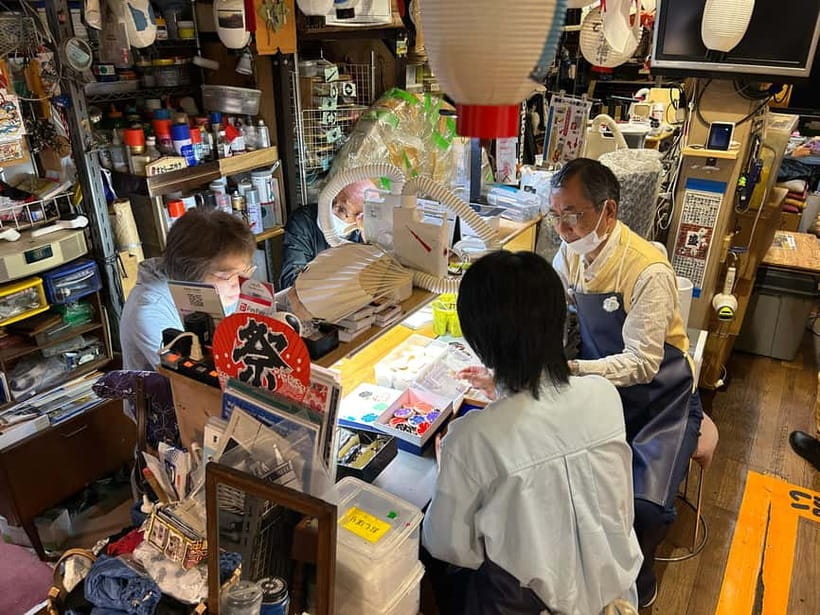
This workshop works well as a reset after time on your feet. Asakusa and the Skytree/Oshiage area can eat hours fast. Doing the class later in the day gives you a change of pace: hands-on, seated or semi-seated, and calm.
It also works if you’re traveling with family or friends. The workshop is suitable for ages 6 and up, and it’s described as friendly for couples, groups, and solo travelers who want a relaxed cultural activity.
If you’re planning other activities the same day, leave enough time to change clothes first (just in case of ink/paint), and plan for a calm walk afterward. Your lantern will be the takeaway, not your souvenir shopping mission.
Who should book this, and who should skip it
Book it if you want:
- a hands-on cultural experience in Tokyo
- a real artisanal setting (not a generic craft mall)
- something small enough to travel with but special enough to keep
- an activity that works for mixed groups and curious beginners
Skip it if you need:
- a totally low-mess activity (ink/paint may be involved)
- a workshop for children under 6 (it’s not suitable for that age group)
It’s also a solid choice if you don’t speak Japanese. You’ll have an English-speaking guide or interpreter, and the craft team is used to helping people through the process.
Should you book the Tokyo chochin lantern workshop?
Yes, if your idea of a good Tokyo day includes learning something real and taking home a piece of the experience. This is one of those activities where the finished lantern feels earned, not purchased.
Before you commit, do two quick checks:
- Confirm your booking date so you get the correct meeting point (Yokokawa vs Ryogoku Kokugikan during sumo dates).
- Plan what you’ll wear, because ink or paint stains are possible.
If those two are handled, you’ll likely leave with a handmade lantern, a better sense of how Japanese lantern craftsmanship works, and a story you’ll actually enjoy telling.
FAQ
Where is the meeting point for this lantern workshop?
The meeting point depends on your booking date. Outside official Grand Sumo Tournament periods, it’s at 2-10-8 Yokokawa, Sumida City, Tokyo (near Tokyo Skytree/Oshiage Station). During the official 2026 Grand Sumo Tournament periods, the workshop is held at the Ryogoku Kokugikan area (1st floor).
How long is the lantern-making experience?
The workshop lasts about 2 hours.
What’s included in the price?
The price includes the guided lantern-making workshop, all materials (bamboo, washi paper, glue, brushes), an English-speaking guide or interpreter, and your completed lantern to take home.
Do I need experience to make a chochin lantern?
No prior experience is needed. The workshop is designed for beginners, and guidance is provided.
What should I bring?
You should bring a passport or ID card.
Is it suitable for kids, and are pets allowed?
It’s suitable for ages 6 and up, and children under 6 are not suitable. Pets are not allowed, and alcohol and drugs are not allowed.