REVIEW · TOKYO
Small-Group Osaka-Style Okonomiyaki Cooking Class
Book on Viator →Operated by Calmo Cooking Class in Tokyo Japan · Bookable on Viator
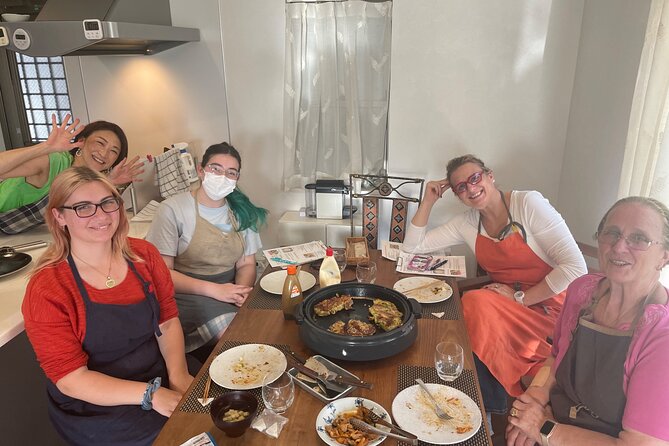
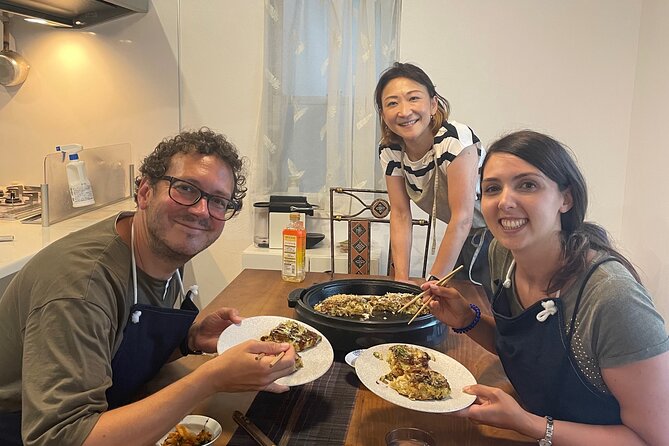
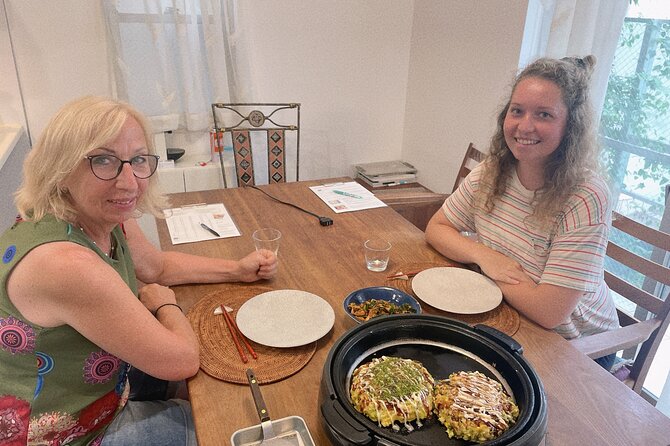
Osaka-style okonomiyaki gets way more personal in Asagaya. This small-group class (max 5) feels more like a homestay meal lesson than a tourist studio, with host/teacher Eri guiding you through fluffy technique, Japanese ingredients, and practical swaps you can use after you’re back home.
I like two things a lot: the hands-on flipping and layering process that actually builds confidence, and the fact that Eri shares substitutions so you’re not stuck hunting for hard-to-find items. One thing to consider: you’re cooking in a residential setting, so the vibe is cozy and local, not polished-showroom.
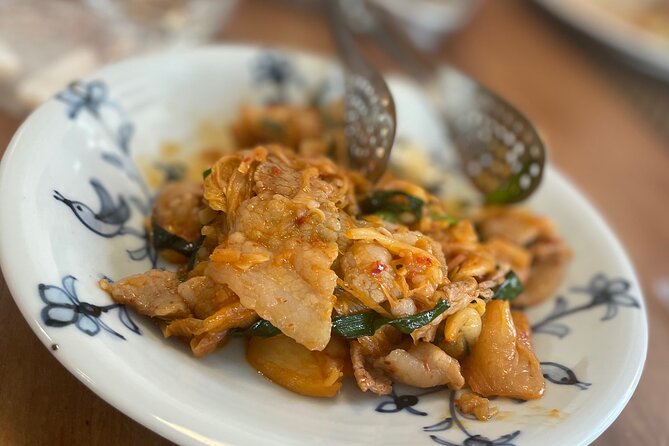
In a 2-hour session, you’ll learn the basics behind dashi, Japanese sauce, and the rest—then choose your own fillings and toppings with support. While your okonomiyaki cooks, you’ll also make a savory side using stir-fried pork and kimuchi, then sit down and enjoy your meal with a friendly Itadakimasu moment.
In This Review
- Key Highlights You’ll Care About
- A Home-Style Okonomiyaki Lesson in Asagaya
- Meet Eri at Asagaya Station and Settle In Quickly
- Master the Fluffy Batter: Dashi, Sauce, and Technique
- Pick Your Fillings: Layering, Flipping, and Toppings
- The Side Dishes While You Wait: Pork Stir-Fry and Kimuchi
- Japanese Ingredient Substitutes That Actually Help at Home
- Vegetarian and Vegan Options Without Losing the Fun
- What This Class Delivers for $150
- English-Friendly, Conversation-Heavy (In the Best Way)
- Who Should Book This Okonomiyaki Class
- Should You Book This Class or Skip It?
- FAQ
- How many people are in the group?
- Where do I meet for the class?
- How long is the experience?
- What is the cooking focus?
- Are there vegetarian or vegan options?
- What ingredients will I learn about?
- What will I cook besides okonomiyaki?
- Is the class in English?
- Do I need a printed ticket?
- Is free cancellation available?
Key Highlights You’ll Care About
- Max 5 people, homestay-style: A calmer pace and more attention as you learn the technique.
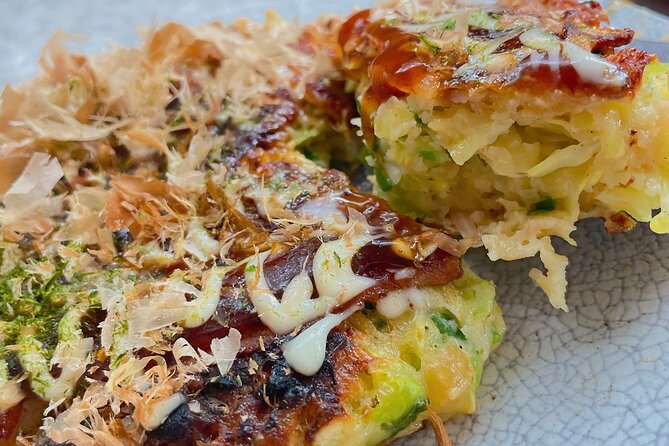
- Fluffy okonomiyaki focus: You’ll get specific tips aimed at that springy, not-dense texture.
- Ingredient substitutes you can use abroad: The lesson doesn’t stop at Tokyo shopping lists.
- You pick the fillings: Customize your okonomiyaki to match your tastes and comfort level.
- Vegetarian and vegan options: Dietary adjustments can be made so you’re not just watching.
- Pork and kimuchi side while you wait: You get a bonus savory dish instead of idle time.
A Home-Style Okonomiyaki Lesson in Asagaya
This class is built around a simple idea: learning okonomiyaki works best when you’re in a home kitchen. Instead of a factory-like cooking room, you’re in a local setting where the lesson feels grounded in daily life. That alone makes the experience more memorable, because you’re not just copying a recipe—you’re learning how someone actually cooks at home.
The small group size matters too. With up to five people, it’s easier to ask questions in the moment and get quick feedback when your batter looks off, your layering seems too thick, or you’re unsure about timing. It also keeps the energy relaxed; you’re not squeezed between strangers and a schedule that never stops.
The other standout is the teacher: Eri’s English is described as good enough for you to ask anything, including ingredient questions and practical cooking problems you’ll have back home. In other words, if you wonder what to do when you can’t find the same product, you can ask right away.
You can also read our reviews of more cooking classes in Tokyo



Meet Eri at Asagaya Station and Settle In Quickly
Logistics here are straightforward. You start at the NewDaysJapan meeting point on JR Asagaya Station grounds in Suginami City’s Asagaya Kita area (Asagaya Station, 2F outside the ticket gates on the concourse). The session ends back at that same meeting point.
Two-hour lessons in Tokyo can be either tightly packed or overly stressful. Here, the structure feels designed to be easy to plug into a day. You’ll meet, get oriented, and then move to the home cooking space without a long multi-stop route.
If you’re traveling with accessibility needs or service animals, good news: service animals are allowed, and the meeting point is near public transportation. That reduces the chance you’ll waste your limited lesson time just getting to the right place.
One small reality check: because this ends back where you started, you’ll want to plan the rest of your day with enough buffer afterward to avoid rushing.
Master the Fluffy Batter: Dashi, Sauce, and Technique
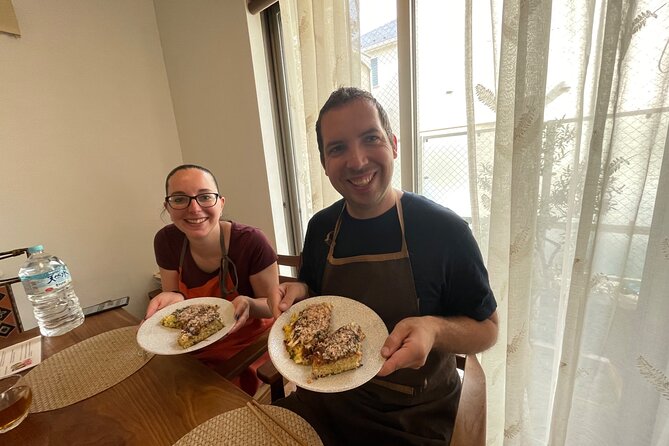
Okonomiyaki sounds simple until you try to make it at home. The texture is the whole game. This class focuses on how to get fluffy okonomiyaki, not just how to assemble toppings.
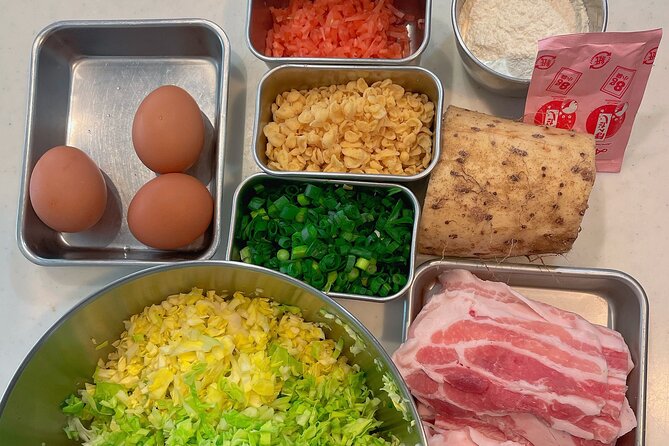
You’ll start with the building blocks of flavor: ingredients like dashi (a Japanese broth base) and Japanese sauce. Knowing what these components do helps your cooking make sense, instead of turning into a copying exercise. Even if you’re new to Japanese cooking, you’ll learn what role each ingredient plays and why it matters for taste and texture.
Eri also shares lots of tips while you cook. The biggest practical value is that you learn what to adjust when something isn’t cooperating—like batter consistency, heat control, or the way you build layers. That’s the difference between reading a recipe and actually getting results.
This is also where the “after your trip” value shows up. You’re taught substitutions when ingredients are hard to find in your country. That means you can keep practicing later without feeling like your homemade okonomiyaki is doomed because it lacks one specific label from a Japanese grocery.
Pick Your Fillings: Layering, Flipping, and Toppings
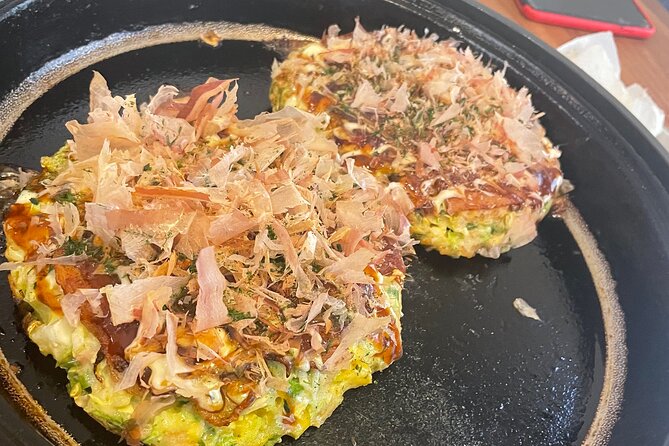
One of the best parts is that you get to choose your own fillings. Okonomiyaki can be made with various kinds of ingredients, and Eri supports you as you build yours based on what you like. That flexibility is great if you’re picky, curious, or trying to recreate a flavor you remember from Japan.
The technique is hands-on. You’ll practice the fun stuff:
- Layering ingredients so they cook evenly and don’t just sit on top.
- Flipping once the base is set enough to turn cleanly.
- Adding toppings at the right moment so they don’t overwhelm or melt away.
Flipping can feel nerve-wracking at first, especially in a cooking class where everyone is watching. But this setup helps you learn without the pressure of a giant crowd. And once you’ve done it once, it becomes less mystical and more mechanical—heat, timing, and confidence.
Vegetarian and vegan options are available, and adjustments can be made. That means you can still get the full technique experience without having to skip the core steps.
The Side Dishes While You Wait: Pork Stir-Fry and Kimuchi
Timing matters when you’re cooking on a griddle. Instead of leaving you with empty hands while your okonomiyaki cooks, the class adds a savory side dish during the wait.
You’ll make stir-fried pork and kimuchi, which are both flavorful and satisfying. It’s a clever move because you taste the “other half” of the meal while your main course comes together. It also helps you understand Japanese-style cooking flow—small dishes and layers of flavor, not one lone dish trying to do everything.
Even if you only came for okonomiyaki, you’ll probably appreciate the side by the end. It rounds out the meal so you don’t feel like you just made one pancake-like thing and went home.
You can also read our reviews of more tours and experiences in Tokyo





Japanese Ingredient Substitutes That Actually Help at Home
A cooking class can be fun and still leave you stuck after you return home. The key difference here is that Eri explains substitutes so you can recreate the results even if you can’t find the exact Japanese products.
This is especially helpful for ingredients like dashi and certain sauces, plus anything that affects texture. The goal is not to promise an identical taste forever. It’s to help you get close with what you can realistically buy abroad. When you know the function of the ingredient, substitutions stop feeling like guesswork.
This also makes the lesson feel practical rather than purely cultural. You’re learning a method you can repeat, not just eating a nice meal once.
Vegetarian and Vegan Options Without Losing the Fun
Okonomiyaki is naturally customizable, but not every cooking class handles dietary needs in a way that still feels like a real lesson. Here, vegetarian and vegan options are available, and adjustments can be made.
That means you’re not relegated to watching while others cook. You still pick fillings, build your layers, and practice the flip and topping steps. You’ll also follow guidance so your batter and cook time work with your chosen ingredients.
If you’re traveling with dietary restrictions, this kind of flexibility is one of the biggest reasons to book. You get the full experience rather than a simplified version that leaves you short on technique.
What This Class Delivers for $150
Price is $150 per person for a roughly 2-hour experience. That can feel like a splurge if you’re comparing it to a big, impersonal group tour. But the value here is in three places: small group attention, home-kitchen learning, and transfer-to-home skills.
First, max 5 people means you’re not competing for the teacher’s time. Second, homestay-style cooking in a local home adds a level of warmth and real-life context that a studio often can’t match. Third, the substitute guidance is the part that keeps paying off after your Japan trip.
Also, there’s mention of group discounts and a mobile ticket, which can help if you’re traveling with friends. Average booking is about 7 days in advance, so you’ll want to reserve sooner rather than later if your dates are tight.
English-Friendly, Conversation-Heavy (In the Best Way)
Eri’s comfort speaking English is a practical advantage. You can ask questions without constantly guessing what the answer means, and you can adjust your learning as you go.
The class is also framed as more than cooking. Eri welcomes questions and conversation about daily life, and the tone is friendly and open. That matters because cooking classes can become awkward if everyone just silently follows steps. Here, the vibe is that you’re sharing a meal moment with someone local.
One more detail that stands out from the experience description: the meal includes a moment to say Itadakimasu, which makes the sit-down feel respectful and real, not just a finish line.
Who Should Book This Okonomiyaki Class
You’ll probably love this if you want:
- Hands-on technique for fluffy okonomiyaki, not just watching.
- A small-group pace that lets you ask questions.
- A lesson that includes ingredient substitution so your cooking continues at home.
- Vegetarian or vegan-friendly options that still include the core steps.
- A local neighborhood setting in Asagaya rather than a tourist-only kitchen.
This may be less ideal if you only want a flashy, high-volume production experience, or if you prefer classes with lots of extra time for wandering and sightseeing. The session is designed for cooking and eating, not for long side excursions.
Should You Book This Class or Skip It?
If your goal is to leave Japan knowing how to make okonomiyaki well, this is a strong yes. The combination of fluffy technique, ingredient substitutes, and small-group home instruction makes it more than a one-night food activity.
I’d especially recommend it if you care about learning the “why” behind flavor and texture. That’s the part that turns a $150 lesson into a skill you can use for years.
If you’re on a tight budget or you want a more polished, studio-like experience, you might compare it to other options. But if you want something personal, practical, and genuinely Japanese in feel, this one fits.
FAQ
How many people are in the group?
The class is limited to a maximum of five travelers.
Where do I meet for the class?
You meet at NewDaysJapan, 166-0004 Tokyo, Suginami City, Asagayakita, 3-chōme南3361, JR Asagaya Station 2F, outside the ticket gates on the concourse.
How long is the experience?
It lasts about 2 hours.
What is the cooking focus?
You’ll learn how to make Osaka-style okonomiyaki, with tips for making it fluffy and tasty.
Are there vegetarian or vegan options?
Yes. Vegetarian and vegan options are available, and adjustments can be made for dietary restrictions.
What ingredients will I learn about?
You’ll be explained Japanese ingredients such as dashi and Japanese sauce, plus other related components.
What will I cook besides okonomiyaki?
While the okonomiyaki cooks, you’ll also make stir-fried pork and kimuchi.
Is the class in English?
Eri speaks English good enough for you to ask anything.
Do I need a printed ticket?
You’ll use a mobile ticket.
Is free cancellation available?
Yes. You can cancel up to 24 hours in advance for a full refund.