REVIEW · TOKYO
Japanese Traditional Sweets making and Tea Ceremony
Book on GetYourGuide →Operated by 日本文化体験 庵an東京 AN TOKYO · Bookable on GetYourGuide
Sweet art meets tea ritual. In this 95-minute class, you shape Nerikiri (seasonal wagashi) and then follow a tea ceremony flow with Uji-style matcha. It’s Kyoto-flavored food culture, taught step-by-step in Tokyo.
I like the hands-on payoff: you don’t just watch—you actually make two sweets that match the season. I also like the ingredient story, especially the single-origin special matcha and the bean paste made by Kyoto’s long-established shops.
One thing to consider: if the room gets crowded, it may be harder to hear every instruction at once, and the pace can feel quick.
In This Review
- Key things you’ll get from this Nerikiri + Matcha class
- What you’re really signing up for at AN TOKYO
- Nerikiri making: seasonal wagashi you shape from scratch
- Step 1: coloring the white/red bean paste
- Step 2: shaping seasonal forms
- What you get at the end
- The tea ceremony flow with Uji matcha
- The matcha setup: grinding demonstration
- Tea-ceremony segment: making and drinking your matcha
- The best moment: tasting what you made
- Why Kyoto bean paste + Uji matcha is a big deal
- Price and time: is $18 good value for what you do?
- Language, pace, and what can affect your enjoyment
- Where you start: meeting point at AN TOKYO
- Who this is best for (and who should think twice)
- Small upgrades and optional add-ons
- Should you book this Nerikiri and Uji Matcha class?
- FAQ
- How long is the Japanese Traditional Sweets making and Tea Ceremony?
- How much does it cost?
- What sweets will I make during the class?
- What kind of matcha is used?
- Is the class taught in English?
- Where do I meet for the experience?
- Is the price only for the activity, or does it include tea and the sweets?
- Can I get my sweets to take away?
- What if I arrive late?
Key things you’ll get from this Nerikiri + Matcha class
- Season-matching wagashi: you make two Nerikiri sweets designed around the season.
- Colored bean-paste craft: you start by coloring the white bean paste before shaping.
- Kyoto bean paste advantage: you work with white/red bean paste from Kyoto’s long-established shops.
- Uji matcha ceremony: there’s a matcha grinding demonstration and a proper tea-ceremony segment.
- You eat what you make: your Nerikiri pairs with the matcha you prepare and drink.
What you’re really signing up for at AN TOKYO
This class is built around a simple idea: wagashi isn’t just dessert. It’s edible design, with flavors that are supposed to respect the tea. That’s why the structure is so clear—first you make Nerikiri, then you slow down for matcha.
You’re there for 95 minutes, so you’ll get real practice without it turning into an all-day project. You’ll start with sweets (about the first hour), take a short break, then shift into tea (with a matcha grinding demo and ceremony time), and finally eat the sweets you made with your own matcha.
If you’re the type who likes learning by doing—coloring paste, shaping flowers, handling fine techniques—this format is a good match. If you need long explanation time or tons of quiet for questions, you might find the pace a bit tight.
You can also read our reviews of more tours and experiences in Tokyo


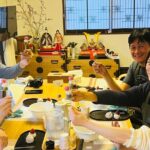
Nerikiri making: seasonal wagashi you shape from scratch
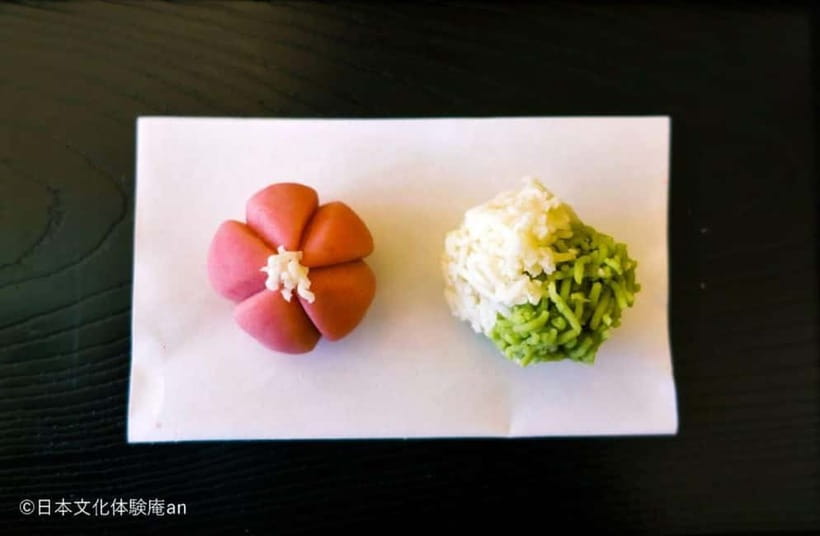
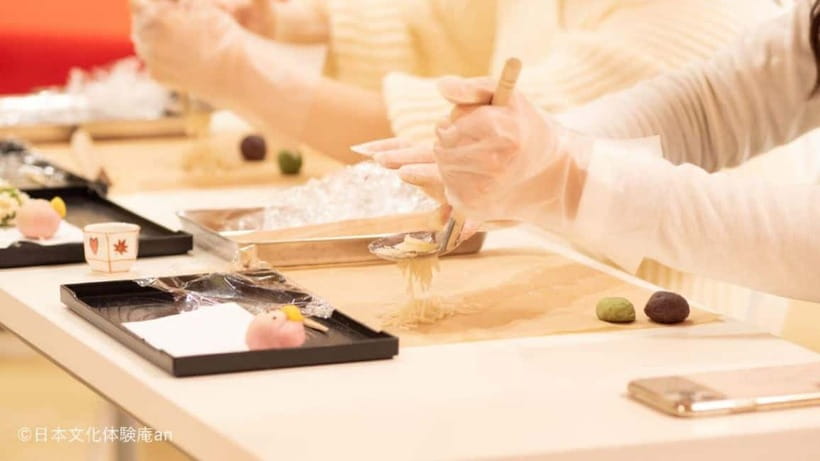
Nerikiri is considered high-grade wagashi, and you’ll feel why once you’re working the paste. Unlike simple sweets, Nerikiri is all about shape, detail, and the seasonal theme. The class focuses on a flower/fruit-style Nerikiri look, plus another Nerikiri variation called Kinton Nerikiri.
Step 1: coloring the white/red bean paste
The process begins with coloring white bean paste. That matters more than it sounds. Coloring isn’t just making it pretty—it sets up the final design. You’re learning a core technique behind Nerikiri: controlling how the paste takes color and how it behaves while you shape it.
For you, this is the part that makes the whole workshop feel real. Instead of receiving a finished piece of dough, you build the material yourself and then shape it into something seasonal.
Step 2: shaping seasonal forms
You’ll make Nerikiri that matches the season, so the shapes are meant to look like seasonal flowers or fruits. The class time includes flower-shaped Nerikiri making, which is a smart way to introduce detail without overwhelming you immediately.
Then you move toward Kinton Nerikiri making. Even if you’re not hunting for the perfect Instagram shot, this is where you start understanding what makes Nerikiri different: the paste needs to be manipulated in a way that holds form, not just tastes good.
What you get at the end
You’ll prepare two sweets total. After the tea segment, you’ll eat them with your matcha. That pairing is part of the lesson: Nerikiri should complement the tea instead of overpowering it.






The tea ceremony flow with Uji matcha
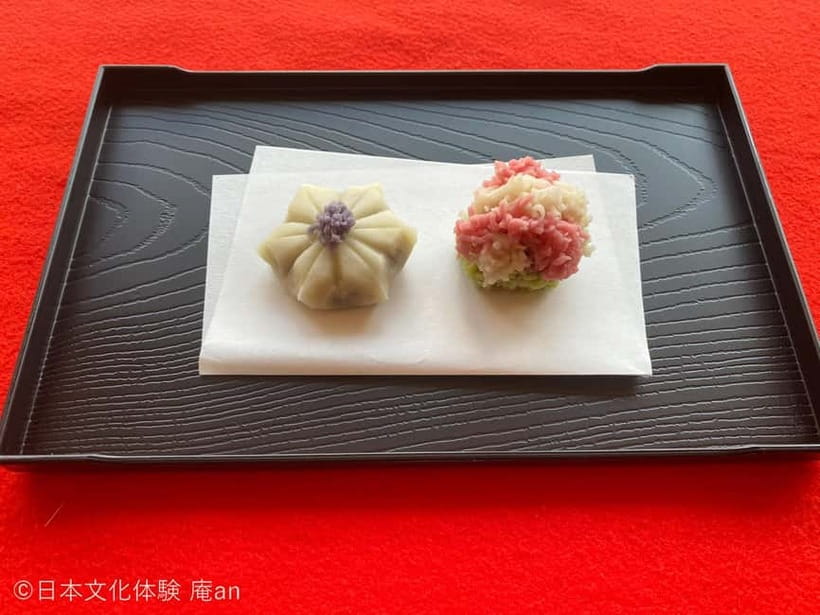
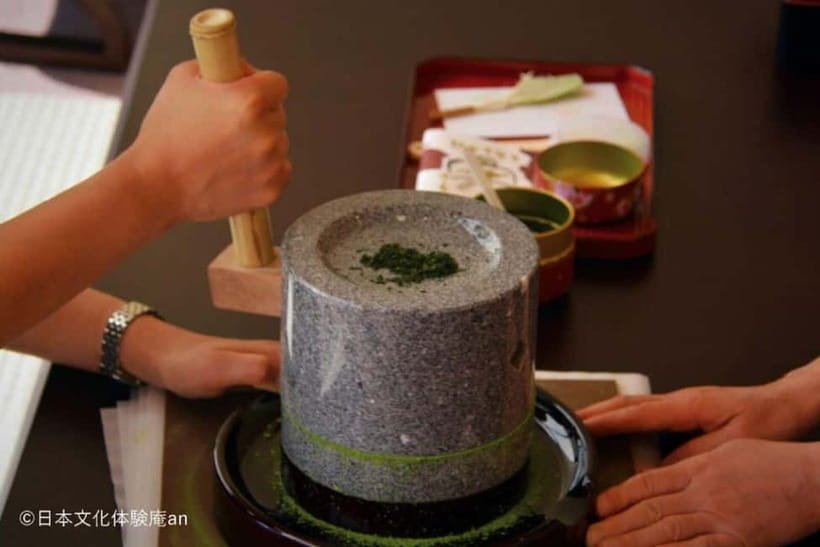
After the wagashi portion and a break, the class shifts gears. You’ll get an explanation about tea, then you’ll watch (and learn from) a matcha grinding demonstration before you move into the tea-ceremony experience.
The matcha setup: grinding demonstration
Matcha is not just matcha powder in a cup. The grinding and handling are part of the ritual. The demo is useful because it gives context to what you’re about to do: matcha preparation is a technique, not a toss-and-go beverage.
Tea-ceremony segment: making and drinking your matcha
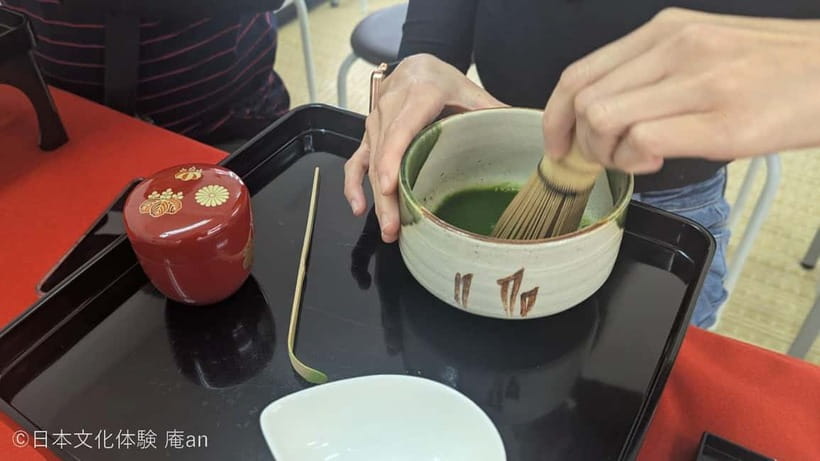
Then you’ll participate in the tea ceremony experience. The goal here is not to impress anyone with perfection. It’s to understand the flow—how matcha fits into Japanese culture, and how it’s meant to be enjoyed alongside sweets.
A key detail is that the matcha is Uji matcha, and the class uses single-origin special Matcha. For your taste buds, that likely means a clearer, more defined matcha flavor than generic versions—especially when paired with the sweetness from bean paste.
The best moment: tasting what you made
The class ends with eating/drinking time. You’ll enjoy your Nerikiri alongside the matcha you prepared, and the sweetness of the high-quality bean paste is meant to balance the matcha.
If you like food experiences where you get to judge the result yourself, this pairing is satisfying. You’ll know what you got right and what you’d tweak if you made Nerikiri again at home.
Why Kyoto bean paste + Uji matcha is a big deal
Even in a short class, the ingredient choices matter. This workshop uses white/red bean paste produced by Kyoto’s long-established shops. It also uses Uji matcha, described as single-origin special Matcha.
Here’s why that’s valuable for you:
- Better balance: Nerikiri relies on sweetness and shape, but it can’t be so sweet that it fights matcha. High-quality bean paste helps the flavors meet in the middle.
- More meaningful learning: when you work with good ingredients, you notice how techniques affect texture. If the paste were bland or inconsistent, you’d feel it.
- Cultural connection: Kyoto and Uji each have their own food reputation. Even though the class runs in Tokyo, the ingredients pull the flavors closer to those traditions.
This is one reason the $18 price can make sense if you care about more than just a souvenir. You’re paying for skill-building and tasting, not only for a pre-made snack.
Price and time: is $18 good value for what you do?
At $18 per person for 95 minutes, this is in the “serious short class” category. You’re not paying for a full meal or a long guided tour. You’re paying for two things that are hard to replicate casually:
1) Skill practice with Nerikiri shaping (including coloring paste and building seasonal forms)
2) A tea ceremony portion with matcha preparation and a paired tasting
You also get photos during the experience (picture time around the later stage). That’s not the main point, but it’s a nice bonus when you’ve created something small and delicate.
What’s not included:
- A sweets take-out box is listed as 100 JPY.
- There’s also an optional completion certificate, priced at 300 JPY, with names handled if you provide them in advance.
So the math is simple: if you want hands-on wagashi and a matcha ceremony moment where you actually eat what you made, the value is pretty solid. If you only want to taste a sweet and sip matcha quickly, you might find a cheaper snack-and-tea option would do the job.
Language, pace, and what can affect your enjoyment
The instructor is Japanese, and English translation is provided as much as possible. If you want additional support, the info suggests you can contact them.
This matters because Nerikiri shaping includes small technique points. When instructions are clear, you’ll create something better. When they’re rushed or hard to hear, you’ll still participate, but your confidence might drop.
There’s also a pacing reality. One downside that shows up is crowding—if there are too many people, you may not hear as well, and the instructor may keep moving without waiting for everyone. If you’re someone who asks many questions, or you learn best with lots of pause time, plan to follow the demonstrations rather than expect an extended one-on-one explanation.
A practical mindset helps. If you can let the class be a hands-on workshop (not a slow lecture), you’ll probably enjoy it more.
Where you start: meeting point at AN TOKYO
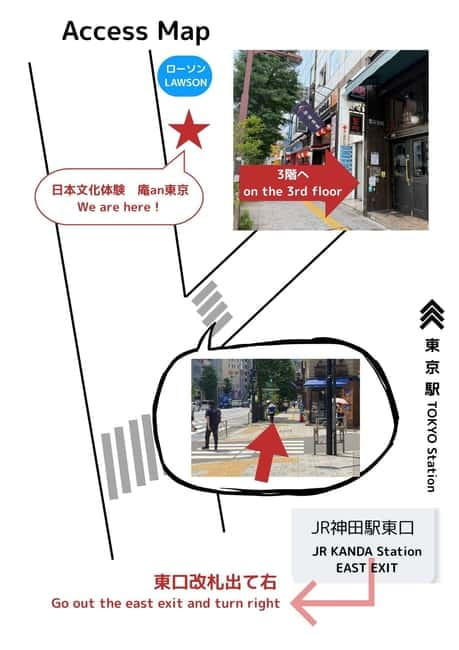
You meet at AN TOKYO Japanese Culture Experience. The coordinates provided are 35.6916541, 139.7715022.
I recommend you arrive a few minutes early. The info is clear that they won’t hold the event to accommodate delays, and those who don’t participate won’t be allowed to enter. In other words: timing matters more here than in a casual cafe meetup.
If you’re navigating Tokyo, this is a good activity to do when you already have your neighborhood plan set. The experience itself is time-boxed, so it pairs best with a day that isn’t packed with last-minute train changes.
Who this is best for (and who should think twice)
This class is a great fit if:
- You want a practical cultural activity tied to Japanese food traditions.
- You enjoy hands-on crafts more than museum-style sightseeing.
- You like tea culture enough to learn how it’s served and tasted.
- You want a short workshop with a clear end product: two sweets plus a matching tea session.
It’s less ideal if:
- You get stressed by group pace and crowding.
- You need perfect English explanations to follow fine techniques.
- You’re hoping for a long, quiet, slow ceremony with lots of personalized guidance.
If you’re a couple, a solo traveler, or a small group who wants something different from typical sightseeing, this workshop style is a solid choice.
Small upgrades and optional add-ons
Two extras are mentioned:
- A sweets take-out box is available for 100 JPY if you want to bring your wagashi home.
- A completion certificate costs 300 JPY. If you want a nominative certificate, you’ll need to share your names in advance; otherwise, there’s a blank space at your name.
If you’re the type who likes proof of learning or you’re collecting neat certificates, the certificate add-on is a fun souvenir. If you don’t care, skip it. The main value is the skills and taste you take away immediately.
Should you book this Nerikiri and Uji Matcha class?
If you want an activity that feels like Japanese culture rather than just Japanese food, book it. The best reasons are simple: you make two seasonal wagashi, you use Kyoto-sourced bean paste, and you drink Uji matcha as part of the tea ceremony flow.
Before you click confirm, check your own tolerance for group pace and sound quality. If you’re sensitive to crowded rooms or you need extra help understanding step-by-step instructions, aim for a less busy time slot if that option is available when you book.
For most people who enjoy food, tea, and craft, this is one of the more worthwhile short cultural classes in the Tokyo area: you leave with something you made, plus the tea lesson to go with it.
FAQ
How long is the Japanese Traditional Sweets making and Tea Ceremony?
The experience lasts 95 minutes.
How much does it cost?
It costs $18 per person.
What sweets will I make during the class?
You’ll make two Japanese traditional sweets called Nerikiri, matching the season. The class includes flower shaped Nerikiri making and Kinton Nerikiri making.
What kind of matcha is used?
The tea ceremony uses Uji matcha, described as single-origin special Matcha.
Is the class taught in English?
A Japanese instructor teaches the class, and English translation is provided as much as possible. If you want to add English translation, you can contact them.
Where do I meet for the experience?
You meet at AN TOKYO Japanese Culture Experience. The coordinates provided are 35.6916541, 139.7715022.
Is the price only for the activity, or does it include tea and the sweets?
The included part is Japanese Traditional Sweets making and Tea Ceremony, and you can enjoy the sweets you prepared along with your matcha tea.
Can I get my sweets to take away?
A sweets take-out box is not included and costs 100 JPY.
What if I arrive late?
They will not be able to hold the event to accommodate delays, and those who do not participate will not be allowed to enter.