REVIEW · TOKYO
Create Your Akihabara Tour! Anime, Games & Local Tips
Book on Viator →Operated by ASK Mune · Bookable on Viator
Akihabara can overwhelm fast. This private walking tour with your guide’s undivided attention gives you a research-free shortcut through Electric Town, mixing iconic anime shopping with classic game stops. The one real consideration: it’s built for walking for about two hours, so comfy shoes matter, and the $91.31 per person price can sting if you’re going solo.
I like that the experience isn’t locked into a rigid script. The itinerary is designed to be flexible based on what you care about most, and you get practical extras like Japanese Manners 101 and included Wi‑Fi to help you keep moving.
You also get a clear start: the tour meets at atré Akihabara (11-chōme-17-6 Sotokanda, Chiyoda City). The guide, ASK Mune, is known for being easy to communicate with and giving straightforward meeting instructions, which helps when you’re trying to find your way around a dense area.
In This Review
- Key things you’ll appreciate on this Create Your Akihabara Tour
- Entering Electric Town the easy way (and actually making sense of it)
- Starting at atre Akihabara: how to get oriented fast
- Radio Kaikan: the anime-merch shopping floors that feel like story pages
- What I like about starting here
- A practical consideration
- GiGO Akihabara 1st: arcade culture without the guesswork
- Why this stop matters
- If you’re arcade-shy
- Super Potato: retro gaming nostalgia you can actually browse
- What to watch for
- Kanda Shrine: an otaku-friendly pause with real etiquette
- Why this matters in Akihabara
- A consideration
- A guide like ASK Mune: what you’re really paying for
- Flexibility without chaos: how to shape the two hours
- Value check: $91.31 per person for a private guide in the right places
- Timing and energy: what to expect walking through Akihabara
- Practical tips so you don’t waste your excitement
- Who should book this Akihabara tour (and who might skip it)
- Should you book this Create Your Akihabara Tour?
- FAQ
- How long is the Akihabara private walking tour?
- What is the meeting point for the tour?
- Where does the tour end?
- How much does the tour cost?
- Is this tour private?
- What’s included in the price?
- Are admission tickets required for the stops?
- Is food or transportation included?
- What is the cancellation policy?
Key things you’ll appreciate on this Create Your Akihabara Tour
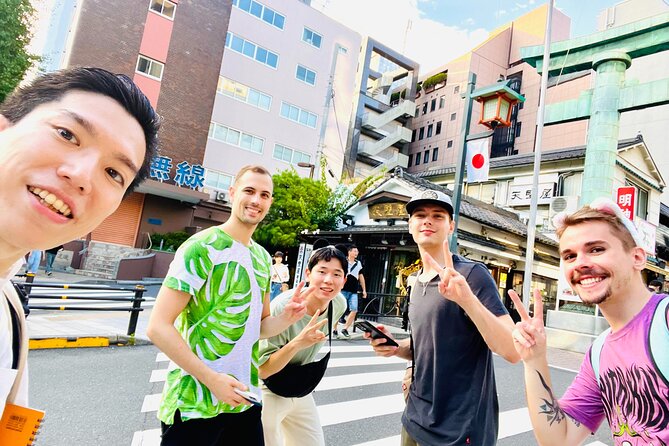
- Private guide time focused on anime, manga, and gaming interests, not a big group shuffle
- Flexible routing so you can lean more shopping, more arcades, or more retro game nostalgia
- Stop mix that hits different moods: merch floors, game centers, retro gaming, then a shrine break
- Free entry stops at each main location, so your money goes to the guide, not admission
- Wi‑Fi + Japanese manners tips, useful right away when you’re moving through shops and shrines
Entering Electric Town the easy way (and actually making sense of it)

Akihabara looks like it was built for people who love screens, characters, and consoles. That’s the good news. The tricky part is that it can turn into sensory overload fast: neon signs, crowded streets, endless shop windows, and long aisles inside.
This tour is a practical fix. You’re not trying to guess what to see first, and you’re not wandering around hoping to stumble on the right flavor of Akihabara. You’re moving with a guide who can point out what’s worth your time and what’s just noise.
The other big win is private pacing. Instead of rushing through stops, you can slow down for the things that grab you. If your priority is anime merchandise, you can spend more energy there. If you’re chasing game history and retro gear, the stops lean that direction too.
You can also read our reviews of more tours and experiences in Tokyo.



Starting at atre Akihabara: how to get oriented fast

You begin at atré Akihabara 11-chōme-17-6 Sotokanda, Chiyoda City. That matters because Akihabara’s backstreets can be confusing, and station exits can feel like a maze. A solid meeting spot reduces stress before you even step into the shopping streets.
This also helps your first ten minutes. You can get your bearings quickly, and you don’t waste your tour time playing catch-up. The tour ends back at the meeting point, which keeps the logistics simple—no need to figure out your next subway transfer while you’re still excited and slightly overwhelmed.
One more small but real perk: you get a mobile ticket. That’s one less thing to manage on your phone while you’re in and out of shops.
Radio Kaikan: the anime-merch shopping floors that feel like story pages
Your first main stop is Akihabara Radio Kaikan, one of the area’s most recognizable landmarks. It’s the kind of place that pops up in anime, so even before you enter, you’re already in the right headspace.
Inside, each floor is packed with anime-focused shops and card stores. If you’re the type who likes browsing—checking series names, scanning character goods, and hunting for the one item you didn’t know you wanted—this stop is built for you.
What I like about starting here
It sets the tone. You get dropped into an easy-to-navigate “zone” where the theme is clear. You’re not guessing whether a store fits your interest because everything is clearly aimed at anime and otaku culture.
A practical consideration
Merch shopping can turn into fast-spending mode. If you have a budget, I suggest you decide what you’re shopping for before you walk inside—keychains, prints, cards, specific series goods, and so on. That way you enjoy the chaos without accidentally turning it into a money sprint.






GiGO Akihabara 1st: arcade culture without the guesswork

Next comes GiGO Akihabara 1st, a popular game center in the middle of Akihabara’s arcade scene. This is where you switch from browsing to playing.
The tour highlights a mix of arcade-style options, including:
- claw machine games
- rhythm games
- fighting game formats
A guide’s role here is underrated. Arcade rules can be confusing when you don’t know the system, and game centers often move fast. Having someone help you understand what you’re looking at keeps you from standing around, translating in your head, or missing what’s fun.
Why this stop matters
Akihabara isn’t just collectibles. It’s also game culture—how people spend time, how arcades operate as social spaces, and how you experience games in public. GiGO is one of the best ways to get that feel in a short time.
If you’re arcade-shy
You can still enjoy it as a visual and cultural stop. Even if you don’t play every game, watching the types of cabinets and the style of the experience is part of what makes Akihabara feel like Akihabara.
Super Potato: retro gaming nostalgia you can actually browse

Then you hit Super Potato, a place for nostalgia. Think classic consoles, vintage games, and even arcade machines from earlier eras. It’s the kind of store that rewards slow walking and curiosity—checking labels, comparing items, and noticing how older hardware looks in real life.
If you love retro games, this is the most satisfying stop on the tour because it’s not a themed store based only on characters. It’s about hardware, history, and the physical vibe of older gaming.
What to watch for
Super Potato can be visually thick with details: different generations of gear, lots of small items, and displays that take time to scan. If you’re the type who likes reading back-of-box info or comparing versions, you’ll be happy to spend more time here.
If you’re only passing through and want to keep your budget under control, focus your browsing on the one thing you care about most (for example, consoles vs. handhelds vs. arcade cabs), then enjoy the rest without trying to evaluate everything.
Kanda Shrine: an otaku-friendly pause with real etiquette

After games and shopping, you get a breather at Kanda Shrine (Kanda Myojin). This stop is one of the most interesting contrasts in the tour: you move from shops and neon into a traditional shrine setting.
What makes it special for pop-culture fans is the otaku-friendly twist. This shrine even appears in popular anime, and the guide walks you through a proper way to pray. That’s not just a fun photo moment. It’s a chance to understand how shrine etiquette works in practice.
Why this matters in Akihabara
Akihabara’s identity is often explained as electronics and characters. But Tokyo is bigger than that, and this stop helps you connect the modern obsession to real local tradition. You leave with a more rounded picture of how people fit old and new together.
A consideration
Shrines require a little etiquette awareness. Luckily, this tour includes Japanese Manners 101, and the guide is there to keep you from doing anything awkward. Even if you’ve visited shrines before, it’s still useful to see what’s expected in this specific setting.
A guide like ASK Mune: what you’re really paying for
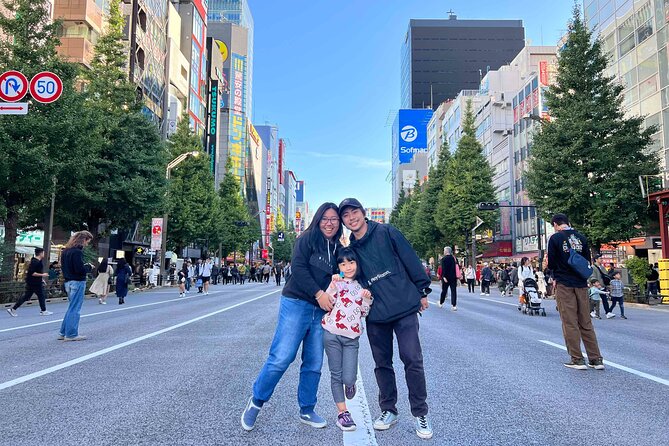
The headline is the locations. But the real value is the guide and the flow.
ASK Mune is part of what makes this tour work: clear communication before you meet, a welcoming style, attentiveness during the walk, and explanations that connect each stop to what you’re seeing. You’re not just pointed at a store window. You’re given context and stories that help the place click.
This is also why the tour can be tailored. It’s not a rigid checklist where you feel like you’re stuck. If you want more anime merchandise time, you can steer the pace. If you’d rather spend more energy on retro games or arcades, you can do that too.
That “custom” feeling is rare on short tours. For an area as dense as Akihabara, it’s also the difference between a tour that feels like sightseeing and one that feels like you’re learning how to navigate the neighborhood.
Flexibility without chaos: how to shape the two hours
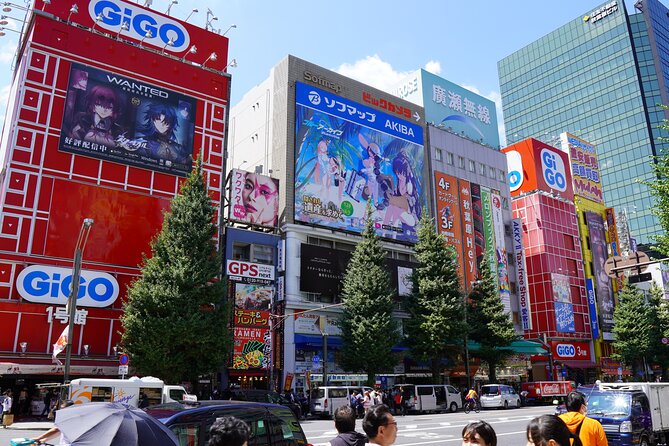
This tour is about 1 hour 40 minutes to about 2 hours. That time window sounds short, but in Akihabara it can feel like a whole day if you do it right.
Because the itinerary can be adjusted, you can make smart tradeoffs:
- If you’re heavy on shopping, you’ll want to arrive with an idea of what you want to look for.
- If you’re a serious game fan, focus on the arcade and retro stops so you don’t miss the best parts.
- If you want a balanced experience, keep the shrine stop—it adds a needed reset after the crowds and noise.
The goal isn’t to cram everything in. It’s to see the right things in the right order so you don’t spend the tour feeling lost.
Value check: $91.31 per person for a private guide in the right places
At $91.31 per person, this isn’t a bargain-bin activity. It’s a paid “help me get it right” tour.
Here’s where the value comes from:
- You’re paying for a private guide who can tailor the plan and keep you moving smoothly.
- The core stops have free admission for the experience components listed (Radio Kaikan, GiGO, Super Potato, and Kanda Shrine).
- You get practical add-ons: Wi‑Fi and Japanese Manners 101.
- You don’t have to spend time researching routes, figuring out which buildings matter, or guessing what to skip.
What’s not included matters too. Food and drinks are not included, and transportation costs aren’t included. You’ll need to plan any meals around the tour timing, and you should budget for train/subway rides if you’re coming from elsewhere.
If you’re traveling with friends or family who share interests (anime + games), the private format can feel like a smart use of money. If you’re solo and price-sensitive, consider whether you’ll use the guide’s expertise enough to justify the spend. The tour only works well when you lean in and use that brainpower.
Timing and energy: what to expect walking through Akihabara
This is a walking tour through a highly concentrated area. Even though every stop is fairly short, the sidewalks, crowds, and indoor browsing all add up.
So I’d plan your day with buffer time. Give yourself room to enjoy shopping without feeling rushed, and keep a flexible attitude. If you’re hoping for a slow museum-style pace, you might want a longer tour than this one.
The good news: the tour is designed for maximum usefulness in a short window. You get:
- a “start strong” shopping landmark
- an arcade experience zone
- a retro gaming browsing stop
- a calm tradition stop
That mix keeps it from feeling repetitive.
Practical tips so you don’t waste your excitement
A few no-drama habits help you get more from this kind of Akihabara experience:
- Bring comfortable shoes. You’ll be on your feet for the full walk plus browsing time.
- Have a simple shopping plan. It’s easy to get distracted by merchandise, cards, and game curios.
- Use the included Wi‑Fi to check series names, plan your next stop, or confirm what a store is selling if you can’t read everything at a glance.
- Ask questions during the shrine portion if you’re unsure about etiquette. The point is to leave knowing what you’re doing.
Also, because confirmation happens at booking and you get a mobile ticket, you can travel lighter. You’re not juggling paper tickets, and you can keep your phone ready for entry.
Who should book this Akihabara tour (and who might skip it)
Book it if:
- you love anime, manga, or Japanese gaming culture
- you want a guided shortcut through the best-known spots
- you’d rather play along with a local than spend hours researching
- you like variety: merch + arcades + retro games + shrine etiquette
Skip or reconsider if:
- you’re mainly interested in something ultra-specific and want only one type of store or one type of game
- you don’t want to walk much or browse inside crowded buildings
- you’re trying to keep costs as low as possible and don’t feel you’ll use a private guide
If you’re on the fence, here’s a good rule: if Akihabara feels confusing right now, this tour is built to turn confusion into a clear, fun route.
Should you book this Create Your Akihabara Tour?
I’d book it if you want an organized, anime-and-gaming focused Akihabara hit in about two hours, led by a guide who can explain what you’re seeing and help you choose where to spend your time. The mix of iconic shopping (Radio Kaikan), play time (GiGO), retro browsing (Super Potato), and a proper shrine stop (Kanda Shrine) makes it feel complete without turning your day into a marathon.
If you’re price-sensitive or you already have a tight Akihabara plan locked down, you might do fine on your own. But if you’d rather stop researching and start experiencing, this private format is exactly the kind of value that pays off in a place as packed as Akihabara.
FAQ
How long is the Akihabara private walking tour?
It runs about 1 hour 40 minutes to about 2 hours.
What is the meeting point for the tour?
The tour starts at atré Akihabara 11-chōme-17-6 Sotokanda, Chiyoda City, Tokyo 101-0021, Japan.
Where does the tour end?
The tour ends back at the meeting point.
How much does the tour cost?
It costs $91.31 per person.
Is this tour private?
Yes. It’s a private tour/activity, and only your group participates.
What’s included in the price?
Included are a passionate local guide, Japanese Manners 101, a flexible itinerary tailored to your interests, and Wi‑Fi.
Are admission tickets required for the stops?
No. The listed stops have admission ticket free for this experience.
Is food or transportation included?
No. Food and drinks aren’t included, and transportation costs aren’t included.
What is the cancellation policy?
Free cancellation is available if you cancel up to 24 hours in advance for a full refund. Cancellation within 24 hours of the start time isn’t refunded.