REVIEW · TOKYO
Tokyo Toilet Tour
Book on Viator →Operated by Tanaka's Tokyo Tours · Bookable on Viator
Tokyo’s toilets are a design tour. This private route is a clever way to see modern Tokyo through world-famous architects and the neighborhoods around them. I especially like the private, customizable feel, so you’re not stuck in a big group shuffle while you hunt for one very specific kind of curiosity. One thing to consider: you’ll be walking between spots for about 3.5 hours, so comfortable shoes and a moderate pace matter.
You’ll start near Yoyogi and finish in Ebisu, which is a great arc for first-timers: you get Shibuya-adjacent culture without staying camped in the busiest blocks all day. The tour also uses a mobile ticket, and every stop is listed with free admission, so you’re mostly paying for guide time and smart routing. If you want to experience Tokyo your way, this is a fun format.
In This Review
- Key Highlights You Should Know Before You Go
- Why A Tokyo Toilet Tour Feels Smarter Than It Sounds
- Price and Value: What $223.34 Per Group Really Buys
- The Route Overview: From Yoyogi Hachimangu to Ebisu
- Stop 1: Yoyogi Hachimangu Shrine and the Shigeru Ban Toilet
- Stop 2: Miyashita Park for Tadao Ando’s Toilet and Shibuya’s Renewal
- Stop 3: Shibuya Crossing as a Quick Orientation Moment
- Stop 4: Nabeshima Shoto Park for Kengo Kuma in a Quiet Residential Area
- Stop 5: Ebisu Toilets by Maki, Sato, and Tamura
- What Your Private Guide Adds (Especially in Shibuya)
- Practical Tips to Make the 3.5 Hours Feel Easy
- Should You Book This Tokyo Toilet Tour?
- FAQ
- How long is the Tokyo Toilet Tour?
- What is the total price?
- Where does the tour start and end?
- Is the tour private?
- What’s included in the price?
- Are admission tickets required for the stops?
- Is lunch included?
Key Highlights You Should Know Before You Go
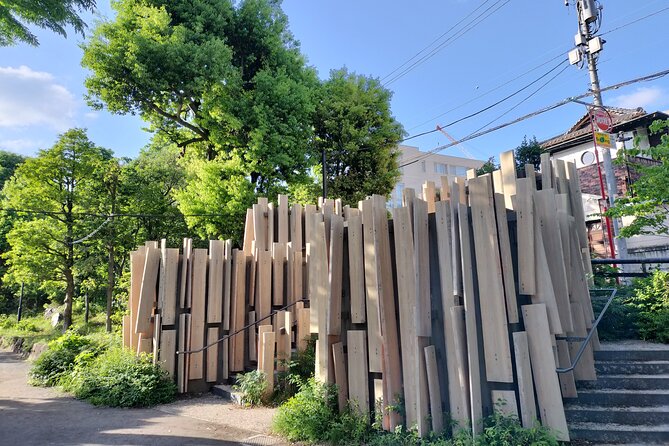
- Architect-designed toilets by names like Shigeru Ban, Toyo Ito, Tadao Ando, Kengo Kuma, Fumihiko Maki, Kashiwa Sato, and Nao Tamura
- Yoyogi Hachimangu’s film-nerd moment, tied to Wim Wenders Perfect Days and a lunch-break detail
- Shibuya-to-Ebisu walking route, including a quick pass by Shibuya Crossing so you can orient fast
- Private guide, private pace, with flexibility to tailor your interests and abilities
- Free admission at each listed stop, so costs mostly stay simple
- Ends at Ebisu Station, a convenient landing zone on major train lines
Why A Tokyo Toilet Tour Feels Smarter Than It Sounds
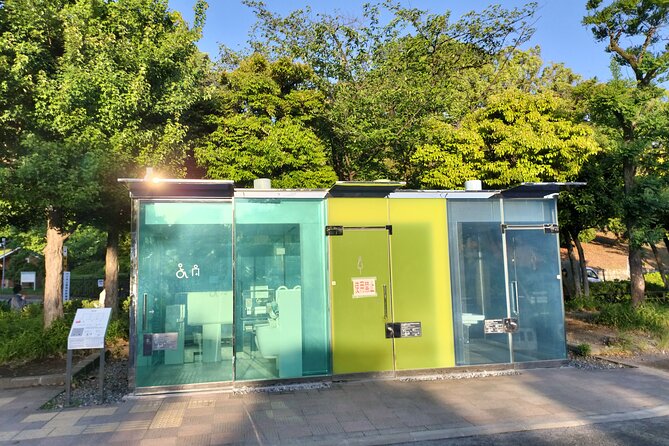
Yes, it’s exactly what it sounds like: a Tokyo tour focused on public toilets designed by major architects. But the real hook is not the plumbing. It’s the way the toilets act like breadcrumbs across neighborhoods that most first-timers skip.
I like tours that teach you how to read a city. Here, the guide helps you notice small design choices, how architecture handles privacy and light, and how public space fits into daily Tokyo life. It also gives you permission to explore places that aren’t on every postcard.
The private format is the other big win. Instead of herding with strangers, you move as a group of up to four, with a guide who can adjust to what you care about. That matters if you’re traveling with kids, want slower breaks, or just hate wasting time.
You can also read our reviews of more tours and experiences in Tokyo.



Price and Value: What $223.34 Per Group Really Buys
The price is $223.34 per group for up to four people, for a tour lasting about 3 hours 30 minutes. That means your per-person cost drops fast if you’re splitting the group price.
You’re paying for three things: a private guide, a built-in route, and time-saving context so you don’t wander in the wrong direction hunting for small sites. Lunch and private transport are not included, but admission at the listed stops is free, which helps keep your total day from ballooning.
Also, the tour is often booked about 39 days in advance on average, so if you’re traveling during a busy season, it’s worth locking it in sooner rather than later.
The Route Overview: From Yoyogi Hachimangu to Ebisu
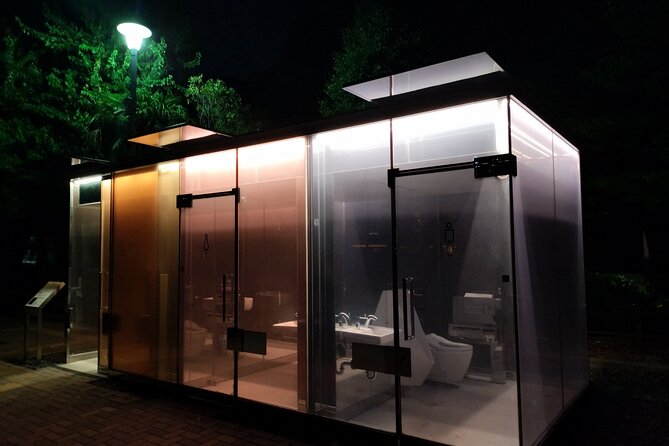
This is a start-to-finish walk across central Tokyo, structured around a handful of specific stops. You begin at Yoyogi Fukamachi Mini Park (1-chōme-54-1 Tomigaya, Shibuya) and end at Ebisu Station (1 Chome-5 Ebisuminami), which sits on the JR Yamanote Line and the Tokyo Metro Hibiya Line.
Each stop is timed fairly tightly, so you’ll see a lot without turning the day into an all-day hike. The listed stops also include brief transition time, like a quick walk across Shibuya Crossing on the way to the next location. It’s not a deep-dive into the intersection. It’s a chance to reorient.
One practical note: the tour calls for moderate physical fitness. That’s not code for intense trekking, but it does mean you should plan on steady walking between compact areas, with minimal “vehicle time.”
Stop 1: Yoyogi Hachimangu Shrine and the Shigeru Ban Toilet
Your first stop is Yoyogi Hachimangu Shrine, and the design focus here is big. You’ll see a toilet associated with architect Shigeru Ban featuring a transparent cubicle concept, plus another designed by Toyo Ito nearby.
This stop gets extra attention because it connects to the movie Perfect Days by Wim Wenders. The tour description specifically mentions the main character’s lunch break moment linked to this area. If you’re a film fan, this becomes more than architecture viewing. You’re stepping into a real setting that’s been turned into storytelling.
What I like about starting here is the atmosphere. You’re near a small Shinto shrine, and that makes the whole experience feel grounded. It’s a reminder that public design still lives inside Tokyo’s everyday rituals, not just inside museums.
If you’re not into the film reference, it still works. The architect notes are the point, and the shrine setting helps you understand why people tolerate and even appreciate public architecture.
Stop 2: Miyashita Park for Tadao Ando’s Toilet and Shibuya’s Renewal
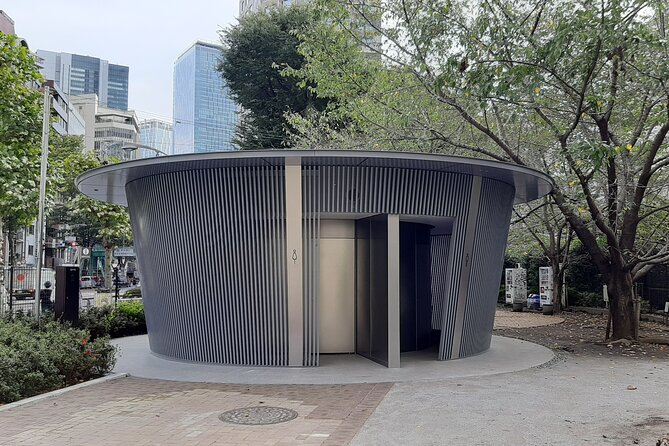
Next up is Miyashita Park, a location that sits between Shibuya and Harajuku. The toilet design here is attributed to architect Tadao Ando, and the area is described as having seen major redevelopment in the last five years.
That timing matters. Tokyo’s “new” districts aren’t just about flashy buildings. They’re about how the city rearranges public space, foot traffic, and everyday services. A toilet designed by a world-class architect is a surprisingly strong symbol of that shift.
At this stop, you get a chance to compare moods: you’re no longer in a shrine-adjacent pocket. You’re in a more modern, redevelopment-shaped environment. It’s also a nice breather in your day because the stop is listed as about 30 minutes.
A possible drawback: because this is more urban and in the Shibuya-Harajuku zone, it can feel busy compared with quieter park-adjacent spots later. Plan for that with a relaxed pace and the mindset that crowds are part of the Tokyo picture.




Stop 3: Shibuya Crossing as a Quick Orientation Moment
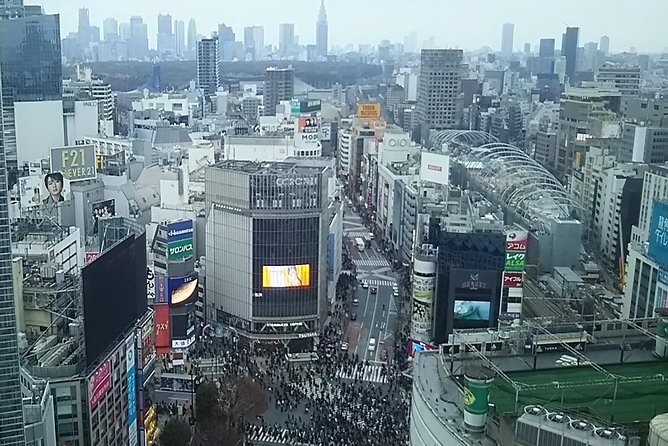
This one is simple. You’ll cross Shibuya Crossing for about 5 minutes. It’s not presented as the star of the toilet project, but it’s a smart inclusion because it’s a fast way to anchor your sense of direction.
For first-time visitors, Shibuya Crossing can be overwhelming. A short crossing with a guide is easier than trying to navigate it alone while you’re also thinking about the next address.
In other words: this is Tokyo’s loudest intersection used like a signpost. You get the iconic scene without turning your day into a long wait for the perfect photo.
Stop 4: Nabeshima Shoto Park for Kengo Kuma in a Quiet Residential Area
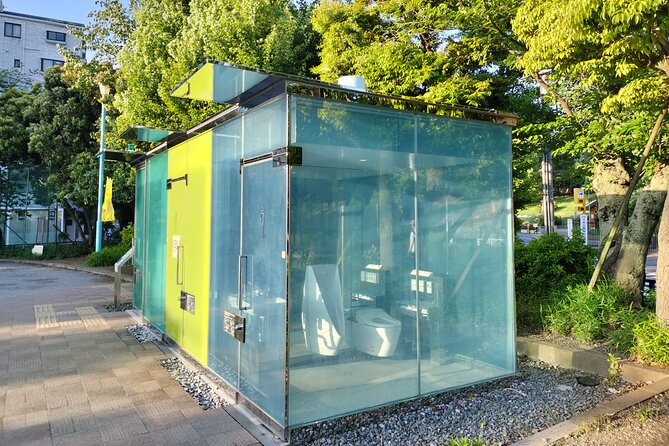
Then you head to Nabeshima Shoto Park, where you’ll see a toilet designed by architect Kengo Kuma.
What makes this stop feel different is the setting. The description calls it a quiet residential area about one kilometer away from the main station. That distance detail matters because it suggests you’re not just touring famous shopping streets. You’re walking into the texture of daily life.
This is one of those moments when a “weird” tour makes sense. Toilets are public, but they often reveal how a city balances privacy, convenience, and design quality. In a quieter residential pocket, those design priorities can feel more intimate and human.
The listed time here is about 15 minutes, which is short but likely enough to see the key design features and move on. If you love architecture details, it’s still worth paying attention to how the park frames the experience.
Stop 5: Ebisu Toilets by Maki, Sato, and Tamura
Your last stop is Ebisu, described as an area one station south of Shibuya. Here you’ll see toilets designed by Fumihiko Maki, Kashiwa Sato, and Nao Tamura.
Ebisu tends to feel more low-key than central Shibuya. That contrast is useful. You can end your toilet-architecture tour in a neighborhood that feels calmer while still staying connected to major transit.
The listed time here is about 30 minutes, which gives you a little more room to linger than some of the earlier stops. It’s also a good finish because you end near the transit hub at Ebisu Station, so you can keep going to dinner or another neighborhood without planning your next movement from scratch.
What Your Private Guide Adds (Especially in Shibuya)
A toilet tour could easily become a checklist. The guide is what turns it into a city-learning experience.
The tour is run by Tanaka’s Tokyo Tours, and the reviews you’ll likely hear about this experience often single out guides like Ken for friendly, clear explanations. The useful part for you is the approach: the guide helps connect the dots between architecture and the broader story of Tokyo’s changes, including the Shibuya City project and the architects involved.
You should treat this as a chance to ask smart questions. For example:
- How does the design handle privacy in a public setting?
- Why would a famous architect put their name on something so everyday?
- What makes one park-shaped stop feel different from a shrine-shaped stop?
Even if you’re not an architecture buff, good answers help you remember what you saw and why it matters.
Practical Tips to Make the 3.5 Hours Feel Easy
This is built for walking, so plan for comfort first. Wear shoes you can keep on for a long urban stroll, and keep your day light so you’re not juggling extra bags.
Since lunch isn’t included, I suggest you think about timing before you go. Either eat earlier and treat the tour as an afternoon wandering session, or plan a post-tour meal near Ebisu so you’re not stuck hunting for food right after the last stop.
Also, admission at the listed stops is free, so don’t budget for ticket costs. Your main cost drivers are the guide price and whatever you choose to spend on your own during the walk.
If you want photos, bring what you normally use, but keep expectations real. These are public spaces. You may not have unlimited time to pose.
Should You Book This Tokyo Toilet Tour?
I’d book it if you want a fresh Tokyo angle that’s not just temples and shopping streets. It’s especially worth it for first-timers who like a plan but hate the chaos of large group tours. Families, couples, and solo travelers all fit the private format, and the route ending in Ebisu is a strong bonus for an easy next step.
I would skip it only if walking for about 3.5 hours sounds like punishment, or if you truly hate architecture explanations. This isn’t a generic sightseeing tour with a quirky theme. It’s a guided look at how famous designers shape everyday public life.
If you’re curious, it’s fun in a very Tokyo way: you’ll see design where you normally wouldn’t think to look.
FAQ
How long is the Tokyo Toilet Tour?
The duration is listed as about 3 hours 30 minutes.
What is the total price?
It costs $223.34 per group, up to 4 people.
Where does the tour start and end?
It starts at Yoyogi Fukamachi Mini Park (Yoyogi, Shibuya) and ends at Ebisu Station (JR Yamanote Line and Tokyo Metro Hibiya Line area).
Is the tour private?
Yes. It’s a private tour, and only your group will participate.
What’s included in the price?
A private tour guide is included.
Are admission tickets required for the stops?
For each listed stop, admission is shown as free.
Is lunch included?
No. Lunch is not included, and private transportation is also not included.