REVIEW · TOKYO
Tokyo: Pre Japan Planning Kit: Itineraries, Food & Survival
Book on GetYourGuide →Operated by Sunrise Adventure · Bookable on GetYourGuide
Tokyo can feel like a giant puzzle. This kit turns it into a simple plan with offline-ready PDFs and practical language help. I like that it’s built by a Norwegian and Japanese couple who live in Tokyo, so the focus stays on real day-to-day travel choices. I also like the structure: you get meal ideas and a schedule that’s easy to follow at your own pace. The main drawback is also the obvious one: there’s no live guide, so you’ll need to be comfortable figuring things out solo.
If you want Tokyo like a guided trip, this is not that. But if you want flexibility without chaos, it’s a strong value—especially for friends or families traveling together under the same group purchase.
In This Review
- What This Tokyo Pre-Planning Kit Actually Is
- The Big Strengths I’d Bet On
- Key Points You’ll Care About
- Planning From Shinjuku: Why This Starting Point Helps
- The Itinerary Style: Full Days With Flexible Blocks
- A realistic way to use the day plan
- The practical drawback
- Meals: Restaurant Recommendations That Reduce Decision Fatigue
- Why the food guide is such a value
- A small consideration
- Street Food and Snacks: Build In Those “Little Wins”
- Shopping and Photo Stops: Why They Matter in a Digital Plan
- The Japanese Survival Card: Small Words, Big Stress Reduction
- How I’d use it
- Self-Guided Means You Control the Pace
- Price and Value: $20 Per Group (Up to 15)
- Why the low price can still be meaningful
- Delivery Time and Offline Use: Don’t Fly Without Checking Your Email
- Who This Planning Kit Fits Best
- Should You Book It?
- FAQ
- Is this a live guided tour?
- Where does the itinerary start from?
- What’s included in the kit?
- How do I receive the materials?
- Can I use the materials offline?
- What language is the kit in?
- How long is the kit for?
- How much does it cost?
- Is there a meeting point to show up at?
- Is cancellation allowed?
What This Tokyo Pre-Planning Kit Actually Is
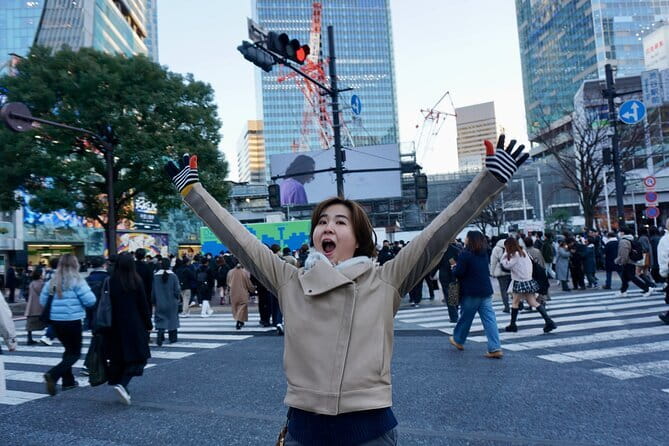
This is a digital self-guided planning kit you use before and during your Tokyo days. After you book, you get a private Google Drive link with downloadable PDFs (you can save them to your phone or keep them offline). The kit is meant to reduce the time you spend hunting for routes, restaurants, and basic survival phrases.
It’s not sold as the one perfect itinerary for everyone. The creators are Nikolai and Kaho, a married couple (Norwegian and Japanese) who have lived together in Japan for years and have guided others in the past. Their angle is practical: they share the places they love taking friends and family, not a generic “top sights only” list.
The Big Strengths I’d Bet On
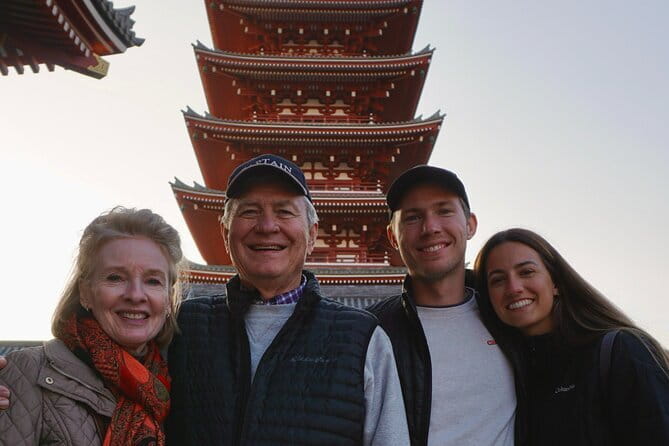
Here’s what you’ll feel right away when using the kit.
Clear day-by-day structure (with room for real life).
The PDFs are built as full-day routes with time blocks like breakfast, lunch, dinner, sightseeing, shopping, walking, photo stops, free time, and local snacks.
Budget-friendly restaurant recommendations.
You get a restaurant guide with picks across different parts of Tokyo, described as mostly affordable—useful if you don’t want to blow your budget on meals you didn’t plan.
A printable Japanese survival card.
You’ll get a small “card” you can print or keep on your phone. It’s designed for everyday situations, with useful words and phrases for travel basics.
A fast, private digital delivery.
Once you book, you receive the Google Drive link via email within about 3 days. That lets you prepare before you land, then keep everything accessible during the trip.
You can also read our reviews of more food & drink experiences in Tokyo



Key Points You’ll Care About
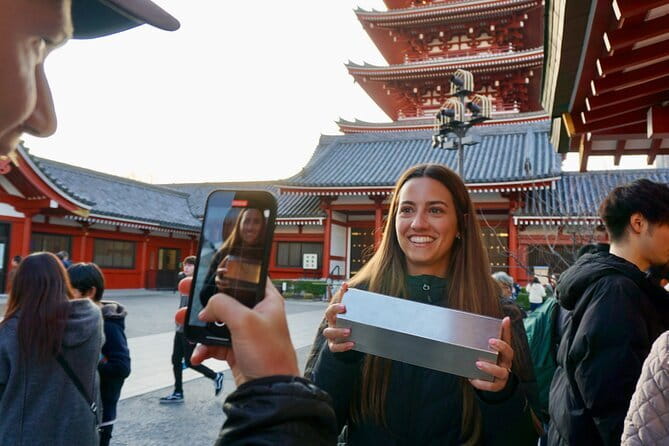
- Offline-friendly PDFs so you can navigate without constantly depending on mobile data
- 1–4 day itinerary options even if you only need a short stay
- Shinjuku as the anchor point to help you plan with a real starting base
- Restaurant guide across multiple Tokyo areas with budget-leaning choices
- Japanese survival card for the small moments that usually slow trips down
Planning From Shinjuku: Why This Starting Point Helps
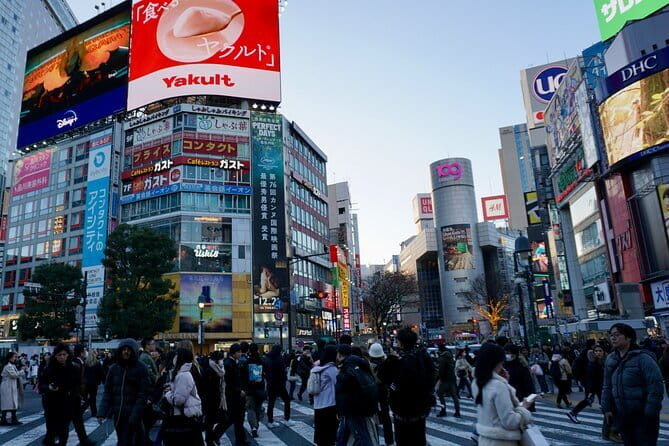
Your kit starts from Shinjuku City, with Shinjuku Station given as the reference point (the coordinates are listed so you can plug them into maps). Even though there is no physical meeting point, that reference is still valuable.
Shinjuku is practical because it’s a major transit hub. That matters when you’re self-guiding: you want a simple mental anchor for where your day begins and where you can regroup if plans shift. So instead of starting from a vague “central Tokyo” idea, your itinerary builds from a real location.
The downside of anchoring to one area is distance. Tokyo is big. If your day includes attractions far from Shinjuku, you’ll want to check travel time between meal spots and sights. The kit helps with structure, but you still need to be realistic about transit and walking time.
The Itinerary Style: Full Days With Flexible Blocks
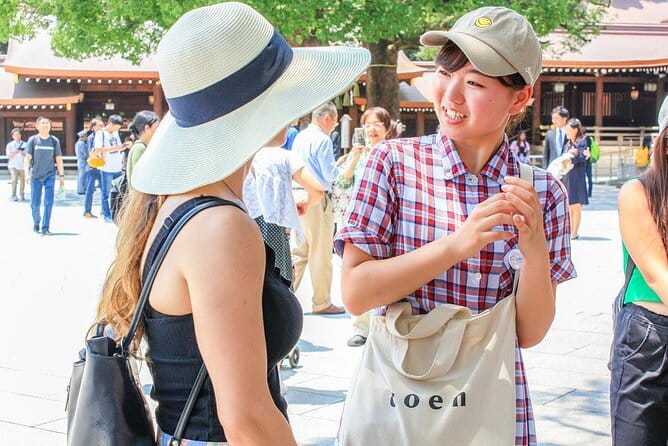
The itinerary format uses common travel moments as building blocks. You’ll see sections like breakfast, lunch, dinner, street food, local snacks, sightseeing, shopping, walks, scenic views on the way, and free time.
What I like about this approach is that it matches how Tokyo days actually feel. You’re not just racing from icon to icon. You’re also stopping for food, photos, wandering, and those “we have 45 minutes” pauses.
A realistic way to use the day plan
When you open a day PDF, don’t treat it like a strict timetable. Use it like a menu of decisions:
- Pick the breakfast/lunch/dinner blocks that fit your energy.
- Keep the sightseeing blocks for the times you’re most awake.
- Treat free time and shopping as buffer zones. Tokyo runs better when you don’t schedule every minute.
You can also read our reviews of more tours and experiences in Tokyo



The practical drawback
Because the kit is self-guided, the PDFs are only as useful as your willingness to follow them. If you tend to wing everything, you might skip the itinerary and miss the benefit. The kit works best when you at least skim the day route and meal order before you go out.
Meals: Restaurant Recommendations That Reduce Decision Fatigue
One of the hardest parts of planning Tokyo isn’t finding things to do. It’s figuring out where to eat without wasting hours.
This kit includes a Tokyo restaurant recommendation guide with personal picks for food across different areas of Tokyo. The emphasis is mostly on affordable spots, which is a lifesaver when exchange rates and daily costs add up.
Why the food guide is such a value
Even if you’re a confident traveler, meal hunting in a new city costs time and energy. A guide like this acts as a shortcut:
- You can choose restaurants based on where you are that day.
- You can avoid stumbling into places that don’t fit your budget.
- You can keep your schedule moving instead of researching mid-hunger.
A small consideration
Restaurant recommendations don’t guarantee your exact preferences. The kit is built around the creators’ tastes. If you’re extremely picky or have strict dietary needs, you’ll likely want to double-check options when you arrive. Still, the mix across areas and the budget-leaning approach make it easier to find something that fits.
Street Food and Snacks: Build In Those “Little Wins”

The kit includes blocks for street food and local snacks. That might sound minor, but it’s one of the best ways to experience Tokyo without turning every meal into a full production.
I think street food-style eating works especially well when your itinerary already includes walks and scenic views. You’re not dragging yourself somewhere special just to eat. You’re letting Tokyo feed you while you move through neighborhoods.
Practical tip: treat snack blocks as a way to prevent dinner from becoming a rushed scramble. If you snack at the right times, you’ll enjoy dinner more instead of eating wherever you can find the fastest seat.
Shopping and Photo Stops: Why They Matter in a Digital Plan
Your day routes include shopping and photo stops. Those two categories are what separate a trip plan from a checklist.
In Tokyo, shopping can be surprisingly time-consuming, especially if you stumble into a store you didn’t expect. If your itinerary ignores shopping entirely, you end up feeling rushed whenever you find something cool. Here, shopping is already part of the structure, which makes your day feel more human.
Photo stops are similar. Tokyo is full of spots where a 5-minute pause turns into a 25-minute moment. Having photo stops built in is how you avoid constantly thinking, we’ll never get a good picture.
The Japanese Survival Card: Small Words, Big Stress Reduction
The kit includes a printable Japanese survival card with useful phrases and words for everyday travel situations. The idea is simple: when something goes sideways—asking a question, handling a basic interaction—you don’t have to rely on memory or frantic smartphone searching.
How I’d use it
- Print it if you like paper backups, or save it as an image if you prefer phone access.
- Use it as a quick reference before you walk into situations where language matters.
- Keep it visible when you’re ordering food, asking for help, or figuring out simple directions.
The kit won’t replace language skills. But it can stop the little moments from turning into big delays, and that’s exactly what makes travel smoother.
Self-Guided Means You Control the Pace
The experience is self-guided and designed for your pace. There’s no meeting point activity and no live guide. Everything is provided digitally in English.
This is a big deal because it changes how you plan the trip:
- You can start earlier or later based on your sleep.
- You can swap one meal block for another without waiting on anyone.
- If you get curious and wander off-route, you’re not “falling behind” a tour group.
That freedom is also your responsibility. If you don’t like planning, you might find yourself staring at PDFs trying to decide. The kit works best when you set a light structure and then let it guide your flow.
Price and Value: $20 Per Group (Up to 15)
At $20 per group up to 15 people, the cost is unusually low for a planning tool that helps you organize days, meals, and language basics. The value isn’t only the number—it’s what you save.
Why the low price can still be meaningful
Even if you only use part of the kit, it can cut down:
- Research time before your trip
- Decisions you’d otherwise make on the fly
- Confusion that wastes hours in unfamiliar transit systems
If you’re traveling with friends or family, group pricing means one purchase can cover everyone using the same PDFs. That’s the kind of pricing that makes planning feel less like homework and more like a helpful resource.
Delivery Time and Offline Use: Don’t Fly Without Checking Your Email
After booking, you receive the materials via email, and it says you’ll get the Google Drive link within 3 days. You can download the PDFs and keep them offline, which is smart in Tokyo where you might be in areas with spotty signal or just want fewer distractions.
Two practical habits I’d recommend:
- Download the day PDFs and restaurant guide immediately after you receive the link.
- Save the survival card file too, so you’re not hunting for it during your trip.
If you’re on a tight timeline, there’s also an option to email and ask for the kit sooner. That’s useful if your trip is coming up faster than expected.
Who This Planning Kit Fits Best
This is ideal for:
- First-time visitors to Japan who want to start prepared
- Travelers who prefer flexibility over tours
- People who like clear instructions but don’t want to be tied to a schedule
- Budget-minded visitors who want affordable food ideas
It’s less ideal if:
- You want a human guide to answer questions in real time
- You want a fixed, guided route with no self-planning
- You want a very detailed list of specific attractions at specific times (the structure is clear, but the plan’s major strength is flexibility rather than a strict sightseeing script)
Should You Book It?
I’d book this if you like the idea of arriving in Tokyo with a plan you can actually use. The strongest reasons are the combination of easy-to-follow day structure, the restaurant recommendation guide, and the Japanese survival card that helps with everyday friction.
Skip it if you know you’ll never open PDFs, or if you specifically want a live guide walking you through places. This kit shines when you’re ready to self-navigate and simply want fewer decisions to make.
If you’re traveling with others, the group price makes it even more tempting. One purchase can support a whole crew—while keeping your days your own.
FAQ
Is this a live guided tour?
No. It’s a digital self-guided planning kit with no meeting point activity and no in-person guide.
Where does the itinerary start from?
It’s based on Shinjuku City, using Shinjuku Station as the reference point.
What’s included in the kit?
You get 1–4 day Tokyo itinerary PDFs, a Tokyo restaurant recommendation guide, and a Japanese survival card (printable and mobile-friendly). You also get Google Drive access to the files.
How do I receive the materials?
After booking, you get a private Google Drive link sent to your email within about 3 days.
Can I use the materials offline?
Yes. You’re able to save the files to your phone or device so you can access them offline.
What language is the kit in?
All information is provided in English.
How long is the kit for?
It offers itineraries designed for 1–4 days, with the overall experience listed as 4 days.
How much does it cost?
The price is $20 per group (up to 15 people).
Is there a meeting point to show up at?
No. Shinjuku Station is only listed as a starting reference since accommodations vary.
Is cancellation allowed?
It offers free cancellation up to 24 hours in advance for a full refund.