REVIEW · TOKYO
Chopstick Making Workshop in Ginza
Book on GetYourGuide →Operated by 銀座箸 · Bookable on GetYourGuide
Making chopsticks is a souvenir that still feels useful after Japan. This hands-on workshop in Ginza lets you choose your wood, shape the sticks with real tools, finish them with oil, and then take your pair home the same day.
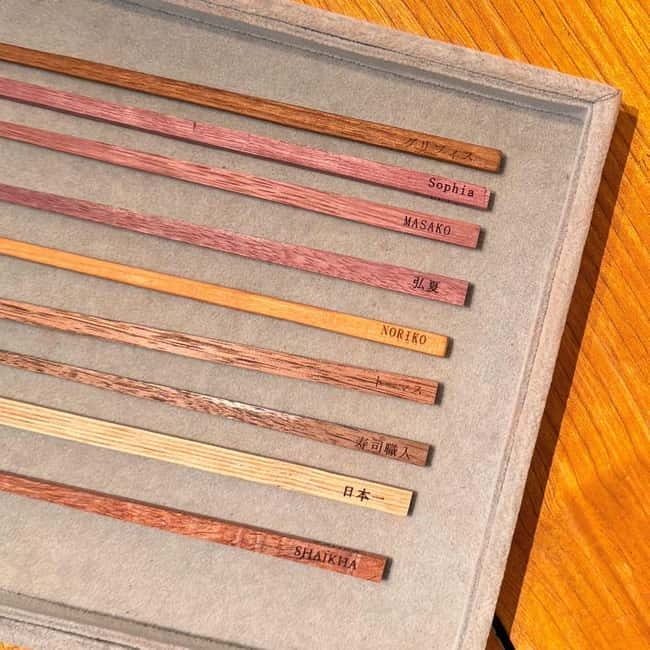
I especially like the wood selection. You start by choosing from 24 types of wood and two lengths, so your chopsticks don’t just feel generic. There’s also optional laser engraving, which turns them into a personal keepsake.
One thing to consider: this is not a sit-and-watch craft. Planning the wood takes some real effort, and if you pick a tougher wood (like olive), you’ll spend more time working and may want extra patience.
In This Review
- Key things to know before you go
- Where the Workshop Fits in Your Ginza Day
- Choosing Your Wood: 24 Options, Free Choices, and Upgrade Logic
- Making the Chopsticks: Planning, Smoothing, and Real Effort
- The Oil Finish: What Changes After You Shape
- Laser Engraving: Names and Phrases in Japanese or Your Language
- Staff Support and the Pace of a Busy Workshop
- Value and Price: Is It Worth About $25?
- Who This Workshop Is Best For
- Should You Book the Chopstick Workshop in Ginza?
- FAQ
- How long is the chopstick making workshop?
- What’s included in the experience price?
- Can I take my chopsticks home the same day?
- Do I have choices for wood and chopstick length?
- Is engraving available, and how much does it cost?
- Can staff help with engraving in Japanese or another language?
- Is the workshop offered in English?
- Is it wheelchair accessible, and is there an age limit?
Key things to know before you go
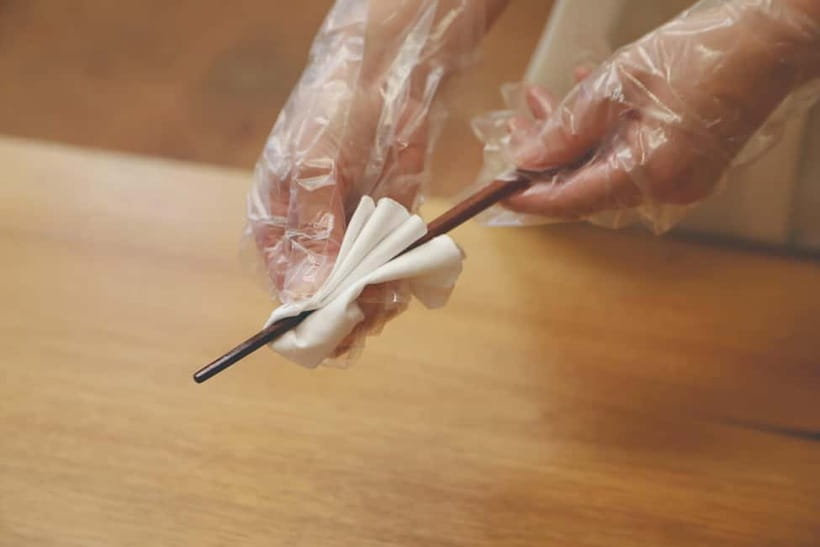
- 24 wood choices + 2 lengths means you can match the chopsticks to your style (and your budget)
- Plane + sandpaper are the core steps, so you’ll actually do the shaping
- Oil finish gives that polished look before you take them home
- Optional laser engraving lets you add names or a favorite phrase in Japanese or your language
- English-speaking staff help keep the process smooth, even if your Japanese is basic
- It’s one focused hour, which makes it easy to fit into a Ginza day
Where the Workshop Fits in Your Ginza Day
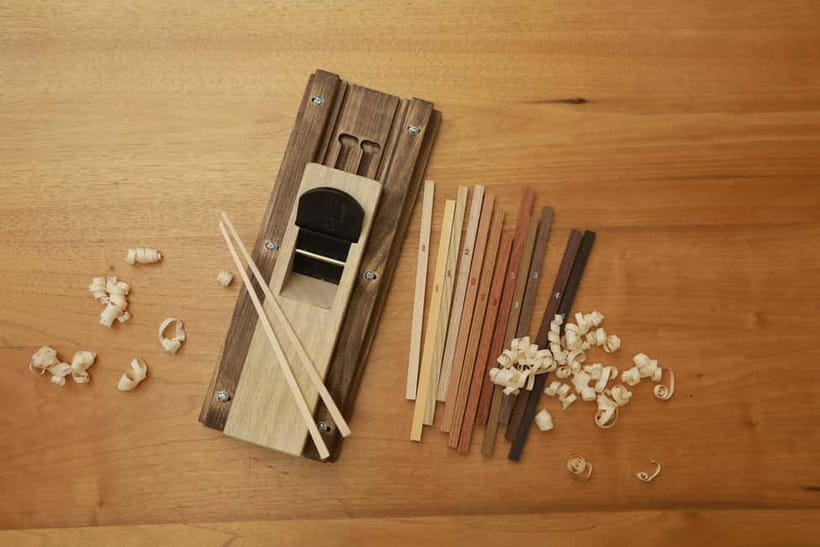
This class is in central Ginza (2-9-13 Ginza, Chuo-ku, Tokyo), which is handy if you’re already sightseeing in the area. You’re not wandering to an out-of-the-way studio. You can treat this like a planned stop between shopping, lunch, or a quick walk through neighborhoods that feel very “Tokyo.”
A nice detail from the experience: staff are friendly and used to helping non-Japanese speakers, so you’re not left guessing at each step. In a few accounts, people were also pointed toward a good lunch spot nearby—so don’t be shy about asking what’s close and reliable when you’re done.
You can also read our reviews of more tours and experiences in Tokyo


Choosing Your Wood: 24 Options, Free Choices, and Upgrade Logic
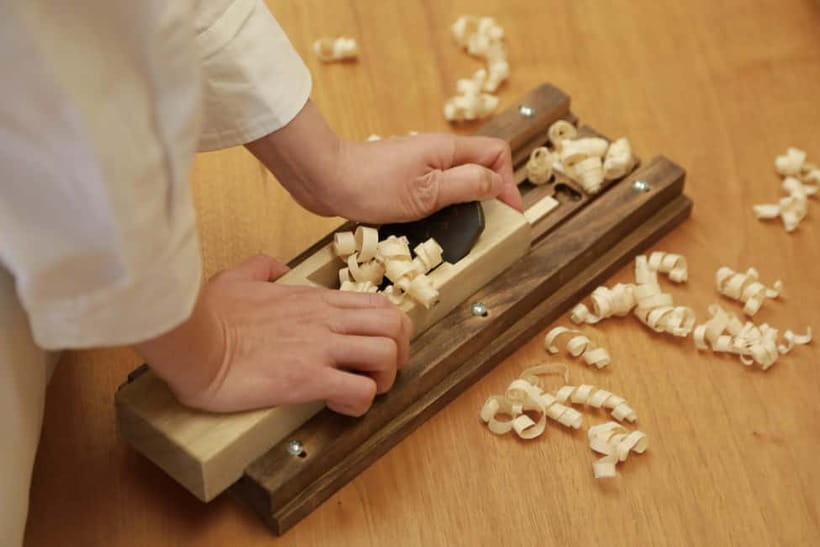
Your experience starts before you touch any tools. You pick your chopsticks from 24 types of wood and two different lengths. The workshop uses a simple idea: some wood types are included, and the rest are higher-grade options with an added fee.
Here’s how to think about the choices. The included woods are a great way to try the workshop without surprises. If you’re the kind of person who wants the “best” or likes the story of a specific material, upgrading makes sense. One reviewer shared that they paid for upgrades and felt it was worth it for the final product.
You’ll also feel quickly that wood hardness matters. One person found olive more challenging to work with, but they were happy with the end result. That’s the vibe: you can choose a wood that’s easier and faster, or you can pick something tougher and spend your hour becoming more skilled.
Making the Chopsticks: Planning, Smoothing, and Real Effort
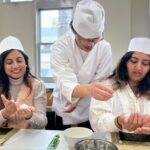
Once you’ve selected your wood, you begin the actual work. You place the chopsticks on the stand and start shaving the wood with a plane. This is the step that separates “craft workshop” from “toy activity.”
A few helpful truths from real experiences:
- You’ll need arm strength and control. One person joked it takes effort, like you’re working your core and triceps.
- The time flies if you’re calm and steady. Several accounts mention there’s no pressure to rush.
- The tips and corners need attention. Smoothing isn’t just for looks—it helps the chopsticks feel comfortable and safe to handle.
Then comes sandpaper. That’s where your mistakes vanish and the shape becomes more elegant. If you’re slow here, it’s not a problem. People described being able to take their time sanding, and at least one account mentioned being allowed a bit longer to get the chopsticks right.
If you’re worried about precision, don’t be. The staff are actively helping at each stage. You’re not left alone with the tools.
The Oil Finish: What Changes After You Shape
After the planing and sanding, you coat your chopsticks with oil. This step is quick in description, but it matters a lot in the final feel.
Oil does two jobs:
- It deepens the color so the grain looks more intentional.
- It helps give that finished look you expect from proper wooden chopsticks.
Then you can take your pair home the same day. That’s a big value point. Many souvenirs are decorative but useless. These are designed to be used at your table.
Laser Engraving: Names and Phrases in Japanese or Your Language
Optional engraving is a major reason people keep recommending this workshop. You can add your name, or even a favorite phrase. The laser engraving is described as putting gentle stress on the wood, which is exactly what you want when you’re working with a finished piece.
Pricing: engraving costs extra (information given says 1,100 yen as the additional charge). One account explained paying ¥2,200 for a pair, which aligns with that per-pair idea.
Language-wise, you’re not stuck. You can engrave in Japanese or your native language. One reviewer noted that staff can help translate your phrase into Japanese for a more authentic result. If you want your chopsticks to feel personal, this is where you make it true.






Staff Support and the Pace of a Busy Workshop
This workshop runs with English-speaking staff, plus instructors who also handle Japanese. In practice, that means you’ll get guidance on tool pressure and technique before you struggle too long.
A lot of praise went to the instructors’ patience and skill. Names that came up include Tina, Waka, Kotoha, Shion, and Koko. People consistently mention that teachers are engaged and helpful, not passive.
One honest consideration: the studio can be busy, and in one account, a couple of participants seemed frustrated when they couldn’t get help quickly enough. If you’re traveling with kids or you’re worried about tool-handling, show up ready to take your time and ask questions early.
Small practical tip: if you have long hair, consider tying it back. One reviewer specifically advised this because the work involves leaning over and moving around tools.
Value and Price: Is It Worth About $25?
At about $25 per person for the basic experience (1 hour), you’re paying for more than a craft activity. You’re paying for:
- the workshop space and tools/materials
- the guide fee (listed as included)
- English-speaking support
- the structured process that takes you from raw wood to finished chopsticks
Then there are optional upgrades. Two main ones:
1) Better wood types: out of 24 choices, 5 types are free, while the other 19 are higher grade and cost extra.
2) Engraving: adds an additional fee (given as 1,100 yen).
So is it good value? If you treat it like a hands-on experience—skills, materials, and a keepsake you’ll actually use—yes. If you try to keep it strictly minimal cost, choose one of the included woods and skip engraving. If you want the “wow” souvenir factor, upgrade wood and engrave. Either way, you’re getting something that feels more meaningful than most Tokyo shopping stops.
Who This Workshop Is Best For
This class fits best if you like making things with your hands. If you enjoy tactile tasks like sanding and careful shaping, you’ll probably have a great time.
It also suits families, within reason. People described age ranges that included a 4-year-old through older adults, and many accounts say the instructions are easy to follow. Still, the activity is listed as not suitable for children under 3 and people over 70, so follow that guidance.
You might skip it if you:
- hate manual work that requires steadiness
- need constant hands-on help and get upset when a teacher is assisting others
- want a totally hands-off experience
Should You Book the Chopstick Workshop in Ginza?
Book it if you want a Tokyo souvenir that you’ll use at your own table, not just store in a drawer. The best part is that you control the wood, do the shaping, and can personalize the set with engraving. It’s also easy to fit into your day because it’s only one hour.
I’d especially recommend it if:
- you’re in Ginza and want a quick, local-feeling activity
- you like crafts but want the tools and guidance provided
- you want a souvenir with a real story you can explain later
If you hate physical tasks, choose the included wood options and decide about engraving only if you feel relaxed with the process. This is woodworking, so plan to enjoy the work, not race through it.
FAQ
How long is the chopstick making workshop?
The workshop lasts 1 hour.
What’s included in the experience price?
You get the chopstick making workshop, tools and materials, and English-speaking staff support. A guide fee is included in the experience fee.
Can I take my chopsticks home the same day?
Yes. You can take the finished chopsticks home on the day.
Do I have choices for wood and chopstick length?
Yes. You can choose from 24 types of wood and two different lengths.
Is engraving available, and how much does it cost?
Engraving is optional. The additional charge is listed as 1,100 yen.
Can staff help with engraving in Japanese or another language?
Yes. You can request Japanese or your native language, and staff can assist. One account noted they help translate your phrase into Japanese.
Is the workshop offered in English?
Yes. English-speaking staff are included, along with Japanese.
Is it wheelchair accessible, and is there an age limit?
Wheelchair accessibility is listed. It is not suitable for children under 3 and for people over 70.