REVIEW · TOKYO
Tokyo: Sushi Making Class in a Happi Coat near a Famous Spot
Book on GetYourGuide →Operated by SUSHI GARYU · Bookable on GetYourGuide
Sushi class meets costume day in Tokyo. You’ll learn nigiri sushi using tuna and salmon, then put on a traditional happi coat and make it yourself. It’s simple, fun, and very hands-on in a Japanese-style setting.
I like the beginner-friendly pacing: you get guided instruction, then you practice shaping nigiri from scratch. I also like the teaching style—classes are often led by instructors such as Chef Hide and Mikoto, and the vibe described is relaxed, with clear step-by-step help and room for questions.
One thing to consider: you may share the space with other customers depending on how busy the venue is. And if you need vegetarian, vegan, or gluten-free options, you’ll need to message in advance—same-day changes may be hard.
In This Review
- Quick hits: what makes Sushi Garyu special
- The happi coat factor: more fun, less intimidating
- Nigiri 101: tuna and salmon, shaped by your own hands
- How the 90 minutes runs without rushing your sushi skills
- What about allergies, gluten-free, and kids under 4?
- The $42 value: why this price can make sense in Tokyo
- Tips to take your nigiri skills home (without stress)
- Should you book Sushi Garyu in Tokyo?
- FAQ
- What will I learn to make in this Tokyo sushi class?
- How long is the class?
- How much does it cost?
- Is the happi coat included?
- What languages are used by the instructor?
- Do you offer vegetarian, vegan, or gluten-free options?
- What should I do if I have allergies?
- Is it suitable for kids?
- Where is the meeting point?
- Can I cancel, and is there a pay-later option?
Quick hits: what makes Sushi Garyu special
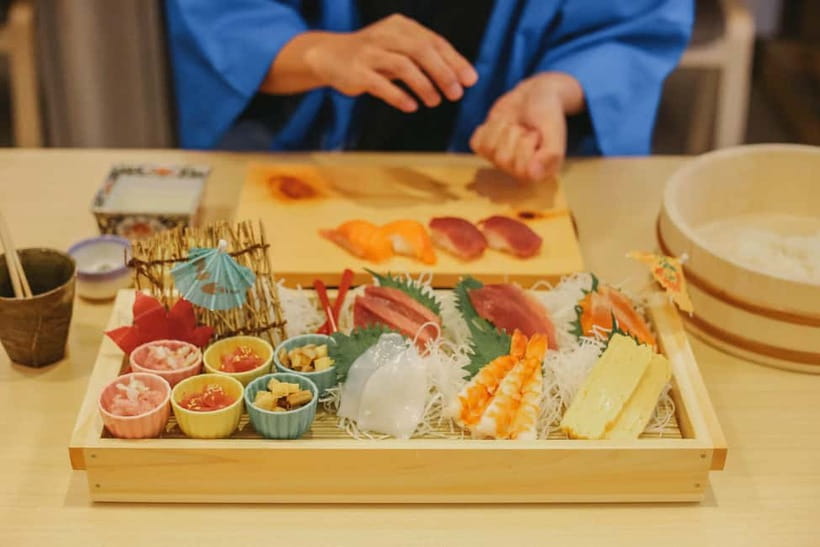
- Happi coat included: you’ll wear the classic tube-sleeved chef coat while you cook
- Real nigiri practice: you make nigiri yourself, not just watch
- Tuna and salmon focus: the class centers on popular nigiri ingredients
- English and Japanese support: instructors can switch languages as needed
- Meal-size portion: plan to leave full, since you eat what you make
- Dietary needs must be pre-arranged: send allergies or requests by message ahead of time
The happi coat factor: more fun, less intimidating
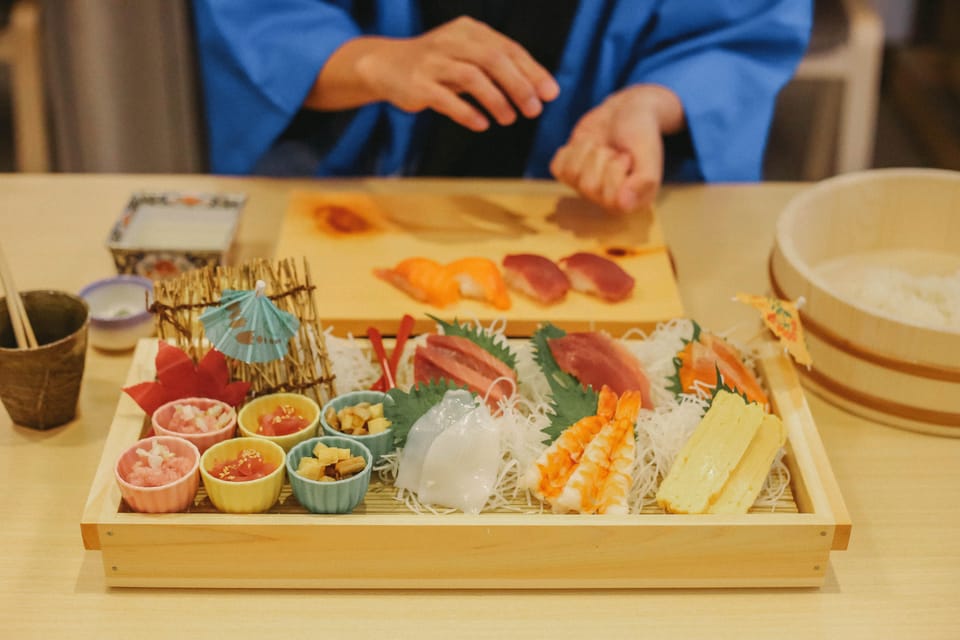
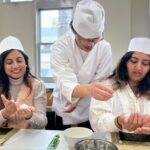
The best part of the experience is also the most practical: the happi coat. It turns a cooking workshop into something you’ll remember, and it helps you feel like you belong in the kitchen. You’re not stuck being a spectator. You’re part of the work.
In Tokyo, it’s easy to feel like you’re getting dressed up while other people know the rules. Here, the coat gives you permission to be a beginner. The environment tends to feel cozy, with staff guiding you through each step so your hands know what your brain just heard.
It’s also a built-in photo moment. Several instructors are known for setting up those picture-friendly outfit moments, and they may take photos or videos as you cook. That’s handy because sushi can look great even when you’re not sure what you’re doing—then you get proof later.
You can also read our reviews of more tours and experiences in Tokyo



Nigiri 101: tuna and salmon, shaped by your own hands
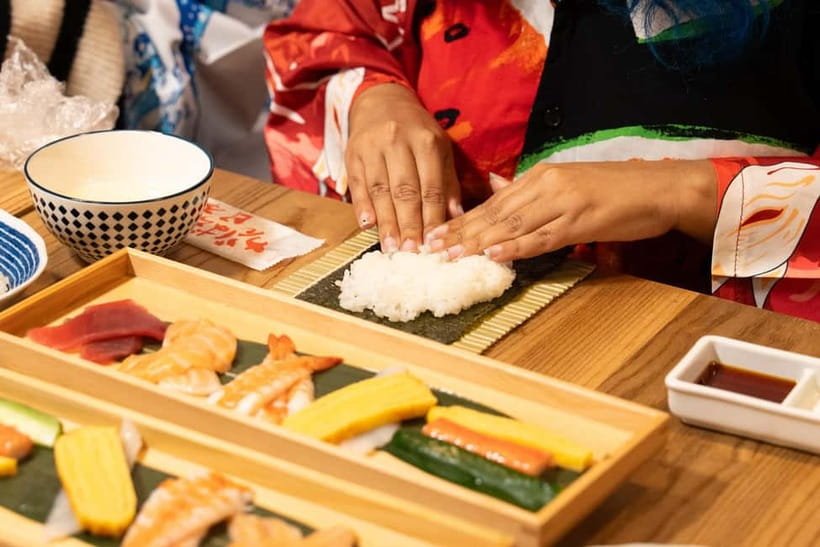
This workshop focuses on making nigiri sushi with tuna and salmon, using popular ingredients you’ll actually recognize. The class teaches you from scratch, which matters because nigiri is less about fancy ingredients and more about technique.
Here’s what you should expect in real-world terms:
- You’ll learn the basics of assembling nigiri so it holds together.
- You’ll work with rice and fish in the right order, with guidance on hand pressure and forming.
- After the lecture, you’ll make nigiri yourself and then eat what you produced.
Nigiri is all about small decisions. Rice texture matters. Fish placement matters. Even the way you grip and shape affects whether it looks neat and eats well. You’ll get the kind of coaching that helps you avoid the most common newbie problems, like overly loose rice or fish that doesn’t sit correctly.
Instructors (for example, people like Chef Hide, Mikoto, and others you may see listed) are repeatedly praised for being patient and using humor when explaining. That combination is ideal in a class like this. You want to feel comfortable enough to keep going when something sticks to your fingers.
And if you’re curious beyond nigiri, some classes you might book are described as including additional sushi forms like maki or onigiri. The core promise here stays the same: you learn nigiri and you take part in making it.
How the 90 minutes runs without rushing your sushi skills
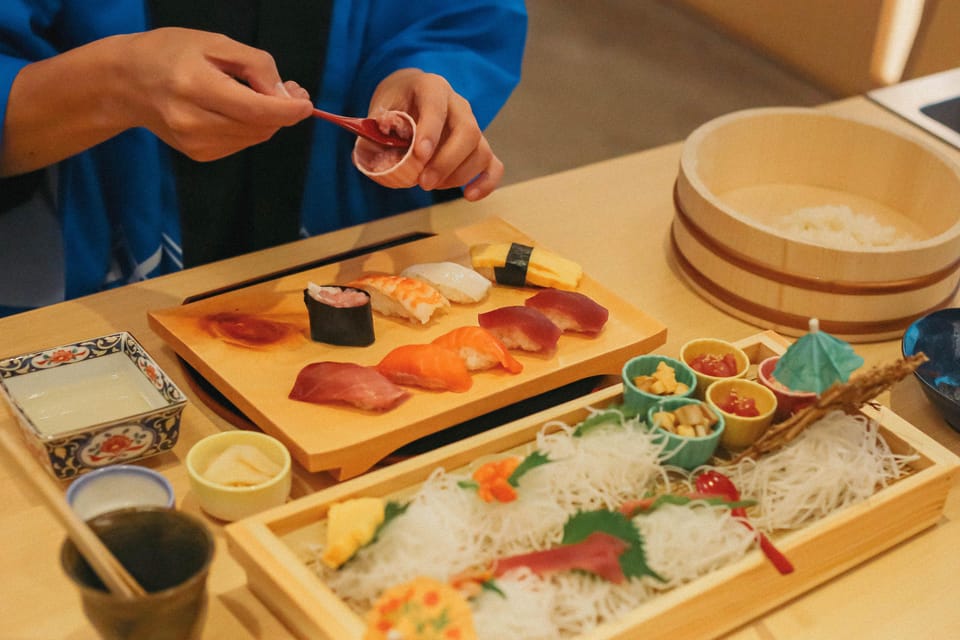
The class lasts 90 minutes, and that timing is actually smart. Too short and you only get a demo. Too long and beginners lose confidence. Ninety minutes is enough to teach, practice, and eat.
A typical flow looks like this:
1) You meet the instructor
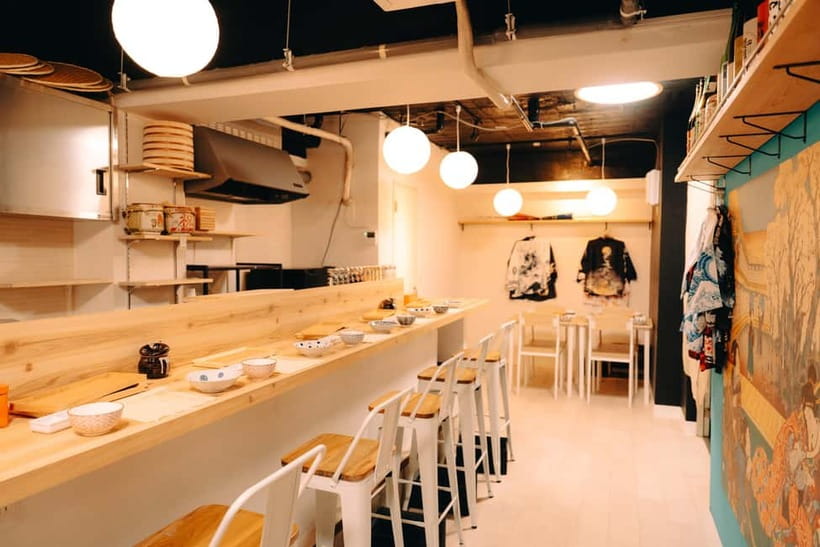
Meeting point can vary by option booked, so confirm where you’re supposed to go when you book. Once you arrive, the ingredients should already be set out.
2) A guided lecture and technique talk
You’ll get instruction on what you’re making and how to approach it. Even if you’ve never held sushi rice before, you’ll be walked through the steps rather than being thrown into the action.
3) You put instructions into practice
After the talk, you’ll make nigiri yourself. This is where the class earns its keep. You’re not paying to watch someone else cook. You’re paying to do the work, with help nearby.
4) You eat your sushi
This is also why the portion tends to feel generous. You should plan on leaving with a proper lunch, not a tiny tasting.
The pacing also supports questions. Instructors are described as attentive and helpful throughout, including helping you adjust if your technique needs a tweak. If you’ve ever tried to learn cooking from a video and still felt lost, this format is a fix.
What about allergies, gluten-free, and kids under 4?
Food rules are where workshops can get messy. This one is clearer than most. You’re asked to tell them your allergies in advance. If you have dietary restrictions, message ahead—requests made on the day may not be accommodated.
Good to know from the info provided:
- Vegetarian and vegan options are available if you request in advance.
- Gluten-free options are available if you request in advance.
- You should share any allergies by message before the class.
So if you’re gluten-free or avoiding something specific, treat this as a planning task, not a last-minute surprise.
Kids policy is also spelled out:
- Children over 4 are charged.
- For children under 4, the instruction says you’ll share a dish.
Group setup is another practical detail: depending on how busy the venue is, you may be seated with other customers. That’s not a deal-breaker, but it’s worth knowing if you’re going with a nervous eater, a strict dietary situation, or you need quiet.
Language support is included: instructors speak English and Japanese, which helps a lot if you want clear answers while you cook.
The $42 value: why this price can make sense in Tokyo

At $42 per person for 90 minutes with cooking, ingredients, and an instructor, the price lands in the value category—especially if you like learning a skill rather than buying a single meal.
In Tokyo, sushi options range from casual to very expensive. This workshop isn’t trying to beat restaurant pricing on raw cost. It’s replacing part of the cost with education and hands-on time. You’re paying for:
- instruction from a chef/instructor,
- prepared ingredients,
- and the chance to leave with technique you can repeat at home.
Also, you eat what you make. That means you’re not just buying experience—you’re buying lunch. Many classes of this type can feel like a snack plus a show. The descriptions here lean toward a full enough portion to satisfy.
So the value equation becomes personal:
- If you want a one-hour sushi lunch, this may feel slightly pricey.
- If you want the how-to, the instruction, and the fun of wearing the happi coat while you cook, $42 is easier to justify.






Tips to take your nigiri skills home (without stress)
You’ll probably remember the big steps. The trick is keeping the tiny technique details straight after you’re back in your normal kitchen.
Here’s how I’d prep your future self:
- Ask one specific question during the class
Instead of asking if your nigiri looks okay, ask what to fix first next time: rice firmness, fish placement, or hand pressure.
- Take a photo right after you form each piece
Even if it looks rough, you’ll learn faster from comparisons. Those photo moments are usually easy since the class setup is designed for happi coat pictures.
- Buy the right supplies immediately
Your biggest obstacles at home will be rice tools and fish readiness. If you don’t plan a grocery run right after, the memory fades.
- Practice once, not forever
Make a small batch. Trying to remake a whole platter usually leads to discouragement. One confident try beats five stressful attempts.
The more you treat it like a technique workshop, the more you’ll feel proud instead of frustrated.
Should you book Sushi Garyu in Tokyo?
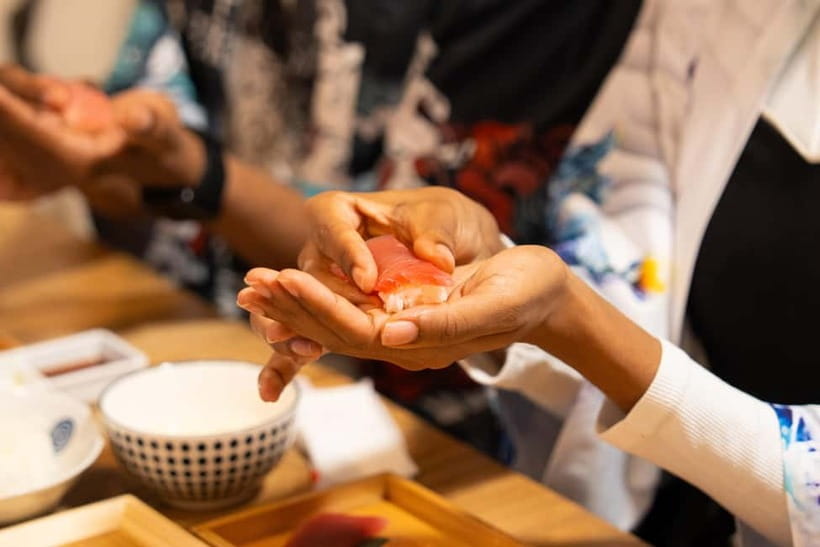
I’d book it if you want a beginner-friendly sushi experience that teaches you by doing. The combination of guided instruction, making tuna and salmon nigiri yourself, and wearing a happi coat makes the class feel both authentic and lighthearted.
Skip it (or at least reconsider) if:
- you’re expecting a quiet, private cooking room (you might share seating),
- you have dietary needs and you’re not willing to message ahead,
- or you only want a casual snack rather than a hands-on lunch experience.
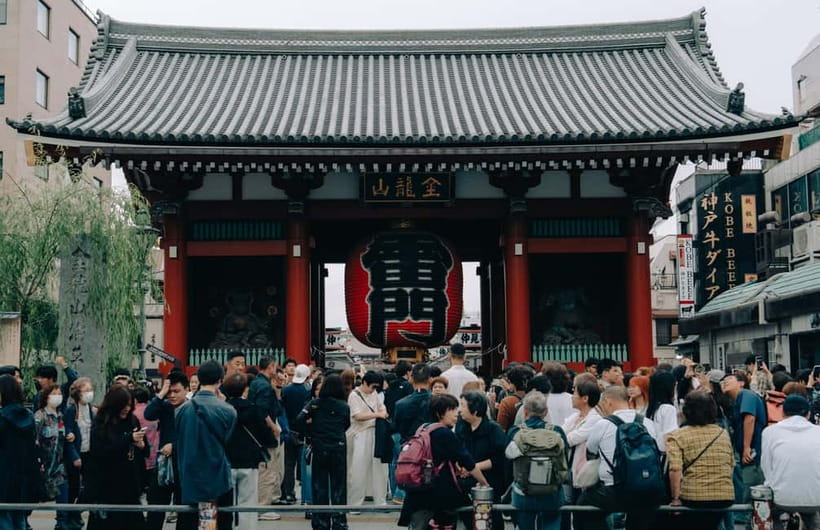
If you’re on the fence, this is the kind of activity that pairs well with a temple-and-neighborhood day. It gives you something concrete to bring home: a skill, not just photos.
FAQ
What will I learn to make in this Tokyo sushi class?
You’ll learn to make nigiri sushi, including tuna and salmon. After a short lecture, you’ll make the nigiri yourself and then eat what you prepared.
How long is the class?
The experience runs for 90 minutes.
How much does it cost?
The price is $42 per person.
Is the happi coat included?
Yes. You’ll don a traditional happi coat during the class.
What languages are used by the instructor?
The instructor speaks English and Japanese.
Do you offer vegetarian, vegan, or gluten-free options?
Yes, vegetarian, vegan, and gluten-free options are available, but you must inform them in advance by message. Same-day requests may not be accommodated.
What should I do if I have allergies?
Let them know your food allergies in advance by message.
Is it suitable for kids?
Children over 4 years old are charged, and the info says a dish is shared for children under 4.
Where is the meeting point?
The meeting point may vary depending on the option booked, so confirm it for your specific choice.
Can I cancel, and is there a pay-later option?
You can cancel up to 24 hours in advance for a full refund. There is also a reserve now & pay later option (pay nothing today).