REVIEW · TOKYO
Tokyo: Kawaii Bento Cooking Class – Cute Character Lunchbox
Book on GetYourGuide →Operated by Tokyo Cute Bento (kawaii Cooking class) · Bookable on GetYourGuide
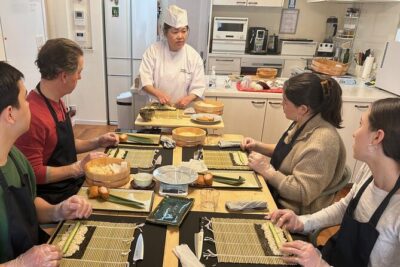
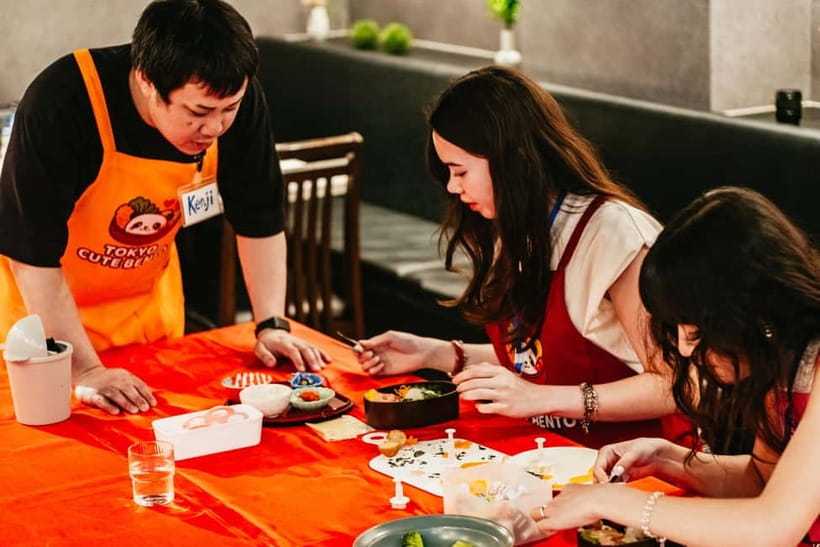
Tokyo’s bento obsession hits fast. In just 2 hours, you’ll craft a character lunchbox that looks like kawaii snack food and tastes like a real meal. I especially love the hands-on design (panda and other characters) and the English guidance from instructors like Kenji and Mari, who keep it clear and fun.
The one thing to plan for: you’ll be using knives and cooking tools, and the class works with common allergens like seafood, soy, and sesame. If you’re dealing with severe allergies, tell the team in advance.
In This Review
- Key things to know before you go
- Kawaii character bentos in Tokyo: what you actually do for 2 hours
- Finding the meeting point under Tameike-Sanno Station (B1)
- Bento culture in 15 minutes: the lesson that makes your lunch make sense
- Hands-on character bento: panda, brown beer, or the seasonal pick
- Knives and tools: fun, but supervise kids
- Dietary needs: what they can do (and what you must check)
- Photo session and eating: your lunch becomes your souvenir
- Who this Tokyo class fits best (and who it might not)
- Teens and first-timers
- Best for families who like active activities
- Value for $64: why the price makes sense for what’s included
- Add-ons: side dish prep and an Akasaka option
- Should you book this Tokyo Cute Bento class?
- FAQ
- How long is the Kawaii Bento Cooking Class?
- Where is the meeting point in Tokyo?
- Is the class taught in English?
- Do I need any prior cooking experience?
- What character bento can I make?
- Can the class handle dietary restrictions?
- Are there any age considerations for children?
- Is it indoors?
- What do I take home after the class?
- Is there an option to cancel or pay later?
Key things to know before you go
- Near Tameike-Sanno Station (B1 basement): easy to reach and fully indoors, even when Tokyo weather is annoying.
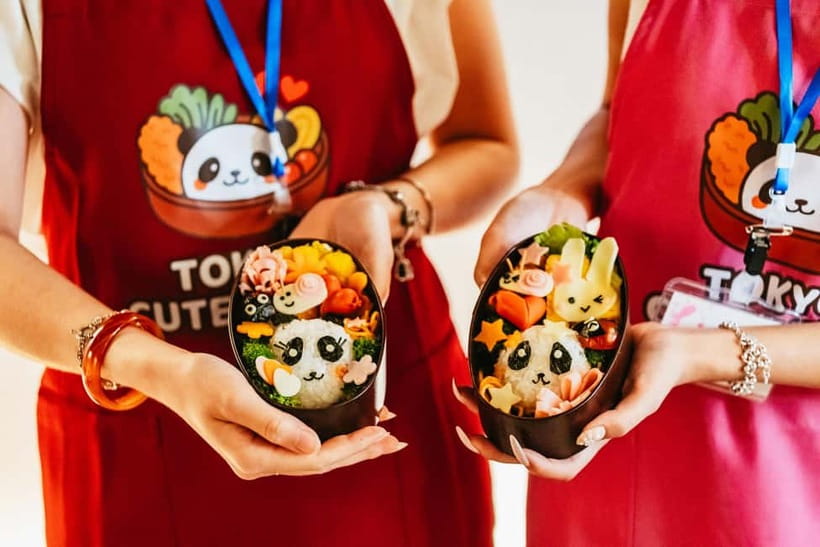
- Pick your character bento: you can choose panda, brown beer, or a seasonal limited edition (confirmed by email after booking).
- Step-by-step with lots of tools: you’re not guessing; you’re building an edible craft with instruction and equipment.
- Short, practical lesson on bento culture: you’ll learn why bento matters in Japanese food life before you start.
- Photo session before eating: you’ll get a moment to capture your creation before you dig in.
- Dietary adjustments are possible, with limits: vegetarian/vegan options exist, and some allergies can be accommodated with advance notice.
Kawaii character bentos in Tokyo: what you actually do for 2 hours
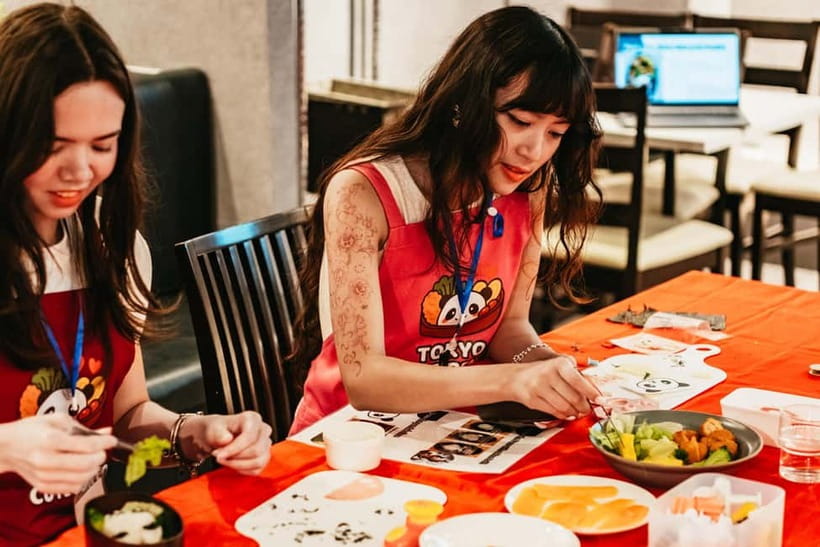
This is a hands-on cooking class focused on making a character bento you’d want to take a photo of before lunch. The key idea isn’t just decorating food; it’s learning how Japanese bentos balance portioning, texture, and visual “cheer” in one box.
You’ll start with a brief intro to bento culture, then move into active making for about an hour. After that, there’s a short photography moment, and you finally get to eat what you built. The pacing is tight enough to feel satisfying, not rushed, and it’s a good way to get a “Tokyo skill” you can repeat back home.
One practical win: because it’s indoors, it’s a great choice when you want a break from heat, rain, or long lines.
You can also read our reviews of more cooking classes in Tokyo



Finding the meeting point under Tameike-Sanno Station (B1)
Meet at Exit 7 of Tameike-Sanno Station, walk straight ahead, cross the intersection, and look for the building with the panda bento sign. The classroom is in the basement (B1) under a ramen shop, and ticket redemption is at the same location.
Why this matters: the instructions are simple and direct, which reduces that pre-class scramble where you’re checking maps while hungry and jet-lagged. If you’re pairing this with sightseeing, it’s also a convenient option because it’s described as reachable from areas like Tokyo Station, Shibuya, and Asakusa.
Tip: arrive a few minutes early. Basement meeting points can feel like a “spot the sign” game, and being early keeps the whole start calm.
Bento culture in 15 minutes: the lesson that makes your lunch make sense
Before you touch anything edible, you get a short introduction to Japan’s bento culture. This isn’t a long lecture. It’s designed to help you understand what you’re making and why it’s a big deal in everyday Japanese food.
You’ll learn the purpose behind bento: packing meals in a way that’s portable, portioned, and visually organized. That context changes how you build the box. Instead of treating it like a single plate, you start thinking in sections—main items, sides, and that character detail that acts like the “headline” of the meal.
It’s also a confidence booster for beginners. When you know you’re aiming for balance and cuteness together, the task feels more doable.
Hands-on character bento: panda, brown beer, or the seasonal pick
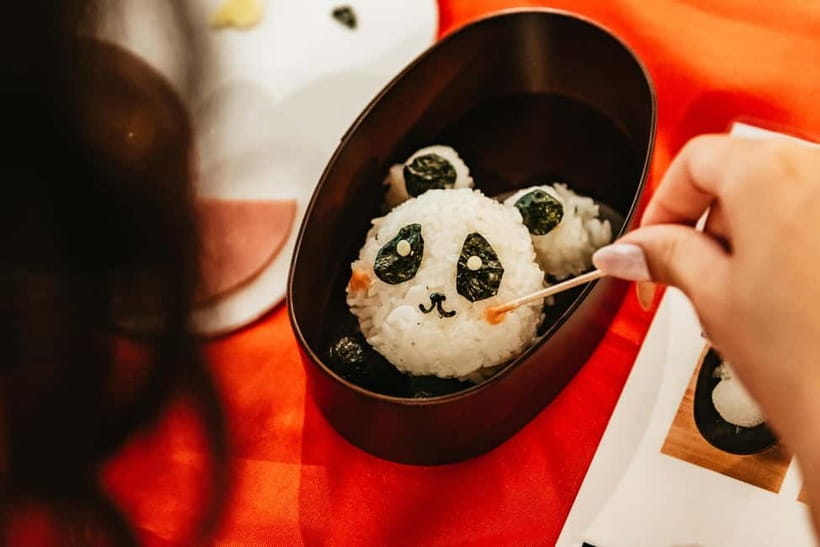
At the heart of the class is bento making—about 60 minutes of guided building. You get to choose between a character design like panda, the brown beer bento, or a seasonal limited-edition bento. Your exact menu choice is confirmed after booking by email, so plan for a bit of back-and-forth rather than showing up and being surprised.
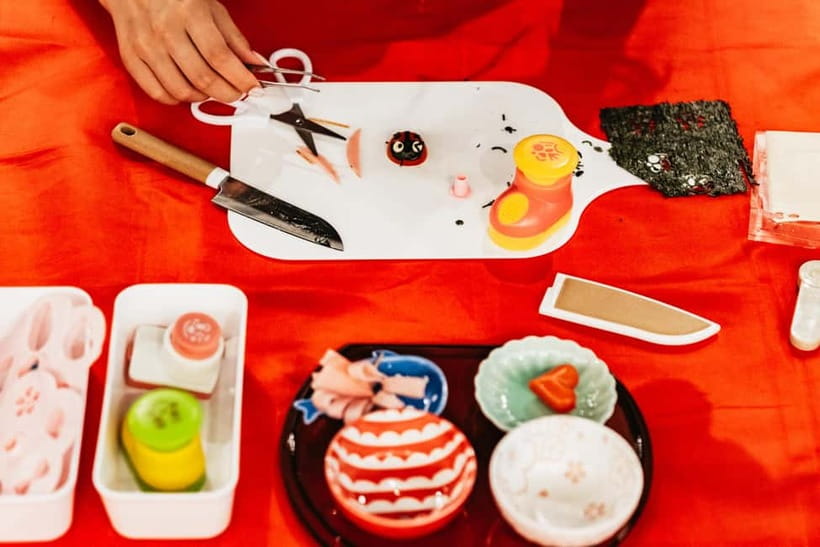
The instructors provide the ingredients, tools, and clear English instruction. Based on what you’ll hear from the team (especially Kenji and Mari), the goal is not perfection—it’s learning a system you can repeat: prep elements, arrange them with intention, and use tools that help you shape and decorate.
You’ll also get “craft-style” guidance. People often think bento is only about chopping and boiling. In reality, it includes little design moves—faces on ingredients, neat borders, and layout tricks that make the box look like it has a personality.
Knives and tools: fun, but supervise kids
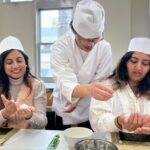
Children are welcome, but the class involves the use of knives and cooking tools. If you’re bringing a kid, plan on parental supervision during the hands-on part.
This is also why I like this class for families: it treats kids like capable helpers rather than passive watchers. You’ll still be in a safe structure with instruction, but it’s not a “no tools, no mess” craft workshop.
You can also read our reviews of more tours and experiences in Tokyo



Dietary needs: what they can do (and what you must check)
The class can adjust for vegetarian and vegan options, and it can accommodate allergies with advance notice. The data also mentions “no nuts, no milk” accommodations, which is useful to know when you’re planning around ingredient limits.
But there’s a serious note too: severe allergies may be tricky. The class involves common allergens like seafood, soy, and sesame, and it may not be suitable for individuals with severe food allergies. If you’re in that category, contact them early and be very specific about what you must avoid.
If you’re unsure, send the exact allergy list. “Maybe it’ll be okay” is the wrong strategy here.
Photo session and eating: your lunch becomes your souvenir
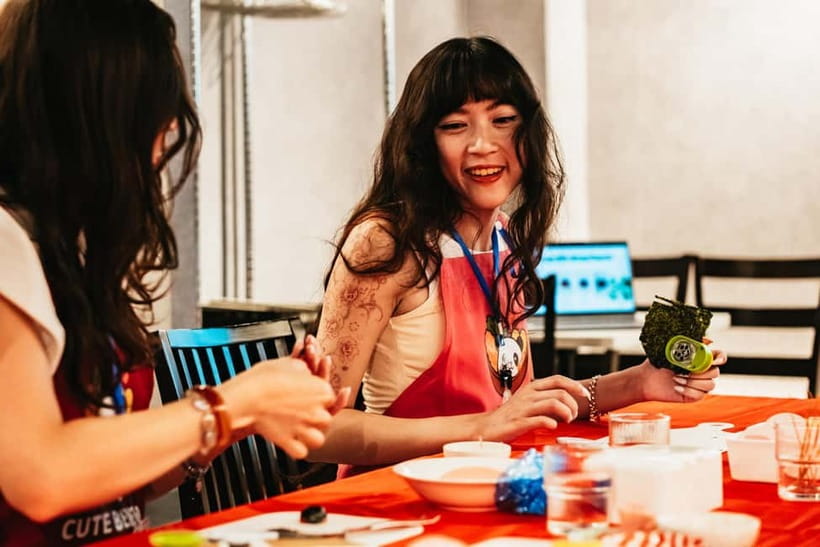
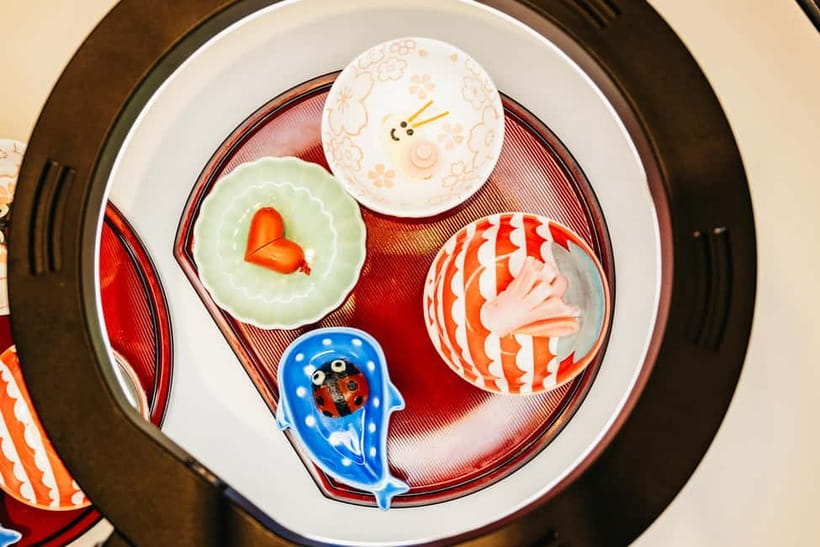
After the making time, there’s a photography session (about 15 minutes). They’ll help you capture your character bento before you eat it. This is a nice touch because food looks best right after it’s assembled—before moisture, steam, or handling changes the look.
Then you get about 30 minutes to enjoy your meal. Eating is part of the experience, not an afterthought. The design work would be pointless without flavor, and the class is built so you sit down and taste what you made.
You also receive English recipes and a souvenir after the class. So you’re not leaving with only photos—you’re leaving with materials to recreate the vibe later.
Practical note: since you’ll eat what you assembled, the best approach is to take photos quickly, then relax into the meal. You get the fun of the staging without keeping the box untouchable for too long.
Who this Tokyo class fits best (and who it might not)
This workshop is open to families, couples, friends, and solo travelers. It works well for solo travelers because you’re not stuck in a quiet, solitary experience; you’re doing a guided, social activity where you can ask questions and compare design choices with others.
For couples and friends, it’s a playful way to spend time together without the pressure of planning a whole day. You’ll likely have a choice of characters (depending on what’s available/confirmed), and the “who made the cuter face” energy stays friendly.
Teens and first-timers
If you’re cooking-uneasy, you’re in the right place. The instructors guide step by step, and the class uses provided tools so you don’t need to bring kitchen confidence.
Best for families who like active activities
Kids can participate, but because knives and cooking tools are involved, this is better for families who are okay with supervision and learning-by-doing. If you want a kid-friendly activity that involves zero tools at all, you might need a different style of workshop.
Value for $64: why the price makes sense for what’s included
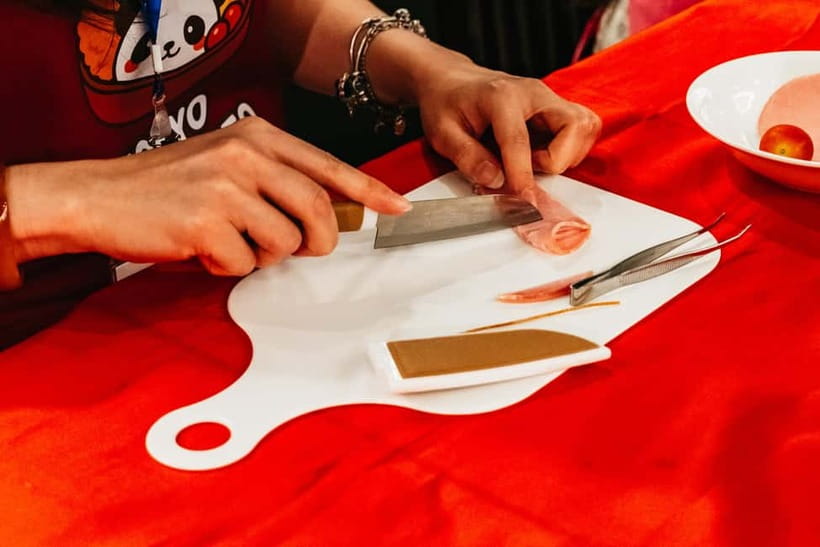
At $64 per person for a 2-hour class, the value mostly comes from what’s covered—not just the instruction. You’re getting:
- English-speaking cooking instruction
- Ingredients and tools
- Cultural context about bento
- Photography session
- English recipes to take home
- A souvenir after the class
That’s a lot of “stuff” bundled together. If you tried to recreate this on your own, you’d spend time shopping for the right ingredients, figuring out equipment, and chasing down the “how do I make it look like the character” details. Here, the class provides a structure and a toolkit so you can focus on learning the process.
It also helps that it’s indoor and scheduled for a specific block of time. In Tokyo, time is money, and being able to fit it cleanly into a day is part of the value.
Add-ons: side dish prep and an Akasaka option
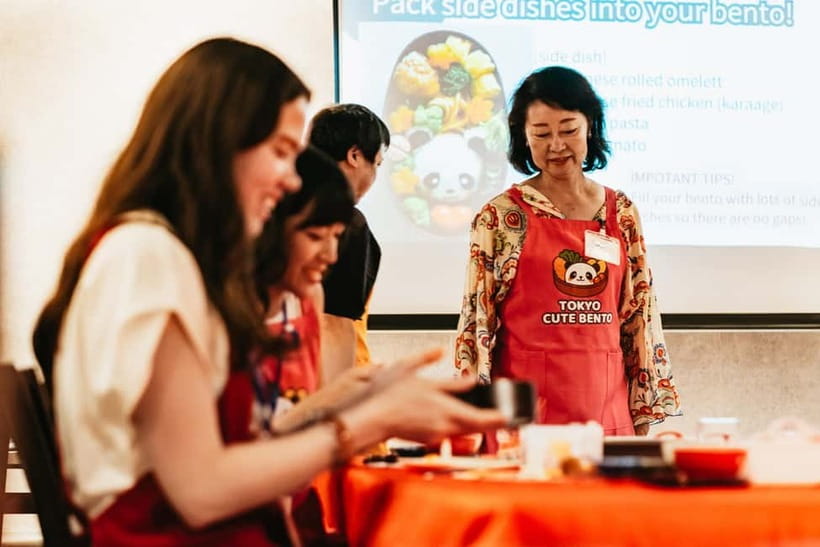
There are limited-time free add-ons if you request them in advance:
- A 30-minute advanced side dish preparation before the workshop
- A 30-minute Akasaka tour after the workshop
These can be great if you want to turn the class into more of a Tokyo afternoon. Just be aware that add-ons can shift how you plan your schedule after the class, so it helps to keep your next activity flexible.
Should you book this Tokyo Cute Bento class?

Book it if you want an activity that’s hands-on, visual, and repeatable—something you can’t just “watch online” and call it done. It’s also a strong choice if you’re traveling with kids, because the structure supports beginners and the goal is playful edible art.
Don’t book it if you have severe allergies that require strict avoidance of seafood/soy/sesame, unless the team confirms accommodations for your exact case. Also skip it if you’re uncomfortable with the fact that the workshop uses knives and cooking tools.
If you’re on the fence, think of it this way: you’re paying for the full package—tools, guidance, cultural explanation, and a meal you helped design. For many people, that’s the difference between a fun “Tokyo moment” and a skill you actually take home.
FAQ
How long is the Kawaii Bento Cooking Class?
The workshop lasts 2 hours, including an introduction, hands-on bento making, a photography session, and time to enjoy your meal.
Where is the meeting point in Tokyo?
Meet at Exit 7 of Tameike-Sanno Station. Walk straight ahead, cross the intersection, and enter the building directly in front of you. The classroom is in the basement (B1) under a ramen shop with the panda bento sign as the landmark.
Is the class taught in English?
Yes. The instruction and materials include English guidance and English recipes.
Do I need any prior cooking experience?
No prior experience is needed. Instructors guide you step by step, and all tools and ingredients are provided.
What character bento can I make?
You can choose from options such as a panda bento, brown beer bento, or a seasonal limited-edition bento. Your selection is confirmed after booking via email.
Can the class handle dietary restrictions?
Vegetarian and vegan options are available, and allergies can be accommodated with advance notice. If you have a severe food allergy, the activity may not be suitable, since common allergens like seafood, soy, and sesame are involved.
Are there any age considerations for children?
Children are welcome, but the class involves knives and other cooking tools, so parents or guardians should supervise younger participants.
Is it indoors?
Yes, it’s held indoors, so it’s comfortable during rain or heat.
What do I take home after the class?
You’ll take home your finished character bento, plus English recipes and a souvenir after the class.
Is there an option to cancel or pay later?
Cancellation is free up to 24 hours in advance for a full refund, and you can reserve now and pay later (so you don’t pay immediately).