REVIEW · TOKYO
Private Tokyo Day-Tour by Car with English Speaking Guide.
Book on Viator →Operated by Explora Japan · Bookable on Viator
One day can feel like a month in Tokyo. A private car day tour like this helps you hit the big cultural spots without fighting the subway. You get a private vehicle pickup and an English-speaking guide setup that’s meant to keep things smooth, with room to adjust as you go.
I love how the route mixes old-meets-new Tokyo, moving from Ueno Park to Asakusa’s traditional area and then out toward Odaiba’s waterfront. I also like the flexibility that shows up in real use: if you arrive tired, or want a slower rhythm, the plan can be reshaped to match your energy level.
One drawback to consider: the tour is sold as an English guide experience, but some groups report the day felt more like driving than guided storytelling. Before you book, I’d make it clear you want commentary at each stop, not just a drop-off and point-and-go.
In This Review
- Key Takeaways Before You Book
- What You Get for the Price: Private Car, Parking, and the Ticket Costs
- The Flow of the Day: From Ueno to Odaiba Without the Transit Stress
- Ueno Park: A Calm Start With Free-Entry Culture Time
- Shibuya Crossing: The Famous Crowd Moment (Plan for Timing)
- Shibuya Sky: A Ticketed View Stop You Should Budget For
- Asakusa Culture Tourist Information Center: Traditional Tokyo With Practical Value
- Tokyo Tower: Lunch-Friendly Timing and a Classic View
- Sumida Park: River Views and the Lead-In to Skytree
- Tokyo Skytree: The Big Ticket Moment (Pre-Booking Matters)
- Odaiba Seaside Park: Fresh Air, Waterfront Views, and Time for Photos
- Rainbow Bridge: The Evening Payoff
- Guide Quality and What to Confirm: Driver-Heavy Days vs Real Commentary
- Budget Reality: Lunch, Admissions, and That Mentioned $50
- Pacing, Comfort, and Who This Tour Fits
- Practical Tips to Get the Smoothest Day
- Should You Book This Private Tokyo Car Tour?
- FAQ
- How long is the private Tokyo day tour?
- What does the tour cost and how many people can join?
- Are meals and attraction tickets included?
- Do I need to pre-book tickets for Tokyo Skytree?
- Is pickup included?
- What if it rains, or the minimum number of travelers isn’t met?
Key Takeaways Before You Book
- A tight “high points” route that’s built for first-timers short on time
- Private car + parking + water bottles included, so the logistics stay off your shoulders
- Ticketed skyline and tower views are a separate cost, so budget ahead
- Ask for real stop-by-stop commentary, not only transport
- Best value for small groups (up to 3 people) since the price is per group
What You Get for the Price: Private Car, Parking, and the Ticket Costs
The price is $415.49 per group (up to 3 people) for about 8 to 9 hours. For that money, you’re paying for a private day with pickup, a car, and practical add-ons that usually create small headaches: parking fees, gratuities, and water bottles are listed as included.
That said, Tokyo costs tend to split into two buckets. One bucket is the trip itself. The other bucket is the fun stuff with entrance fees. Here, lunch and entry fees cost extra. You’ll also see that multiple headline stops have admissions not included, so your final out-of-pocket can climb fast if you plan to do everything at the top.
If you’re traveling with 2 other people, this can be good value compared with piecing together taxis, individual train routes, and separate tickets across a full day. If you’re solo, the value depends on whether you’d otherwise pay for a private guide plus the transport anyway.
You can also read our reviews of more guided tours in Tokyo



The Flow of the Day: From Ueno to Odaiba Without the Transit Stress
This tour is laid out as a full-day greatest-hits loop, with time parked at major neighborhoods rather than constant hopping. In a typical order, you start in the north-east side with Ueno Park, then swing through central Tokyo for Shibuya Crossing and Shibuya Sky, continue to Asakusa, and then work your way toward the waterfront for Sumida River views, Tokyo Skytree, and finally Odaiba plus Rainbow Bridge.
Why that matters: it reduces the “where do we transfer” anxiety that hits first-timers. It also helps you see Tokyo as a set of connected zones, not as a checklist of disconnected stops.
One practical note: the experience uses mobile tickets and you get confirmation at booking, so you’ll want to keep your phone handy the day of pickup.
Ueno Park: A Calm Start With Free-Entry Culture Time
Your morning begins at Ueno Park for about 1 hour, and admission is free. This is a smart first stop because it gets you into a more classic Tokyo mood right away. Even if you don’t go museum-to-museum, Ueno gives you a place to reset after travel and still feel like you started the day in the right neighborhood.
If you’re the type who likes to ask questions and adjust the pace, Ueno is also where that works well. You can spend your first hour orienting yourself, then decide later how hard you want to lean into views versus streets versus temples.
Shibuya Crossing: The Famous Crowd Moment (Plan for Timing)
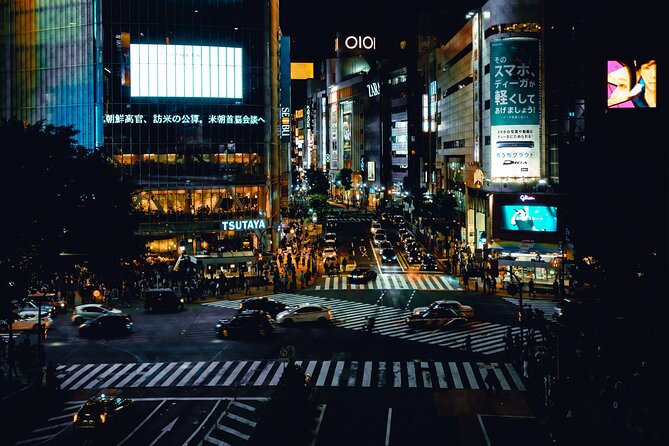
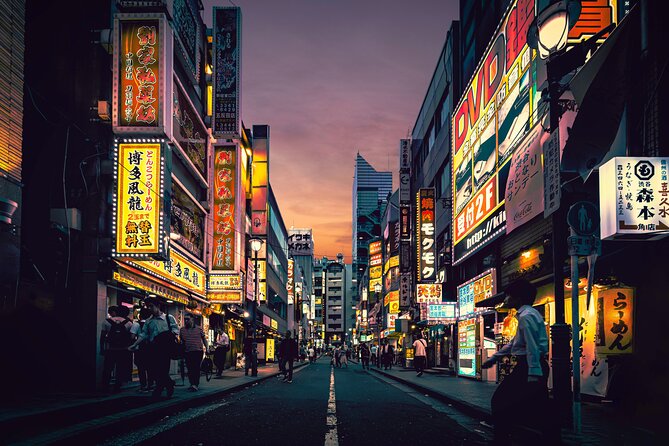
Next up is Shibuya Crossing for about 30 minutes, also free. This is one of those Tokyo scenes you’ve seen in photos and on screens, but it hits different in person because it’s not just the intersection. It’s the pace, the flow, and the sheer number of people moving at once.
This stop is short on purpose, and it’s enough time to take photos, cross through if you want, and get back to your day. If you’re someone who hates crowds, it helps to treat this as a quick photo-and-leave moment rather than a hangout.
Shibuya Sky: A Ticketed View Stop You Should Budget For
Then comes Shibuya Sky for about 1 hour, and admission is not included. This is your first big “skyline” anchor. Think of it as the visual payoff that makes the whole day feel like more than walking and traffic lights.
Since the ticket isn’t included, I’d treat Shibuya Sky as a firm commitment in your budget. If you decide last minute not to go up, it may not be a simple swap unless your guide has flexibility built in, so decide early.
You can also read our reviews of more private tours in Tokyo

Asakusa Culture Tourist Information Center: Traditional Tokyo With Practical Value
After Shibuya, you head to Asakusa Culture Tourist Information Center for about 1 hour, with free admission. This stop is useful even if your end goal is the temples and street life nearby. A good information center helps you make smarter choices about what to see next and how to structure the time you have.
Asakusa is where you often slow down naturally because the vibe is more old-town and less high-speed. Use this hour to absorb the area and ask targeted questions, like what to prioritize if you only have a few more hours left.
Tokyo Tower: Lunch-Friendly Timing and a Classic View
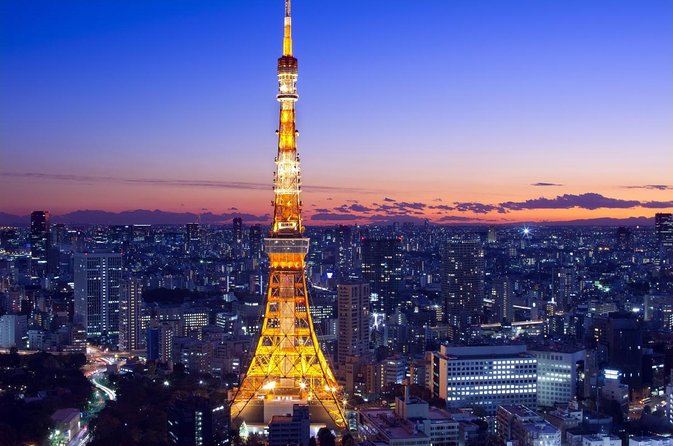
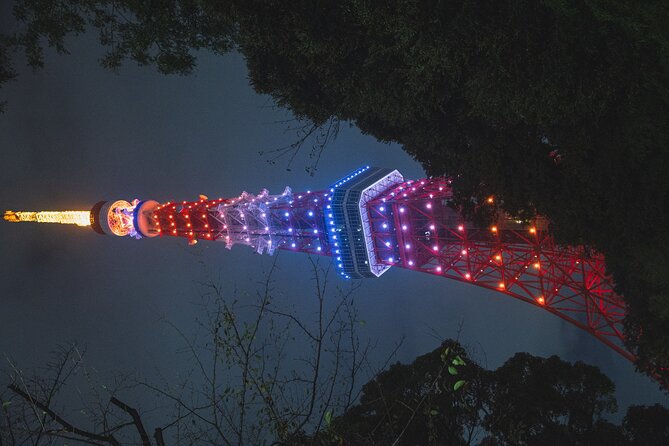
Next is Tokyo Tower for about 1 hour 20 minutes. Here, admission is not included, and this is also the built-in window where you can plan lunch. The tour notes Tokyo Tower as a place travelers can have their lunch with an authentic Tokyo Tower view, which makes sense: you’re in a landmark spot, and you’re not burning time shuttling between lunch and sightseeing.
If you’re budgeting, count this as a two-part cost: whatever you spend on lunch plus the tower ticket if you’re going up. If you’re trying to keep costs tight, you can still enjoy the setting from outside, but the real value of the stop comes from choosing the view experience that fits your priorities.
Sumida Park: River Views and the Lead-In to Skytree
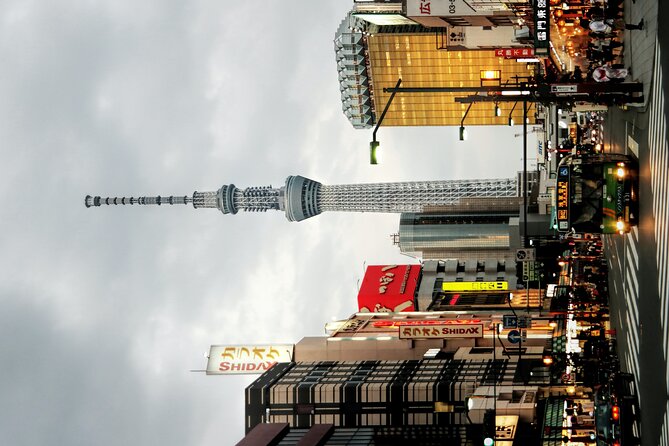
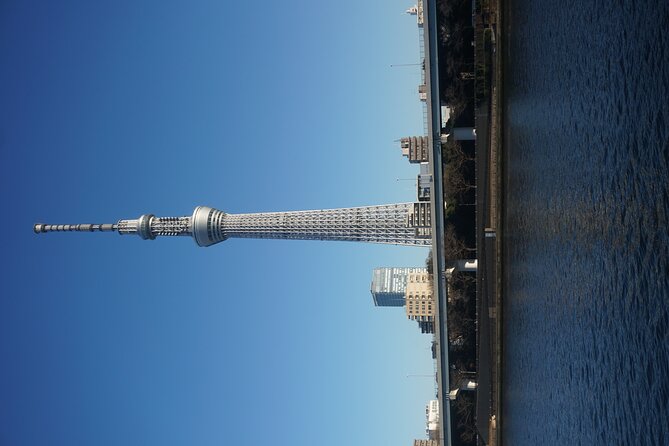
After Tokyo Tower, you move to Sumida Park for about 30 minutes, free admission. This stop is along the Sumida River, and the plan is set up so you can enjoy views of Tokyo Skytree.
This is one of those “breather” stops that can change how the day feels. Instead of constant heavy landmark time, you get an outdoor pause with a good photo angle. If you want calmer pacing, Sumida Park is where your day can get less intense.
Tokyo Skytree: The Big Ticket Moment (Pre-Booking Matters)
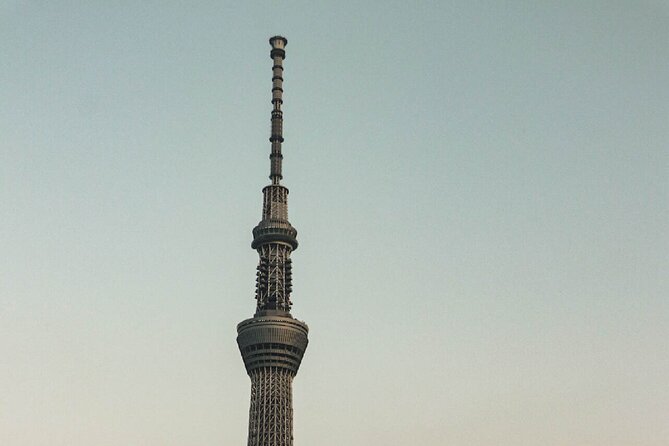
Then you head to Tokyo Skytree for about 1 hour 20 minutes, and admission is not included. This is described as the biggest tower in Japan and a symbol of Tokyo, so it carries the same energy as Shibuya Sky: the main point is the view.
A key operational note you should take seriously: you’re advised to book tickets for Tokyo Skytree in advance. Don’t treat that as optional. If you wait until the day of, you risk wasting time that you can’t easily recover in an 8 to 9 hour window.
Odaiba Seaside Park: Fresh Air, Waterfront Views, and Time for Photos
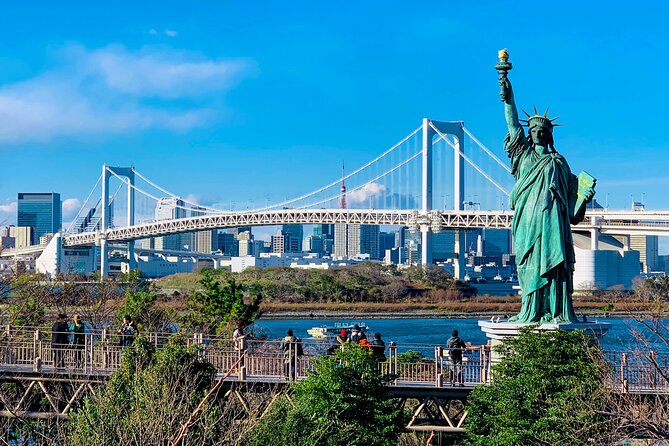
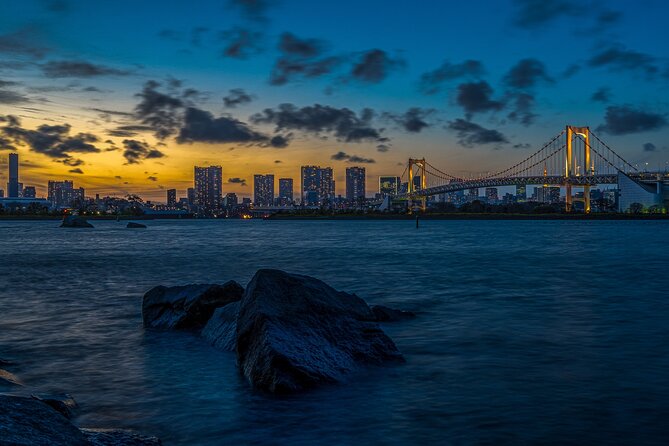
Next is Odaiba Kaihin Koen (Odaiba Seaside Park) for about 40 minutes, with free admission. This is one of the most photogenic blocks of the day in the itinerary, with a view of Rainbow Bridge.
Odaiba is also a nice shift because it’s not dense old-street Tokyo anymore. It feels more open, more waterfront, and that can help your eyes after hours of landmarks and crowds. Use this time for photos and a short walk, then set yourself up for the bridge evening.
Rainbow Bridge: The Evening Payoff
Your day ends with Rainbow Bridge for about 1 hour, free admission. The plan frames this as a beautiful evening moment. If your schedule allows, I’d time your photos here to match daylight to evening transition, because that’s when the bridge tends to look at its best.
This final hour is also a good buffer for real life. If the earlier stops take a bit longer (or if you linger at Tokyo Tower or Skytree), the bridge still gives you time to land the day without feeling rushed.
Guide Quality and What to Confirm: Driver-Heavy Days vs Real Commentary
The tour is advertised as an English-speaking guide, but experiences can vary in practice. Some people describe the day as guide-light, where the driver handles transport and the stops are more like drop-offs with minimal context. Others describe a more classic guided feel, with helpful explanations and clear pacing.
I think the key is to set your expectation at the start. When you’re ready to confirm, send a quick message asking for stop-by-stop commentary: history, what you’re seeing, and enough context that each place makes sense. Also ask how flexible they can be if you change your mind about going up at a ticketed stop.
Names that have come up in real-world feedback include Hamza, Zaid, and Imran. The useful takeaway isn’t the names themselves. It’s that the experience can swing based on how your guide chooses to guide.
Budget Reality: Lunch, Admissions, and That Mentioned $50
Here’s the honest budget picture based on what’s included and not included:
- Included: parking fees, gratuities, and water bottles
- Not included: lunch and admission tickets for several stops
- Not included amount flagged: about $50 for additional admissions (for places where entry isn’t free)
If you want the full value of the skyline stops, plan on paying for tickets at the attractions that require them. The biggest ticket items are the view towers/observation stops in the schedule, and those are exactly the ones you can’t replace easily if you later decide they’re too expensive.
Also, one logistical detail: admission timing can matter for observation decks. So if you’re going to Tokyo Skytree, do the pre-booking the operator asks for.
Pacing, Comfort, and Who This Tour Fits
This tour works best when you want a structured day but still want room to steer. It’s a strong fit for:
- First-time visitors who want key Tokyo zones covered in one go
- People who don’t want to map out transit for 8 to 9 hours
- Small groups (up to 3) who want the same car experience without paying for a bigger group booking
- Anyone who wants to ask questions and adjust stops to match energy levels
It may not be ideal if you expect a very deep, lecture-style historical tour at every stop. In that case, you’ll want to explicitly ask for more explanation and not just movement around the city.
Practical Tips to Get the Smoothest Day
A few things you can do to avoid common day-of friction:
- Tell the provider about luggage if you’ll carry it during the tour. The operator specifically asks you to let them know.
- Pre-book Tokyo Skytree tickets since it’s called out in the instructions.
- The instructions also mention booking tickets for team lab Tokyo in advance. The tour data doesn’t guarantee it’s always part of the day, so treat it as an add-on possibility if it matches your interests.
- Confirm early whether you want a true guide-driven experience with context, not only driving.
If you like things spelled out, ask what’s included in the guide’s role at each stop. You want your day to feel like sightseeing with meaning, not just transportation between icons.
Should You Book This Private Tokyo Car Tour?
Book it if you want a clean, high-effort day where the major Tokyo highlights line up in a logical order and you don’t want to manage transit. The private setup can feel like the best kind of convenience: you spend your time looking up at towers and walking neighborhoods instead of planning train transfers.
Skip it or adjust your expectations if you’re the kind of traveler who needs detailed storytelling at every stop, because the guide-versus-driver balance can vary. If that’s you, send a message upfront asking for commentary at each attraction and confirm ticket plans for the sky and tower experiences.
In short: this tour is best when you want structure, private transport, and a flexible day that can still deliver big Tokyo sights.
FAQ
How long is the private Tokyo day tour?
It runs about 8 to 9 hours.
What does the tour cost and how many people can join?
The price is $415.49 per group, and the group size is up to 3.
Are meals and attraction tickets included?
Lunch is not included, and entry fees for ticketed attractions are not included. Free stops are part of the route, but several major viewpoints have separate admission costs.
Do I need to pre-book tickets for Tokyo Skytree?
Yes. The tour instructions say to book tickets for Tokyo Skytree in advance. The instructions also mention team lab Tokyo tickets should be booked in advance.
Is pickup included?
Pickup is offered, and you receive confirmation at booking.
What if it rains, or the minimum number of travelers isn’t met?
If it’s canceled due to poor weather, you’ll be offered a different date or a full refund. If it’s canceled because the minimum isn’t met, you’ll get a different date/experience or a full refund.