REVIEW · TOKYO
Tokyo: Wagyu and 7 Japanese Dishes Cooking Class
Book on GetYourGuide →Operated by Cooking Sun · Bookable on GetYourGuide
Tokyo home cooking is more fun up close. In this Wagyu and 7 Japanese Dishes Cooking Class, you’ll cook a full meal step by step in a friendly, local setup, then sit down and eat what you make. The Wagyu is the star, but the real win is learning how the dishes come together, not just tasting them.
I especially like the teaching style. Instruction is English-speaking and paced for a small group (limited to 8), with a calm, homey atmosphere where you can ask questions while you cook. You’ll also leave with recipes, plus sensible tips that make it easier to recreate the flavors later.
One drawback to plan for: there’s no hotel pickup. You’ll need to get yourself to a studio in a residential area, which can be tricky without the right directions.
In This Review
- Key things I think you’ll notice right away
- Wagyu in a Home Kitchen Beats a One-Off Dinner
- The Meal You Cook: Dashi Soup, Tamago, Sukiyaki, and More
- Dashi and miso soup (with homemade stock basics)
- Tamago-style rolled omelette
- Accordion-cut cucumber salad and sesame potato salad
- Stuffed tofu with ground chicken, ginger, and edamame
- Sukiyaki hotpot featuring Wagyu
- Dorayaki for dessert
- One more course item in the full-course lineup
- How the 3 Hours Usually Feels (Paced, Not Hectic)
- Skills That Travel Home With You: Knife Work, Dashi, and Substitutions
- Dashi and miso: the flavor engine
- Cutting technique: texture is the secret ingredient
- Hotpot logic: timing and balance
- Recipes with sensible tips
- Getting There: Finding Cooking Sun Tokyo in a Residential Area
- Who This Cooking Class Fits Best
- Price and Value: Why $67 Can Make Sense for Tokyo
- Should You Book This Wagyu and 7 Dishes Class?
- FAQ
- How long is the cooking class?
- How big is the group?
- Is the instructor English-speaking?
- What’s included in the price?
- Do I need hotel pickup or transportation?
- Where is the meeting point?
- How do I find the studio using Google Maps?
- Can they accommodate dietary restrictions or allergies?
- Is there free cancellation or pay-later booking?
Key things I think you’ll notice right away
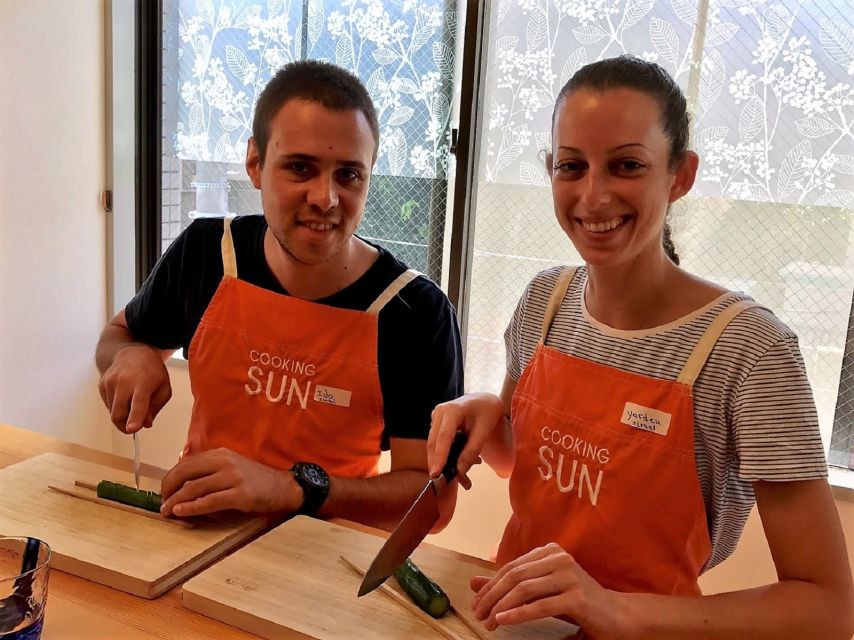
- Small group (up to 8) means you’re not stuck watching from the sidelines
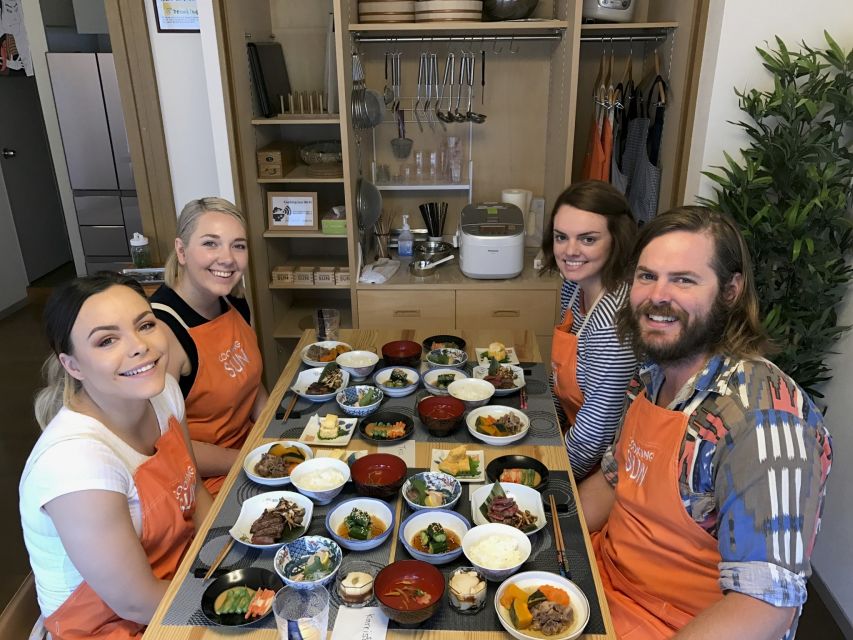
- Wagyu sukiyaki plus a full-course lineup gives you a real meal experience
- Dashi and miso basics are taught in a practical, hands-on way
- Fresh ingredients and clean tools make cooking feel easy and enjoyable
- English instruction keeps cultural tips and techniques clear
- Recipes to take home turn the class into skills, not just a one-time meal
Wagyu in a Home Kitchen Beats a One-Off Dinner
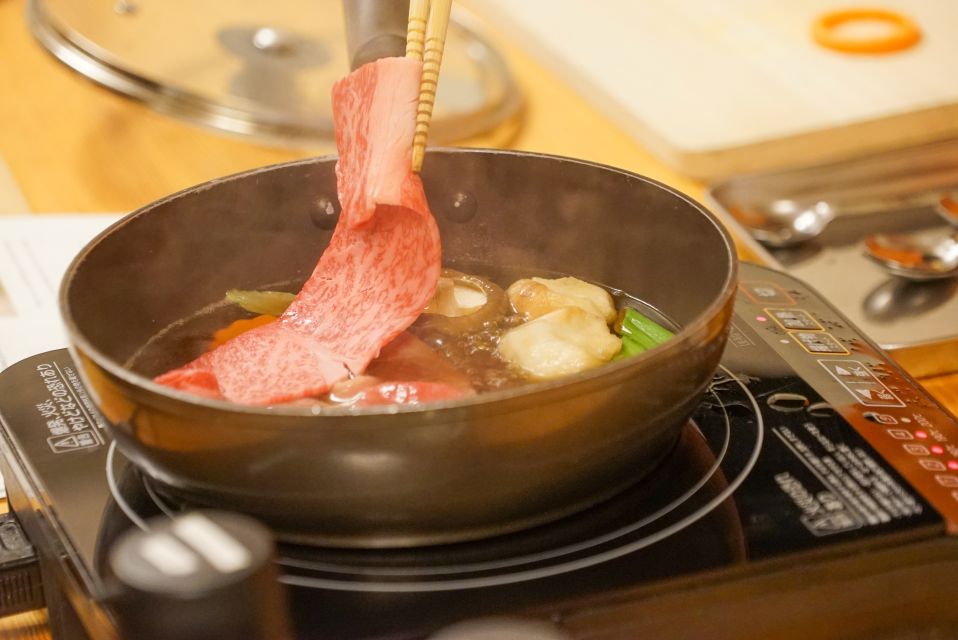
Tokyo has plenty of places to eat Wagyu. This class adds something those meals usually don’t: you learn the methods behind the flavor. When you cook sukiyaki-style Wagyu hotpot, you don’t just get the tender bite—you get a feel for how sweet-salty balance, heat control, and ingredient timing create that signature comfort-food taste.
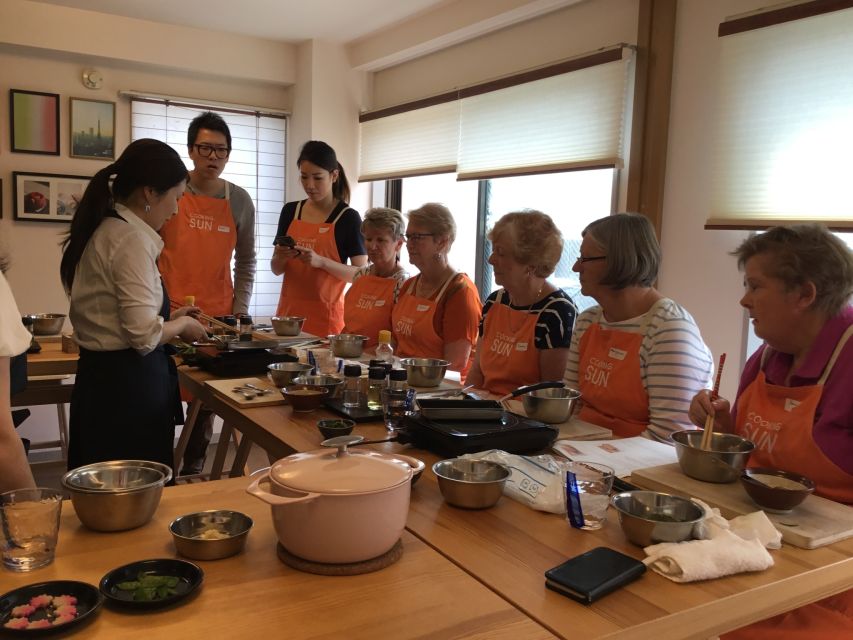
The setting matters, too. This isn’t a loud, choreographed production. It’s in a residential studio where the vibe stays warm and human. That makes it easier to focus on the food: you’ll chop, stir, and cook at your station while instructors guide you through what you’re doing and why.
And yes, the Wagyu gets attention for a reason. In past classes, people have said the beef tasted tender and flavorful compared to what they’d had at restaurants, which tracks with the advantage of cooking it properly yourself—especially when you’re learning how the dish should be handled.
You can also read our reviews of more cooking classes in Tokyo


The Meal You Cook: Dashi Soup, Tamago, Sukiyaki, and More
The class is built as a full-course experience—about 2.5 hours of cooking, then you eat everything. Even though it’s often described as a 7-dish class, the overall format totals 8 items, with an appetizer-to-dessert flow.
Based on the menus that come up again and again, here are the dishes you should expect to see:
Dashi and miso soup (with homemade stock basics)
You’ll learn to make dashi from scratch for miso soup. This is one of the most useful skills from the whole experience. Dashi is the backbone of a lot of Japanese home cooking, so once you understand the concept and practice the steps, you can apply it beyond this class.
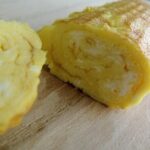
Tamago-style rolled omelette
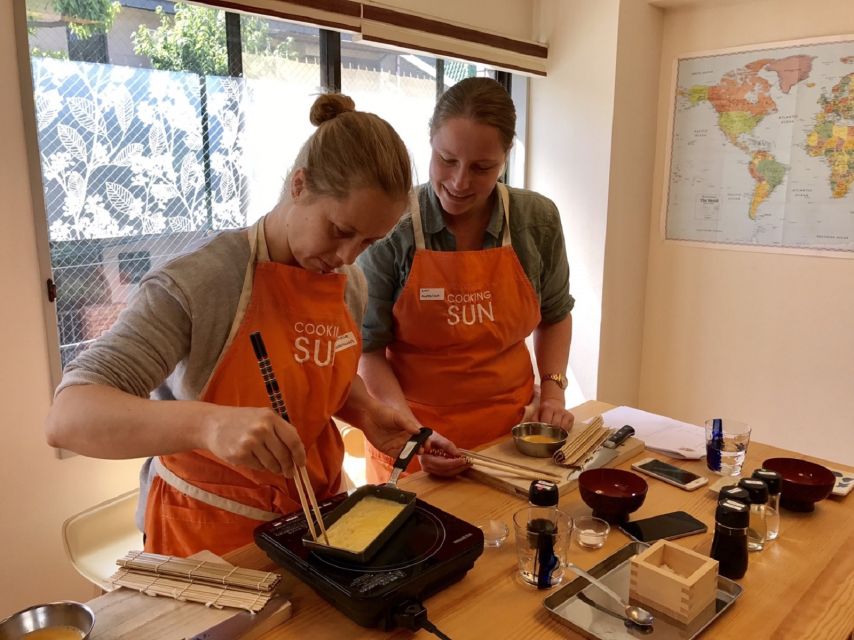
You’ll make a Japanese omelette (often described as a rolled egg dish). This isn’t just a cute skill; it’s a lesson in patience and heat control—small changes matter when you’re shaping thin layers.
Accordion-cut cucumber salad and sesame potato salad
You’ll also work on textures and presentation. One dish commonly included is cucumber cut in an accordion style, plus a sesame potato salad that’s all about creamy comfort with Japanese-style seasoning.
You can also read our reviews of more tours and experiences in Tokyo



Stuffed tofu with ground chicken, ginger, and edamame
A hearty, savory plate often included here is tofu stuffed with ground chicken, flavored with ginger and served with edamame. This is the kind of home-meal component you can actually reproduce later if you buy the right ingredients.
Sukiyaki hotpot featuring Wagyu
This is the centerpiece: sukiyaki with Wagyu. You’ll practice how to assemble and cook it like a hotpot meal, with the balance that makes sukiyaki feel both sweet and deeply savory.
Dorayaki for dessert
Finally, the day often ends with dorayaki—Japanese pancakes filled with sweet filling. It’s a dessert that makes the whole meal feel complete, and it’s also a great way to see how Japanese sweets can still feel approachable at home.
One more course item in the full-course lineup
Because the course totals 8 items, you’ll likely see one additional component beyond the list above. The key for your planning: you’re not just making one or two highlights. You’re building a full meal you’ll sit down to eat.
How the 3 Hours Usually Feels (Paced, Not Hectic)
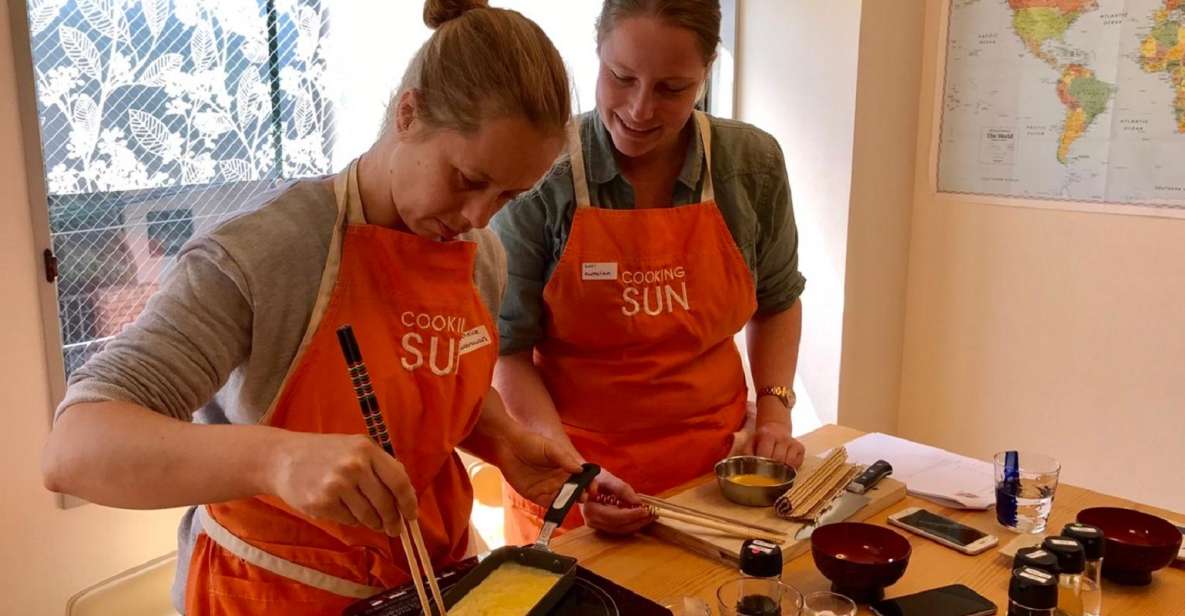
The duration is listed as 3 hours, with about 2.5 hours spent cooking. In practice, this matters because it gives you enough time to actually learn steps without feeling rushed.
What makes the pacing work:
- Instructors demonstrate key steps first, then you take over.
- You cook through a sequence that builds like a real meal: starters and prep lead into hot dishes, then you finish with dessert.
- You’re not left alone with a recipe. Step-by-step guidance stays central.
People who’ve done classes like this often talk about how hands-on it is without becoming stressful. You’ll handle real techniques—stock-making for dashi, careful cutting, and cooking hotpot-style—yet the menu is designed to stay doable.
One more practical plus: you’ll be cooking in a clean studio with equipment laid out for you. Several people noted the quality of the knives and pans, and that makes a difference when you’re trying to follow along while working.
Skills That Travel Home With You: Knife Work, Dashi, and Substitutions
A cooking class is only valuable if it changes what you can cook next week. Here, the skills are very transferable.
Dashi and miso: the flavor engine
Learning dashi from scratch for miso soup is the big one. If you take nothing else away, take this. Dashi flavor is what makes many Japanese soups and braises taste layered instead of salty-only.
You’ll also get practical context, including how different miso types can change flavor outcomes. That kind of lesson helps you stop guessing at the grocery store.
Cutting technique: texture is the secret ingredient
The accordion-cucumber style is a great example of why technique matters. It’s not complicated, but it gives you an instantly different texture and bite. You’ll see how Japanese home cooking often treats “presentation” as part of flavor.
Hotpot logic: timing and balance
Sukiyaki can be intimidating if you think it’s only about the sauce. The class approach helps you understand the flow—when to add components and how to cook without overdoing things.
Recipes with sensible tips
You’ll receive recipes for what you made. And instructors also share tips on where to find ingredients and how to substitute where needed, especially if you can’t get the same products back home.
This matters for value. At $67, you’re not just paying for food. You’re paying for repeatable home results—if you use the recipes.
Getting There: Finding Cooking Sun Tokyo in a Residential Area
The studio is in a residential neighborhood, and that’s part of the charm. It’s also why the meeting point needs attention.
Here’s the practical info you should keep handy:
- Look for Cooking Sun Tokyo on Google Maps using the name
- Address is listed as Shinanomachi 18-39, Shinjuku-ku, Tokyo
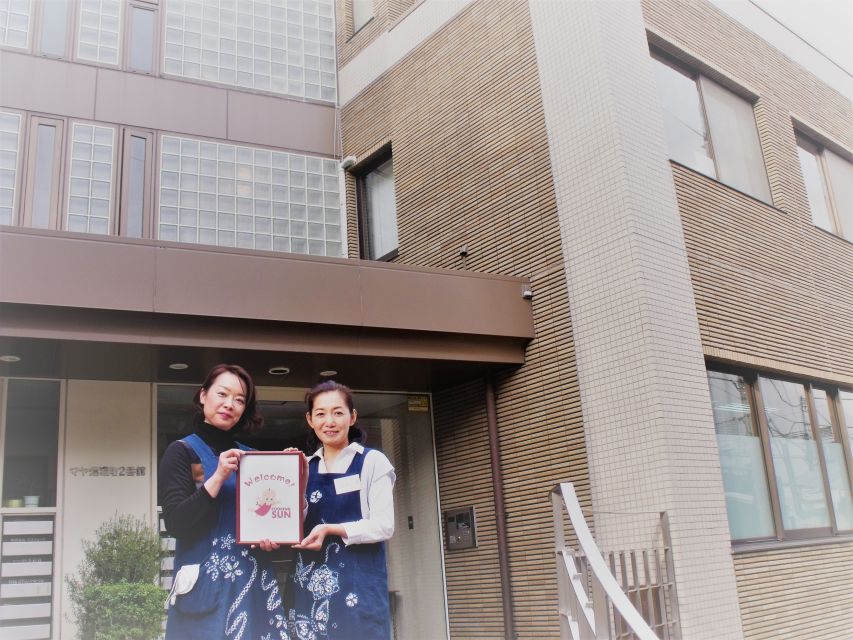
- The studio is on the 2nd floor of a beige residential building
- At the entrance, you’ll see two doors—use the right-side door
- To call, press 314 on the intercom
Also note: there’s no hotel pickup. You’ll want to build in extra time to get oriented, especially if you’re not used to navigating apartment-building streets.
If you’re coming by private vehicle, you’re welcome—but don’t stop and wait directly in front of the building. Use a nearby coin-operated parking lot if your driver needs to wait.
Who This Cooking Class Fits Best
This is one of those activities that works for a surprising range of people, mainly because it’s structured and small.
It’s a good match if you:
- Want a hands-on intro to Japanese home cooking (not just a tasting tour)
- Enjoy learning techniques you can repeat later
- Like small-group interaction where you can talk with instructors in English
- Travel as a couple, solo, or family (the classes include people from different backgrounds, including families with children)
Dietary flexibility is built into the setup. If you have restrictions, the studio can substitute ingredients—examples given include food allergies, gluten-free diets, religious dietary restrictions, and vegetarian preferences. Tell them about your needs at booking so they can plan the substitutions.
Price and Value: Why $67 Can Make Sense for Tokyo
At $67 per person for a 3-hour session, the value depends on what you compare it to.
Consider what’s included:
- All ingredients and utensils
- Towel and apron rental
- Welcome tea
- Recipes to take home
- A small-group teaching format (up to 8 people)
- And a meal you get to eat, including Wagyu
Then consider what’s not included:
- No hotel pickup or transportation
If you were paying only for food, you might feel the price. But if you think of it as paying for instruction plus ingredients plus a full meal—plus the chance to cook Wagyu yourself—the math starts looking fair. People have also pointed out that the Wagyu can taste very tender when it’s cooked correctly, and you’re learning how to do that rather than just ordering it blindly.
If you want to maximize value, I’d schedule this earlier in your trip. The skills you learn—dashi logic, miso basics, hotpot handling—make the rest of your food days in Japan more meaningful.
Should You Book This Wagyu and 7 Dishes Class?
If you want an authentic Tokyo food experience that’s more than eating, I’d book this. The strongest reasons are simple:
- You get hands-on cooking with serious Japanese staples (dashi, miso soup, tamago, sukiyaki, and dessert)
- Instruction is in English, step by step, for a small group
- You leave with recipes and practical guidance for recreating flavors at home
- The menu includes Wagyu as the headline, without making the class feel like a one-trick show
Skip it (or at least rethink) if you hate logistics-heavy meeting points. The studio is in a residential building and you’ll need to find it yourself. Also, if you’d rather just stroll and eat without cooking, this won’t be that kind of experience.
FAQ
How long is the cooking class?
The class duration is listed as 3 hours.
How big is the group?
It’s a small group limited to 8 participants.
Is the instructor English-speaking?
Yes, the instruction is in English.
What’s included in the price?
The class includes recipes, all ingredients and utensils, towel and apron rental, and a welcome tea.
Do I need hotel pickup or transportation?
No. Hotel pickup and transportation are not included.
Where is the meeting point?
The studio is in a residential area in a beige residential building. It’s on the 2nd floor, and you should use the right-side door at the entrance. To call, press 314 on the intercom.
How do I find the studio using Google Maps?
Search for Cooking Sun Tokyo (Shinanomachi 18-39, Shinjuku-ku, Tokyo).
Can they accommodate dietary restrictions or allergies?
Yes. The studio can substitute ingredients for dietary needs such as allergies, gluten-free diets, religious dietary restrictions, and vegetarian preferences. You should inform them when booking.
Is there free cancellation or pay-later booking?
There is free cancellation up to 24 hours in advance for a full refund. There’s also an option to reserve now and pay later.