REVIEW · TOKYO
Sushi Cooking Class: AKEMI’s SUSHiKiTCHEN in Tokyo
Book on Viator →Operated by Akemi's Sushikitchen · Bookable on Viator
Sushi feels easy when someone good shows you. This small-group class takes you into Akemi’s Tokyo home for hands-on sushi making, plus real talk on sushi history and etiquette. You’ll learn why sushi is built the way it is, not just how to copy a roll or two.
I especially loved the close attention in a small setting and the calm, lived-in home atmosphere that makes learning feel natural. Akemi teaches with clear structure, and Dan helps keep things comfortable and easy to follow, even when you’re new. The fresh fish and carefully sourced rice also make the lesson taste like the real thing, not a tourist demo.
One consideration: you only have about 2.5 hours and you’ll make four types of sushi, so it’s more of a focused intro than an all-day deep menu tour. If you’re hoping to master every sushi style in one go, you’ll likely want to book a longer class later.
In This Review
- Key things that make this sushi class worth your time
- Entering Akemi’s Tokyo Home: Small Group, Real Learning
- Meet Akemi and Learn the Edomae Approach in Plain English
- Ingredients That Aren’t Just Marketing: Rice, Neta, and Why It Matters
- The 2.5-Hour Flow: Making Four Types of Sushi Hands-On
- More Than Sushi: Terminology and Etiquette That Make You Look Like a Regular
- The Meal You Cook: Eat Immediately, Taste the Difference
- Price and Value: Is $105.68 Fair for a Tokyo Sushi Class?
- Getting There and What to Bring (Without Overthinking It)
- Who This Sushi Class Is Best For
- Should You Book Akemi’s Sushi Kitchen in Tokyo?
- FAQ
- How long is the sushi cooking class?
- What is the price per person?
- How big is the group?
- Where does the class meet?
- Is there a meal included?
- What kinds of sushi will I make?
- Will I be able to understand the instruction in English?
- What ingredients are used?
- How do I get my ticket?
- What is the cancellation policy?
Key things that make this sushi class worth your time
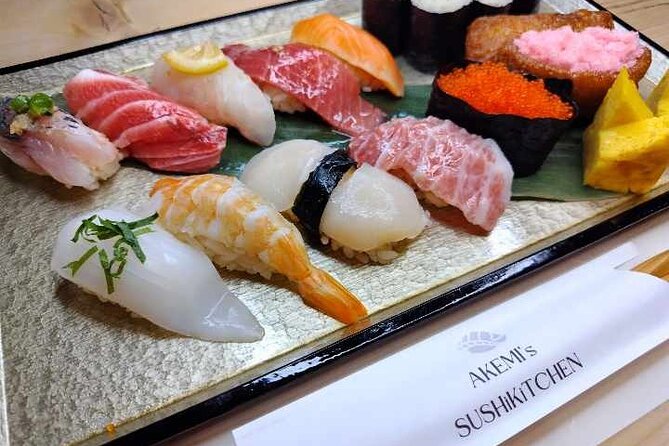
- A max-of-five-student setup for real personal guidance, not a crowded kitchen scramble
- Edomae training plus English teaching so the technique comes through clearly
- Rice and fish sourcing with names and places, including blended rice from Hachidaime Gihey in Kyoto
- Toyosu and Tsukiji fish-market sourcing for the neta, so the flavor starts strong
- You learn sushi etiquette and key terminology before you eat what you made
Entering Akemi’s Tokyo Home: Small Group, Real Learning
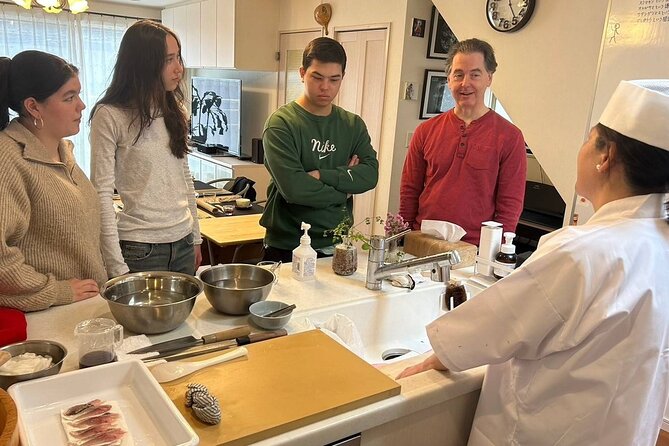
This is the kind of experience that doesn’t feel like a show. You step into a quiet residential home in Tokyo, where the vibe is more “lesson with a chef” than “performance for tourists.” That matters, because sushi is detail work. If the room is frantic, your hands and attention both suffer.
The class is capped at a maximum of six travelers, and it’s limited to five students at a time. That small size is a big part of the value. You get time to ask questions and adjust your technique, instead of watching from the edge and hoping you catch every move.
Meeting point is Tamanosato Sasazukaten 1-chōme-56-18 Sasazuka, Shibuya. It’s in a neighborhood with public transport nearby, so you’re not stuck out in the middle of nowhere. Still, plan to arrive a little early so you can settle in before cooking starts.
You can also read our reviews of more cooking classes in Tokyo


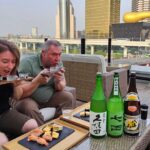
Meet Akemi and Learn the Edomae Approach in Plain English
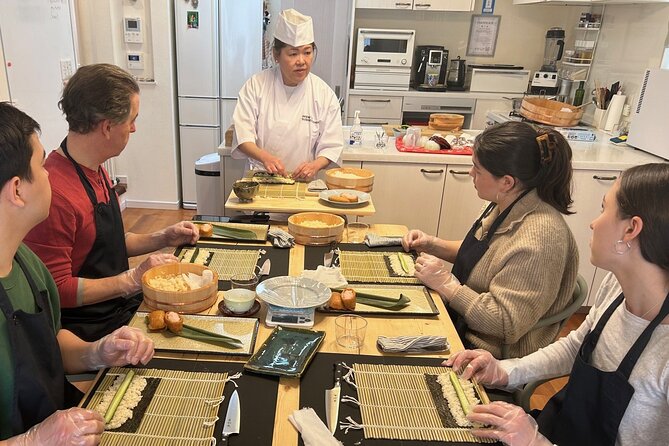
Akemi brings real restaurant experience—seven years in Japan’s restaurant industry. She’s also completed the Edomae Sushi Technique Acquisition Course at the Tokyo Sushi School. Translation: you’re not just learning random sushi. You’re learning a method tied to traditional Tokyo practice.
Even better, the lesson is taught in English. That doesn’t just help you understand instructions. It helps you understand why the steps matter. Sushi technique is full of tiny decisions—rice temperature, seasoning balance, knife angles, and handling fish gently. When you get the reasoning, you can repeat the results later.
Dan is part of the host team, and you’ll feel that “we’ve done this before with people from everywhere” support. The class is designed so you can jump in, even if you’ve never tried sushi before.
Ingredients That Aren’t Just Marketing: Rice, Neta, and Why It Matters
The best sushi lessons start with ingredient quality you can taste right away. Akemi sources the rice and fish with intention, and that changes the whole class.
For the rice, she uses blended rice specially ordered from Hachidaime Gihey in Kyoto (est. 1787). That detail matters because sushi rice is the foundation. If the rice is wrong, no amount of clever wrapping saves the final bite.
For the fish (the neta), she sources fresh options directly from fish markets in Toyosu and Tsukiji. In plain terms: your sushi isn’t built on frozen, mystery-grade seafood. You’re learning with ingredients that behave the way sushi ingredients are supposed to behave.
If you’re the type who usually orders sushi and moves on, this ingredient emphasis will surprise you. You’ll start noticing differences in aroma, texture, and how the fish sits against seasoned rice. That’s a key takeaway you’ll carry into future meals.
The 2.5-Hour Flow: Making Four Types of Sushi Hands-On
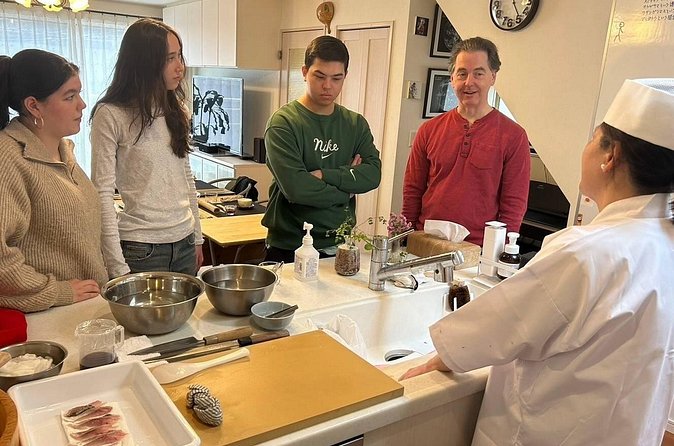
You’ll make sushi in a home kitchen setting, and the class runs about 2 hours 30 minutes. The pace is friendly but real—you’ll be actively working most of the time.
The lesson culminates in a meal made by you. Before you start shaping, you’ll get guidance that helps you avoid the common rookie errors, like packing too hard or treating sushi rice like regular rice. Sushi rice has a specific stickiness level and temperature range that affects everything from rolling to bite texture.
You’ll also learn techniques as you go. The class is structured around preparing four types of sushi, so you get variety without the time drain of trying to cover every style under the sun. Expect to learn skills that transfer: how to handle fish, how to portion rice, and how to finish each piece so it holds together and tastes balanced.
Even if you’re starting from zero, the format is set up so you can participate. Small group size means Akemi can correct your hand position and rhythm. That feedback is a big reason the class scores so high.
More Than Sushi: Terminology and Etiquette That Make You Look Like a Regular
One of the most useful parts isn’t cooking at all. It’s the language and table manners, taught in a way that sticks.
You’ll learn essential sushi terminology, plus insights into the history of sushi. That background isn’t academic trivia. It helps you understand what you’re eating and why people care about certain pairings and textures.
Then there’s etiquette. You’ll get traditional Japanese eating etiquette before you eat your own sushi creations. This is the difference between knowing what to order and knowing how to eat. Simple things—how you hold sushi, how you approach soy sauce, and how to think about bite size—can turn an awkward meal into a confident one.
One underrated value here: even Japanese participants have said they learned a lot about their own food culture. That’s a strong sign the etiquette and terminology are taught with actual depth, not the usual beginner gloss.
You can also read our reviews of more tours and experiences in Tokyo



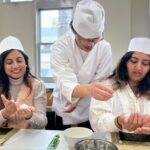
The Meal You Cook: Eat Immediately, Taste the Difference
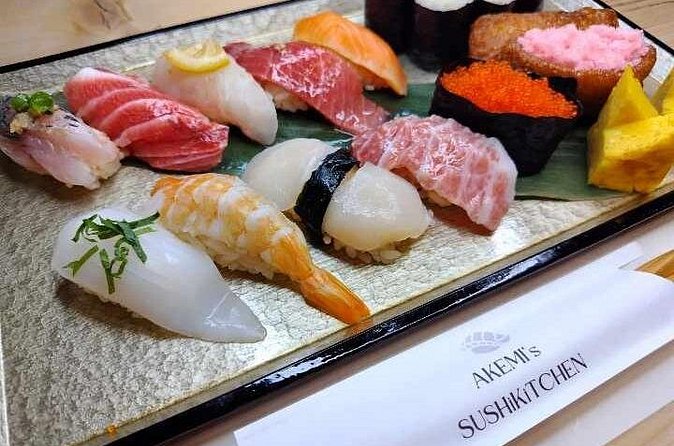
At the end, you’ll eat what you made. This matters more than it sounds. Sushi is sensitive to handling and timing. When you cook and eat in the same session, you experience the exact moment when rice texture, seasoning, and fish feel most aligned.
Because you’ll be making the meal yourself, every bite becomes a feedback loop. You’ll remember which step improved the bite. You’ll also feel which mistakes change the texture—too much pressure on rice, uneven distribution, or rushing the finish.
This is also where the home setting pays off. You’re not surrounded by restaurant distractions. It feels like sitting down after a lesson, not like lining up for service.
Price and Value: Is $105.68 Fair for a Tokyo Sushi Class?
At about $105.68 per person, this isn’t the cheapest thing you can do in Tokyo. But it’s not overpriced for what you get either.
Here’s why the value holds up:
- You’re paying for a chef-trained instructor with Edomae technique credentials.
- You’re cooking in a private home environment with small-group attention.
- The class includes hands-on creation of four types of sushi, then you eat them.
- Ingredients are specifically sourced, including Hachidaime Gihey rice and neta sourced from Toyosu and Tsukiji.
If you compare it to a typical sushi meal alone, the educational portion is the reason the price can feel reasonable. You’re not only eating; you’re learning technique and etiquette you can use next time. For many people, that’s the whole point of booking a cooking class in the first place.
Also, bookings are typically made about 49 days in advance on average. That’s a hint it sells well. If it fits your schedule, waiting for a dramatic price drop usually isn’t the best strategy.
Getting There and What to Bring (Without Overthinking It)
You’ll meet at Tamanosato Sasazukaten 1-chōme-56-18 Sasazuka, Shibuya. The activity ends back at the meeting point, so you don’t need to plan an extra commute afterward.
It’s near public transportation, which helps. Still, since it’s a home in a residential area, I recommend giving yourself a little time to find the exact spot and settle in before the cooking begins.
You’ll receive a mobile ticket, so keep your phone handy. You’ll also get confirmation at booking.
One more practical note: service animals are allowed.
Who This Sushi Class Is Best For
This class fits best if you want authentic technique, not just a quick taste of Tokyo food culture.
You’ll likely love it if:
- you’re new to sushi and want a confident starting point
- you care about technique and want to understand how rice and fish work together
- you enjoy small-group experiences where you can ask questions
It may be less ideal if:
- you’re already a sushi expert and want advanced training across many styles in one session
- you’re looking for a long, slow food day rather than a focused 2.5-hour lesson
Should You Book Akemi’s Sushi Kitchen in Tokyo?
Yes, if you want a small, skill-building sushi experience in a real Tokyo home setting. The combination of Akemi’s Edomae technique background, English instruction, small-group attention, and hands-on making of four types of sushi is a solid package for the price.
Book it if sushi is on your list and you also want to understand the etiquette and terminology so your next sushi meal feels easier. The home atmosphere makes the class feel personal, and the ingredient sourcing raises the bar from the first bite.
If you want a “see Tokyo” day packed with sights, this won’t replace that. But if you want a memorable food skill you’ll actually use, this is a smart, tasty choice.
FAQ
How long is the sushi cooking class?
It lasts about 2 hours 30 minutes.
What is the price per person?
The price is $105.68 per person.
How big is the group?
The class is limited to a maximum of five students, and the activity has a maximum of six travelers.
Where does the class meet?
The meeting point is Tamanosato Sasazukaten 1-chōme-56-18 Sasazuka, Shibuya, Tokyo 151-0073, Japan.
Is there a meal included?
Yes. The lesson culminates in a delicious meal made by the participants.
What kinds of sushi will I make?
You’ll learn how to make four types of sushi.
Will I be able to understand the instruction in English?
Yes. Akemi offers a sushi lesson in English.
What ingredients are used?
The rice is blended rice specially ordered from Hachidaime Gihey in Kyoto, and the fish (neta) is sourced directly from fish markets in Toyosu and Tsukiji.
How do I get my ticket?
You’ll get a mobile ticket.
What is the cancellation policy?
Free cancellation is available up to 24 hours in advance for a full refund. If you cancel less than 24 hours before the start time, the amount paid will not be refunded.

![[Once-in-a-Lifetime Experience]Tokyo City Go-Kart Experience Tour - Where you meet and how the start usually feels](https://e.thetokyoexplorer.com/wp-content/uploads/once-in-a-lifetime-experiencetokyo-city-go-kart-experience-tour-400x267.jpg)