REVIEW · TOKYO
Explore Tokyo Your Way: Private Customizable Walking Tour
Book on Viator →Operated by Tokyo Local Discovery Walks · Bookable on Viator
Tokyo can feel like a video game. This private, customizable walk helps you pick the path—on foot and by public transport—while your guide handles the flow. You’ll also get photo help and a personal pace rather than marching with a big group.
I like that it’s truly private, so you’re not stuck with someone else’s agenda. I also like the smart mix of walking plus trains, which gets you across town without wasting time. One thing to consider: the route can mean a lot of walking, so set expectations early if you want a slower day.
In This Review
- Quick hits before you go
- Private Tokyo that fits your day, not a script
- A note on expectations (and why pacing varies)
- Meeting point, pickup, and getting where you need to go
- How your 2–6 hour route usually comes together
- Option A: “Get oriented fast” day (great for day one)
- Option B: “History + lifestyle” day (shrines, street culture, and context)
- Option C: “Food and fun” day (snacks, cafes, and casual dining)
- Option D: “Markets, castles, and temple hopping” day (more variety)
- Walking, trains, and why “your guide” matters more than the route
- Stop types to expect: temples, trend streets, and iconic intersections
- Shrines and temples (for meaning and contrast)
- Harajuku and Takeshita Street (for people-watching and street energy)
- Shibuya scramble (for orientation and photos)
- Tokyo SkyTree and Akihabara (for skyline and shopping time)
- Price and value: what $44.78 buys you
- The guide experience: what the strongest outings had in common
- One drawback to plan for: language and “depth of history”
- Who should book this tour (and who should tweak it)
- Should you book Explore Tokyo Your Way?
- FAQ
- How long is the Explore Tokyo Your Way private customizable walking tour?
- Is this tour private or will I join strangers?
- What’s included in the price?
- What isn’t included?
- Will my guide take photos of me?
- What languages are the tours offered in?
- Is there free cancellation?
Quick hits before you go
- Private by design: only your group, so you can adjust on the fly.
- Customizable route: history, culture, food, shopping, or nature—your call.
- Photo-friendly guides: they’re happy to take pictures of you.
- Walk + public transport: you cover neighborhoods without stress or long taxi bills.
- 2–6 hours: you can match the tour to your schedule.
- Free admission tickets (as stated): at least some entry costs are handled.
Private Tokyo that fits your day, not a script
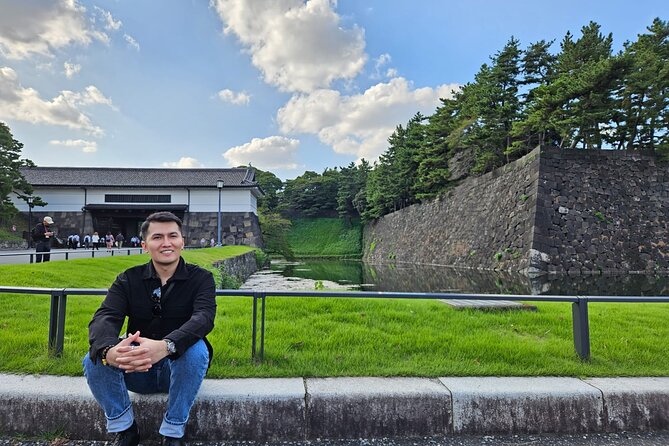
The big win here is control. You start with a meeting point in a handy central area, then you and your guide shape the plan around what you actually care about. In Tokyo, that matters. One person wants shrines and old streets. Another wants fashion, snack stops, and the famous intersections. A customizable route means both can happen without compromise.
This format also works well for first-timers because your guide isn’t just pointing out landmarks. You’re building a working sense of the city—what’s where, how neighborhoods connect, and what you might want to come back for later. Many outings you can create from this tour style include stops like Meiji Jingu, Shibuya scramble, Harajuku/Takeshita Street, and Asakusa’s temple area—plus food along the way—so you get both “wow” sights and the local rhythm.
You can also read our reviews of more walking tours in Tokyo


A note on expectations (and why pacing varies)
The duration range is 2 to 6 hours, so the intensity can swing. Some itineraries sound like smooth strolling; others can turn into serious step counts once you add subway station walking and indoor queue time. If you’re jet-lagged, traveling with mobility concerns, or just hate the feeling of rushing between trains, I’d ask your guide up front for a pace target—short walks, more transit, and fewer station zigzags.
Meeting point, pickup, and getting where you need to go
You’ll meet at a central location (near public transportation), and pickup is offered. That’s useful if you’re juggling luggage, coming from a hotel, or trying to sync with a cruise schedule. One guide (Bruna) specifically coordinated ahead via WhatsApp and met people at a cruise port, showing how flexible the meeting situation can be when timing is tricky.
Once you start, the tour leans on public transportations—and that’s not just a cost choice. Tokyo’s subway and metro systems can feel intimidating at first. A private guide turns that chaos into a simple route: enter station here, take this line, transfer there, and you’ll be at the right neighborhood without burning your energy.
A practical tip: if you’re arriving with a transit card (like a Suica), ask whether your guide can help with basics. In one case, Kwan even helped recharge Suica cards, which can save time and confusion right before you start seeing things.
How your 2–6 hour route usually comes together

There’s one main planning block—your guide designs the day—but the stops you choose tend to cluster in logical neighborhood “chunks.” That’s the real value of doing it this way. Tokyo isn’t built for random wandering; it’s built for neighborhood hopping, and trains are the glue.
Here’s how I’d think about building your day with this tour style.
Option A: “Get oriented fast” day (great for day one)
If you only have a short window, you’ll likely want high-recognition spots plus one or two nearby culture anchors. Routes like these commonly include:
- Meiji Jingu (often paired with Harajuku area walking)
- Shibuya scramble and the surrounding scenes
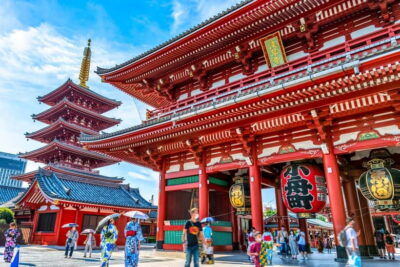
- A temple neighborhood stop when you want contrast (Asakusa/Sensoji is a common pick)
One guide (June) put together a route that included Meiji Jingu, Takeshita Street, Shibuya, Tokyo Skytree, and Sensoji Temple, then finished with lunch and an Akihabara drop-off for shopping. That kind of layout is ideal when you want Tokyo’s “greatest hits” without spending your whole day figuring out trains.
Why it works: You leave with a mental map you can actually use. You’ll know what to revisit and what to skip.
Potential drawback: You may see a lot but linger less, especially if your stops are popular and require extra walking/queues.
You can also read our reviews of more private tours in Tokyo



Option B: “History + lifestyle” day (shrines, street culture, and context)
If you want meaning—not just photos—ask your guide for history and culture explanation along the way. One guide (Gulnoz) was praised for Japanese history and culture context, and people reported learning interesting background tied to what they were seeing.
A downside to watch for: the low-rating comment in the data flagged an experience where the guide’s communication didn’t match the visitor’s expectations around Japanese traditions. English is standard, but if you’re hoping for deep cultural interpretation with specific religious terms (Shinto/Buddhist), it’s worth clarifying your expectations during booking: what level of historical context do you want, and which topics matter to you?
Option C: “Food and fun” day (snacks, cafes, and casual dining)
Tokyo is half taste test, half sightseeing. This tour format makes food stops easier because your guide can recommend places that fit the day’s route and energy level. Some examples pulled from guide-led outcomes include:
- Ramen recommendations requested last minute
- Conveyor belt sushi at Kura, described as fun and involving a small lottery game for every set of plates
- A hedgehog cafe stop (paired with Harajuku/Shibuya-area walking in one custom plan)
Why it works: You’re not stuck with random convenience-store meals when you’re tired. You get food suggestions that match the neighborhood you’re in at that moment.
Potential drawback: Food is not included, so you’ll want to budget for lunch/snacks separately.
Option D: “Markets, castles, and temple hopping” day (more variety)
In the highlights, you’ll see references to cultural, historic, culinary, and natural attractions. That translates well into a day that mixes classic sights with local markets or temple areas. One outing was described as covering markets, castles, and temples—another sign that the guide can flex beyond a single theme.
Walking, trains, and why “your guide” matters more than the route
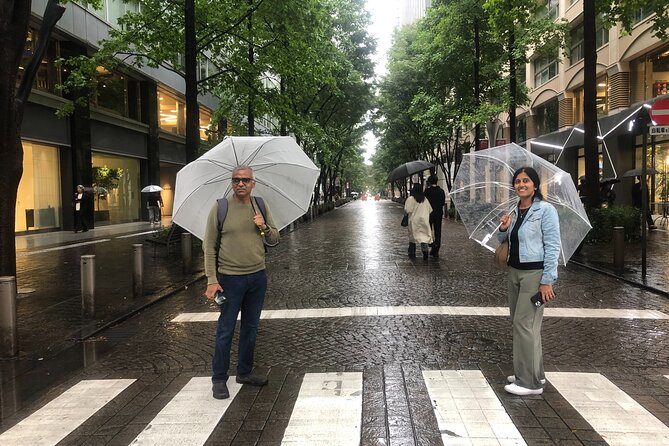
In Tokyo, the route is only half the story. The other half is how you move through the city without getting stuck. With this tour style, your guide is actively helping you navigate public transport and find the best walking paths between stations.
In multiple guided experiences in the provided information, guests called out subway and metro help directly:
- guides helping navigate train/bus systems
- guidance for first-timers learning how the Tokyo rail network works
- assistance recharging transit cards (Suica)
- help navigating transfers efficiently
If you’ve never used Tokyo’s subway, it’s the difference between enjoying the day and spending it staring at station maps. Even if you love planning, there’s a time-and-energy cost to DIY movement—this tour reduces that cost.
And yes, you’ll likely walk a fair amount. One plan was described as 11,000 steps in 5 hours, plus extra station walking. Another mentioned 30k+ steps on a longer stretch. That’s not a flaw—it’s Tokyo logistics—but you should plan for it. Bring comfortable shoes, and don’t assume you’ll be able to “power through” just because you can walk at home.
Stop types to expect: temples, trend streets, and iconic intersections
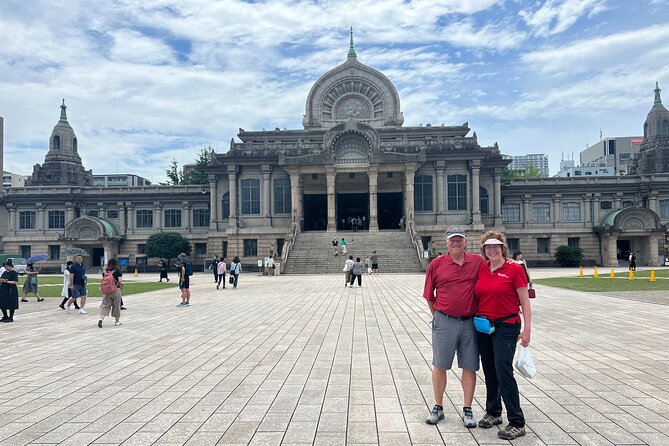
Because the tour is customizable, you won’t get the same exact stops every time. Still, the most commonly successful routes follow a pattern: one or two spiritual/cultural stops, one modern streetscape, one big-picture photo landmark, then a food or shopping segment.
Shrines and temples (for meaning and contrast)
When your itinerary includes Meiji Jingu or Sensoji Temple, you get a strong contrast with Tokyo’s speed. These spots are also where guides can add helpful context. Even when you’re not a history buff, learning what you’re looking at (and why people do certain rituals) makes the visit feel less like a checklist.
Harajuku and Takeshita Street (for people-watching and street energy)
If your interests lean playful and fashion-forward, this part of Tokyo is a classic choice. Takeshita Street was mentioned as a stop in a full-day plan that also included Meiji Jingu and Shibuya. The value here is having someone who knows how to route you through crowds and where to pause.
Tip: If you want photos, lean into the photo-friendly aspect. Guides are happy to take pictures of you, which helps when the street scenes are busy and you’d otherwise be shooting awkward selfies.
Shibuya scramble (for orientation and photos)
Shibuya is a top first-timer pick for a reason: it’s instantly recognizable. Guides often build Shibuya into the plan alongside nearby areas like Harajuku. One guide (John-San in the data) was praised for helping guests navigate subways and buses to reach the locations they wanted. That’s how Shibuya becomes a “win” instead of a maze.
Tokyo SkyTree and Akihabara (for skyline and shopping time)
SkyTree shows up as a landmark option in at least one tailored itinerary, and Akihabara is often where that day’s energy turns into shopping. In June’s example, she dropped the guest in Akihabara after finishing the sightseeing portion, which is a smart way to let you shop without pulling your guide off-route too long.
Price and value: what $44.78 buys you

At $44.78 per person, this tour can feel like a bargain compared with private car transfers. But the real value isn’t the price sticker—it’s what’s included and what it prevents.
What’s included (per the data):
- pickup is offered
- public transportations
- a “private” format where only your group joins
- mobile ticket
- admission ticket is listed as free (at least for certain parts)
What you pay for:
- food
- all fees and taxes (worded broadly)
- private transportations (like taxis)
So you’re paying mostly for guide time plus transit guidance. For first-time visitors, that can be worth it fast because it removes two common travel costs:
1) time spent figuring out trains
2) wasted sightseeing on routes that don’t connect efficiently
Also, private tours mean you can ask for what you want. If you invest that time and money into the wrong theme—say, you really want temples but you get only shopping arcades—you lose value. The customization reduces that risk.
One practical math idea: if you’re the type who would spend an entire day using transit independently, you’d still pay transit costs. Here, transit support is built in, and you get a guide to help you interpret what you’re seeing.
The guide experience: what the strongest outings had in common
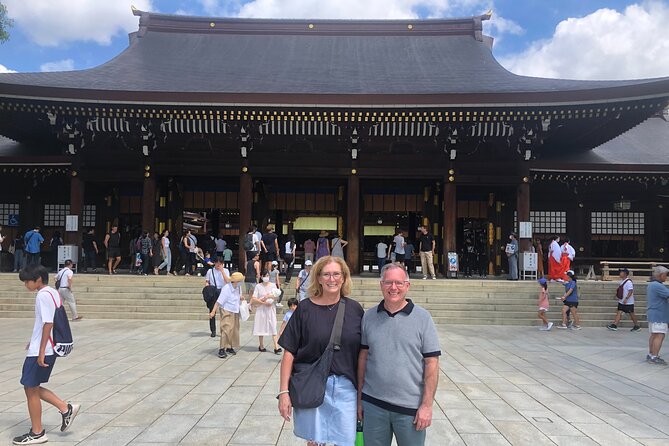
The data shows many different guides, and the best ones share a few traits: good communication ahead of time, flexible routing, and real-world assistance with transit.
Examples from the provided information include:
- Bruna: communicated ahead via WhatsApp, met a guest at a cruise port, used metro/subway to hit destinations, and adapted to interests.
- Sonam: adjusted the itinerary to match preferences and provided a pace described as perfect, with local and historical knowledge.
- Kwan: helped navigate Tokyo subway and buses, even supported Suica recharging, and tailored the plan while keeping the route moving.
- Maika san: described as answering lots of questions easily, covering history and lifestyle around Kabukicho/Shibuya/Harajuku, and making food feel like part of the story.
- Takanari: saved time and reduced stress about getting lost in the subway system.
Those are the outcomes you want: you feel guided, not managed.
One drawback to plan for: language and “depth of history”
One lower-rated comment criticized a guide experience where English-level instruction didn’t meet expectations for cultural and religious explanation. Another mixed comment said there wasn’t enough history/context for what was expected.
This doesn’t mean the tour is unreliable. It means you should be direct about your preferences. If history and traditions matter to you, say so. If you want a photo-and-snack day with lighter explanations, say that too. Private tours work best when the goal is clear.
Also watch the walking pace. If you’re sensitive to steps or station wandering, ask for fewer stop-hops or more transit time between areas.
Who should book this tour (and who should tweak it)
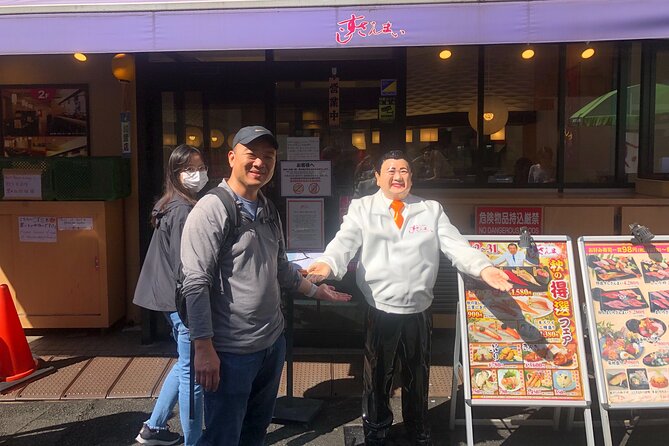
This is a great fit if:
- it’s your first time in Tokyo and you want an orientation day
- you want a plan built around your interests rather than a fixed route
- you value help with public transport navigation
- you want photos taken without juggling your camera between crowds
- you’re traveling as a couple, family group, or small group that benefits from privacy
You might want to adjust your expectations if:
- you hate walking and long station transfers
- you’re expecting deep academic history on very specific religious traditions—confirm your desired level during booking
- your trip is extremely time-sensitive (then ask how your guide will structure timing so you’re not rushed at the end)
Should you book Explore Tokyo Your Way?
I’d book it if you want a practical Tokyo first step: a private guide, a route that adapts, and the confidence to use the metro without stress. At $44.78 per person, the value holds best when you’ll actually use the transit included and you care about having someone help interpret what you see.
Skip it or refine it if you want a low-walking day or you expect a very specific style of cultural instruction without customizing. In that case, message your guide with what you want to learn, how much you want to walk, and which neighborhoods matter most.
FAQ
How long is the Explore Tokyo Your Way private customizable walking tour?
It runs for about 2 to 6 hours depending on your selected experience length and route.
Is this tour private or will I join strangers?
It’s a private tour/activity. Only your group participates.
What’s included in the price?
The tour includes pickup (offered) and public transportations. Admission ticket is listed as free.
What isn’t included?
Food isn’t included, and private transportations are also not included. The listing also notes that not all fees/taxes are covered.
Will my guide take photos of me?
Yes. Your guide will be happy to take photos of you during the tour.
What languages are the tours offered in?
The tours are conducted in English. Some guides may also be proficient in Japanese, but English is the standard.
Is there free cancellation?
Yes, you can cancel for a full refund up to 24 hours in advance of the experience’s start time. If you cancel less than 24 hours before, you won’t receive a refund.