REVIEW · TOKYO
Kintsugi Experience with Arita Ware in Tokyo (English Guide)
Book on GetYourGuide →Operated by Yomiuri Travel Service · Bookable on GetYourGuide
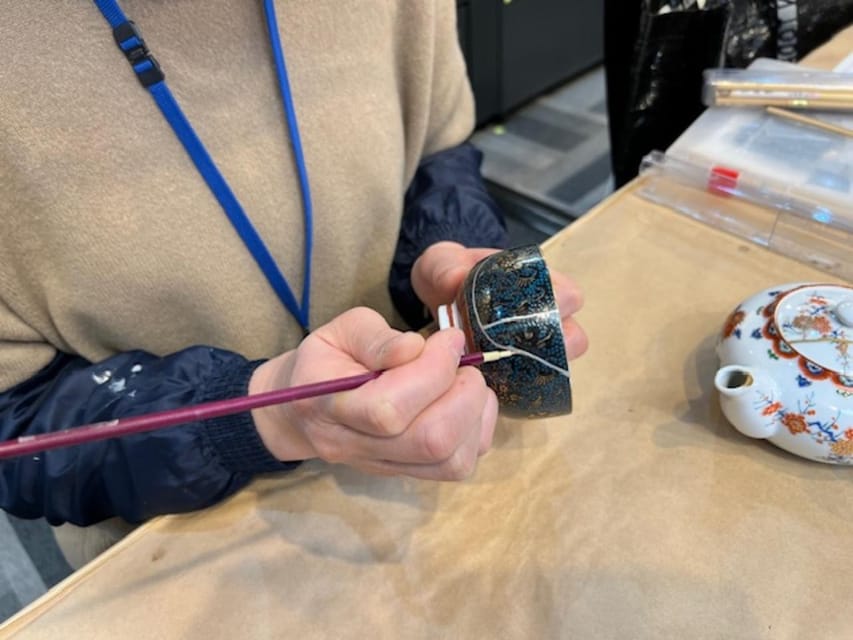
Gold joins old cracks into something new. In this 90-minute Kintsugi workshop at Nihonbashi Mutoh (a longtime craft store), I love that you get an English instructor and a hands-on souvenir using Arita ware, not just a demo. It’s also a rare chance to work with porcelain tied to a 400-year tradition. The main catch: your finished piece needs patience afterward—dry it indoors for about a week and treat it as decoration, not for eating or drinking.
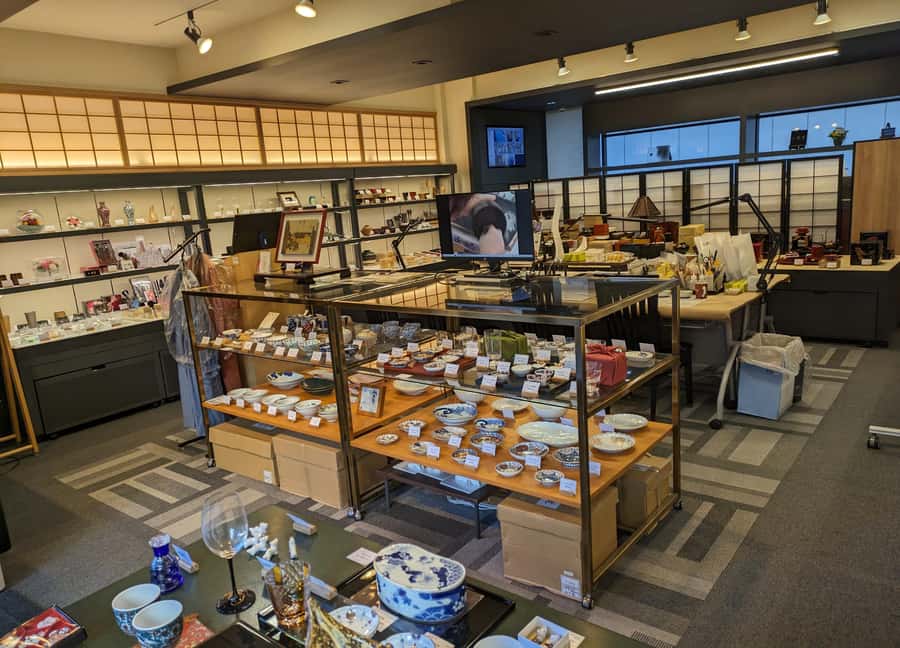
You’ll be doing craft in a real shop setting, not in a sterile classroom. Nihonbashi Mutoh Main Store has been operating since 1923, and the workshop can run alongside regular customers, so the vibe feels like you’ve stepped into daily Japanese shopping life while learning a deeply calm repair practice.
And yes, you can take this beyond the included item. If you want, you can bring your own ceramic or porcelain piece (with specific size and damage limits), but you’ll still need to follow the careful aftercare rules.
In This Review
- Key Highlights You Should Know Before You Go
- Kintsugi in Nihonbashi: Fixing Porcelain with Gold at Mutoh
- Your 90 Minutes: What the Workshop Feels Like in Practice
- Arita Ware and Porcelain with a 400-Year Thread
- The Take-Home Plate: Care Rules You Have to Follow
- Optional: Bring Your Own Ceramic Piece (If It Fits)
- Location, Timing, and How to Plan Your Day Around It
- Worth the $139 Price: What You’re Actually Buying
- Who This Tokyo Kintsugi Workshop Suits Best
- Should You Book This Kintsugi Experience with an English Guide?
- FAQ
- How long is the Kintsugi workshop?
- Where does the workshop meet?
- What start times are available?
- Is the workshop in English?
- Can I bring my own broken item to repair?
- What is included in the price?
- How should I care for my Kintsugi piece after class?
- Is the workshop wheelchair accessible?
- Who can participate?
- When should I cancel to get a full refund?
Key Highlights You Should Know Before You Go
- 90 minutes of hands-on repair with an English-speaking instructor and all materials provided
- Arita ware focus: porcelain with roots stretching back about 400 years
- A real shop experience at Nihonbashi Mutoh, established in 1923, with lacquerware and glassware nearby
- Take-home keepsake: a plate used during the workshop (you can bring it home)
- Small group (limited to 10), so you get clear guidance rather than rushed instructions
- Optional personal object you can repair, if it fits the size and damage requirements
Kintsugi in Nihonbashi: Fixing Porcelain with Gold at Mutoh
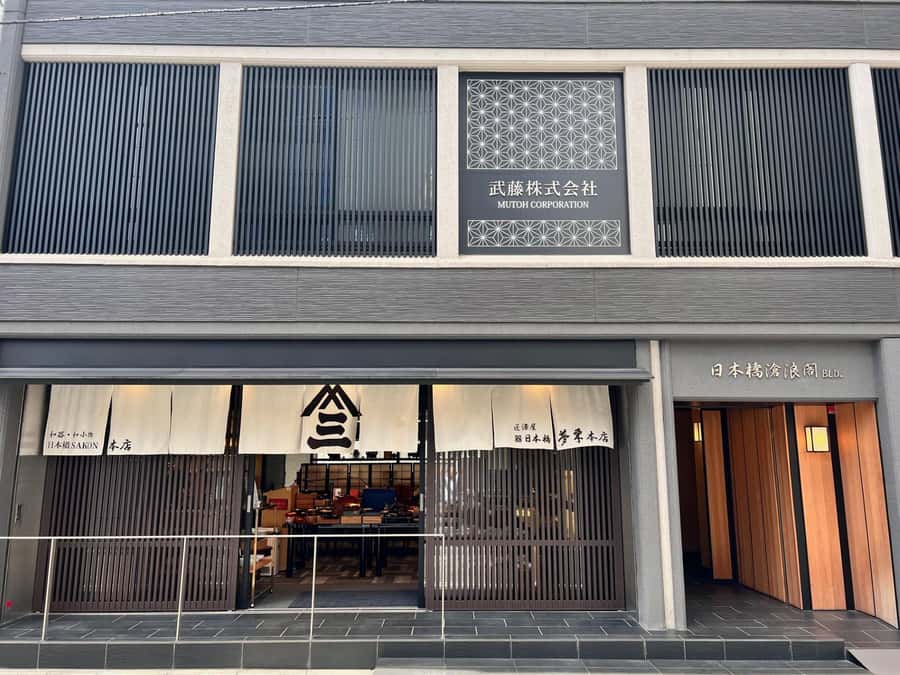
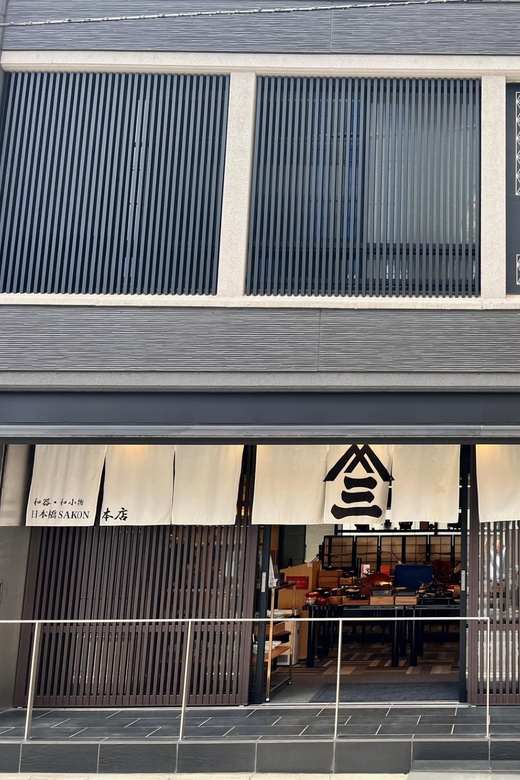
Nihonbashi is one of those Tokyo areas where old commerce still matters. The meeting point for this class is Nihonbashi Mutoh Main Store, located at 1-8-3 Honcho, Nihonbashi, Chuo City, Tokyo (103-0023). Even before you start working, the shop setting helps you understand what kind of experience this is: practical craft culture, not a staged performance.
I like that the workshop is built around Japanese repair philosophy. Kintsugi is the art of rejoining broken pottery with gold—turning damage into character rather than trying to hide it. The philosophy is tied to wabi-sabi, where imperfection is accepted as part of life’s path. You feel that message while learning, because you’re not covering flaws; you’re repairing them in a way that makes them visible and meaningful.
One more detail that matters: the experience may take place alongside regular customers. So if you like quiet, controlled studios, you should know it can be more lively than a closed workshop room. In my view, that’s also part of the charm. You’re learning craft in the same space where people actually shop for lacquerware and glassware.
You can also read our reviews of more guided tours in Tokyo



Your 90 Minutes: What the Workshop Feels Like in Practice
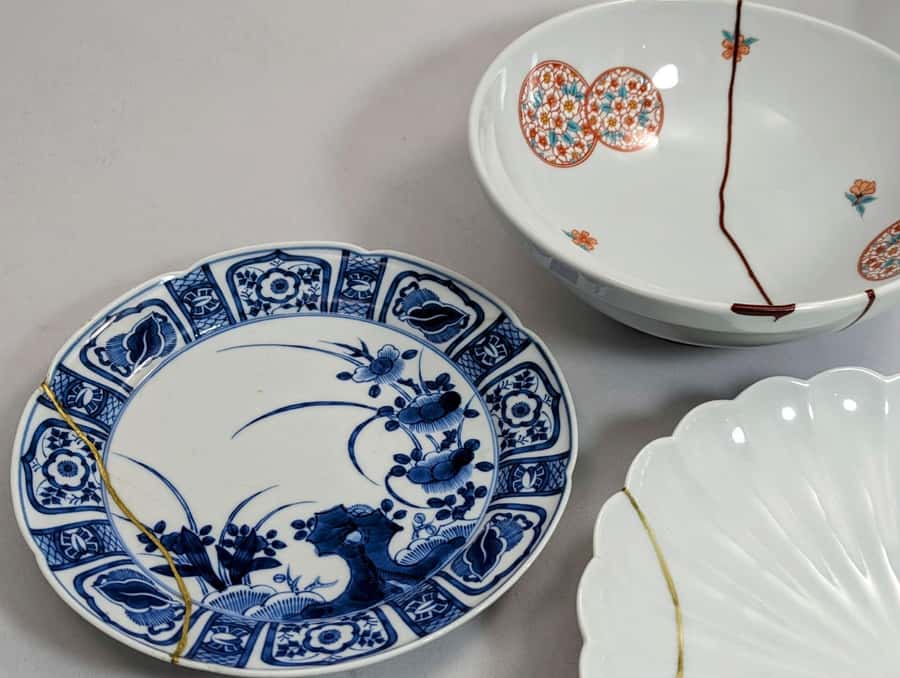
This is a small-group workshop limited to 10 participants, and that size changes the whole experience. You’re not shouting over a crowd. You get time to follow directions, ask questions through the English-speaking instructor, and actually do the steps instead of watching from the sidelines.
The class runs about 90 minutes, with set start times you choose in advance:
- 10:30–12:00
- 13:30–15:00
- 15:30–17:00
You should plan to arrive with a little buffer. If you arrive late, the workshop still ends at the originally scheduled time, so you don’t want to lose your practical portion. Once you’re checked in, the instructor guides you through the Kintsugi process and you work with provided materials.
A key value point here is that you’re not left guessing. The workshop includes an English instructor, and the class is structured so you can understand what you’re doing, not just copy a hand motion. That’s especially helpful with a technique like Kintsugi, where patience and careful handling matter.
Also note the workshop has a built-in “real world” reminder: the finished item needs time to set and dry. You’re taking home a completed piece, but the process doesn’t fully stop when your hands get clean.
Arita Ware and Porcelain with a 400-Year Thread
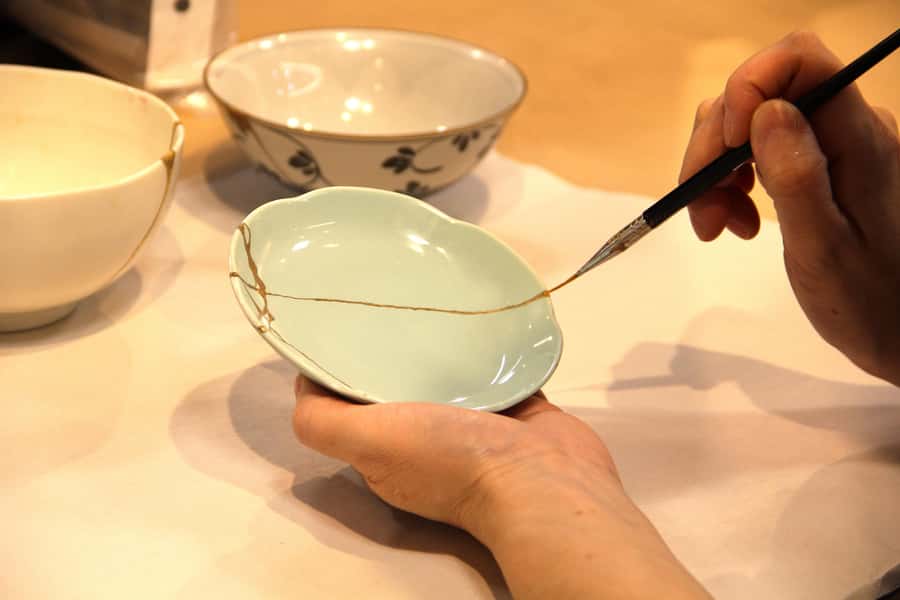
A big reason to choose this workshop is the materials. Instead of generic ceramic, you’ll be doing Kintsugi with Arita ware, tied to about 400 years of Japanese porcelain production. Arita ware is widely regarded as the first porcelain produced in Japan, and that lineage adds weight to what you’re learning.
You’ll be working with pieces connected to Shobido Honten, a brand associated with beautiful Arita ware. That matters because Arita ware isn’t just “pretty dishes.” It’s part of Japan’s long craft pipeline—design, kiln work, and finishing that people collect for decades. Repairing a piece in that context feels more personal than repairing something store-bought and disposable.
If you’re a fan of traditional Japanese crafts, this is a good bridge between art history and practical making. Kintsugi teaches more than how to glue broken things. It’s a philosophy lesson in repair, resilience, and acceptance of change. And using porcelain with deep roots makes that theme feel grounded rather than abstract.
The Take-Home Plate: Care Rules You Have to Follow
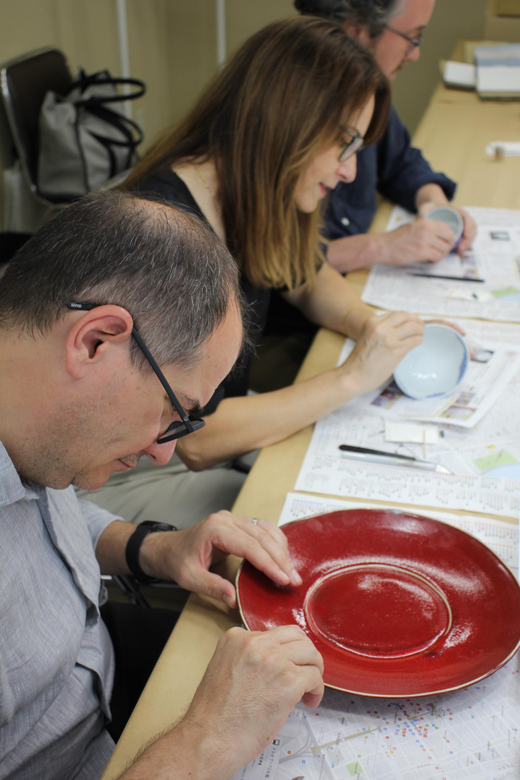
The workshop includes a plate used in the experience, and you can bring it home. That makes this class more useful than a “watch and leave” activity, and it’s also why the cost can make sense—because you’re leaving with something you personally repaired using gold-based aesthetics.
Now the important part: your new keepsake has care rules. After the workshop, dry it indoors for about one week. Don’t rush it. The class also specifies hand washing only with dishwashing detergent, and it’s very clear about what not to do:
- No microwave
- No dishwasher
And please treat it as decoration. It’s intended for display, not eating or drinking.
This is the trade-off with any repaired craft piece: you’re buying meaning and beauty, not a dishwasher-safe daily plate. If you already have a cabinet for special things, this won’t be a problem. If you want something to use at every meal, you’ll likely be happier with regular tableware instead.
Also, you’ll want to wear clothes you don’t mind getting dirty. Kintsugi is hands-on, and even with careful setups, workshop materials can be messy.
Optional: Bring Your Own Ceramic Piece (If It Fits)
You can bring an object to repair, as long as it fits the workshop limits. This is a nice option if you have a meaningful heirloom or a favorite dish that got cracked. Just be aware the workshop has clear boundaries:
- Size limit: up to about φ15 cm in diameter and 15 cm in height
- Damage: 1 to 2 broken parts
- Material: ceramic or porcelain
So if your piece is heavily shattered or bigger than the limit, it might not work. And even when your item qualifies, you’ll still follow the same aftercare rules once it’s repaired.
If you’re deciding whether to bring something personal, my practical advice is this: bring a piece you can live with as a display item, not a daily functional dish. Kintsugi results are meant to show the repair lines, so it’s not about making the damage disappear.






Location, Timing, and How to Plan Your Day Around It
This class is scheduled in three blocks throughout the day, and that helps you plan around other Tokyo stops. Choose the time that fits your energy level, since Kintsugi is calmer than a tour that throws you from place to place.
I’d treat it like a creative appointment. You’ll want your hands free for work, then time afterward to set up drying at home. Because drying is required for about a week, you’re committing to a “special handling” period at home. That’s not hard, but it is something to think about when packing or moving apartments.
Your meeting place is at Nihonbashi Mutoh Main Store in Chuo, so it’s a straightforward plan if you’re already exploring central Tokyo. The workshop is wheelchair accessible, which is always a good check for mobility planning.
One more reality note: this workshop may be conducted alongside regular customers. In other words, it’s not a fully private space. If you’re expecting total quiet, adjust your expectations slightly.
Worth the $139 Price: What You’re Actually Buying
At $139 per person, the price might look steep if you compare it to a general cultural class. But the value comes from what’s included and what you take home.
You receive:
- Admission to the workshop for 90 minutes
- All necessary materials
- An English-speaking instructor
- A plate used in the experience that you can bring home
That’s the big point. You’re paying for a guided craft session plus a finished object. Many DIY-style activities teach a technique but don’t result in a keepsake. Here, you get something you worked on, and it’s repair-themed, so it carries story, not just decoration.
Also, the materials aren’t random. Working with Arita ware and the shop’s craft ecosystem (Nihonbashi Mutoh’s lacquerware and glassware setting) helps explain why this feels like a real craft moment rather than a generic souvenir-making stop.
If you enjoy Japanese craft with a hands-on component, this pricing is closer to “paying for time, instruction, and materials” than “paying for a photo opportunity.” And because it’s limited to 10 people, you’re more likely to get your questions answered and instructions clarified.
Who This Tokyo Kintsugi Workshop Suits Best
This is a strong fit if you:
- Want a unique Tokyo souvenir with meaning
- Enjoy traditional crafts and want a practical, not just academic, experience
- Like the idea of wabi-sabi—repair, imperfection, and scars as part of life
- Prefer small groups and an English instructor
It’s not ideal if you want something fast and fully functional for daily use. The repaired piece is meant for decoration, not eating or drinking. You also need to be comfortable with aftercare: indoor drying for about a week and careful washing only.
Age-wise, it’s not suitable for children under 13. That’s likely because of handling and workshop pace. If you’re traveling as a family, this is better as an adult-focused creative stop.
Should You Book This Kintsugi Experience with an English Guide?
If you like the idea of taking home a gold-repaired keepsake and learning a genuinely Japanese craft practice, this workshop is a smart booking. The combination of 90 minutes, small group size, and an English-speaking instructor makes it accessible without turning it into a watered-down lesson.
Book it if you’re okay with the care reality: drying time, hand-wash only, no microwave or dishwasher, and display use. Skip it if you want a practical everyday item or you can’t commit to the week-long drying and handling rules.
Overall, this is a meaningful, calm activity in a real craft shop setting. It’s the kind of experience where the souvenir isn’t just an object; it’s the story of repair you made with your own hands.
FAQ
How long is the Kintsugi workshop?
It lasts about 1.5 hours (90 minutes).
Where does the workshop meet?
The meeting place is Nihonbashi Mutoh Main Store, 1-8-3 Honcho, Nihonbashi, Chuo City, Tokyo 103-0023.
What start times are available?
You can choose between 10:30–12:00, 13:30–15:00, or 15:30–17:00.
Is the workshop in English?
Yes. The instructor provides an English-speaking experience.
Can I bring my own broken item to repair?
Yes, you can bring a ceramic or porcelain item if it’s within about φ15 cm in diameter and 15 cm in height, and it has 1 to 2 broken parts.
What is included in the price?
Admission to the Kintsugi workshop for 90 minutes, all necessary materials, an English-speaking instructor, and a plate used in the experience that you can take home.
How should I care for my Kintsugi piece after class?
Dry it indoors for about a week. Then hand wash only with dishwashing detergent. Avoid microwave and dishwasher use.
Is the workshop wheelchair accessible?
Yes, it is wheelchair accessible.
Who can participate?
The experience is not suitable for children under 13 years.
When should I cancel to get a full refund?
You can cancel up to 3 days in advance for a full refund.