REVIEW · TOKYO
Private Full-day Tokyo Walking Subway Tour by Japan Gray Line
Book on Viator →Operated by Japan Gray Line · Bookable on Viator
Subway sightseeing beats hunting maps all day. This private full-day route strings together major Tokyo highlights with hotel pickup and a guide who helps you ride the rail system without stress. You also get on-the-spot history and local context so the places feel less like checkboxes and more like a real neighborhood-to-neighborhood day.
Two things I really like: the guide support for Tokyo’s subway maze (people mention guides like Yuki and Reiko being patient while you figure out stations and transfers), and the fact that Tokyo Tower Main Deck at 150 meters is already included. That means you spend less time waiting in lines for tickets and more time looking out over the city.
One drawback to plan for: expect a solid amount of outdoor walking and transit time, plus standing around at crossings and entrances. The tour asks for moderate physical fitness, so bring comfortable sneakers and a simple rain plan.
In This Review
- Key things that make this tour work
- Tokyo by subway, without the map panic
- Price and what you actually get for it
- Meiji Jingu Shrine: start calm, not chaotic
- Shibuya Crossing: the city’s loudest intersection
- Tokyo Tower’s Main Deck: 150 meters of real perspective
- Tsukiji Outer Market: seafood vibe without the wholesale chaos
- Asakusa: old Tokyo streets where shopping feels like part of the show
- Senso-ji Temple: where the day lands
- How the subway navigation actually helps you
- Pacing, walking, and what to wear
- When the itinerary might change (and what that means for you)
- Who should book this tour
- Should you book this private walking subway tour?
- FAQ
- How long is the private walking subway tour?
- What time does the tour start?
- Is hotel pickup and drop-off included?
- Which attractions are included in the route?
- What admission tickets are included?
- Is lunch included?
- Is the subway cost included?
- Do I need moderate physical fitness?
- What should I do if it rains?
- What is the cancellation policy?
Key things that make this tour work
- Private guide plus hotel pickup: you start moving quickly, not after a 30-minute subway scramble
- One-day Metro Pass included: your transport costs are handled as part of the day
- A smart hit-list of Tokyo districts: shrine calm, Shibuya energy, tower views, market food area, and old-city temple streets
- Tokyo Tower admission included: the one stop where timed access matters most is already covered
- Guides adjust to your pace: from skipping a stop to helping with onward directions after the tour
- Mobile ticket for a smoother start: helpful when you’re moving between stations
Tokyo by subway, without the map panic
If you’re in Tokyo for the first time, the city can feel like one big puzzle box. The subway helps you crack it, but only if you know which station exit to use and how not to wander in circles. This tour’s main value is simple: it turns a complicated transport day into a guided route where you follow a plan, not a screen.
Hotel pickup is a big deal here. It cuts down the time you’d otherwise spend getting to a meeting point, and it helps you start Day One with momentum. A guide handles the “how do we get there” part, and you get to focus on seeing what you came for.
You’ll also get commentary tied to what you’re looking at—why a shrine matters, why that particular crossing is famous, and what changed around Tsukiji when the wholesale market shifted. That kind of context is exactly what makes a walking day feel worthwhile.
You can also read our reviews of more walking tours in Tokyo

Price and what you actually get for it
At $203.63 per person, this isn’t a budget group tour. But the cost makes more sense when you break it down: you’re paying for a private guide, hotel pickup/drop-off, a one-day Metro Pass, and Tokyo Tower Main Deck admission.
Lunch is not included, and there’s no guarantee you’ll be able to stop whenever hunger hits. So you’ll want to plan on eating on your own schedule during the day. Still, the tour is structured so you’re not spending your sightseeing time hunting for tickets or figuring out transport costs.
If you book with multiple people, look for the mentioned group discount option. Private tours can get pricey fast, and splitting the cost is one of the best ways to make this kind of day feel like a steal instead of a splurge.
One other timing note: the tour is commonly booked about 90 days in advance on average. If you’re traveling in peak seasons, grab your slot earlier rather than later.
Meiji Jingu Shrine: start calm, not chaotic
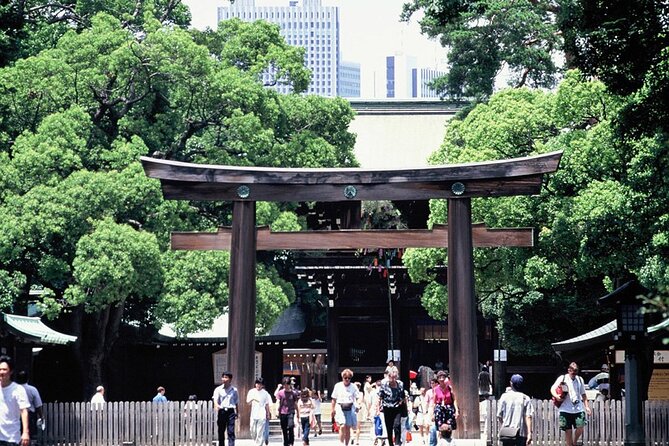
The day begins at Meiji Jingu Shrine, and the pacing is smart. Instead of jumping straight into loud city streets, you ease in with a place that feels intentionally quiet.
Meiji Jingu was completed in 1920 and is a tribute to Emperor Meiji, a key figure in Japan’s modern era. You get about 40 minutes there, and the admission is free. That time window is usually enough to walk the grounds, slow down, and actually feel like you’re there for a shrine visit—not a quick photo stop.
Practical note: mornings at major Tokyo sites can still feel busy, but compared to later stops like Shibuya, this is your reset button. If your group wants an easy start, this is it.
A small drawback: because it’s a shrine experience, you may have some people-traffic flow patterns (entering, walking along the main paths, and moving toward key areas). Wear shoes that handle walking on uneven ground or temple-street surfaces.
Shibuya Crossing: the city’s loudest intersection
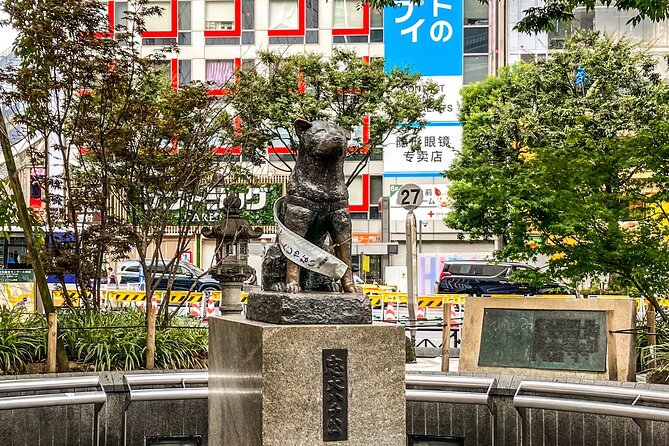
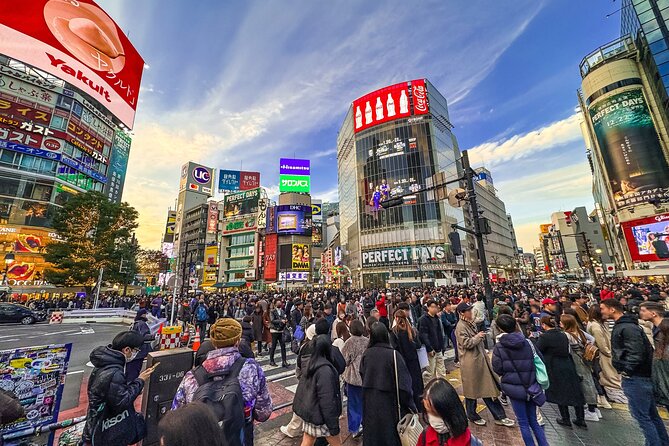
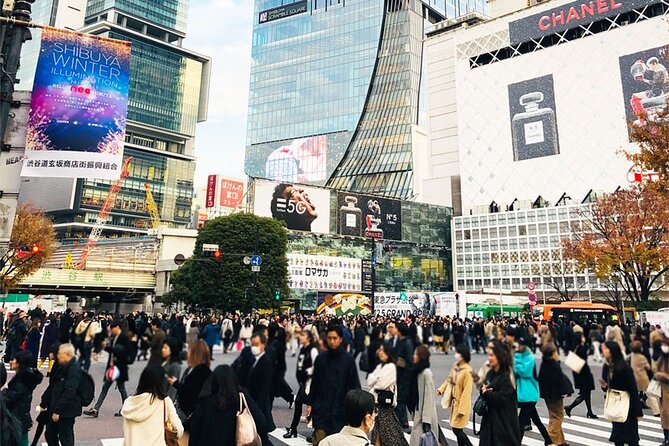
Next up is Shibuya Crossing, one of Tokyo’s most recognizable spots. It’s located in Shibuya City, one of Tokyo Metropolis’s 23 wards, and the whole area is famous for pedestrian flow and the constant “right now” energy.
You’ll have about 20 minutes here. That’s short on purpose. The point isn’t to linger for hours—it’s to experience the moment from the sidewalk-level view you can only get once you’re standing there.
What I like about this stop on a guided day: your guide can help you get where you need to be for the crossing experience and keep you from getting stuck at the edges while everyone else passes through. Also, the ride from Meiji Jingu to Shibuya is listed as only a short subway hop, so this doesn’t eat the day.
Consideration: Shibuya is outdoors and crowded. If you’re sensitive to crowds, treat it like a quick hit and save the longer hangout time for later.
Tokyo Tower’s Main Deck: 150 meters of real perspective
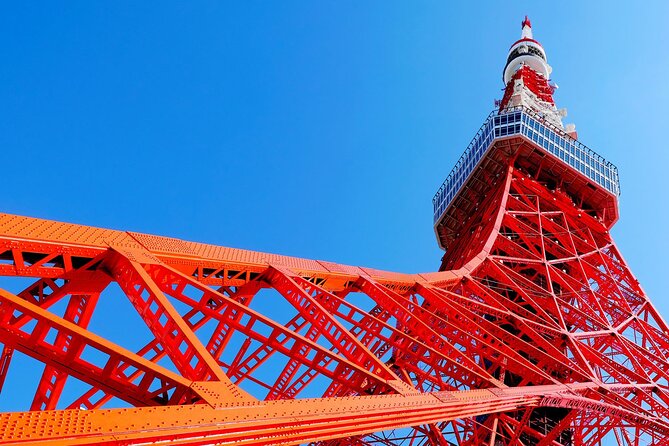
Tokyo Tower is a classic skyline anchor, built in 1958. Back then, it held the title of the world’s tallest structure—so even before you go up, you’re standing in a piece of Tokyo’s visual history.
The tour includes admission to the Main Deck at 150 meters. Expect about 40 minutes here. The route to the viewing deck uses a high-speed elevator, which helps you skip the slow “queue forever” feeling that can happen at big attractions.
What you’ll get from this stop is perspective. From that height, Tokyo stops being a blur of neighborhoods and becomes a map you can understand. On a day that includes shrine grounds, markets, and older temple streets, the tower view is a nice way to tie it together.
One practical tip: this is one of the few stops where a timed, indoor/outdoor schedule matters. If weather is cloudy, the view may be less dramatic, but the tower area still works for photos and orientation.
You can also read our reviews of more private tours in Tokyo

Tsukiji Outer Market: seafood vibe without the wholesale chaos
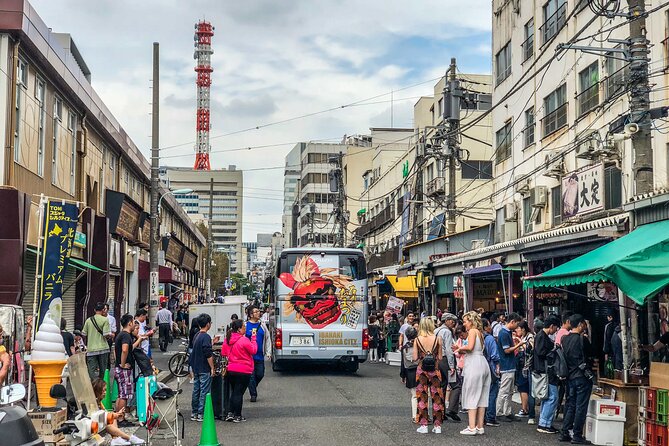
Tsukiji as most people imagine it changed in 2018. The wholesale market moved to Toyosu, but the Tsukiji Outer Market area stayed in place. That means you still get the food-street feeling and the market atmosphere, without the exact same wholesale operation.
You’ll spend about 50 minutes, and admission is free. This is the kind of stop where your guide can help you navigate without losing time to indecision. Food lines can form fast, and a guided schedule prevents you from missing the rest of the day while you debate what to try.
The big value here is variety: the outer market area is known for fresh seafood, sushi options, and the general energy of people shopping and snacking. In past experiences with this tour, the fish market has been a favorite stop for its mix of smells, sights, and easy-to-share treats.
Potential drawback: it’s a working market vibe. That can mean tighter walkways, more standing, and lots of foot traffic. Go in expecting a busy atmosphere rather than a calm museum setting.
Also, lunch is not included. If you’re hoping to turn this stop into your main meal, budget time and come hungry.
Asakusa: old Tokyo streets where shopping feels like part of the show
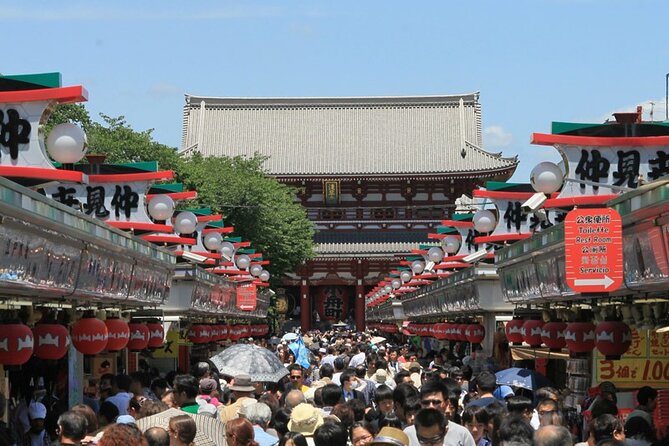
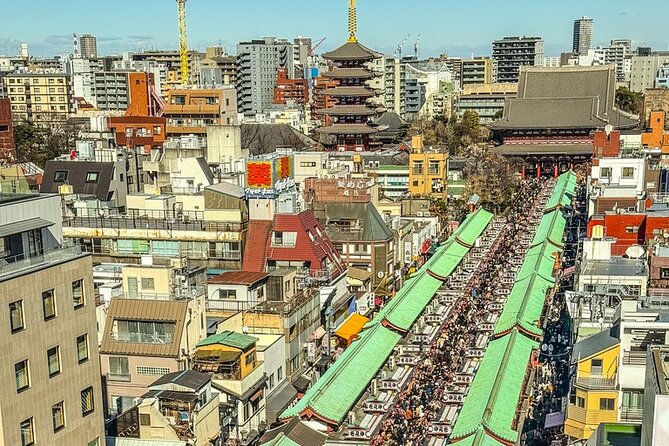
Asakusa gives you a shift in texture. It’s a lively district full of shops selling traditional crafts, souvenirs, and street food. You get about 20 minutes here—enough time to get the feel and pick up small items without turning the day into a shopping marathon.
This is also a good place to simply walk slowly. Asakusa has that old-school street layout that makes Tokyo feel layered: modern transit nearby, and then these shop lanes that keep pulling you forward.
A practical downside: since your time is limited, you’ll want to decide early whether you’re browsing for snacks, souvenirs, or just walking for atmosphere. If you split your attention, it’s easy to end up with half-browsed bags and no real plan.
Senso-ji Temple: where the day lands
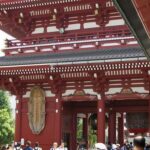
The final anchor stop is Senso-ji Temple, one of Tokyo’s oldest and largest Buddhist temples, with origins dating back to 628. This is the kind of place where the setting does most of the storytelling. You don’t need a lecture to understand that it matters.
You’ll have about 40 minutes, and admission is free. Expect iconic temple-area walking and a more immersive-feeling temple experience than you’d get from a rushed city drive-by. It’s a fitting closing chapter after Meiji Jingu’s calm, Shibuya’s noise, Tokyo Tower’s city view, and Tsukiji’s market energy.
In past experiences, Meiji Jingu and Senso-ji have been singled out as top highlights—especially for their atmosphere. Meiji Jingu tends to feel peaceful and reflective, while Senso-ji is more active and lively, with the street energy leading right into the temple area.
Practical consideration: closing a full-day tour here means you’ll want to pace yourself. If you start running out of energy, it can be hard to enjoy the quieter details. Save some stamina earlier in the day so you can slow down at the end.
How the subway navigation actually helps you
The tour isn’t just about moving from A to B. It’s about training you to use Tokyo’s transit system without fear.
A recurring theme in guide feedback is how much people appreciated patience and help understanding how the subway works: which lines to take, how to read station layouts, and how to move through busy streets with fewer wrong turns. Guides like Yuki and Yuko are specifically praised for navigating trains and streets, and Reiko has been mentioned as particularly helpful with photos and calm pacing.
Here’s the practical value for you: after this tour, you’re less likely to waste time on your next day. You’ll know the rhythm of boarding, where to look when transferring, and how to plan your next attraction without getting dragged into the subway maze by trial and error.
One neat detail from earlier experiences: one guide helped with directions to a baseball stadium for plans right after the tour. That shows a good sign—guides don’t just drop you off and vanish. They help you continue your day.
Pacing, walking, and what to wear
This tour involves a good amount of walking outdoors and some time moving between stations and entrances. The tour asks for moderate physical fitness, and the advice is clear: sneakers or comfortable shoes.
If you’re the type who likes to take lots of photos, you’ll appreciate that your guide can help you line up the shot points while keeping you moving. In hotter weather, it helps even more to have a guide who can adapt the schedule and keep you hydrated. There have been comments about adjusting the day when it gets hot and keeping pace manageable.
Rain gear is also a must. Bring an umbrella or raincoat so the day doesn’t get miserable. And remember that outdoor walking doesn’t stop just because it’s drizzly.
When the itinerary might change (and what that means for you)
The tour notes that the itinerary may change due to weather conditions or operational reasons. In that case, visits could be omitted or substituted, and the tour fare may not be refunded if it continues with changes.
At the same time, the cancellation guidance says the experience requires good weather. If the tour is canceled due to poor weather, you should be offered a different date or a full refund.
So what should you do? Pack for flexibility. If it’s rainy, accept that the order might shift, or a stop could be swapped to keep things workable. This is part of doing Tokyo outdoors-based sightseeing efficiently.
Who should book this tour
This is a great fit if:
- you want to see multiple big-name Tokyo areas in one day without spending your energy on transit planning
- you like learning context, not just collecting photos
- you’re staying in a hotel within the pickup range and want a clean start and finish
It might be less ideal if:
- you hate walking and want a mostly seated itinerary
- you’re allergic to crowds and want to spend long stretches in quiet places
- you don’t want to manage lunch on your own (it’s not included)
If you’re traveling as a family, this tour can work well too. Guides have been praised for handling kids and keeping everyone moving. That’s a sign the guide experience translates to real groups, not just solo travelers.
Should you book this private walking subway tour?
I’d book it if your priority is value through time saved. This is priced like a premium day, but the included metro pass, hotel pickup/drop-off, and Tokyo Tower admission make it easier to justify. You’re also buying the guide’s ability to connect train routes to real-world walking directions, which is where most DIY days get messy.
I’d skip it or consider alternatives if you want a slow, flexible day with lots of extra free time for wandering. The schedule is built to cover major districts efficiently, and it does include a fair bit of walking outdoors.
If you want a first-day orientation that helps you handle Tokyo transit for the rest of your trip, this private subway plan is a smart move. It turns the city into something you can navigate—then backtracks the meaning so the places feel more than just locations on a map.
FAQ
How long is the private walking subway tour?
The tour runs for about 7 hours.
What time does the tour start?
It starts at 9:30 am.
Is hotel pickup and drop-off included?
Yes. Hotel pickup and drop-off are included.
Which attractions are included in the route?
The tour stops include Meiji Jingu Shrine, Shibuya Crossing, Tokyo Tower, Tsukiji Outer Market, Asakusa, and Senso-ji Temple.
What admission tickets are included?
Tokyo Tower admission to the Main Deck at 150 meters is included. Admission for the other listed stops is free.
Is lunch included?
No. Lunch is not included.
Is the subway cost included?
Yes. The tour includes transportation fee via a one-day Metro Pass.
Do I need moderate physical fitness?
Yes. The tour involves a good amount of walking outdoors and is suggested for travelers with moderate physical fitness.
What should I do if it rains?
You should prepare rain gear like an umbrella or raincoat. The itinerary may change due to weather or operational reasons, and the tour is described as requiring good weather.
What is the cancellation policy?
You can cancel for free up to 24 hours in advance for a full refund. If you cancel less than 24 hours before the start time, the amount paid is not refunded.