REVIEW · TOKYO
Traditional Japanese Knife Sharpening Class
Book on Viator →Operated by Japanese Knife Sharpening · Bookable on Viator
A dull kitchen knife can be fixed. This hands-on Japanese knife sharpening class teaches the real whetstone workflow, plus the ideas behind Japanese sharpening—not just a quick trick. The format is practical, calm, and small, so you can actually ask questions and leave with something you can use fast.
Two things I really like: you don’t need to bring gear because everything is provided, and the lesson focuses on technique you can repeat at home. I also appreciate the theory side, including knife history and sharpening theories, so the why makes the how stick.
One thing to consider: this is a focused skill session, not a full cooking tour or meal experience. If you’re mainly chasing food, tastings, or a long sightseeing day, you may want to pair it with something else.
In This Review
- Key Points Worth Knowing Before You Book
- Why This 2-Hour Knife Class Feels Like Real Life Skills
- Getting to the Meeting Point and What the Skytree Stop Means
- What You Learn: Whetstones, Grits, and the Steel Choices That Change Everything
- The Real-Star Part: The Instructor Teaching Style (Charlie and Timothy)
- The Whetstone Workflow You’ll Be Able to Repeat at Home
- Taking Home a Sharpened Knife: A Souvenir That Actually Gets Used
- Price and Value: Is $98.53 Worth It?
- Who Should Book This Class in Tokyo (and Who Might Not)
- Before You Go: Make the Most of Your 2 Hours
- Should You Book This Japanese Knife Sharpening Class?
- FAQ
- How long is the traditional Japanese knife sharpening class?
- Where do I meet for the experience?
- Do I need to bring my own knife or sharpening stones?
- Is it a small group or a large crowd experience?
- Will I take anything home?
- Is Tokyo Skytree part of the itinerary?
- Can I cancel and get a full refund?
Key Points Worth Knowing Before You Book
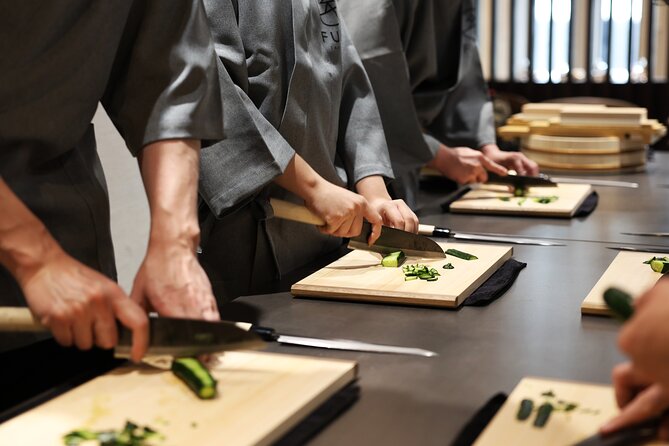
- Small group size (max 6): more attention as you practice on whetstones
- All equipment supplied: no hunting down stones, sprays, or tools before you arrive
- You sharpen a knife during the class: you leave with a sharpened blade as a keepsake
- Whetstone grits and steel basics: you learn how edge finishing changes with grit and material
- Clear instruction in English: names that show up in feedback include Charlie and Timothy
- Tokyo Skytree area stop: the day is built around the central Tokyo East-side area
Why This 2-Hour Knife Class Feels Like Real Life Skills
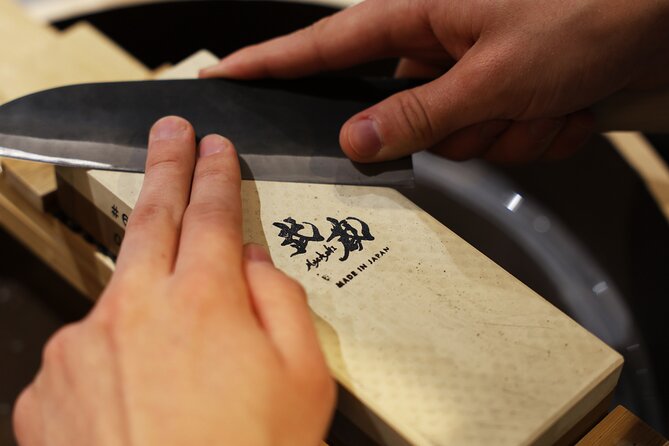
Japanese knife sharpening has a reputation for being a rabbit hole. This class keeps you out of the weeds by turning it into a hands-on routine you can actually copy. The biggest win is that you learn to sharpen properly using whetstones of varying grits, instead of relying on guesswork or random advice.
You’ll also get the context behind the craft. Knife history and sharpening theories may sound academic at first, but they matter because they explain what your edge is supposed to do. When the reasoning clicks, the technique becomes easier to repeat.
And since the group stays small, you’re not stuck watching someone else work while you wait your turn. The pace is built around practicing—so you leave with confidence, not just a souvenir story.
You can also read our reviews of more tours and experiences in Tokyo



Getting to the Meeting Point and What the Skytree Stop Means
You meet at 1-chōme-9-8 Nishiasakusa, Taito City, Tokyo 111-0035. The location is marked as being near public transportation, which matters in Tokyo—plan for quick transit connections rather than long rides or complicated transfers.
The itinerary lists Tokyo Skytree as Stop 1. That’s helpful because it signals you’ll spend part of the experience in the Skytree area rather than somewhere far out of the way. It’s not a full-day sightseeing plan, but it gives you an easy mental anchor for where your time is going.
The activity ends back at the meeting point. So after the class, you’re not stuck figuring out how to get yourself across town—you can hop back onto your route right away.
What You Learn: Whetstones, Grits, and the Steel Choices That Change Everything
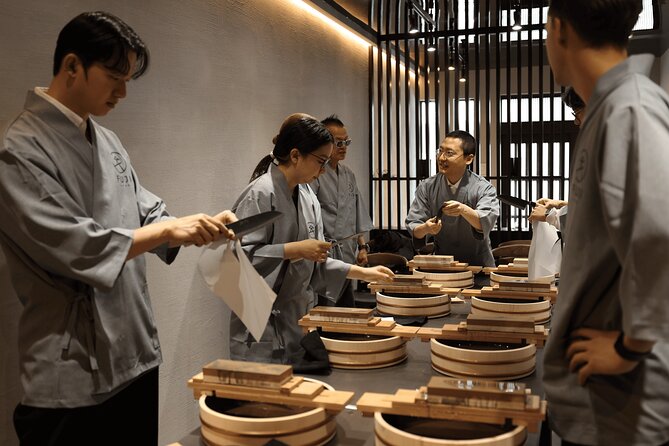
This class is built around traditional Japanese knife sharpening with whetstones. The core idea is simple: different stones and different steps create different edge qualities. The practical payoff is huge because a sharper edge isn’t only about cutting better today—it’s about cutting consistently when you maintain the knife later.
Here’s what the structure is designed to teach:
First, you learn the basics of knife sharpening theory. That includes how sharpening changes the edge geometry and why the stone grit affects the finishing. Once you understand that, you’ll stop treating sharpening like an art project that depends on luck.
Next, you practice with multiple whetstones. The course uses stones with varying grits, so you can feel the difference between rougher and finer stages. A common outcome of this style of training is that your blade goes from frustrating to smooth cutting—because you’re working from the correct grit progression rather than jumping straight to the final polish.
Then you explore different types of steel. Steel choice changes how a blade responds, and understanding that helps you avoid the most common mistake: using one approach for every knife. Even if you own only a couple of knives, this lesson helps you avoid treating them like they all need the same stone and the same pace.
The Real-Star Part: The Instructor Teaching Style (Charlie and Timothy)
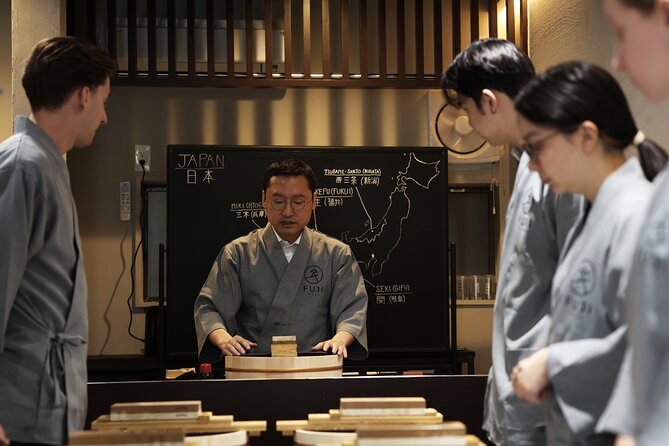
Good sharpening classes don’t just show you angles. They explain the process so you can reproduce it when you’re back home, holding your own knife.
In the feedback for this experience, the instructor names Charlie and Timothy come up repeatedly. Both are described as giving detailed explanations and communicating the steps clearly. That matters because Japanese sharpening includes small adjustments—pressure, consistency, and the way you move across the stone. If someone explains those details, you waste less time and you improve faster.
One pattern I like in the lesson format is that it starts with a blade that’s clearly not sharp. The point isn’t to embarrass the knife; it’s to make the improvement measurable. When you begin with a dull edge and end with a blade that slices cleanly, you can feel what changed and why.
I also appreciate the way the class is described as engaging and question-friendly. Perfect English support is mentioned in reviews, and it’s exactly what you want for a hands-on skill where confusion can slow your practice.
The Whetstone Workflow You’ll Be Able to Repeat at Home

If you’ve ever watched a sharpening video and thought, I get the idea, but my results won’t look like that, you’ll appreciate how this class is structured. The goal is not just a sharp knife that lasts one day. The goal is teaching you a repeatable workflow.
A big part of that is learning the relationship between:
- Stone grit and edge refinement
- Your movement and consistency
- How polishing connects to cutting performance
You’ll finish the session with a knife you sharpen yourself. That’s not only a keepsake. It’s also a reality check: you’ll use the blade soon enough, and you’ll immediately notice whether your technique produces an edge that behaves the way it should.
If you buy Japanese knives or already own one, this class also helps you avoid the common trap of treating sharpening as a one-off expense. You can maintain the knife yourself, which is often the difference between a knife that feels special long-term and one that becomes a drawer ornament.






Taking Home a Sharpened Knife: A Souvenir That Actually Gets Used

Most travel “souvenirs” end up in a cabinet. This one is different. You take home the knife you sharpen in class, which means it has an instant purpose on day one back at home.
That makes the price easier to justify, even before you talk numbers. A sharpened edge is a practical tool gift—especially if you cook at home. And because the class teaches technique (not just the outcome), you’re less likely to wonder, How do I keep this sharp?
One more thing: this kind of hands-on craft pairs well with a broader Tokyo shopping trip. If you’re already planning to buy a Japanese chef’s knife or a kitchen tool while you’re there, taking the class first gives you a better sense of what to look for and how you’ll maintain it.
Price and Value: Is $98.53 Worth It?
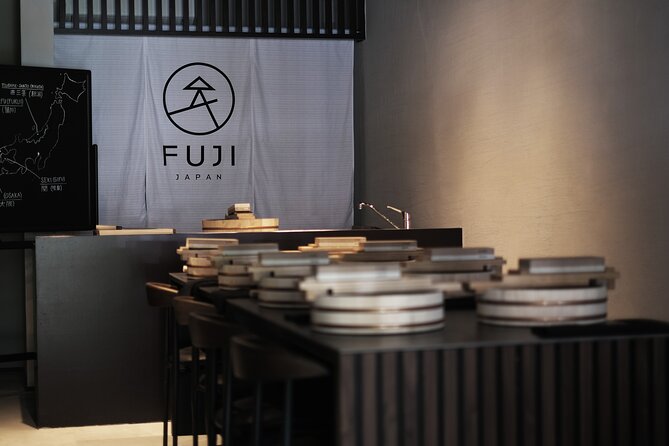
At $98.53 per person, this class isn’t a cheap afternoon. But the value comes from three clear areas.
First, you don’t just watch. You practice on whetstones, learn the grit progression, and sharpen a blade during the session. That’s harder to replicate from a video or a quick demo at a store.
Second, you don’t need to source equipment. The lesson provides what you need, which saves time and avoids the hassle of figuring out what stones to buy before you even know the right method. For many people, that’s where sharpening classes quietly win.
Third, you take home your own sharpened knife. If you already cook regularly, you’ll feel the benefit quickly when you slice, chop, and prep food. That can turn the cost from a one-time fun expense into a tool investment.
If you’re someone who never sharpens anything and doesn’t plan to cook much, the lesson may feel pricey. But if you care about knives—especially Japanese knives—it’s a practical way to pay for skill, not just entertainment.
Who Should Book This Class in Tokyo (and Who Might Not)
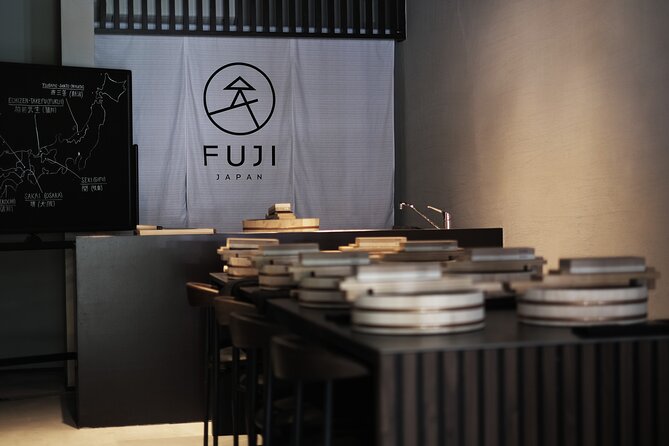
This is a great fit if you’re:
- A cooking enthusiast who wants better cutting performance
- Someone who owns Japanese knives and wants to maintain them properly
- A craft-minded traveler who likes hands-on training with a cultural angle
- Someone who wants a small-group class with real instruction, not a crowd spectacle
It might be less ideal if you’re:
- Looking for a full day of sightseeing and food stops
- Hoping for a restaurant meal experience
- Expecting a long lecture-only approach with no hands-on component
Also, it’s listed as suitable for most travelers and takes about 2 hours (approx.), so it’s a manageable block of time that won’t ruin your schedule.
Before You Go: Make the Most of Your 2 Hours
To get the best results from a short class, show up ready to practice. That means bringing curiosity and patience for the small details. Japanese knife sharpening rewards consistency, and your best learning comes from doing the motions with attention.
It also helps to go in knowing what you want from the lesson. If your goal is to keep a Japanese knife in shape, focus on understanding how grit and finishing affect the edge. If your goal is general confidence, ask your instructor to explain the steps in a way you can follow later at home.
And if you’ve been shopping for stones or knives in Tokyo, this class can be a reality check. You might find it easier to choose a stone later because you’ll understand how different grits behave.
Finally, keep the location in mind. The meeting point is in Nishiasakusa (Taito), and it’s near public transport, which makes it easier to slot into your day without stress.
Should You Book This Japanese Knife Sharpening Class?
Yes, if you want a compact, hands-on Tokyo experience that teaches a skill you can use immediately. For the money, the combination of small-group instruction, all equipment provided, and taking home a knife you sharpen yourself makes the class feel worth it.
Book it if you care about cooking tools and want to stop guessing. Skip it if you’re mainly after sightseeing or meals—this is about the craft of sharpening, and it does that job well.
FAQ
How long is the traditional Japanese knife sharpening class?
The class lasts about 2 hours.
Where do I meet for the experience?
You meet at 1-chōme-9-8 Nishiasakusa, Taito City, Tokyo 111-0035, Japan.
Do I need to bring my own knife or sharpening stones?
No. The experience provides what you need, so there’s no need to source equipment ahead of time.
Is it a small group or a large crowd experience?
It’s a small-group experience with a maximum of 6 travelers.
Will I take anything home?
Yes. You take home a freshly sharpened knife that you sharpen during the session.
Is Tokyo Skytree part of the itinerary?
Yes. Tokyo Skytree is listed as Stop 1.
Can I cancel and get a full refund?
You can cancel for a full refund if you cancel at least 24 hours before the experience’s start time. Confirmation is received at booking, and the experience uses a mobile ticket.