REVIEW · TOKYO
Tokyo: Private Tailored Tour with a Local Guide
Book on GetYourGuide →Operated by Maji Super Tours · Bookable on GetYourGuide
Tokyo never slows down, so plan smart. This private tailored tour gives you a focused route through the city’s most famous landmarks plus the less obvious pockets locals actually notice. I especially like the way your guide stitches together big hits like Shibuya Crossing with quieter neighborhood time in Yanaka, and how you get history and context without losing your day to guesswork. One thing to keep in mind: entrance fees and transportation costs aren’t included, so your day can cost a bit more than the headline price.
The setup is also practical. You can start with pickup options near Asakusa Station or Harajuku Station, and the guide can meet you at Harajuku Station if you’d rather not do hotel pickup. Based on guest feedback (including praise for guides like Marleen, Tassilo, and Isaac), you’ll likely get clear explanations and a friendly, attentive pace—though the exact flow can depend on where you start and what you want most.
In This Review
- Tokyo shortcuts: what makes this private day work
- A private Tokyo day built around your pace
- From Meiji Jingu to Harajuku: calm Shinto to fashion street
- Shibuya Crossing and Hachiko: the easiest way to catch the spectacle
- Nakano Broadway and Takeshita Street: shopping you can actually enjoy
- Asakusa and Sensō-ji’s lantern approach: old Tokyo you can walk into
- Shinjuku viewpoint time and Omoide Yokocho’s Showa alley mood
- Yanaka’s shitamachi charm: a slower finish with neighborhood soul
- Price and value: what $63 really covers (and what it doesn’t)
- Practical tips that make this day feel effortless
- Should you book this Tokyo private tailored tour?
- FAQ
- How long is the Tokyo private tailored tour?
- What neighborhoods and attractions are included in the experience?
- Is this a private tour or a shared group?
- What languages are available for the live guide?
- Where does pickup happen?
- Are transportation and entrance fees included?
- Are meals included?
- Can I cancel for a full refund?
Tokyo shortcuts: what makes this private day work
- Meiji Jingu first: a calm Shinto start before the city’s energy kicks in
- Shibuya Crossing + Hachiko: iconic photo stops handled with local timing and context
- Harajuku and Takeshita Street: fashion, sweets, and people-watching with direction
- Nakano Broadway: a different Tokyo shopping mood that isn’t just mainstream
- Asakusa and Sensō-ji: red-lantern atmosphere with history you’ll actually understand
- Yanaka and shitamachi charm: a slower finish with traditional neighborhood character
A private Tokyo day built around your pace
This is one of those tours where the value is less about ticking boxes and more about getting Tokyo to make sense fast. You’re in a private group with a local guide who can shape the day around what you care about—landmarks, street scenes, shopping, temples, or old-neighborhood Tokyo.
For me, the best part is that you’re not doing Tokyo on hard mode. You get a guided route that links different areas without you needing to constantly check train lines or wonder what’s worth stopping for. Even better, the tour is built to move through a mix of atmospheres: shrine calm, pop-fashion chaos, classic temple streets, and that slow “old Tokyo” feeling in the neighborhoods.
Do note the walking. This is a full-day experience with a lot of on-foot time, and comfortable shoes matter. The tour info also lists it as not suitable for pregnant women, people with mobility impairments, or wheelchair users, so you’ll want to double-check fit for your needs before booking.
You can also read our reviews of more guided tours in Tokyo
From Meiji Jingu to Harajuku: calm Shinto to fashion street
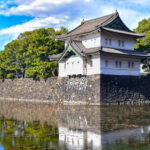
Your day often begins with a powerful contrast: Meiji Jingu, then Harajuku. Starting at Meiji Jingu makes the rest of Tokyo feel easier, because you arrive with your senses still switched to “slow.” Meiji Jingu is a Shinto shrine honoring Emperor Meiji and Empress Shoken, and it’s known for its peaceful approach. With a guide, you’re not just looking—you’re understanding what you’re seeing as you walk through the paths toward the main sanctuary.
Then comes Harajuku, where the tone flips. Your guide shows you local secrets around the area, including the famous fashion scene along Takeshita Street. This is where Tokyo’s youth culture shows up in full color: clothes, quirky style, sweets, and lots of curious people. The practical benefit of having a guide here is simple: you get to people-watch without wasting time wandering in circles, and you can ask what matters in the moment rather than treating it like a checklist.
One small consideration: Harajuku and Takeshita Street can feel crowded. If you don’t love tight spaces, ask your guide to manage timing and pick calmer moments to move through the busiest blocks.
Shibuya Crossing and Hachiko: the easiest way to catch the spectacle
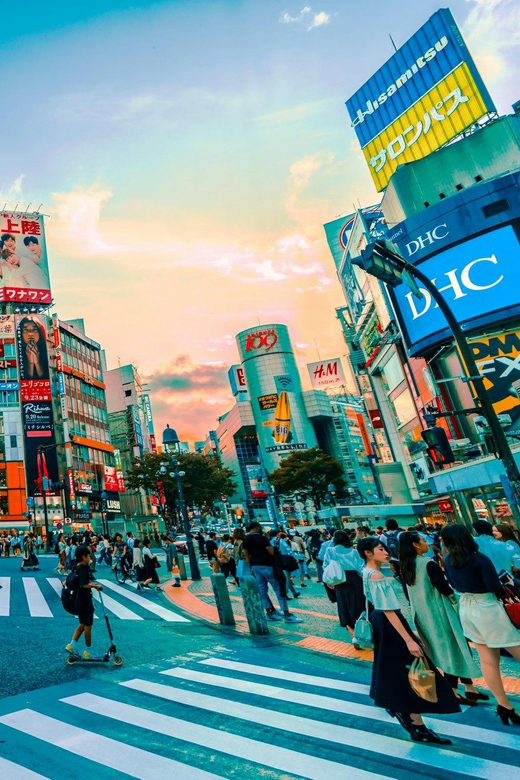
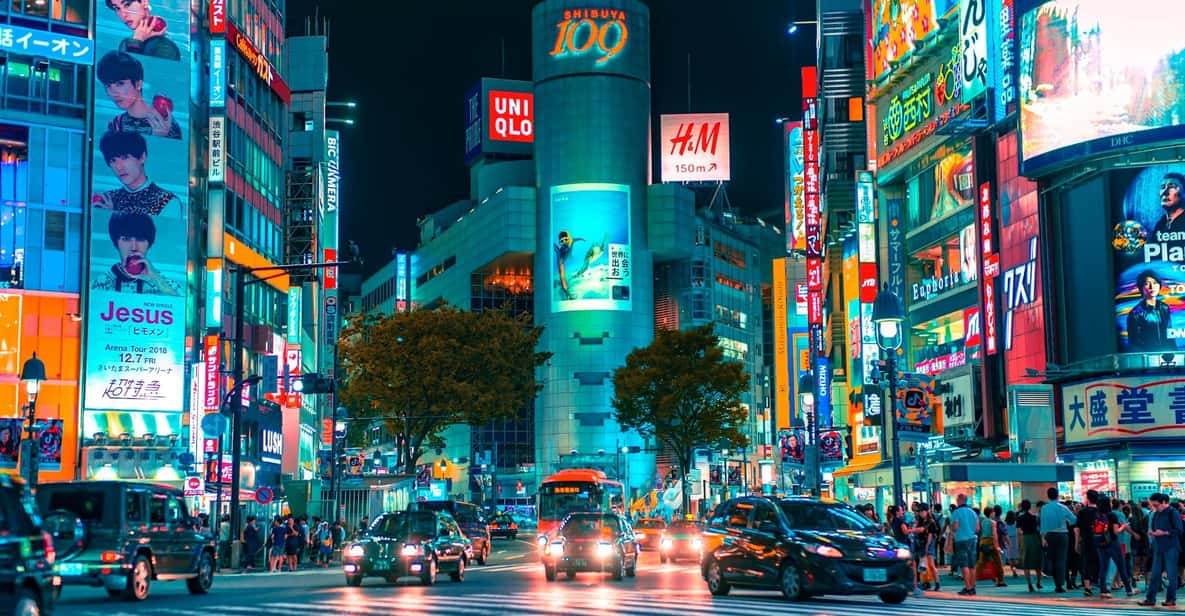
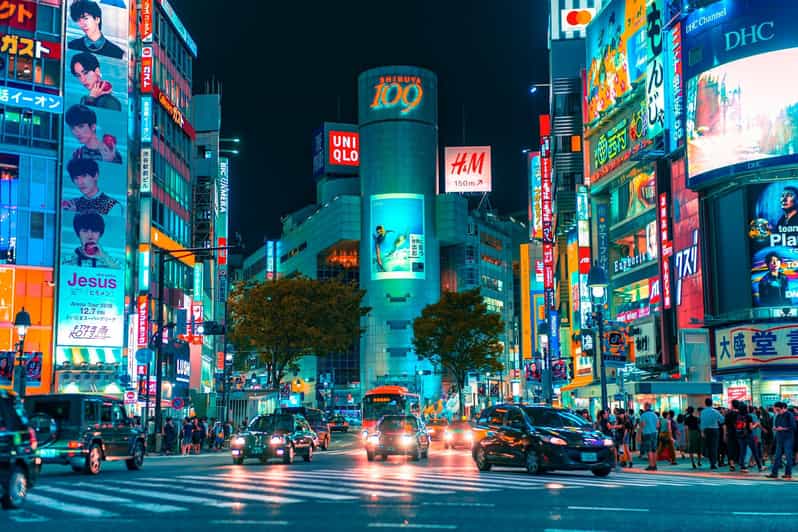
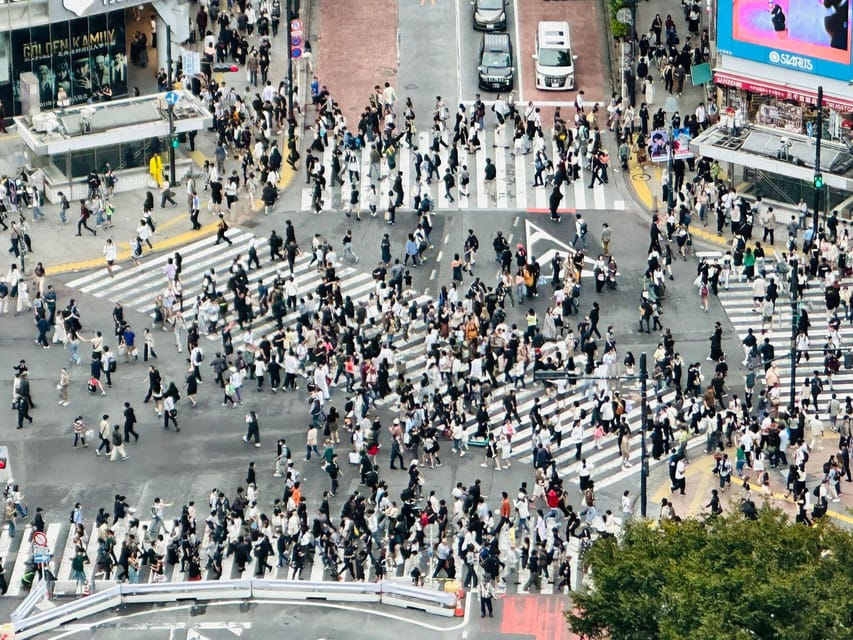
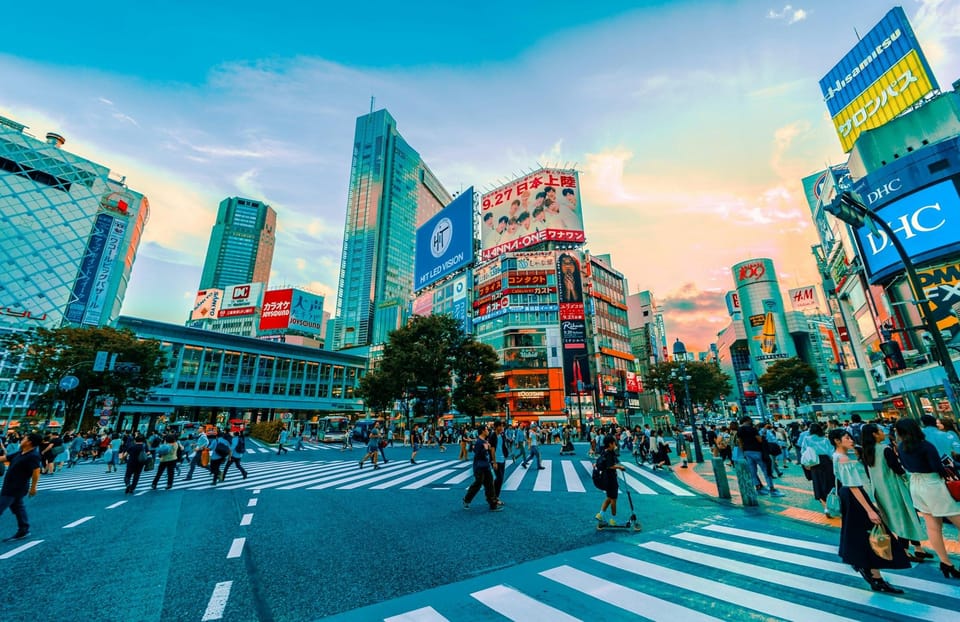
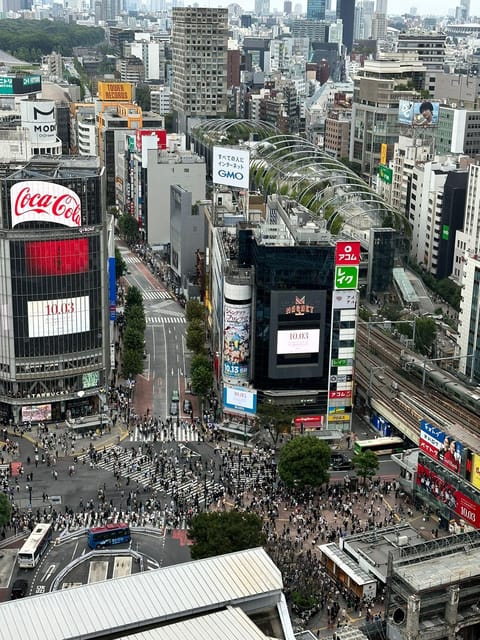
Shibuya Crossing is Tokyo’s most recognizable “wait, this is real?” moment, and your guide takes you there with the context that makes it stick. You’ll see the scramble from the right area—plus you’ll have a stop for the Hachiko statue along the way. That combo works well because Hachiko adds meaning beyond the spectacle, turning a photo moment into a story about loyalty and local memory.
What I like about doing Shibuya with a local is how quickly you get your bearings. You can tell yourself you’ll just figure it out, but in a place like Shibuya, the street-level flow is the whole point. Your guide helps you navigate the area without stress and keeps you moving when the crowd rhythm shifts.
If the timing doesn’t line up for a completely open view, don’t worry. Your guide can still show you what to look for—the crossings, the energy of the station area, and how Shibuya works as a hub. It’s not only about standing at one corner.
Nakano Broadway and Takeshita Street: shopping you can actually enjoy
Tokyo shopping can be overwhelming, especially when you don’t know what you’re looking for. This tour gives you two different shopping moods that work in the same day.
First, Nakano Broadway. It’s a change of pace from the mainstream shopping areas, and it’s the kind of place where you can wander without it turning into a chore. If you enjoy browsing retro-style stores, specialty goods, and the offbeat side of Tokyo retail, Nakano Broadway is a smart add.
Then, Takeshita Street again is the opposite feeling—less “hunt for finds,” more “enjoy the spectacle.” It’s fast, playful, and designed for roaming with your eyes open. Your guide can point out what’s worth noticing as you pass storefronts and snack stops.
The value here is the contrast. You get Tokyo’s pop-energy style scene and a more niche shopping district in the same day, which means you don’t waste time in only one lane.
Asakusa and Sensō-ji’s lantern approach: old Tokyo you can walk into
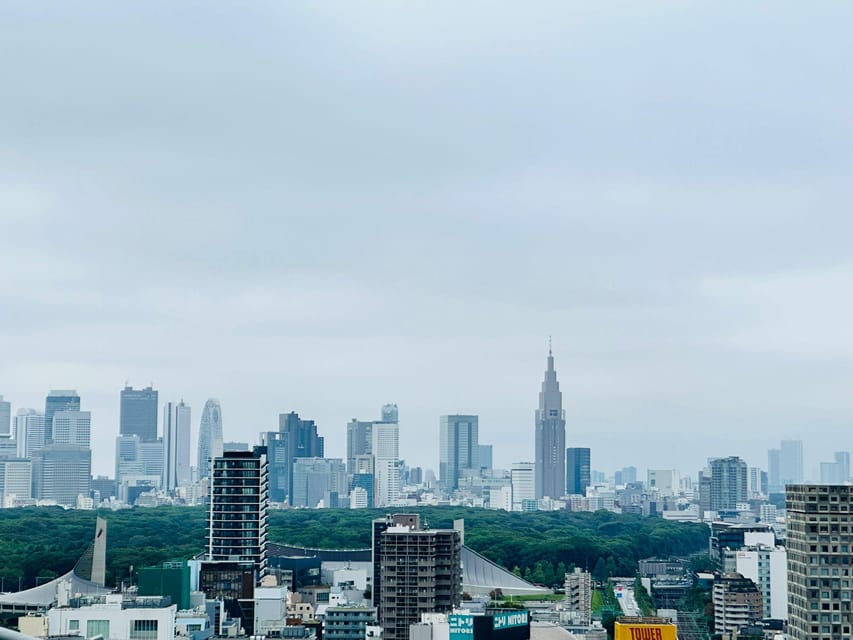
Asakusa is the part of Tokyo many people hope to find: traditional streets, temple energy, and that sense of history you can actually feel on foot. With your guide, you’ll move through Asakusa with more direction than a self-guided stroll—your local host points out notable sites and shares the story behind Sensō-ji Temple.
Sensō-ji is especially memorable because of the approach: the famous red lanterns set the mood immediately. When you understand the temple’s significance, the photos feel more meaningful. The walk through the lantern-lined area is one of those Tokyo moments where being there matters, not just having the picture.
Practical note: this area can get busy. Having a guide helps with pacing—where to stop, when to move, and how to keep the day from turning into a slow shuffle.
You can also read our reviews of more private tours in Tokyo

Shinjuku viewpoint time and Omoide Yokocho’s Showa alley mood
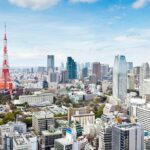
Your tour also includes time in Shinjuku, which gives you a different kind of Tokyo picture. You’ll have views from the Metropolitan Government Building, which is a great way to understand the city’s scale. The payoff is clarity: you see Tokyo as more than street names and train stations.
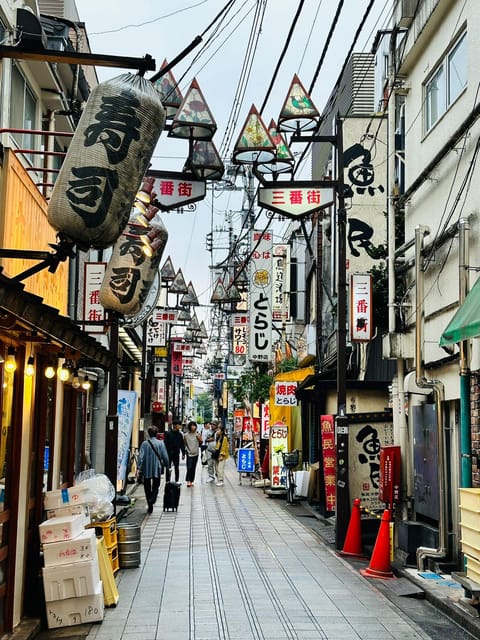
Then you get the Showa-era atmosphere of Omoide Yokocho. This is where Tokyo’s older vibe shows up in alley form—smaller lanes, old-school mood, and a feeling that you’re stepping into a different time. It’s a fun contrast after temple and shopping stops.
The only caution I’d give you: Omoide Yokocho tends to be a “go with the flow” kind of place. If you expect a calm, empty stroll, you might be surprised. Plan to enjoy it as atmosphere rather than a sit-and-stay experience.
Yanaka’s shitamachi charm: a slower finish with neighborhood soul
If you want a Tokyo ending that feels less like a finale and more like a real neighborhood, Yanaka is a great choice. Your guide brings you to the district that captures “shitamachi” ambiance—traditional feel, warm community spirit, and that older Tokyo character that’s hard to recreate from memory.
This is where the tour’s “tailored” promise can really shine. Yanaka is the kind of area where your guide can help you notice what you’d normally miss: small shops, quiet lanes, and places that feel lived-in rather than staged.
I like finishing here because it softens the sensory overload that comes from Shibuya and Harajuku. You get a gentler pace and a more human scale, and you leave Tokyo feeling like you visited a city with neighborhoods, not just landmarks.
Price and value: what $63 really covers (and what it doesn’t)
At $63 per person for a 1-day private tour, the headline price is attractive—especially if you’re thinking about how expensive Tokyo guiding can get. But the real value depends on what’s included.
You do get: a private, customized experience with a local guide and pickup options near Asakusa Station or Harajuku Station. That alone saves you stress and helps you hit the day’s highlights efficiently.
What you should expect to pay separately: transportation costs, entrance fees, and meals and drinks. That means the tour isn’t “all-in” the way some guided museum days are. If your group plans to use public transit frequently (you likely will), you’ll want a little extra budget and some cash on hand, since not every place takes credit cards.
One review concern that matches the reality of the listing: if you end up spending a lot on transit yourself, it can feel like the price should be higher or the inclusions should be broader. On the flip side, the private pacing and saved time often still feel worth it—especially if you don’t want to play transportation planner all day.
Practical tips that make this day feel effortless
Here’s how to make the tour go smoothly with minimal fuss.
Wear comfortable walking shoes. You’re moving through multiple neighborhoods, and the day includes shrine/temple walking plus street time.
Bring a refillable water bottle. Tokyo can be hot or rainy depending on season, and having water ready keeps you from cutting the experience short.
Have cash for personal expenses. The tour info specifically notes that not all places accept credit cards, and shopping/snacks can pop up whenever you spot something you want.
Plan for weather-appropriate clothing. If it’s wet, you’ll still want to keep moving rather than losing time.
If you’re sensitive to crowds, consider asking your guide to manage the order of stops where foot traffic tends to spike, like Shibuya Crossing and Takeshita Street.
Also, for your expectations: this is listed as wheelchair accessible in one place, but also marked not suitable for wheelchair users elsewhere. If accessibility is a factor for you, contact the provider before you book so you get a clear, consistent answer.
Should you book this Tokyo private tailored tour?
Book it if you want a guided Tokyo day that mixes major sights (Meiji Jingu, Shibuya Crossing, Sensō-ji) with a more neighborhood-feeling finish in Yanaka—and you’d rather spend your energy enjoying the places than figuring out how to connect them.
Skip it or think twice if you need a mostly low-walking experience, have mobility constraints, or you’re trying to keep costs extremely tight once you add transit, entrances, and meals. Also, if you only care about one or two spots, a private day might feel like overkill.
If you do want Tokyo in one day with a local guide who can adjust to your interests, this is a strong choice.
FAQ
How long is the Tokyo private tailored tour?
The tour lasts 1 day.
What neighborhoods and attractions are included in the experience?
The day can include Meiji Jingu, Harajuku (including Takeshita Street), Shibuya Crossing and the Hachiko statue, Nakano Broadway, Asakusa and Sensō-ji Temple, Yanaka District, and Shinjuku (including Metropolitan Government Building views and Omoide Yokocho).
Is this a private tour or a shared group?
It’s a private group experience.
What languages are available for the live guide?
Live guides are available in English, German, Italian, Spanish, and French.
Where does pickup happen?
Pickup is offered from Asakusa Station or Harajuku Station. If you prefer not to be picked up at your hotel, the tour can arrange to meet you at Harajuku Station.
Are transportation and entrance fees included?
No. Transportation costs and entrance fees are not included.
Are meals included?
No. Meals and drinks are not included.
Can I cancel for a full refund?
Yes. Free cancellation is available up to 24 hours in advance for a full refund.