REVIEW · TOKYO
Tokyo: Name Seal & Pouch or Tote Bag Making Experience
Book on GetYourGuide →Operated by Shodocafe7557 – Kanji & Calligraphy Tokyo · Bookable on GetYourGuide
You’ll write your name in Kanji style. In Tokyo at Shodocafe7557, you create a custom inkan name seal and take home a pouch or tote that uses your characters, not a generic souvenir.
I especially like that the process stays practical: your seal is built for real daily use in Japan, and it comes with guidance on your characters while you work. The one thing to plan for is that if you choose a Kanji seal, you’ll need to send your name and the design choice ahead of time so they can make it on schedule.
In This Review
- Key Points Worth Noting Before You Go
- Why Tokyo Still Uses Inkan Seals (and Why This Class Feels Useful)
- Your Custom Seal: Kanji vs Hiragana and the Design Rules
- The Real “Class” Part: What Happens in the 30–40 Minutes
- Pouch or Tote Bag: Silver, Gold, and the Decoration Limits
- The Most Praised Part: Patient Teaching and Friendly Energy
- Price and Value: Is $29 Worth It?
- Where It Happens: Getting to Roppongi Hanko / CREST Roppongi 2F
- Who This Is Perfect For (and Who Might Prefer Something Else)
- Small Logistics That Affect Your Experience
- Should You Book This Inkan Seal and Tote Class?
- FAQ
- How long does the experience take?
- What kind of Japanese seal stamp can I make?
- Can I make both a seal and a bag?
- Do I need to choose my Kanji design in advance?
- What tote bag decorations are included?
- What pouch colors are available?
- Is the class taught in English?
- Where is the meeting point in Tokyo?
- Is there free cancellation?
Key Points Worth Noting Before You Go
- Custom inkan seal made from your name in Kanji or Hiragana
- Four Kanji seal design choices: Mt. Fuji, Pine Tree, Floral Leaf (Kiri-mon), or Maiko Girl
- Small group format limited to 5 participants, with live English support
- Pouch or tote personalization including silver or gold pouch, plus tote decoration options
- On-the-spot help with calligraphy practice while your stamp is being produced
- A personalized postcard created while you wait, so you leave with more than just the stamp
Why Tokyo Still Uses Inkan Seals (and Why This Class Feels Useful)
Inkan name seals are still part of everyday life in Japan. You’ll see the idea quickly: a seal is not just art. It’s a compact tool for signing and confirming identity, which is why a custom stamp makes such a satisfying souvenir.
This experience in Roppongi gives you something you can keep and actually use in a “Japan way.” You’re leaving with a stamp that reflects your name in Japanese writing, plus a matching item (pouch or tote) that turns the class into a wearable memory.
You can also read our reviews of more tours and experiences in Tokyo.



Your Custom Seal: Kanji vs Hiragana and the Design Rules
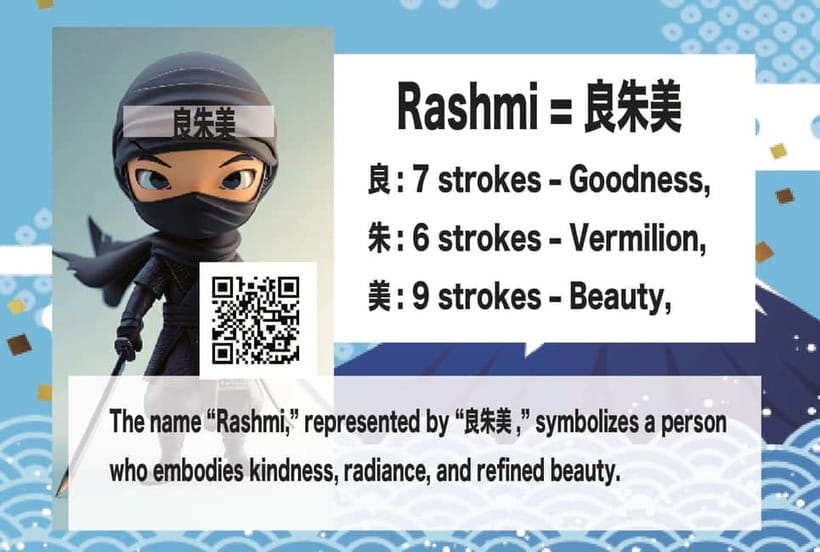
You choose what your seal says and how it looks. For Kanji, you’ll make a square seal (24mm) featuring your name in Kanji characters. If you prefer Hiragana, you’ll make a round seal (12mm) using Hiragana.
If you go with Kanji, there’s an extra layer that’s worth your attention. Your staff will help select beautiful and auspicious characters based on both the meaning and the sound of your name. That makes the end product feel personal in a way a printed souvenir never will.
There’s also a design decision that affects your Kanji seal option—and it needs to be chosen in advance. You can pick one of four themes for the seal:
- Mt. Fuji
- Pine Tree (Matsu)
- Floral Leaf (Kiri-mon)
- Maiko Girl
The Real “Class” Part: What Happens in the 30–40 Minutes
You’re not sitting through a long lecture. You’re in the studio to produce something, with an English-speaking instructor guiding you as you go.
The way it typically works feels like three phases. First, you get your name characters sorted out (and confirmed) so the seal matches what you want. Then you move into writing and calligraphy practice as the stamp is made, with staff on hand if you want help getting the strokes right.
While you wait for your seal to be produced, you also get a personalized postcard with calligraphy art. That means even if your hands are “in between steps,” you’re still doing something creative instead of just watching the process.
A small-group setting helps here. With a group capped at 5 participants, you’re more likely to get patient, hands-on attention rather than rushing through instructions.
Pouch or Tote Bag: Silver, Gold, and the Decoration Limits
You can take home more than one item. The experience includes a custom name pouch or a custom name tote bag (you’ll choose which one you want).
For a pouch:
- Your pouch name uses your Kanji or Hiragana choice.
- You can choose the pouch color: silver or gold.
For a tote bag:
- Your bag also uses your name in Kanji or Hiragana.
- You choose three decorations (cherry blossoms or stars) to personalize it.
That “three decorations” detail matters. If you want more than three, additional charges apply. So if you’re the type who likes options, decide early whether you want the included trio or plan for the extras.
The Most Praised Part: Patient Teaching and Friendly Energy
The strongest theme in the feedback is how kind and patient the instructors are. People consistently describe a supportive tone, with encouragement during writing practice, even when the process takes time.
That shows up in the details: you’re not just handed materials and left to figure it out. You get guidance as you write, and the teaching is paced to help you understand how your characters are constructed. Even if you’ve never done Japanese calligraphy before, it feels doable.
A second frequently mentioned win is the overall variety of what you get to take home. Besides the seal and bag, you get the personalized postcard, and people note leaving with plenty of extra goodies. It’s one of those experiences where you don’t feel like you paid for “just a single item.”




Price and Value: Is $29 Worth It?
At $29 per person, this class isn’t trying to be a huge time investment. It’s short—about 30 to 40 minutes—and it produces tangible souvenirs you’ll keep.
Here’s how I’d judge value for this type of experience:
- You’re paying for personalization, not just a product. Your seal is made from your name in Japanese characters, with Kanji options supported by help selecting characters.
- You get more than one souvenir. The stamp plus pouch or tote, plus a personalized postcard, increases the usefulness of what you bring home.
- You’re paying for human guidance, not a self-guided workshop. The English-speaking live guide and small group format make the class easier, especially for first-timers.
The only “value catch” is the up-front planning for Kanji. If you want the Kanji seal with the themed design and a specific pouch color, you’ll need to provide those choices in advance. If you’re traveling last-minute and hate planning, that’s the one part that can feel annoying.
Where It Happens: Getting to Roppongi Hanko / CREST Roppongi 2F
You meet at Roppongi Hanko in the CREST Roppongi building area. The address listed is:
- 7-9-3 Roppongi, Minato-ku, Tokyo – CREST Roppongi Building 2F
If you’re coming by train, use the Toei Oedo Line to Roppongi Station. Exit No. 7, cross the pedestrian crossing toward FamilyMart, and keep to the right. Walk along museum street toward the National Art Center, Tokyo. You’ll see a large crane sign on the left, and the studio is on the second floor.
If you prefer taxi or want a quick way to confirm the destination, you can show:
- Shodocafe7557 in Crest Roppongi building, near the National Art Center Tokyo.
A tip that saves time: search Shodocafe7557 on Google Maps. With Roppongi, that simple move can help you avoid spending energy reading street signs you don’t need to.
Who This Is Perfect For (and Who Might Prefer Something Else)
This works great if you want a hands-on Tokyo activity that’s not about standing in lines or chasing a schedule. It’s also a strong choice for:
- Couples and friends who want matching souvenirs with different names
- Families, since writing practice is friendly and guided
- Anyone who likes Japanese culture beyond food and photos
It may be less ideal if you want a big sightseeing component, since this is a studio-focused craft class. Also, if you want to choose Kanji designs on the spot, plan ahead—Kanji seal creation needs time, and you’ll be asked to provide your choices in advance.
Small Logistics That Affect Your Experience
This is a short class, and timing is real. For Kanji seals, production time matters, and it takes about 40 minutes per person. If the schedule is full, your total visit can feel like it’s tightly managed, even though the overall class is still in the 30 to 40 minute range.
Also note the “details” that help the workshop go smoothly:
- Decide your seal type (Kanji or Hiragana).
- If you’re doing Kanji, choose your themed design (Mt. Fuji, Pine Tree, Kiri-mon, or Maiko Girl) and pouch color (gold or silver) ahead of time.
- For the tote, pick cherry blossoms or stars for up to three decorations (extras cost more if you want more).
One more quick note: smoking isn’t allowed.
Should You Book This Inkan Seal and Tote Class?
Book it if you want a Tokyo souvenir that feels personal and practical, and you don’t mind doing a bit of writing. For most people, the value comes from the full package: a custom inkan seal, a matching pouch or tote, and supportive guidance while your items are being made.
Skip it only if you dislike pre-planning or you need a sightseeing-heavy day. Otherwise, this is the kind of activity you’ll remember every time you use the stamp—or every time you reach for the bag and see your name in Japanese characters.
FAQ
How long does the experience take?
The class lasts about 30 to 40 minutes, with production time handled during your session.
What kind of Japanese seal stamp can I make?
You can choose a square type with Kanji (24mm) or a round type with Hiragana (12mm).
Can I make both a seal and a bag?
Yes. The experience includes a custom name pouch or a custom name tote bag, along with your custom seal stamp.
Do I need to choose my Kanji design in advance?
Yes. For Kanji stamps, you should provide your name and your selected design (one of the four options) in advance, since it takes extra time.
What tote bag decorations are included?
If you choose the tote bag, you can include three decorations of your choice, such as cherry blossoms or stars. Extra decorations beyond three have additional charges.
What pouch colors are available?
You can choose the pouch color as either silver or gold.
Is the class taught in English?
Yes, there is a live tour guide with English support.
Where is the meeting point in Tokyo?
The meeting point is at Roppongi Hanko / CREST Roppongi Building 2F (7-9-3 Roppongi, Minato-ku). You can also search Shodocafe7557 on Google Maps.
Is there free cancellation?
Yes. You can cancel up to 24 hours in advance for a full refund.