REVIEW · TOKYO
Ramen and Sushi Cooking Class with Sake Pairing Set in Tokyo
Book on Viator →Operated by Sushi Making Tokyo Cooking Class in Japan · Bookable on Viator
A cooking class beats a food tour when you want real skills. In Tokyo, you’ll make sushi and ramen broth from scratch and pair it with sake in a small group. What I like most is the maximum eight-person setup, which makes the instructor’s feedback feel personal, and the way you get both technique and the stories behind what you’re cooking. One thing to plan for: there’s no hotel pickup, so you’ll need to get yourself to the Tsukishima meeting point.
In practice, this is a relaxed afternoon where the class leader guides you step-by-step, and you spend the time actually cooking (not just watching). The included ingredients and all drinks also make it easier to enjoy without doing mental math mid-class. If you prefer ultra-silent, no-nonsense cooking environments, you might find the playful back-and-forth and short knowledge moments a little more social than you expect.
In This Review
- Key Things I’d Prioritize Before You Go
- A 3-Hour Tokyo Class Where You Make Ramen, Sushi, and Sake
- Where You Meet in Tsukishima (And Why It Changes Your Planning)
- Small Group Cooking: Personal Attention Without the Pressure
- The Sushi Part: Learning the Moves That Actually Transfer Home
- Ramen Broth From Scratch: Where the Flavor Logic Shows Up
- Sake Pairing: Why the Tasting Feels Like Part of the Lesson
- The Learning Extras: Stories and a Fun Quiz Moment
- What You Actually Eat (And Why It’s Included)
- Price and Value: Is $79.59 Worth It?
- Comfort and Atmosphere: Relaxed, Polite, and Very Social-Friendly
- Who This Works Best For (And Who Might Skip It)
- Short Practical Tips to Get the Most From Your Class
- Should You Book This Ramen and Sushi Cooking Class?
- FAQ
- How long is the cooking class?
- What is the group size limit?
- How much does it cost?
- What dishes will I make?
- Is the class taught in English?
- What’s included in the price?
- Is hotel pickup provided?
- Where do I meet for the class?
- Does the tour end at the meeting point?
- Can I cancel for a full refund?
- Is a mobile ticket provided?
Key Things I’d Prioritize Before You Go
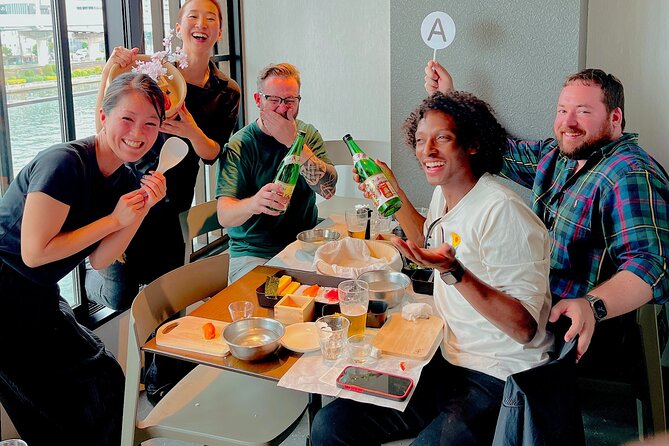
- Max 8 people means you’ll get closer, more hands-on coaching instead of rotating through stations.
- Sushi plus ramen broth gives you two big Japanese cooking fundamentals in one 3-hour session.
- Sake pairing is included, so tasting isn’t treated as an afterthought.
- English-speaking instructor and step-by-step guidance, helpful even if you’ve struggled with Japanese cooking at home.
- All drinks are included, which makes the class feel like a full meal experience.
- Meeting at Tsukishima with no pickup, so plan your route and arrival time around that.
A 3-Hour Tokyo Class Where You Make Ramen, Sushi, and Sake
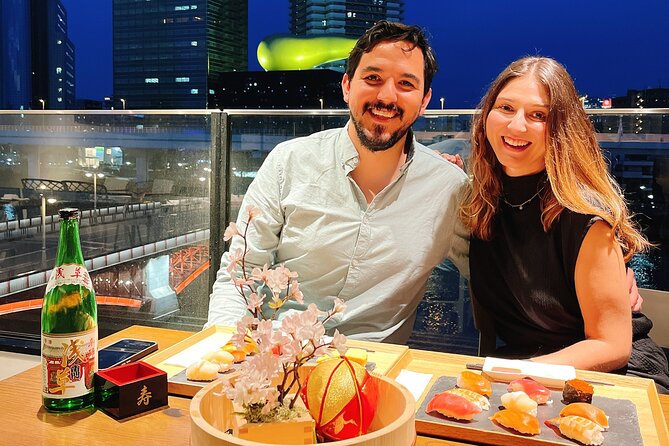
If your Tokyo trip list includes food, this kind of class is a strong move because it gives you something practical. You’re not just sampling dishes; you’re learning how to produce the flavors and the textures that make Japanese comfort food work.
This runs about 3 hours in an intimate setting with up to eight travelers. That group size matters more than it sounds. In bigger classes, you often stand back and hope the instructor notices you. Here, the class leader can correct your technique while you’re in the middle of the steps—exactly when it helps.
The other reason I’d choose this experience is the pairing of cuisines. You make sushi, then you brew savory ramen broth from scratch, and you finish with sake that’s selected to complement what you cooked. It’s a full loop: technique → taste → cultural context.
You can also read our reviews of more food & drink experiences in Tokyo



Where You Meet in Tsukishima (And Why It Changes Your Planning)
The meeting point is in Tsukishima (Tsukuda), Chuo City at 2-chōme135 HAUS Tsukishima. The activity ends back at the same meeting point.
No hotel pickup is listed, which is the main logistics point to keep in mind. That can actually be a positive for many people: you’re not waiting in a lobby or doing a shared shuttle shuffle. But it does mean you should build in time to get there smoothly using public transport.
Practical tip: treat this like a dinner reservation. Arrive a few minutes early, especially if you’re navigating in a new neighborhood. Tokyo is easy once you’re oriented, but early arriving removes stress and lets you focus on the class.
Small Group Cooking: Personal Attention Without the Pressure
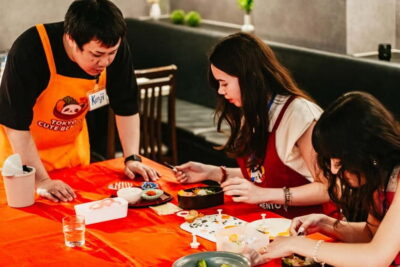
The class limits group size to 8 people, and the format is clearly built for hands-on learning. Multiple reviews point out close, personal instruction, including scenarios where the group was very small. Even when there are more participants, you’re still likely to feel seen.
You’ll get:
- guidance from an English-speaking instructor
- hands-on help as you work
- professional tips for getting Japanese cuisine right at home
That last part is underrated. Anyone can follow a recipe once. The value here is learning the method and the reasoning so you’re not stuck later with a bowl of food that tastes off and no idea why.
Also, the class feels friendly rather than stiff. In reviews, people highlight warm hosting and polite, smiling guidance—names that come up include Sato, Ryushi, Taka, Kaori, and Alex. You may not meet the exact same instructors each time, but the style is consistent: calm instruction, a good mood, and lots of encouragement.
The Sushi Part: Learning the Moves That Actually Transfer Home
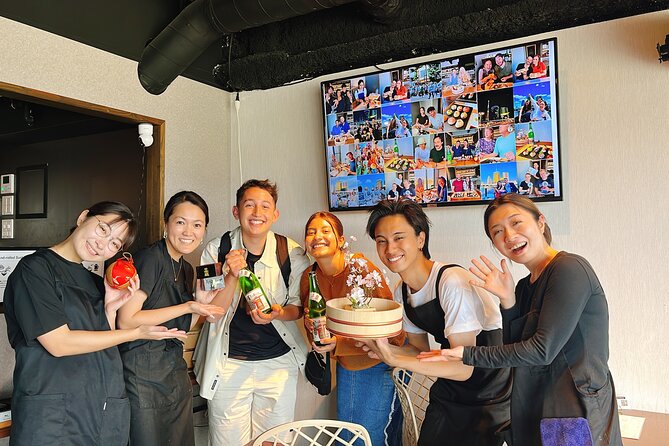
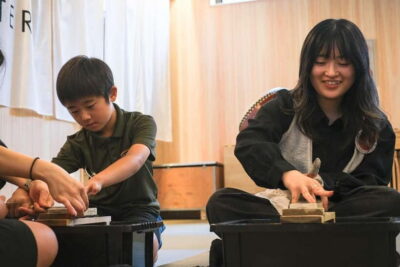
Sushi is usually where home cooks get stuck. You can watch videos for hours and still end up with rice that behaves badly or pieces that don’t look right. This class is designed to fix that frustration by putting instruction in your hands.
You’ll be crafting sushi as a group activity, with real-time guidance from your leader. That’s the key difference from solo learning: you’re correcting mistakes while they’re happening, not after you’ve already finished a plate.
Here’s what you should watch for while you’re making your sushi:
- pay attention to how the instructor demonstrates technique and timing
- follow the step order closely; rushing early steps usually causes mess later
- ask questions as you go, not at the end
One review specifically contrasts this class with trying to learn sushi at home from YouTube and ending up frustrated. In this format, you’re not just copying; you’re getting feedback that translates to what you can reproduce later.
If you’re a total beginner, you’re still in the right place. This doesn’t require advanced knife skills or Japanese cooking experience—what you need is willingness to try, and the class atmosphere is set up for that.
Ramen Broth From Scratch: Where the Flavor Logic Shows Up
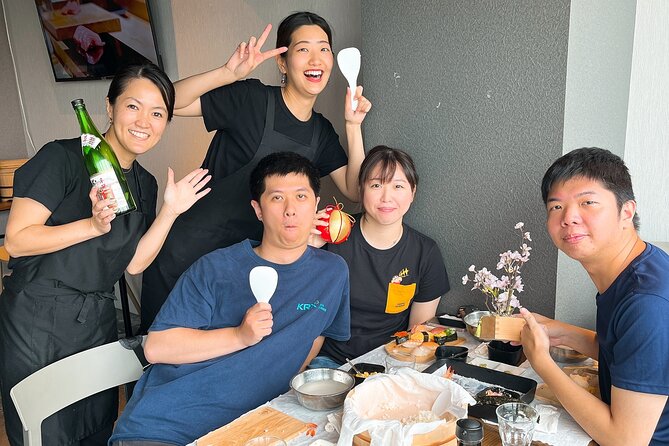
Ramen often feels mysterious from the outside. People assume it’s either too complicated or too secret. In this class, you’re actually brewing savory ramen broth from scratch, which is a huge deal if you want more than a one-time taste.
You should expect a combination of explanation and hands-on work. Reviews mention that the ramen portion can feel less hands-on than the sushi, but still highly valuable—more customisable in how you build your bowl.
Think of it like this:
- Sushi teaches you precision and technique for form and texture.
- Ramen teaches you how flavor gets built and balanced, even if not every step is hands-on for every person.
One review mentions the pork belly in the ramen being delicious. That kind of topping shows up in many ramen styles, and even if your exact bowl differs, the core focus stays the same: you learn the approach to the broth and how it supports the rest of the bowl.
Also, ramen broth isn’t just about taste. It’s about comfort and consistency. Once you understand the fundamentals, you can start thinking about substitutions and what matters most when you’re cooking far from Japan.
You can also read our reviews of more cooking classes in Tokyo




Sake Pairing: Why the Tasting Feels Like Part of the Lesson
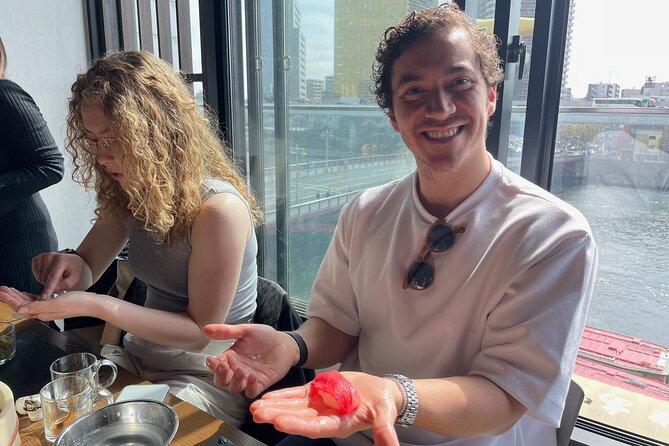
Sake can be intimidating if all you know is store labels. In this class, it’s not treated like a random extra. You’ll drink sake that’s been carefully selected to complement the dishes you’re making.
That matters because it turns the tasting into a tool. Instead of just asking if you like it, you’re comparing how sake changes the way you experience sushi and ramen flavors. Several reviews mention the sake as smooth and top notch, and people describe the pairing choices as a plus.
Sake pairing is also a great cultural bridge. Japanese meals often work as a system—food texture, seasoning, and drink all interact. Getting a guided tasting during a cooking class makes that idea real, fast.
If you’re a non-sake drinker, you might still enjoy the cultural context, but the provided info only says all drinks are included, not that there are non-alcohol options listed. If that matters to you, it’s worth checking with the operator before booking.
The Learning Extras: Stories and a Fun Quiz Moment
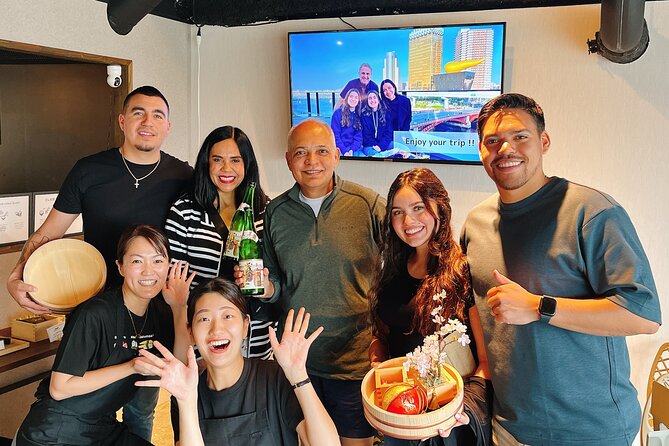
Beyond cooking, you get insights into Japanese culinary culture. The class leader shares stories behind each dish you make, and there’s even mention of a fun quiz about history and facts of sushi and ramen.
Those moments might sound small, but they help the cooking stick. When you know why something is done—why a sauce behaves a certain way, why a dish is built a specific way—you’re more likely to remember it and more likely to reproduce it with confidence.
In other words, the class isn’t only about producing food. It’s also about understanding the logic so your future attempts at home feel less like guessing.
What You Actually Eat (And Why It’s Included)
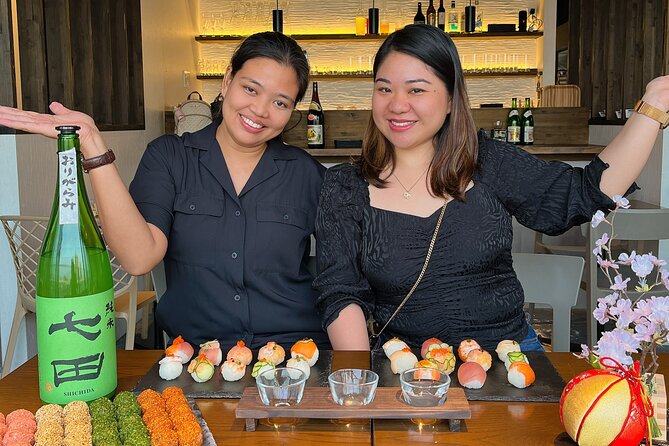
The class includes the ingredients for the cooking and the meal you make. It also includes all drink.
That combination is part of the value. Many cooking experiences charge a similar price but then leave you paying extra once you sit down. Here, the meal is part of what you booked, so you can focus on enjoying the results instead of calculating add-ons.
You’ll eat your sushi and ramen after the cooking work. Reviews say people leave feeling full, including one comment that you will not go away hungry. So plan this as a main activity during your day, not a quick snack stop.
Also, if you enjoy watching food become food, this setup delivers. You’ll see, taste, and compare what you made, which is how your taste memory gets stronger.
Price and Value: Is $79.59 Worth It?
At $79.59 per person, this class lands in the mid-range for Tokyo cooking experiences, but the value depends on what’s included—and here the inclusions are meaningful.
You get:
- an English-speaking instructor
- ingredients for the cooking and meal
- all drinks included
- sushi and ramen broth making plus sake pairing
- a small group (max eight) for personal attention
If you compare that to the cost of buying ingredients in Tokyo plus paying for instruction somewhere else, the class starts to look like a practical shortcut. You’re paying for time with a teacher, not only for food.
The other value factor is transfer to home cooking. Reviews repeatedly mention that this type of instruction clears up confusion from learning via videos. If you’ve tried to make sushi or ramen at home and failed, this kind of guided technique can save you time, money, and a lot of frustration.
Comfort and Atmosphere: Relaxed, Polite, and Very Social-Friendly
The mood matters on a cooking day. Multiple reviews highlight a warm, friendly vibe and hosts who are polite and smiling. That kind of environment helps because cooking is hands-on, and mistakes happen. When you’re learning, you want corrections that are supportive, not sharp.
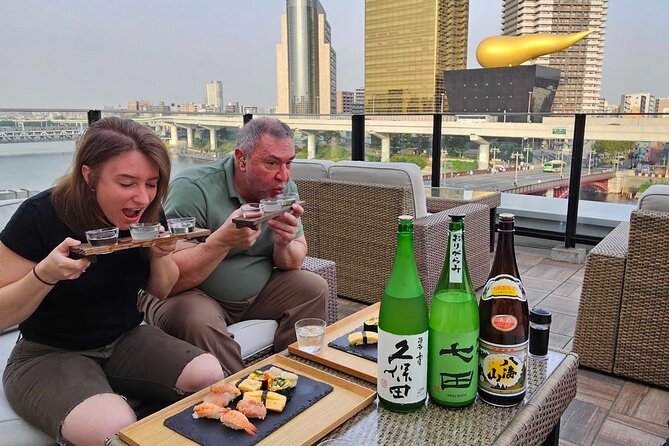
There’s also a practical comfort note: the class space may offer a pleasant view. One review mentions the setting overlooking the river, which makes the experience feel more like a Tokyo moment than a kitchen-only workshop.
If you’re traveling solo or as a couple, this kind of class is also a good social scale. The group size stays small enough that it doesn’t feel like a factory line.
Who This Works Best For (And Who Might Skip It)
This class is a strong fit if you:
- want hands-on instruction for sushi or ramen
- prefer a small group and personal feedback
- enjoy sake and food pairings
- like learning the cultural story behind dishes
It might be less ideal if you:
- need a strict, no-social-interaction experience
- rely on hotel pickup and don’t want to handle transport to Tsukishima
- avoid alcohol and need confirmation about non-alcohol alternatives (the provided info only confirms drinks are included)
Short Practical Tips to Get the Most From Your Class
A few things I’d do to make the day easier:
- Arrive a bit early at HAUS Tsukishima so you’re not rushing into cooking.
- Go with an appetite. This is a meal experience.
- Ask questions while your hands are on the work. That’s when the instructor can correct you best.
- Take notes or photos if you’re the type who likes to reproduce recipes later. Even simple reminders help.
Should You Book This Ramen and Sushi Cooking Class?
Yes—if your goal is to come home with usable skills and not just memories. The biggest reasons to book are the small group size, the combination of sushi + ramen broth + sake pairing, and the fact that instruction is built to reduce the confusion that often happens with self-taught Japanese cooking.
I’d lean toward booking especially if you’ve tried to learn sushi or ramen at home and ended up frustrated. Here, you get professional tips, hands-on coaching, and the dish stories that help everything make sense.
If you’re the type who already feels confident with sushi and ramen, you might still enjoy it for the cultural context and the sake pairing, but the “personal attention” advantage is what makes this class most worth it for beginners or intermediate home cooks.
FAQ
How long is the cooking class?
The duration is about 3 hours.
What is the group size limit?
The class has a maximum of 8 travelers.
How much does it cost?
The price is $79.59 per person.
What dishes will I make?
You’ll make sushi and brew savory ramen broth from scratch, with a sake pairing included.
Is the class taught in English?
Yes. The class includes an English-speaking instructor.
What’s included in the price?
The price includes ingredients for the cooking class and meal, English-speaking instruction, and all drinks.
Is hotel pickup provided?
No. Hotel pickup and drop-off are not included.
Where do I meet for the class?
You meet at Japan, 104-0051 Tokyo, Chuo City, Tsukuda, 2-chōme135 HAUS Tsukishima.
Does the tour end at the meeting point?
Yes. It ends back at the meeting point.
Can I cancel for a full refund?
You can cancel up to 24 hours in advance for a full refund. If you cancel less than 24 hours before the start time, the amount you paid is not refunded.
Is a mobile ticket provided?
Yes. A mobile ticket is included.