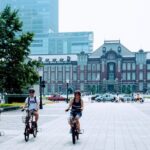
Shibuya looks different from a bike seat. This 3-hour ride stitches together the big hits—like Shibuya Crossing and Hachiko—with quieter streets and viewpoints you’d never hunt down on your own. You’ll roll through Shibuya, Harajuku, Aoyama, and Gaien with a local guide keeping things safe and smooth.
I love two things most: the guide-led way of seeing the city, and how fast the bike gets you from one atmosphere to the next. In particular, the English-speaking Taichi type of guide (spelled slightly differently across bookings) is the kind of person who explains what you’re seeing and helps you understand the local rhythms, not just the landmarks. I also like the small group size, limited to 6 participants, which makes the Q&A actually useful.
One consideration: this is not a stroll. You need to feel comfortable riding in city traffic, following Japanese traffic rules, and moving at about 15 km/h. If you’re not confident on a bike, you may find the route stressful even with safety guidance.
In This Review
- Key points that make this Tokyo bike tour worth your time
- From Umayamichi Park to Shibuya Crossing: why biking beats walking
- Meeting point near Freshness Burger: easy start from Shinjuku and Yoyogi
- Riding in Tokyo traffic: the safety approach (and what to expect)
- Umayamichi Park and the first secret stop: set your pace, then start seeing
- Yoyogi Park photos and Shibuya street scenes: the calm before the chaos
- Shibuya Crossing and Hachiko: iconic stops with room for photos
- Harajuku and Omotesando: fashion streets, then quieter side lanes
- Aoyama highlights: ginkgo views and a calm cemetery break
- Japan National Stadium photo moment and the return to Umayamichi Park
- Price and value: what $63 buys in Tokyo time
- Who this tour fits best (and who should skip the bike)
- Weather and rain: how flexible are you on the day
- Should you book this Shibuya, Harajuku & hidden backstreets bike tour?
- FAQ
- What’s the duration of the Tokyo Bike Tour?
- Where do I meet for the tour?
- How big is the group?
- What’s included with the price?
- What languages are available?
- Do I need to be able to ride a bike?
- Is the tour affected by rain?
- What should I bring, and what’s not allowed?
Key points that make this Tokyo bike tour worth your time
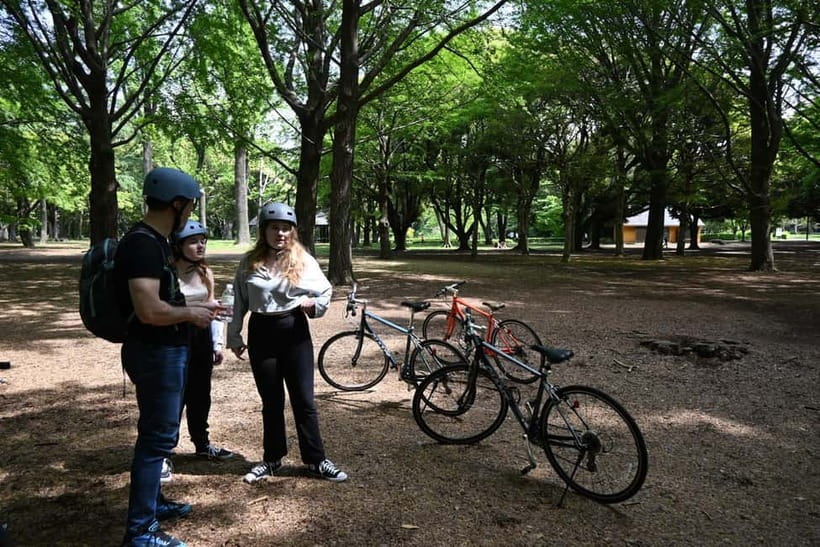
- Small-group limit (6 people) means more attention and easier navigation in crowded areas.
- English live guide with local context on history, culture, and where to eat after the ride.
- Bike-first route saves time versus walking while still getting you into backstreets.
- Classic photo moments are paired with quieter, lesser-known stops and scenic viewpoints.
- Comfort + safety focus: helmet included, brief safety talk up front, and guidance through crossings.
From Umayamichi Park to Shibuya Crossing: why biking beats walking
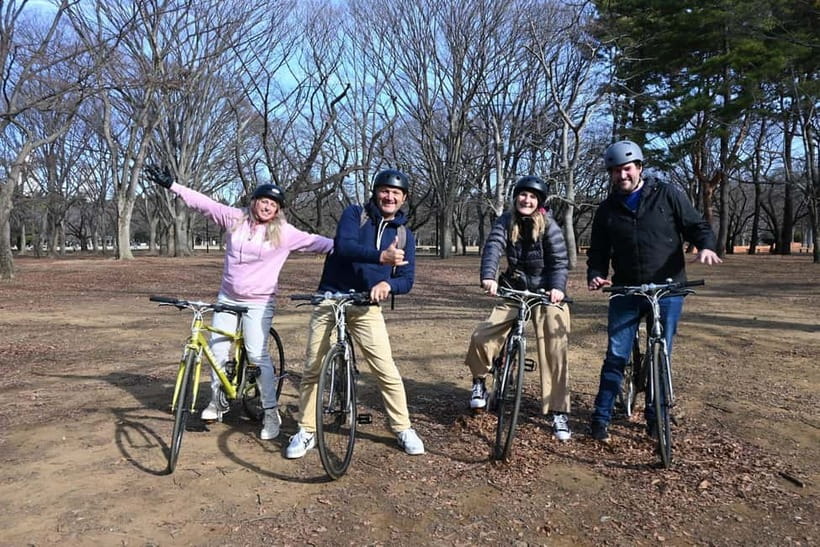
The heart of this tour is simple: you get Tokyo’s most famous neighborhoods in one tight loop, without wasting time transferring on public transport. Walking Shibuya and Harajuku can eat hours, and you end up doing the “must-see” checklist at a rushed pace. By bike, you keep your momentum and still get breaks for photos and short walks when it makes sense.
This ride is also built for people who want atmosphere, not just sightseeing. You’ll pass places that feel like the city is running on everyday life—shops, side streets, and the little sightlines that tell you what’s going on locally. That’s why the tour keeps mentioning both famous stops and backstreet “secret” moments: it’s the mix that makes Tokyo feel real instead of staged.
You can also read our reviews of more cycling tours in Tokyo
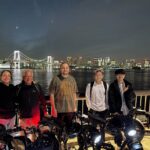
Meeting point near Freshness Burger: easy start from Shinjuku and Yoyogi
You’ll start at Umayamichi Park, in a location that’s easy to reach on foot. The park is next to Freshness Burger, and it’s about a 10-minute walk from Shinjuku Station and around 1 minute from Yoyogi Station.
That matters because Tokyo’s rail network can be confusing when you’re trying to coordinate timing. A close meeting point reduces that pre-tour stress, especially if you’re arriving from a hotel that’s not right by the station you plan to use.
Once you arrive, you’ll get a short safety briefing—think quick rules, what to expect, and how the guide wants the group to move.
Riding in Tokyo traffic: the safety approach (and what to expect)
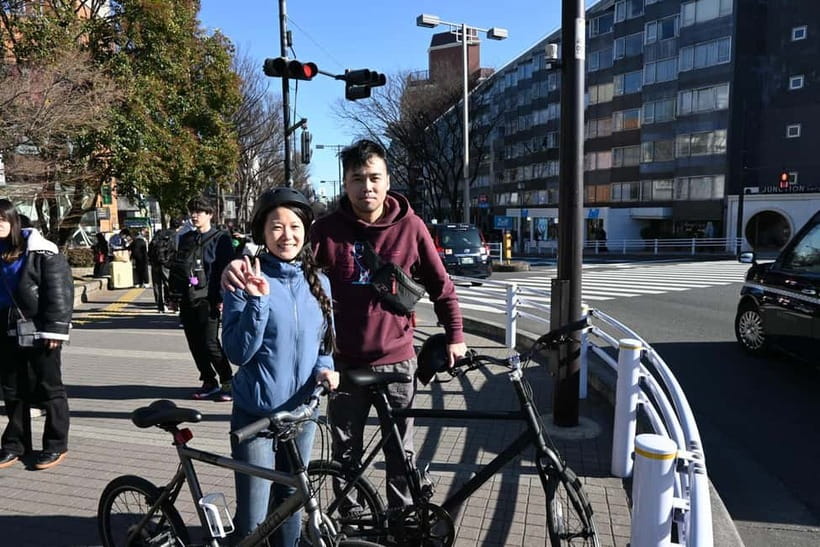
This tour runs on city streets, which means the guide’s job isn’t just pointing out sights. It’s managing spacing, route choices, and how you cross at traffic lights. You’re expected to be able to ride comfortably at a typical pace of about 15 km/h, including navigating occasional narrow or crowded areas.
Helmets and bicycles are included, which is a big practical win. No need to hunt for rental gear or wonder if the bike fits. The guide also sets expectations from the start, and you should follow instructions closely—Tokyo’s cycling rules and street behavior can feel different if you’re used to Germany, the US, or elsewhere.
From experience-style feedback, the guide type here tends to be patient and firm in a good way—calm when traffic gets intense, and focused on keeping everyone in the group together. One review also flagged that the guide handled a situation where two people in the group weren’t comfortable riding, doing a walking alternative instead. If you’re on the edge of feeling comfortable, it’s worth speaking up early so the guide can suggest the best way forward.
Umayamichi Park and the first secret stop: set your pace, then start seeing
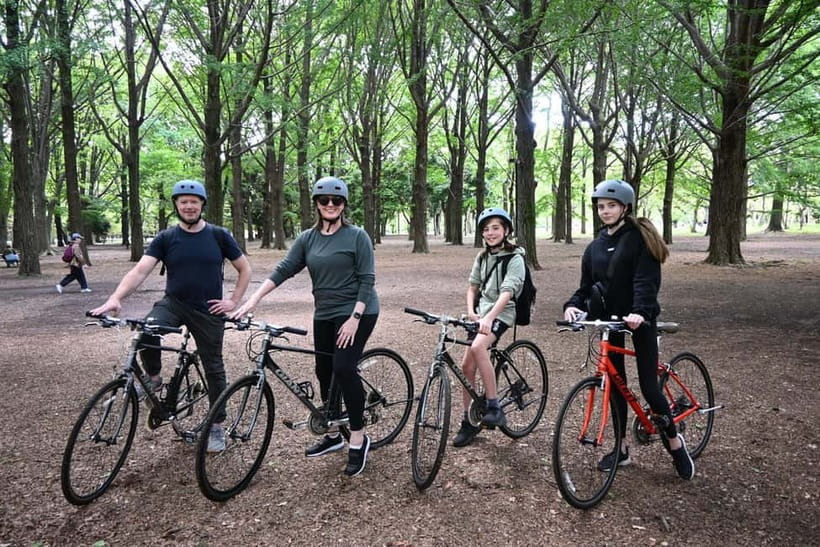
Right after the safety talk at Umayamichi Park, you’ll head out into the first “secret” section. This is where the tour transitions from meeting-mode to riding-mode. You’ll get scenic views along the way, and the timing is short enough to feel energizing, not exhausting.
I like this approach because it gets you warmed up. You’re already dealing with a bike in a busy city, so having a gentle ramp-up—followed by a proper photo stop later—helps you settle in.
Then you roll toward Yoyogi Park, one of those areas where the city’s intensity softens, and people-watch value rises fast.
Yoyogi Park photos and Shibuya street scenes: the calm before the chaos
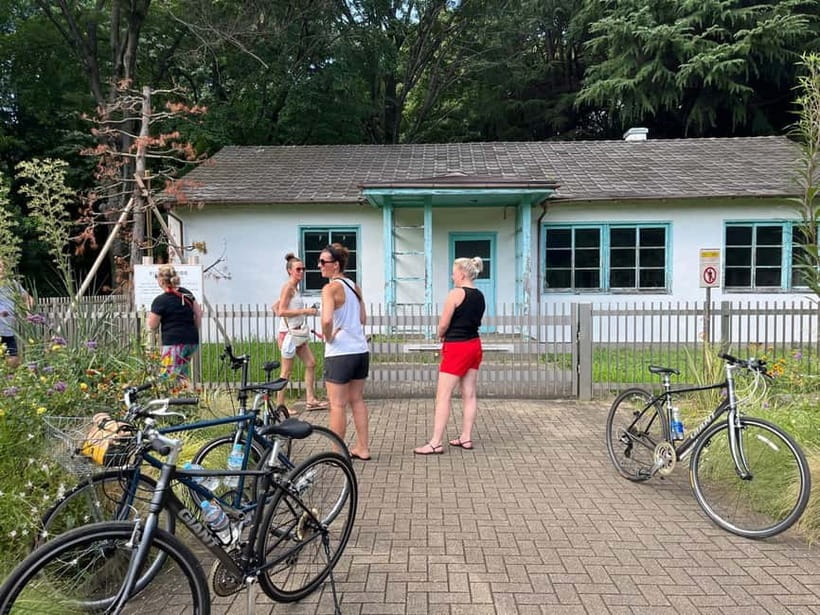
At Yoyogi Park, expect a photo stop plus time to soak in the surroundings. This park area gives you a break from the tight commercial streets you’ll hit soon. It’s also a good point to gauge your comfort level: if you’re feeling steady on the bike and relaxed about traffic, the rest of the ride will feel easier.
After Yoyogi, you move into Shibuya City riding, with more scenic viewpoints on the way. This segment is designed to reposition you smoothly toward the big-name moments without swallowing your whole schedule in one place.
If you’re visiting Tokyo for the first time, this section helps you understand the geography. The city doesn’t feel like a random set of stops—it starts to feel like neighborhoods that connect, with mood changes as you pedal.






Shibuya Crossing and Hachiko: iconic stops with room for photos
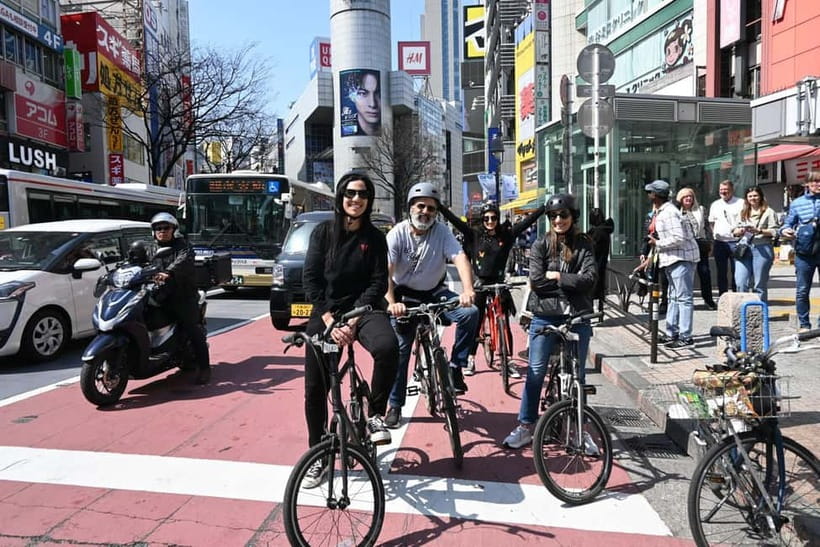
Now you reach the payoff: Shibuya Crossing. You’ll get a photo stop plus a guided visit that includes a short walk segment. The crossing can be overwhelming on foot because the crowd flow is constant and unpredictable. By bike, the group can regroup quickly around the crossing area, and the guide can help you move when it’s safest and least frustrating.
You’ll then hit Hachikō Statue for another guided walk-and-photo moment. Hachikō is one of those places that feels instantly recognizable, even if you don’t know the backstory yet. The guide’s job here is to tie it to place and culture, so it’s not just a picture spot.
The only drawback here is crowd energy. Tokyo’s busiest areas can feel like controlled chaos. If you’re sensitive to tight spaces, keep your expectations realistic: the guide will manage the group, but you’ll still be physically near lots of people.
Harajuku and Omotesando: fashion streets, then quieter side lanes
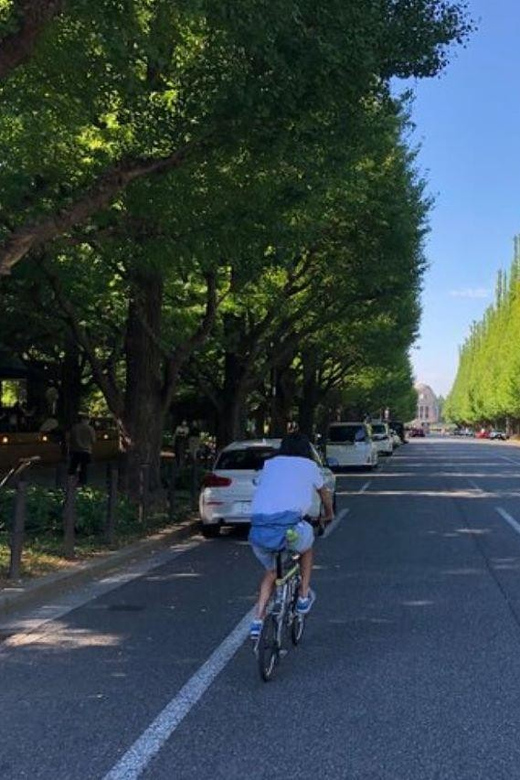
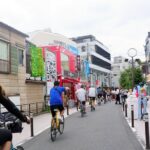
Next you’ll head into Harajuku, with a photo stop and scenic riding around it. Harajuku is a highlight for first-timers because it looks like Tokyo’s fashion and youth culture on display. But the best part of a guided ride is that you don’t just sit at the loudest storefronts—you also get shown how the neighborhood works at street level.
You’ll continue through a secret stop and then into Omotesando, again with photo time. Omotesando tends to feel more styled and architect-forward than some other Tokyo shopping streets, and seeing it from a bike route keeps the experience moving. You don’t lose half your afternoon stuck in one long pedestrian choke point.
From a practical perspective, this section is where you’ll feel whether the pace fits you. The tour breaks up the ride into short, manageable segments, but you still need to stay comfortable on the bike between photo stops.
Aoyama highlights: ginkgo views and a calm cemetery break
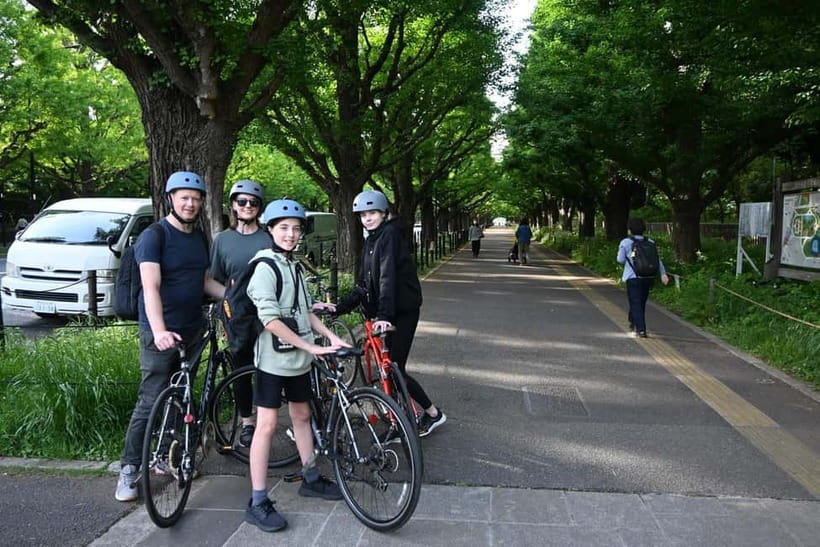
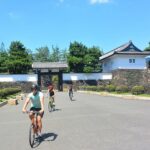
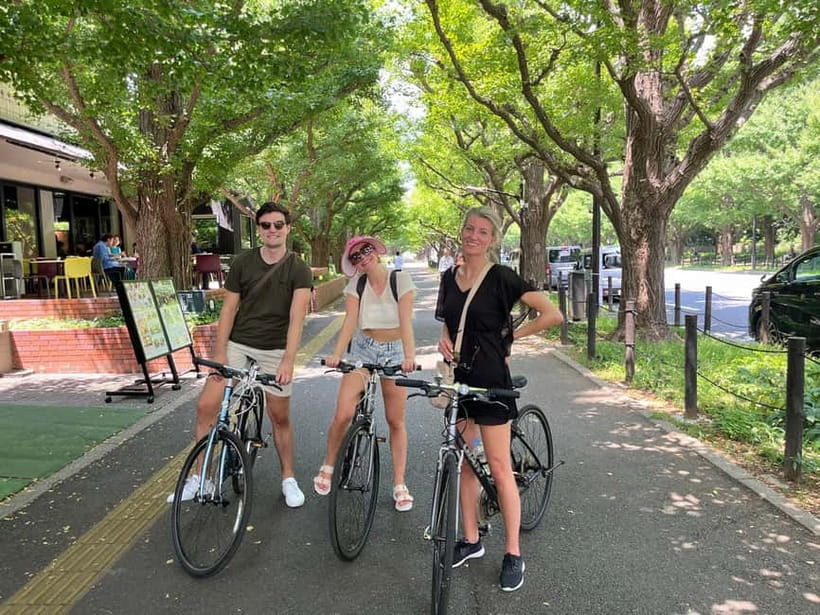
As the tour shifts to Aoyama, you’ll get more photo stops and scenic ride time, including a notable stretch at Meiji Jingu Gaien Ginkgo Avenue. This is the kind of place where the visual payoff is immediate. Even if you’re not visiting specifically for seasonal trees, the avenue’s layout makes it easy to take photos without needing a long walk.
Then comes Aoyama Cemetery for a photo stop and guided walk. This is a smart contrast point. After fashion streets and high-energy crossings, a quieter space resets your brain. It also gives the guide room to talk about the cultural meaning of the area you’re in—something that’s harder to capture on a purely checklist walking tour.
There’s also sometimes some uphill riding. One review notes that gear shifting handled the climbs well, which is reassuring. Still, if you’re expecting an effortless flat ride, temper that expectation. This is an efficient city loop, not a cycling picnic.
Japan National Stadium photo moment and the return to Umayamichi Park
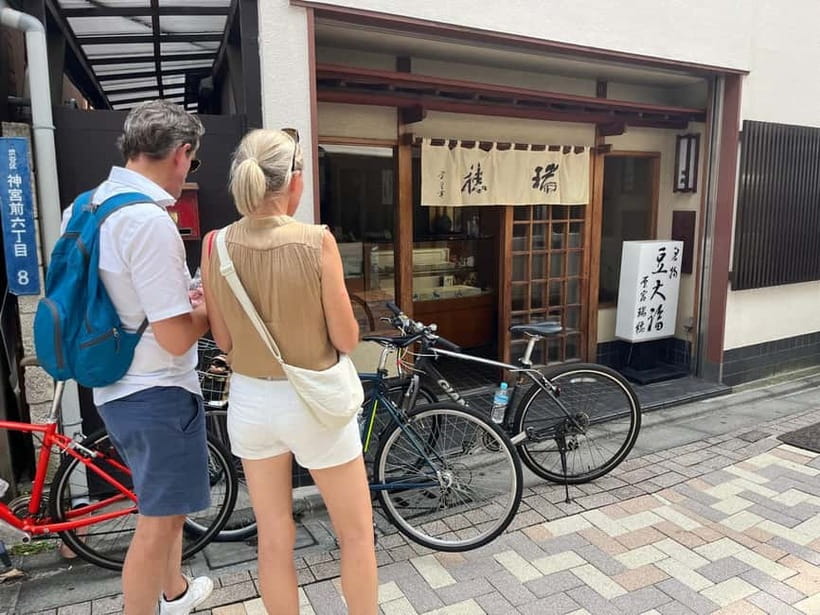
Before you wrap up, you’ll pass Japan National Stadium for a short photo stop. It’s brief on purpose—enough to get your picture, not enough to let the ride drag. Then you pedal back toward Umayamichi Park to finish the tour.
This return section is important because it’s when fatigue usually kicks in. You’ll likely be more aware of traffic and bike handling than at the start. That’s why the guide’s approach matters: if they keep the group moving steadily and communicate clearly, the ending feels like a smooth closure instead of a scramble.
Price and value: what $63 buys in Tokyo time
At $63 per person for 3 hours, the value is strongest if you match the tour’s style: active sightseeing, guided context, and a focused route that hits key neighborhoods efficiently.
What you’re paying for, specifically:
- A small-group experience capped at 6 participants
- Bicycle and helmet included
- An English live guide who provides local context beyond landmarks
- Time saved versus piecing together trains and walking between distant areas
If you’re comparing to a DIY day, the main advantage isn’t just transportation—it’s direction. You’re not guessing which backstreets are worth the effort, and you’re not spending your Tokyo time figuring out safe cycling routes through busy zones.
If you prefer to wander slowly, stop whenever you want, and you’re not interested in city-street riding, then the price might feel less compelling. But if you want a structured way to cover a lot with local explanation, it’s a reasonable spend for Tokyo.
Who this tour fits best (and who should skip the bike)
This is best for people who:
- Are comfortable cycling in a city and can follow traffic rules
- Can ride at around 15 km/h (typical speed for the group)
- Want a fast hit of Shibuya + Harajuku plus calmer Aoyama/Gaien scenery
- Enjoy guided details, including cafe/restaurant ideas from the guide
It’s not a match if you:
- Can’t ride a bike
- Are pregnant
- Are under 13
- Are over 75
- Fall outside height limits of roughly 155 cm to 200 cm
- Don’t feel comfortable navigating narrow or crowded areas
Also, the rules are pretty strict for safety and focus. No headphones is one item worth noting if you like listening to music while walking or riding.
Weather and rain: how flexible are you on the day
The tour can run in light rain, but it may be canceled if weather changes suddenly. That’s a key point for planning: pack for wet streets and keep your schedule flexible enough to handle a change.
If rain hits hard, Tokyo streets can get slippery around painted lines and crossings, and that’s when the guide will prioritize safety.
Should you book this Shibuya, Harajuku & hidden backstreets bike tour?
Book it if you want a high-value first-timer plan that still feels like Tokyo, not a bus ride. The combination of small-group pacing, a guide who can handle city cycling confidently, and stops that range from major icons (Shibuya Crossing, Hachiko) to quieter photo moments (Yoyogi, ginkgo avenue, Aoyama Cemetery) makes it a smart way to spend 3 hours.
Skip it if you hate traffic stress or you’re not sure you can ride smoothly at typical urban speed. In that case, a walking-only option might be more comfortable, especially since the guide has shown willingness to adjust when some riders aren’t comfortable.
FAQ
What’s the duration of the Tokyo Bike Tour?
The tour lasts 3 hours.
Where do I meet for the tour?
Meet at the park next to Freshness Burger (Umayamichi Park).
How big is the group?
The tour is a small group with a maximum of 6 participants.
What’s included with the price?
The price includes a bicycle and a helmet.
What languages are available?
The live tour guide provides English.
Do I need to be able to ride a bike?
Yes. The tour is not suitable for people who cannot ride a bike, and you’re expected to ride at about 15 km/h.
Is the tour affected by rain?
It runs in light rain, but it may be canceled due to sudden weather changes.
What should I bring, and what’s not allowed?
Bring comfortable clothes and shoes, plus drinks. Closed-toe shoes are required. Not allowed items include sandals or flip flops, umbrellas, headphones, alcohol or drugs, and large luggage or bags.