REVIEW · TOKYO
From Tokyo: Mt. Fuji & Hakone Tour w/ Return by Bullet Train
Book on GetYourGuide →Operated by H.I.S. Co Ltd(TIC) · Bookable on GetYourGuide
Mt. Fuji looks different from every road bend. On this Tokyo-to-Hakone day tour, you go as high as conditions allow on Mt. Fuji, then shift gears to Hakone’s volcanic zone and end with a Shinkansen return. I especially like the clear, guided push toward the best Fuji viewpoint (often the Mt. Fuji 5th Station) and the way the Hakone stops feel like a real change of scenery, not just a photo break. The big thing to consider is simple: weather can hide Mt. Fuji, and the plan adapts if clouds or fog roll in.
You’ll also notice how the day is run with a light touch. Guides like Yumi and Happy have been praised for keeping everyone on schedule without turning it into a drill, and for adding context that makes the scenery click. One more practical head-up: the itinerary is packed, so if you want long, slow wandering time, this isn’t the right format.
In This Review
- Key Takeaways Before You Go
- Meeting Point and the Start of Your Fuji Morning
- Mt. Fuji 5th Station: What You Actually See When You Get There
- Lunch Break: Japanese Hot Pot Plus a Half Buffet
- Hakone Ropeway Over Owakudani’s Volcanic Steam
- Lake Ashi Cruise: Mt. Fuji Views and the Pirate Ship Detail
- Return to Tokyo by Shinkansen from Odawara: Fast, Practical, and Self-Directed
- Price and Value: What You’re Really Paying For at $117
- Who This Tour Fits (and Who Might Want to Skip It)
- Tips That Make the Day Feel Smoother
- Should You Book This Mt. Fuji & Hakone Tour?
- FAQ
- Where do I meet the guide?
- How long is the tour?
- What is the Mt. Fuji stop on this tour?
- Is Mt. Fuji guaranteed to be visible?
- What’s included in the Hakone part?
- What happens if the Hakone Ropeway and Pirate Ship aren’t operating?
- Is lunch included?
- Are drinks included with lunch?
- How do you return to Tokyo?
- Can I return by bus instead of Shinkansen?
Key Takeaways Before You Go
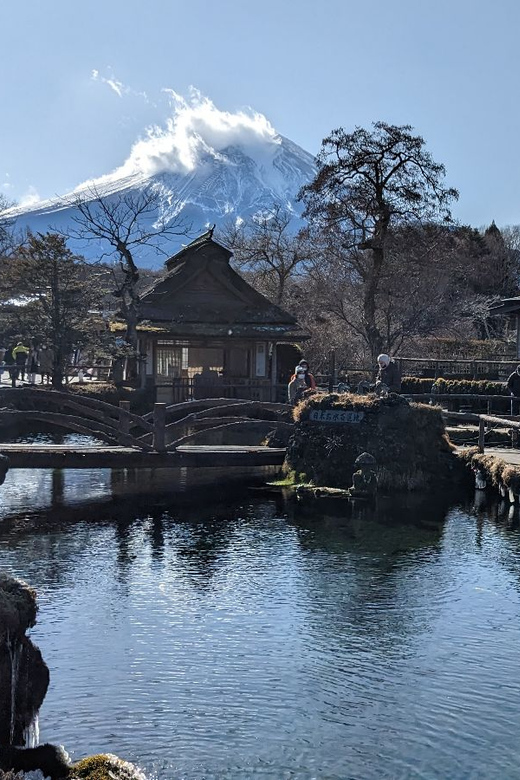
Fuji access goes high: The plan centers on Mt. Fuji 5th Station (about 2,300 m), and the guide will aim for the best reachable point.
Owakudani feels real: The Ropeway descent through the volcanic area shows changing elevations and active sulfur activity.
Lake Ashi is best when clear: You’ll cruise for sweeping Mt. Fuji views if the weather cooperates.
Lunch is built in (option): A hot pot meal plus a half buffet usually hits the spot after the mountain air.
Shinkansen is part of the payoff: You’ll ride non-reserved coaches back from Odawara to Tokyo, with clear instructions.
If operations change, you pivot: If the Hakone Ropeway and Pirate Ship aren’t operating, the tour reroutes to other listed options.
Meeting Point and the Start of Your Fuji Morning
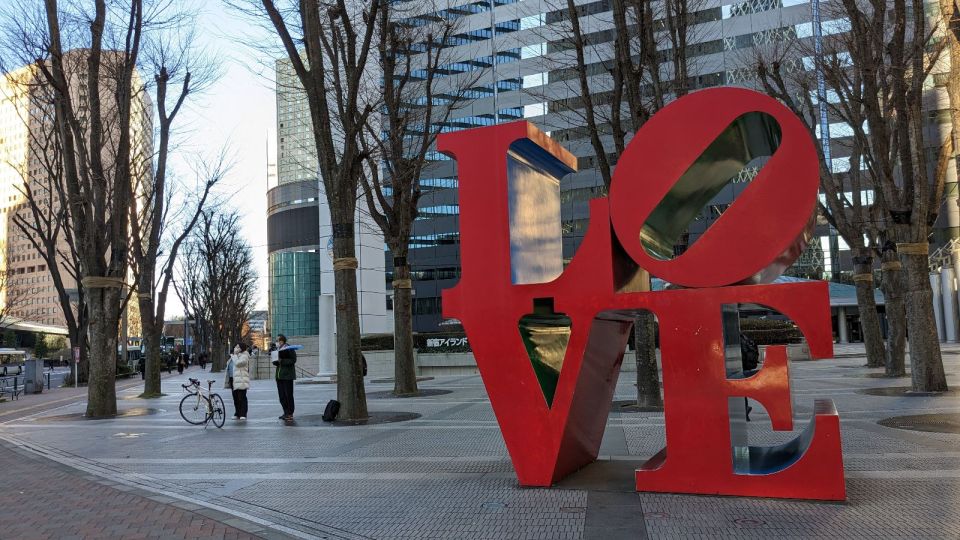
Your day begins at Nishi Shinjuku outside the Shinjuku i-Land, at the LOVE sculpture. It’s an easy spot once you know what you’re looking for, but it’s also strict about timing: if you’re late, you can’t hop on mid-tour.
From there, you’ll head toward the Mt. Fuji area by air-conditioned coach. Expect a lot of time spent traveling between stops, but the pace is still comfortable because you’re not doing logistics. The bus also gives you a guided rhythm—restrooms, stop announcements, and a plan that keeps the day from stretching into chaos.
This is the kind of tour that works well if you’re short on Japanese navigation time. You’re not trying to figure out bus transfers and train lines while keeping up with a multi-stop schedule.
You can also read our reviews of more tours and experiences in Tokyo.



Mt. Fuji 5th Station: What You Actually See When You Get There
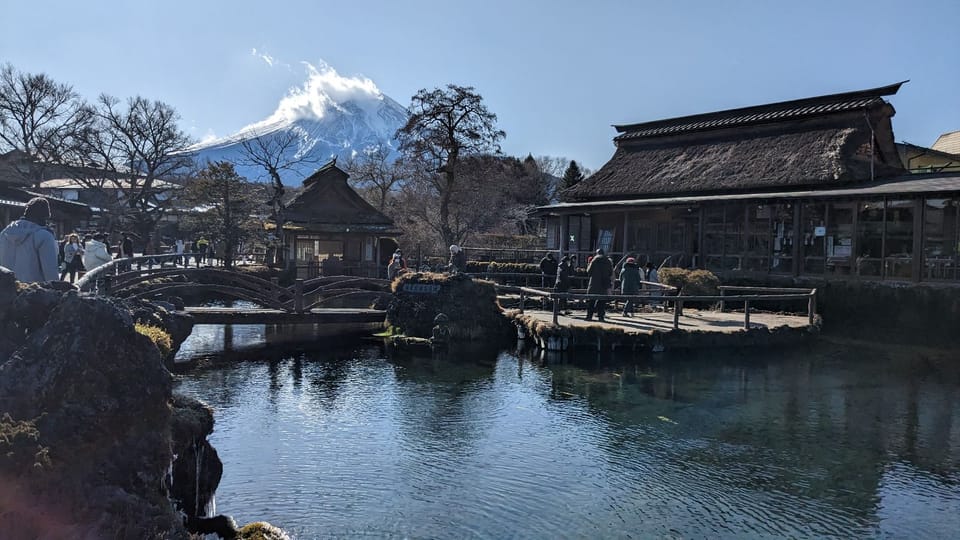
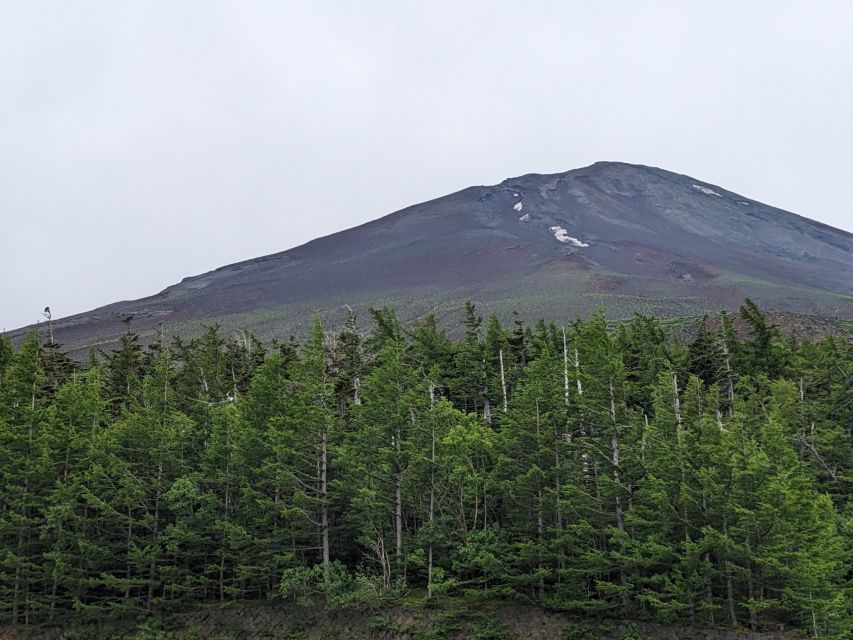
The core Mt. Fuji moment is Mt. Fuji 5th Station, listed at about 2,300 meters above sea level. This is the point where you feel like you’re finally close to the summit, even though you’re still far from it.
The guide will help you aim for the best possible view. Clouds can move quickly, so it’s smart to keep your eyes up and be ready to look the moment the sky clears. When visibility is good, you’ll have that classic “Fuji is right there” feeling that’s hard to recreate from lower viewpoints.
If reaching the 5th Station isn’t possible due to bad weather or an accident on the road, the tour doesn’t abandon the Fuji idea. Instead, the plan shifts to the highest point possible that day. That flexibility matters because Mt. Fuji days can turn on a dime.
At the 5th Station area, you’ll also find souvenir shopping and a chance to visit Komitake Shrine. For many people, that’s the moment the trip becomes more than a bus ride—because you’re at a real, working mountain stop with shops, small sights, and a different air temperature than Tokyo.
Lunch Break: Japanese Hot Pot Plus a Half Buffet
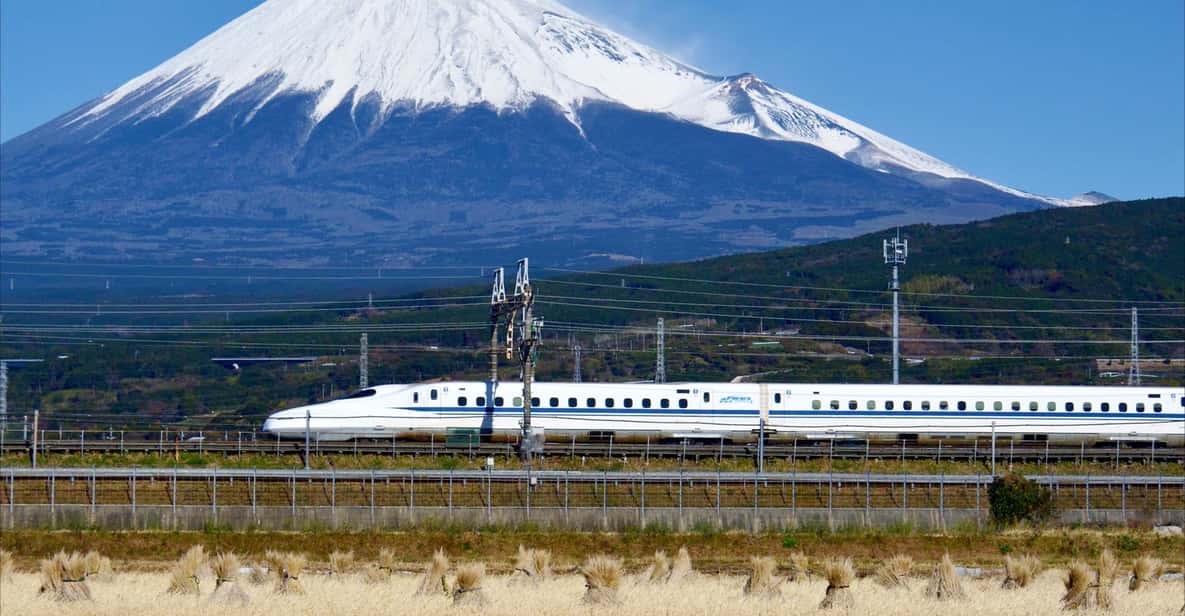
After the mountain segment, you’ll get a lunch break that’s scheduled for 45–60 minutes. The meal is Japanese-style and centers on a hot pot, plus a half buffet.
This is one of the better parts of organized day trips in Japan, because it cuts out the guesswork. You’re not hunting for a place that can handle a tour schedule. Instead, you know you’re getting a hot, filling meal when the day needs fuel.
Two practical notes:
- If you have food restrictions, tell the tour so the team can coordinate.
- Drinks aren’t included, so plan to buy water or another drink if you want it.
People tend to remember the lunch as a real highlight when they’re tired after mountain altitude and a long coach morning. It’s not fancy fine-dining, but it’s solid, warm, and very Japan.
Hakone Ropeway Over Owakudani’s Volcanic Steam
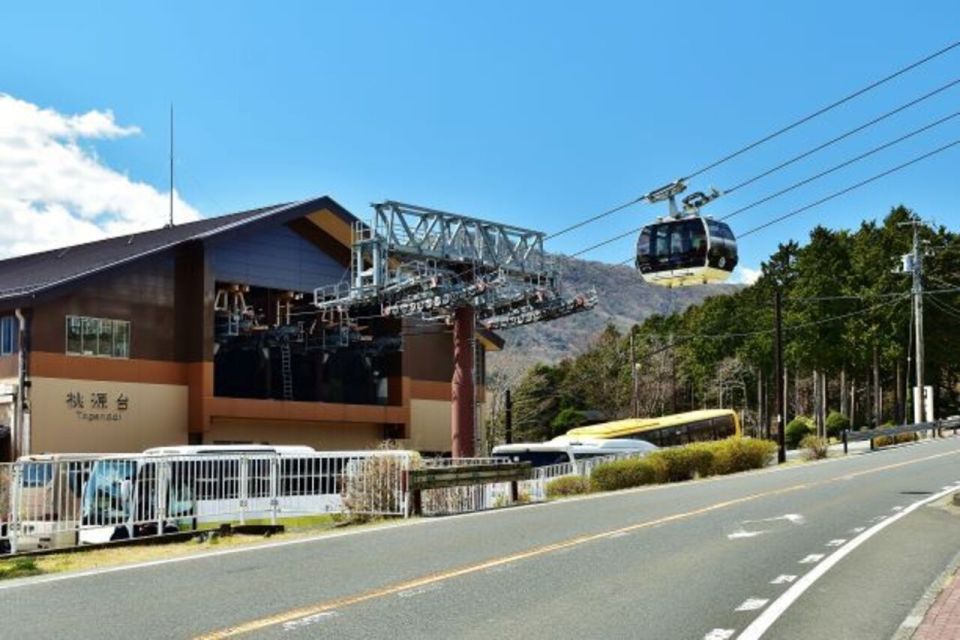
Hakone is where the day turns into something more tactile and unusual. You’ll ride the Hakone Ropeway (gondola) to the Owakudani volcanic area.
The selling point here isn’t just views. It’s the sensation of descending through a different layer of terrain—watching elevations change as the cable car carries you into the active zone. It also pairs well with the earlier Fuji segment: one minute you’re thinking about snow and sky, and the next you’re dealing with sulfur fumes and black-egg legend energy.
At Owakudani, you can buy memorable souvenirs, including the famous black eggs boiled in sulfuric water. The tour info is clear: the egg fee isn’t included, so treat it as a separate add-on you can choose to splurge on.
You’ll also feel how weather affects the experience. If humidity and fog are thick, volcanic views might be muted—but the steam and the setting can still feel dramatic, even on an average visibility day.
And if the Ropeway and Pirate Ship aren’t operating that day, the tour redirects to one of several alternatives listed by the operator. Those options include places like Komagatake Ropeway, Mt. Fuji Panoramic Ropeway, Mishima Skywalk, Narukawa Art Museum, Hakone Checkpoint, and Hakone Shrine, plus more. In other words: you won’t lose Hakone completely; the itinerary is designed to pivot.
Lake Ashi Cruise: Mt. Fuji Views and the Pirate Ship Detail
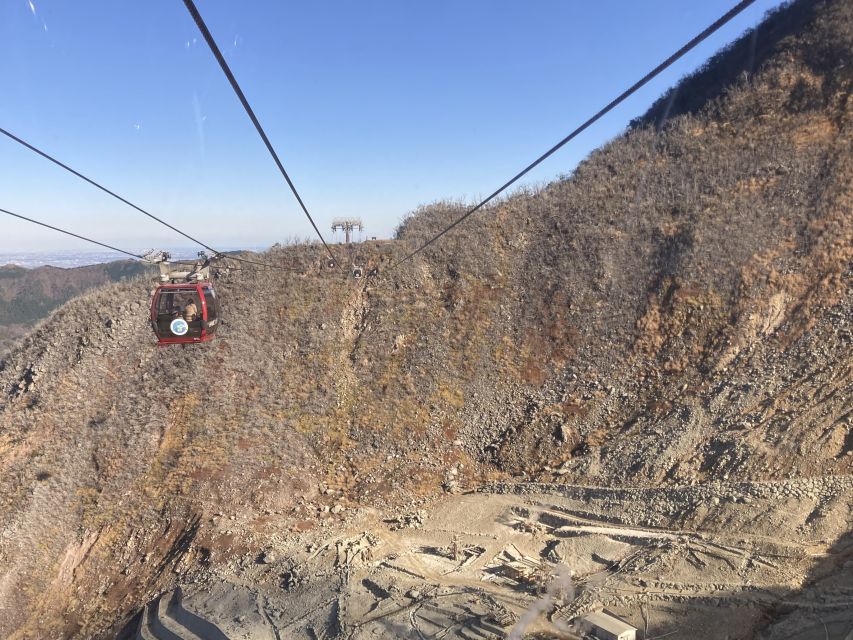
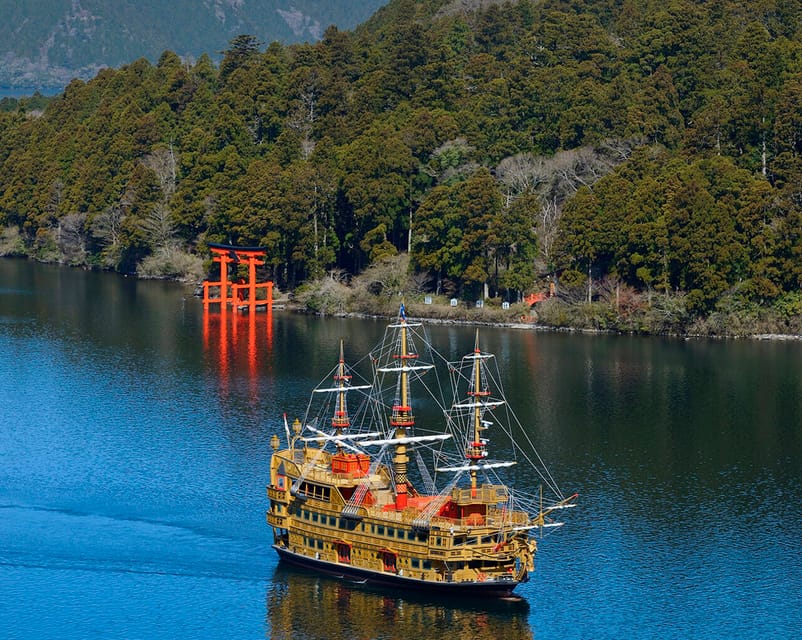
Next up is the Lake Ashi cruise, with a cruise ticket included. This is where the day slows down just enough to feel like you’re not only collecting stamps.
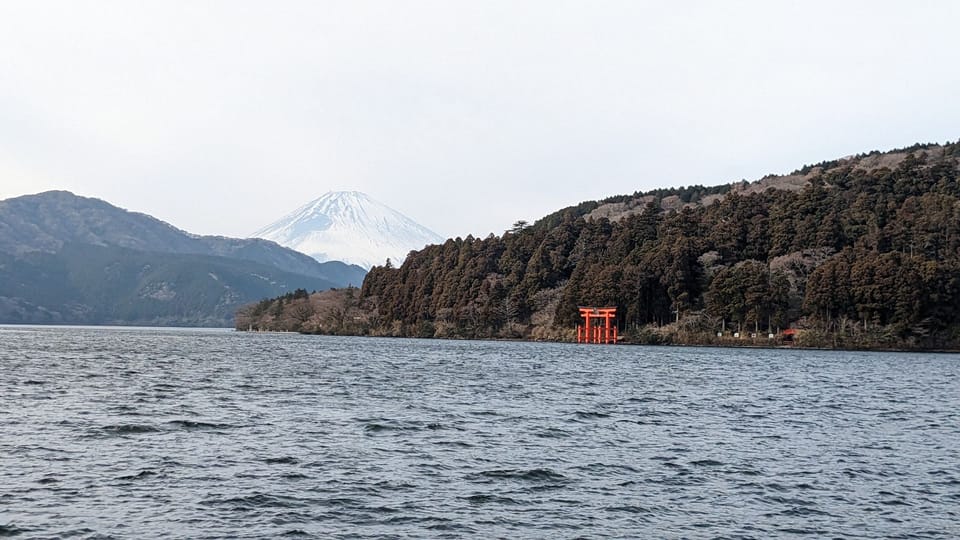
When it’s clear, Lake Ashi delivers that sweeping “Mt. Fuji reflected in the water” effect people come to Hakone for. When it’s not clear, you still get a calm, scenic ride with big mountain silhouettes and the feeling of being out on the water, away from traffic.
One small but memorable detail: the cruise is often associated with a Pirate Ship style experience. Even when you’ve seen photos before, the themed look makes the cruise feel playful, not just transportation. If you plan to buy snacks from the ship, it’s smart to do it soon after boarding, because some limited items can sell out quickly.
The cruise also works as a decompression moment before the ride back to Tokyo. If your day started with a climb, this part helps you land it gently.





Return to Tokyo by Shinkansen from Odawara: Fast, Practical, and Self-Directed
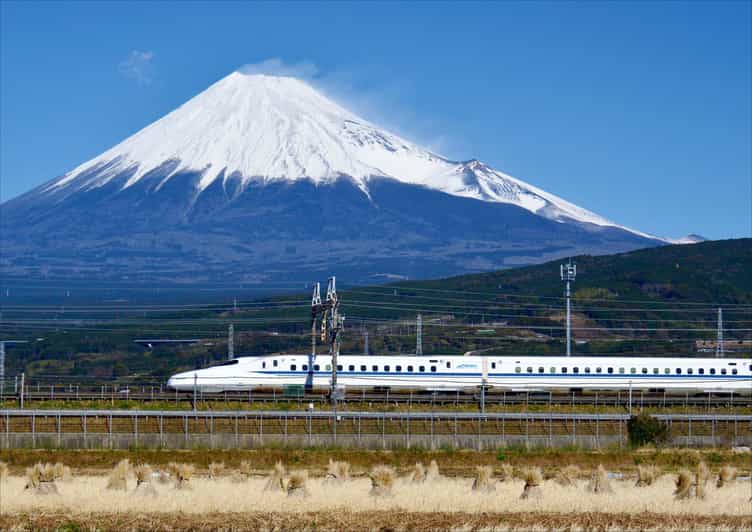
The finish is a Shinkansen return—from Odawara Station to Tokyo. The typical duration is about 34 minutes.
Here’s the key logistics detail: the bus timing affects which Shinkansen you take. Traffic on the drive to Odawara determines the train you’ll ride, and the schedule can shift.
You’ll be using a non-reserved seat ticket. That means you’re boarding coaches with open seating rather than a specific assigned seat. Once you’re at Odawara, you’ll follow the guide’s instructions and pick your coach.
Important: the guide will not ride the bullet train with you. Your tour ends at Odawara Station, and you return to Tokyo on your own.
You do get options for how you return once you land in the Tokyo area:
- There are two trains per hour from Odawara to Tokyo.
- You may get off at Shinagawa (one stop before Tokyo) and transfer to the Yamanote Line using the same Shinkansen ticket.
If you like a small tactical tip: some first-timers prefer watching how the first wave boards and then using a subsequent train if that’s how the schedule unfolds that day. It can help you avoid the busiest boarding rush.
Price and Value: What You’re Really Paying For at $117
At around $117 per person for an 11-hour day, this tour isn’t cheap in the way a local bus-only day trip might be. But it also isn’t just paying for views.
You’re buying a bundle:
- Air-conditioned bus transportation
- Hakone Ropeway ticket
- Lake Ashi cruise ticket
- A live guide
- Lunch if you select that option
- Shinkansen ticket for the return (non-reserved)
The “value” part is that the big travel costs are handled for you: getting out to Mt. Fuji, stitching the Hakone stops together, and then rushing back by Shinkansen without you figuring out station timing.
Two costs to remember:
- Drinks aren’t included.
- The day can include optional purchases like black eggs (not included).
When a tour bundles entry-like tickets (ropeway + cruise) plus the bullet train, you’re less likely to waste time trying to string everything together on your own. That time is usually worth more than the money difference.
Who This Tour Fits (and Who Might Want to Skip It)
This is a good match if:
- You want to see both Mt. Fuji and Hakone in one day from Tokyo.
- You’re okay with a structured schedule and short to medium stop times.
- You value a guide who helps you make sense of what you’re seeing without overloading you.
It’s not a good fit if:
- You’re pregnant (explicitly listed as not suitable).
- You have a strong discomfort with heights or enclosed cable rides. The ropeway segment is brief, but it can still feel intense for people who get nervous in elevated situations.
Wheelchair notes are also important. The operator states that sightseeing spots are wheelchair-accessible, but the standard tour buses are not equipped with wheelchair lifts or ramps. Folding wheelchairs can usually be stored in the luggage compartment, while electric wheelchairs may not fit due to size and weight limits. If that applies to you, you’ll want to confirm when booking.
Finally, the weather reality is part of the deal. If Fuji is hidden, the tour still runs, but the day becomes more about experiencing Hakone’s volcanic side and the best reachable mountain viewpoints rather than getting the summit postcard shot.
Tips That Make the Day Feel Smoother
Here are a few practical moves that align with what people remember most:
- Wear comfortable shoes. You’ll do walking at mountain stops and around stations.
- Bring a flexible mindset about photos. Fuji can appear and vanish as clouds race through the area, so be ready to shoot quickly when it’s visible.
- Plan your souvenir spending in advance. Souvenirs are part of the fun at the 5th Station and Owakudani, but optional items like black eggs cost extra.
- If you’re buying food on the themed cruise, grab what you want early since limited items can run out fast.
- Some guides add light entertainment and stories. Names like Ken and Yumi have been highlighted for a more playful teaching style, including things like a short Mount Fuji song moment on the bus. It can help pass the ride time without turning the day into a lecture.
If you’re the type who gets frustrated when plans shift, keep expectations grounded. The tour is designed to pivot when Mt. Fuji visibility changes and when Hakone transport has operational issues.
Should You Book This Mt. Fuji & Hakone Tour?
I’d book it if you want a first-time friendly combo day that includes the big-ticket transport pieces: Mt. Fuji access high enough to feel special, Hakone’s volcanic contrast, a Lake Ashi cruise, and a Shinkansen return you don’t have to plan.
I’d skip it if your top priority is a guaranteed, clear summit view. Mt. Fuji visibility depends heavily on weather, and the tour can’t control that. In bad conditions, you’ll still get a great day out of Hakone and the highest reachable Fuji point, but it won’t be the exact postcard shot you hoped for.
If you do book, I’d go in with one goal: catch the mountain when it shows up, then enjoy the science-and-surprise feeling of Owakudani and the calm reset of the Lake Ashi cruise. It’s a full day, but it’s built to feel like progress, not just transport.
FAQ
Where do I meet the guide?
Meet at the Nishi Shinjuku LOVE sculpture outside the Shinjuku i-Land building.
How long is the tour?
The total duration is 11 hours.
What is the Mt. Fuji stop on this tour?
The tour focuses on Mt. Fuji 5th Station (about 2,300 m above sea level), with a backup plan to visit the highest point possible if 5th Station can’t be reached.
Is Mt. Fuji guaranteed to be visible?
No. Depending on conditions like heavy rain, fog, or high humidity, Mt. Fuji may not be visible.
What’s included in the Hakone part?
You get a Hakone Ropeway (gondola) ticket and a Lake Ashi cruise ticket.
What happens if the Hakone Ropeway and Pirate Ship aren’t operating?
The tour will redirect to one of the alternative destinations listed by the operator, such as Komagatake Ropeway, Lake Ashi Cruise, Mt. Fuji Panoramic Ropeway, Mishima Skywalk, Narukawa Art Museum, Hakone Checkpoint, or Hakone Shrine.
Is lunch included?
Lunch is included only if you select the lunch option. The tour schedule allows 45–60 minutes for lunch.
Are drinks included with lunch?
Drinks are not included.
How do you return to Tokyo?
You return by Shinkansen from Odawara Station. The ticket is for non-reserved seating, and the tour guide will not ride the train with you.
Can I return by bus instead of Shinkansen?
Yes. If you do not need a Shinkansen ticket (for example, if you already have an active JR Pass), or if you prefer a slower bus return, there is a bus-return option with the same tour contents except the return method.