REVIEW · TOKYO
Tokyo: Samurai Ninja Museum Guided tour and Experience
Book on GetYourGuide →Operated by GLOBA Inc. · Bookable on GetYourGuide
One great hour in Tokyo: samurai, ninja, and hands-on fun. This guided visit pairs real armour and weapons with interactive moments like shuriken throwing and dressing up as a samurai. I especially like the way the guide keeps the pace fun, even for kids, and I love seeing the suits of armour up close. One thing to consider: groups can run larger than the small capped size you might expect on some booking platforms.
If you want a short, memorable culture stop, this is an easy pick. You’ll get a guided tour in English, see exhibits on both samurai and ninja, and then finish with practice throwing ninja stars plus a dress-up session with a helmet and a metal sword. I’d just note that it’s a one-location museum experience, so if you’re chasing big-city sightseeing, you’ll still need a separate plan for Tokyo beyond this.
In This Review
- Key Highlights You’ll Want to Prioritize
- Inside the Samurai Ninja Museum: What You’re Really Seeing
- The Guided Tour That Keeps the Pace Right (And Why It Matters)
- Armour, Helmets, and Swords: Your Most Photo-Worthy Stops
- How the Samurai and Ninja Story Gets Explained (Without Getting Dry)
- Ninja Star Throwing: The Hands-On Finale
- Samurai Dress-Up: Helmet, Metal Sword, and Making It Fun
- Value for Money: Is $27 a Good Deal?
- Timing and Getting There: How to Slot This Into Your Day
- Who This Tour Suits Best
- Should You Book This Samurai Ninja Guided Tour?
- FAQ
- FAQ
- What’s included in the Samurai Ninja Museum guided experience
- Is the tour available in English
- How long is the tour
- Can I throw ninja stars during the visit
- Can I dress up as a samurai
- What kind of exhibits will I see
- Is the group size limited
- What’s the price
- What’s the cancellation policy
Key Highlights You’ll Want to Prioritize
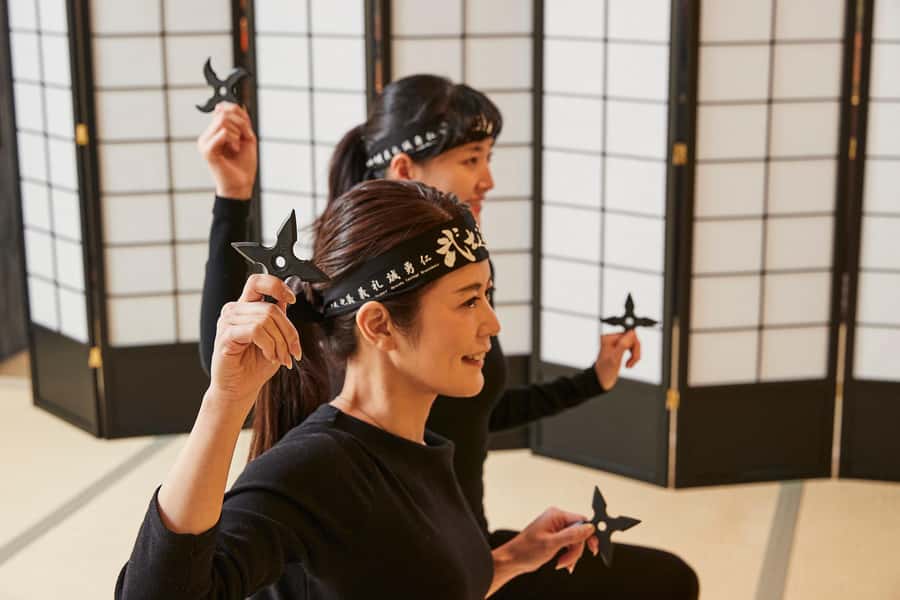
- Shuriken throwing practice with a real skill moment, not just a posed photo
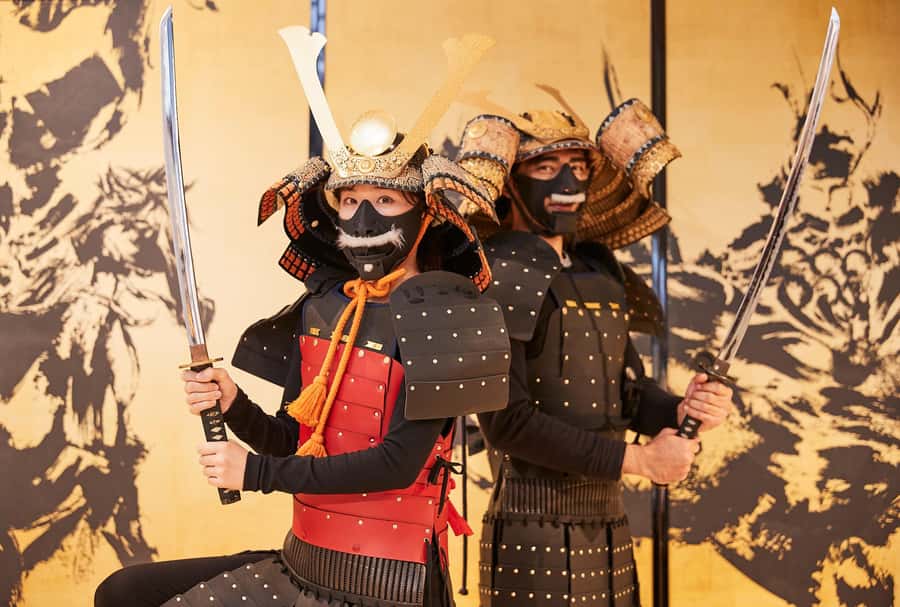
- Samurai dress-up including a helmet and holding a metal samurai sword
- English-guided museum tour built around explanations you can actually follow
- Armour, helmets, and swords you can look at closely instead of just reading about
- A guide-led mix of facts and stories including myths that get clarified during the tour
- Family-friendly pacing that still works for teens and adults
Inside the Samurai Ninja Museum: What You’re Really Seeing
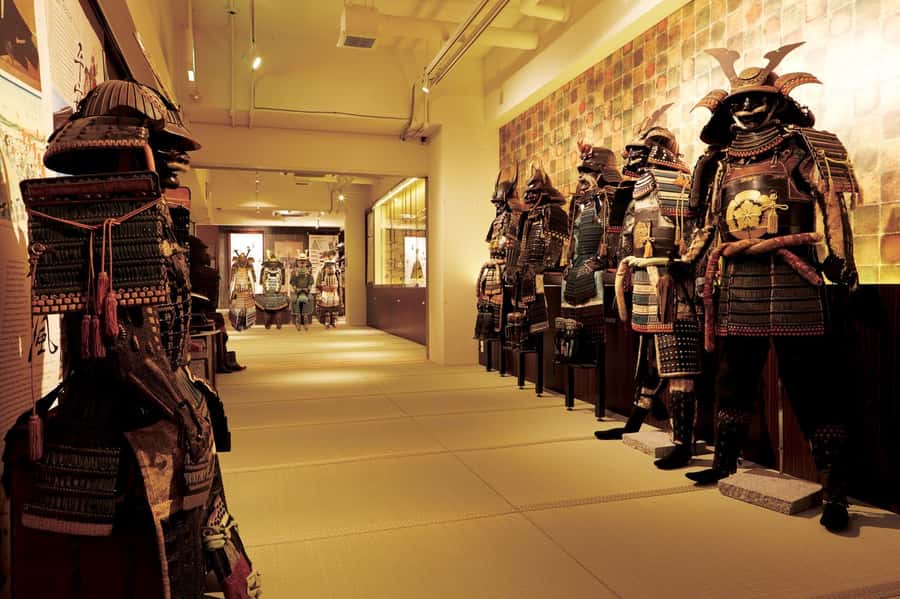
The museum is built for learning by looking. The main draw is getting face-to-face with the physical side of samurai history: armour, helmets, and swords you can actually examine. Instead of treating samurai as a vague movie idea, the exhibits make it easier to understand how gear, roles, and status all connect.
Ninja topics get handled in the same practical way. You’re not just staring at costumes. You get context for their role in Japanese history and how they’re remembered in popular culture. This matters because ninja stories online can blur together. Here, you’re guided toward what’s presented as the historical side and what’s more myth-and-story.
I also like that the tour doesn’t try to turn everything into a lecture. It keeps shifting between “look at this” and “here’s what it means,” which is exactly what you want when you’re short on time in Tokyo.
You can also read our reviews of more guided tours in Tokyo



The Guided Tour That Keeps the Pace Right (And Why It Matters)
Most people don’t go to museums for an all-day slog. This one is designed to fit into a busy day, and the structure reflects that. Several guides are mentioned with real personality—names like Nami, Ken, Megan, Kenny, and Shin come up—so you can expect an English tour that leans on engagement, not just facts.
From the way the tour is described, it runs about one hour and hits a “not too short, not too long” sweet spot. That timing is helpful in Tokyo, where your day can get packed fast and where getting stuck in a long indoor block can throw off your schedule.
The biggest value of a guided museum tour here is the flow. You don’t have to guess what to read first or which items matter most. Your guide points out key pieces, connects exhibits to the bigger samurai-and-ninja story, and keeps the group moving so you get a full experience instead of wandering.
Armour, Helmets, and Swords: Your Most Photo-Worthy Stops
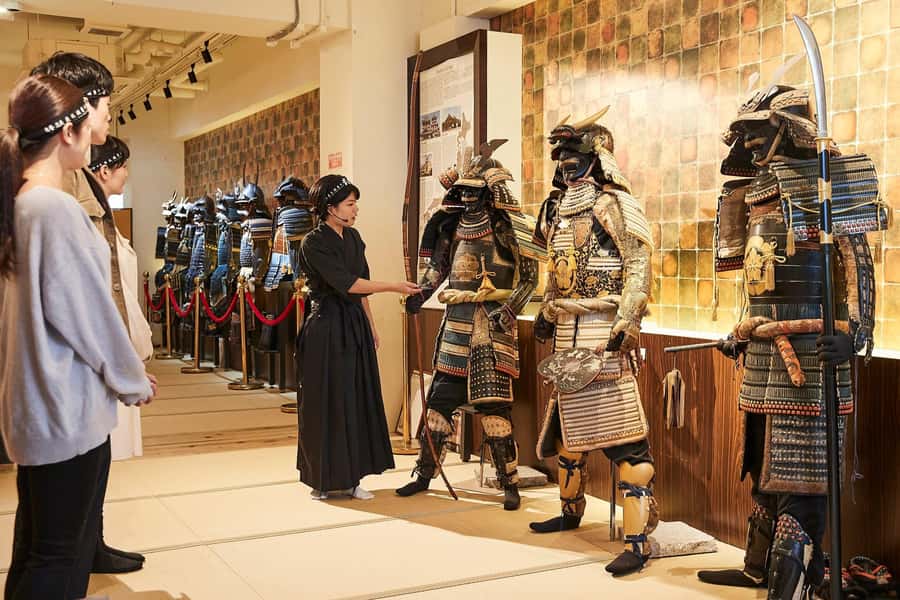
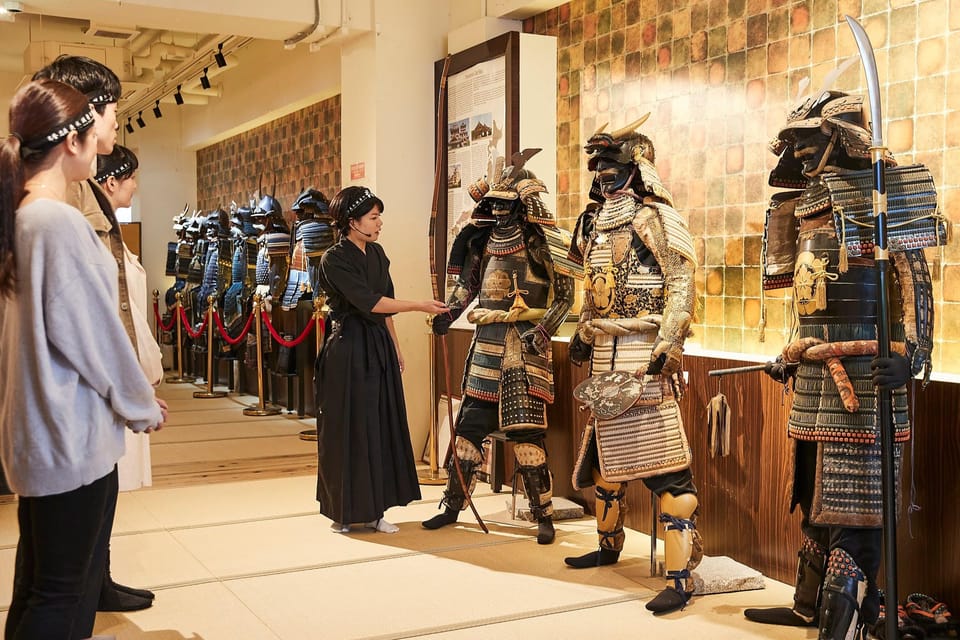
If you like history with visuals, this is where you’ll spend your time. The exhibits focus on the kind of equipment that instantly communicates rank, purpose, and craftsmanship. Samurai armour and helmets are the headliners, with swords featured as part of the broader picture of what samurai life required.
When you’re looking at these items in person, you start noticing details that don’t translate well in photos. The shape of armour pieces, the design of helmets, and the general “system” of gear become easier to understand when you can see them from different angles.
Practical tip: don’t rush through the first armour display. This museum works best if you slow down for one section, then let the guide pull you along to the next. You’ll end up remembering more, and your photos will look better because you’ll have time to frame them properly.
How the Samurai and Ninja Story Gets Explained (Without Getting Dry)
The tour’s goal isn’t just to show costumes. It’s to explain roles—what samurai were known for, what ninjas were associated with, and how Japanese history shaped the way both groups are remembered.
One review mentions that myths get busted during the tour, which tracks with the overall setup: you get facts and then corrections to the common “movie version” of events. That’s a big deal for first-timers, because most people in Tokyo have some preloaded ideas from films and TV. A good guide helps you separate what’s presented as tradition from what’s more fiction.
This also makes the experience stronger for kids and teens. Younger visitors usually don’t want a heavy lecture, but they do want stories. The best part is that the information is wrapped into the explanation style—fun, clear, and structured.
Ninja Star Throwing: The Hands-On Finale
This is the part people talk about the most because it’s active. You practice throwing ninja stars (shuriken) as part of the experience, and it’s built to be a real activity, not just a quick demo.
There are two practical advantages to doing this:
- You get a skill moment you can repeat and improve a little during the session.
- It creates a natural “ending” to your visit, which helps your photos and memories feel complete.
Also, there’s a satisfying competitive edge. One participant mentioned a throwing contest setup where if you win, you can keep the star. Even if you don’t win, the chance to aim, throw, and get a result is what makes this experience feel worth the time.
Photo tip: hold your phone steady and shoot a short burst during throws. This is fast action, and you’ll get better keepers that way.
You can also read our reviews of more museum experiences in Tokyo




Samurai Dress-Up: Helmet, Metal Sword, and Making It Fun
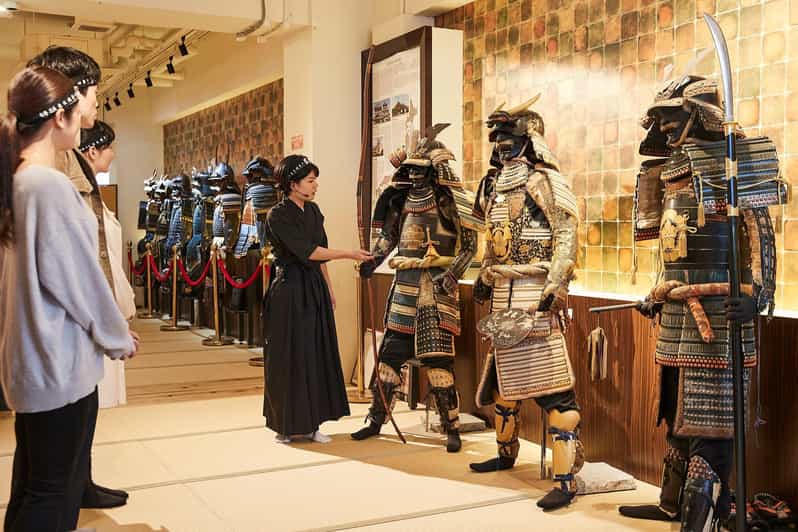
Dressing up is a major part of the experience. You can wear a real samurai helmet, get styled in samurai gear, and hold a metal samurai sword for photos.
This matters beyond cuteness. It gives your brain a physical reference point. When you’re wearing something that looks and feels like real armour, the tour explanations land better. It’s easier to remember what the gear is supposed to do when you’re literally holding or wearing a version of it.
One more useful note: the dress-up and prop handling are included in the experience package, so you don’t need to worry about buying extra add-ons. If you’re traveling with kids or teens, this is often the moment they’ll remember most clearly when the rest of Tokyo blurs into a single busy week.
Value for Money: Is $27 a Good Deal?
At $27 per person, this tour is priced like a short attraction with built-in activities, not just a quiet museum ticket. The value comes from the mix:
- a guided English tour (so you’re not paying just to read plaques),
- interactive shuriken throwing,
- and samurai dress-up with helmet and a metal sword.
For a one-hour-ish experience, that combination is what makes the price feel fair. You’re paying for guidance plus hands-on time, and those are the things that keep you from thinking you “just went to a room with displays.”
One consideration on value: the group size can vary. There’s a note about reservations—maximum 15 people on GetYourGuide, but other booking sites may have more participants—so if you’re sensitive to crowd noise or want lots of one-on-one time with a guide, you may want to choose a smaller group time slot if available.
Timing and Getting There: How to Slot This Into Your Day
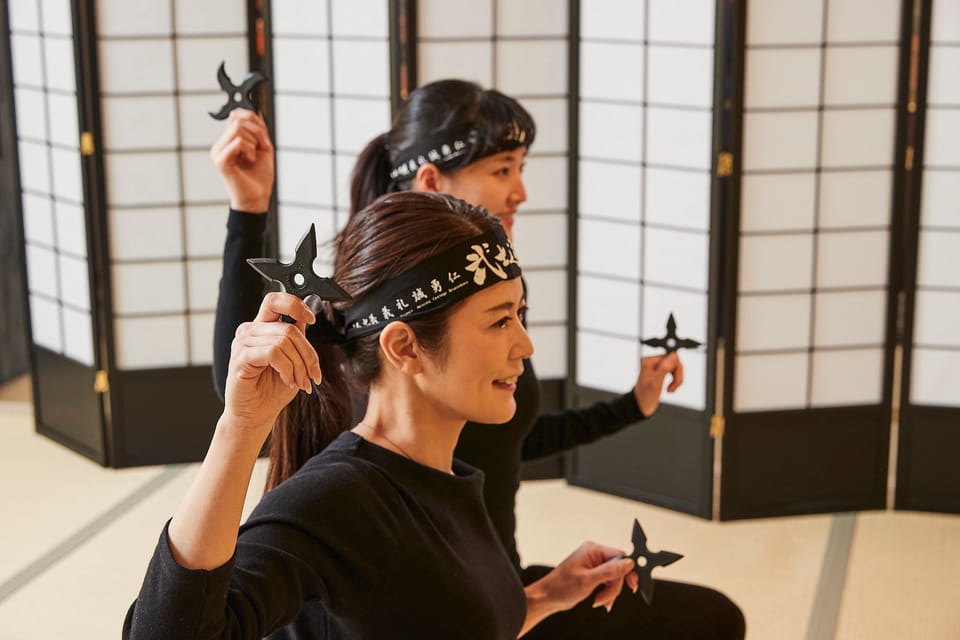
This is best treated like a scheduled stop, not something you “fit in later when you have time.” Because it’s structured around a guided tour with interactive components, you’ll have a smoother experience if you arrive with enough buffer to settle in and use the facilities before the tour begins.
The location is mentioned as being in a shopping area and easy to access by train or taxi. That’s helpful: you can pair it with nearby browsing, snack stops, and other short sights without losing half your day to transport.
A good strategy: plan your “indoor, guided” block first (or mid-day), then build the rest of the day around what’s outside. Tokyo changes by the hour, and this museum works well when you still have energy to walk and explore afterward.
Who This Tour Suits Best
This experience is a strong match for:
- families with kids who want hands-on fun plus a real explanation,
- teens who might roll their eyes at long lectures but will focus during throwing and dress-up,
- history fans who want a quick sampler of samurai and ninja culture without committing to a full-day research plan,
- couples looking for something memorable that doesn’t require advanced planning.
If you’re the type who only wants major monuments, this may feel small. But if you want an efficient cultural hit with fun activities, it’s the right size.
Should You Book This Samurai Ninja Guided Tour?
Yes, if you want a short guided museum experience in English that includes both shuriken throwing and samurai dress-up. The best reason to book is the combination of guided explanations (with clear, friendly energy from named guides like Nami, Ken, Megan, Kenny, and Shin) and the hands-on finale that makes the experience feel complete.
Skip it only if you’re looking for a deep, multi-museum Tokyo history itinerary, or if you strongly prefer quiet self-guided galleries. Otherwise, for the time and price, it’s one of those practical “do it and feel like you got something” stops.
FAQ
FAQ
What’s included in the Samurai Ninja Museum guided experience
The package includes an entry ticket, a guided tour with an English-speaking guide, ninja star (shuriken) throwing experience, and a samurai experience that includes dress up, wearing a real samurai helmet, and holding a metal samurai sword.
Is the tour available in English
Yes. The guided tour is listed as English.
How long is the tour
One of the tour descriptions mentions it runs about an hour long, which suggests it’s designed as a short activity.
Can I throw ninja stars during the visit
Yes. There is a ninja star throwing experience included as part of the tour.
Can I dress up as a samurai
Yes. You can dress up like a samurai, wear a real samurai helmet, and hold a metal samurai sword.
What kind of exhibits will I see
You’ll see museum exhibits focused on the history of samurai and ninjas, including samurai armour, helmets, and swords.
Is the group size limited
There is a note that maximum 15 people can be reserved from GetYourGuide, but other booking sites may have more participants in the experience.
What’s the price
The price is listed as $27 per person.
What’s the cancellation policy
You can cancel up to 24 hours in advance for a full refund.