REVIEW · TOKYO
Mount fuji and Hakone Full day private sightseeing tour
Book on Viator →Operated by Tokyo Top Travel · Bookable on Viator
Fuji from multiple angles, in one long day. You get a private setup out of Tokyo with pickup and a driver, which means you lose less time to transfers and more time to looking out the window. I particularly like the flexibility that comes with a private day, especially when crowds and weather change your plans.
I also really like the way this route stacks big-feeling moments back-to-back: Hakone Ropeway-style views, a Lake Ashi experience, and the sulfur drama at Owakudani. Hakone Ropeway and Lake Ashi are the kind of sights that turn a day trip into the main event.
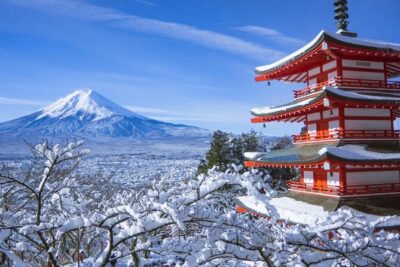
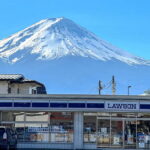
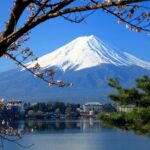
One thing to plan for: Mt Fuji can be shy. If clouds roll in, you may still enjoy the sights, but the “perfect peak” view is weather-dependent, and the day runs long—meals and entry fees are extra.
In This Review
- Key things that make this tour click
- Why this private Fuji-Hakone day works from Tokyo
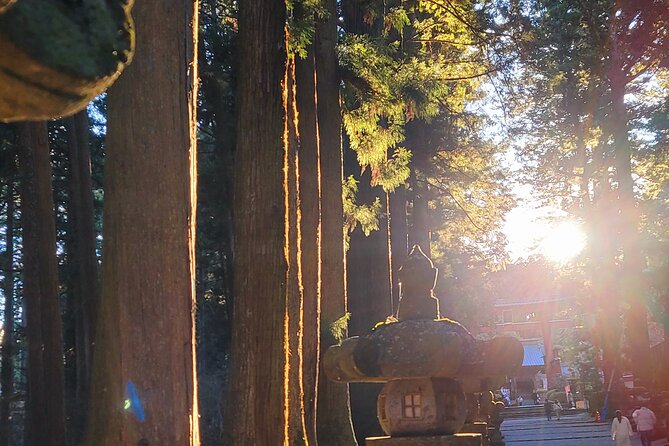
- The morning shrine start: Kitaguchi Hongu Fuji Sengen Jinja
- Oshino Hakkai springs: koi ponds and Fuji in the background
- Saiko Iyashi no Sato Nemba: thatched roofs and optional kimono
- Hakone Jinja and its orange floating torii
- Owakudani: the sulfur valley and the black eggs
- Lake Ashinoko (and the pirate-boat feel) for Fuji angles
- Togendai Station and the cable car view
- Hakone Open-Air Museum: sculptures and a hot-spring setting
- Odawara Castle: a steady finish with tower views
- What you pay for: the $380 private value (up to 5)
- How to maximize your odds of seeing Mt Fuji
- The private guide experience: why names like Ali or Asif matter
- Should you book this Mt Fuji and Hakone private day trip?
- FAQ
- How long is the Mt Fuji and Hakone private sightseeing tour?
- What is the group size for this private tour?
- Is pickup included, and is there mobile ticketing?
- What does the tour include, and what costs are extra?
- Which major stops are part of the day?
- What happens if weather affects Mt Fuji visibility?
Key things that make this tour click
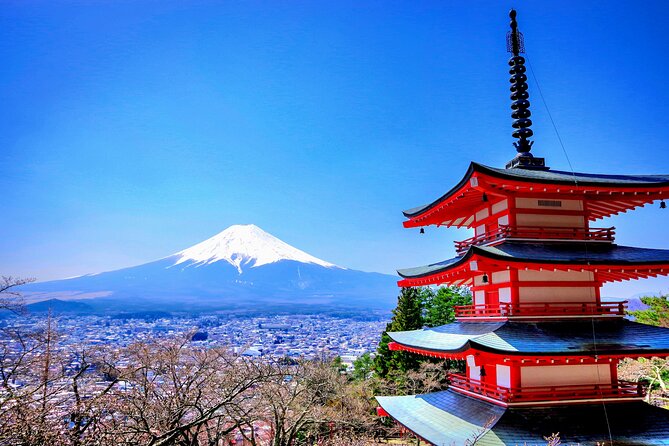
- Private driver + pickup: fewer logistics headaches than trains and buses.
- Hakone volcano time at Owakudani: sulfur vents and the famous black eggs.
- Lake Ashi and Lake Ashinoko viewpoints: boat rides designed for Fuji angles.
- Old-meets-now stops: shrines, springs at Oshino Hakkai, and a thatched-village feel.
- Guide-led crowd strategy: you can often reorder stops for better timing.
- A full “Mt Fuji region” sampler: from shrine woods to Odawara Castle tower views.
Why this private Fuji-Hakone day works from Tokyo
A day like this lives or dies on timing. With a private car, you avoid the commuter shuffle and the constant “what platform is it?” moments. The tour runs about 10 hours, and you’ll typically spend roughly 1.5–2 hours each way in transit—so it’s smart to make the time count once you’re on the road.
This itinerary is also built like a best-of sampler of the Mt Fuji-Hakone zone. You’re not only chasing one view of the mountain. You’re collecting different perspectives: shrine woods near Fuji’s northern base, spring ponds at Oshino, lake views in Hakone, and then a castle/tower finish in Odawara.
And since it’s private (just your group), you can adapt if you’re chasing a specific style—more photos, more walking, or fewer line bottlenecks. Some guides in this setup are known for being proactive about crowds and timing, including suggestions to start earlier on jam-packed sunny days.
You can also read our reviews of more private tours in Tokyo

The morning shrine start: Kitaguchi Hongu Fuji Sengen Jinja
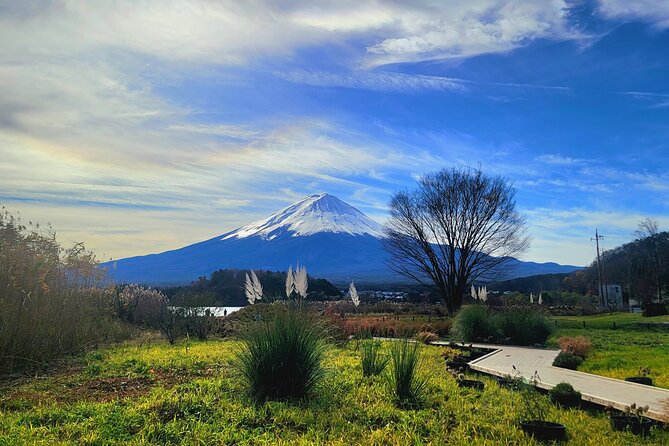
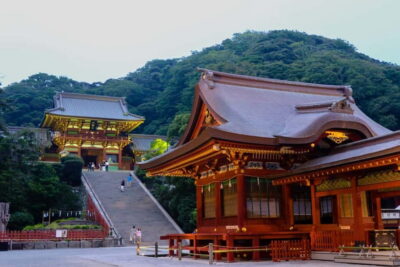
The day opens at Kitaguchi Hongu Fuji Sengen Jinja (about 1 hour, admission free). It sits on the north side base of Mount Fuji, and the setting matters: cedar and pine forest tones, with an old cypress tree that’s said to be about 1,000 years old.
Why it’s a good first stop: you’re starting before the day gets loud. Shrines also give you a calm “you’re actually here” feeling—less rush, more atmosphere—before you hit lakes and viewpoints.
Practical note: even though the admission is free, you’ll still want comfortable shoes. This place is not a museum floor; it’s a walking, path-and-stairs kind of stop.
Oshino Hakkai springs: koi ponds and Fuji in the background
Next is Oshino Hakkai (about 1 hour, admission free). This is a village built around eight natural spring ponds, known for koi and an easy stroll between water basins. It’s also the kind of place where you’ll find souvenir shops and traditional food-stall vibes, with Mt Fuji often playing the role of background scenery.
What I like about this stop for a first-time visitor: it’s a different texture from Hakone. Hakone leans volcanic and lake-forward; Oshino is springs and village lanes with those Fuji views.
Watch-outs: it can feel tourist-heavy, simply because it’s designed for walking and photographing. Your best strategy is to keep moving and avoid lingering at the most obvious photo angles unless the line is manageable.
Saiko Iyashi no Sato Nemba: thatched roofs and optional kimono
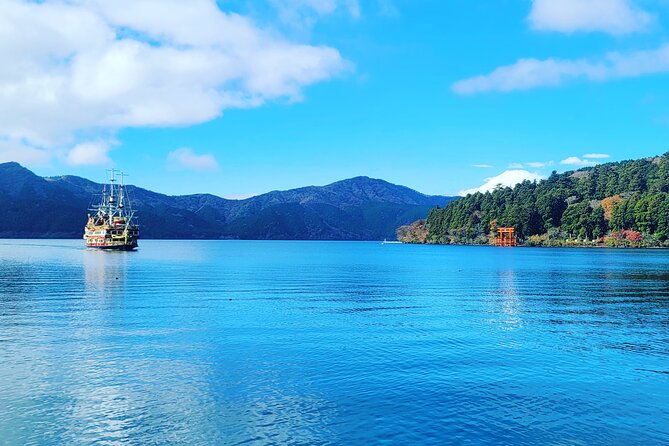
Then you head to Saiko Iyashi no Sato Nemba (about 1 hour, admission not included). This traditional village sits in the Lake Saiko area and is built around old thatched-roof houses and food stalls.
One nice touch here: there’s an option to do a kimono experience. If your group wants something hands-on instead of only views, this is usually the best moment in the day to do it.
Consideration: since admission is not included, budget extra if you want to try the kimono. Also, expect some walking and uneven surfaces depending on how the site is laid out that day.
Hakone Jinja and its orange floating torii
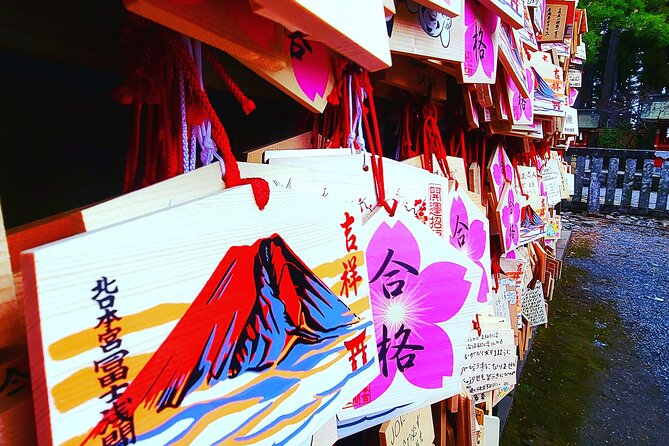
You’ll stop at Hakone Jinja (about 30 minutes, admission free). The standout is the orange torii gate sitting on the water—often called a love bird torii style in descriptions—so you get that classic “religion meets scenic lake” scene.
This is a short stop on purpose. It works because you get the photo moment without losing a huge chunk of your day.
Tip: if your group is photo-focused, this is a good stop to assign one person to keep watch on timing. The longer you linger, the less time you have for Owakudani or the boat/lake views.
You can also read our reviews of more tours and experiences in Tokyo

Owakudani: the sulfur valley and the black eggs
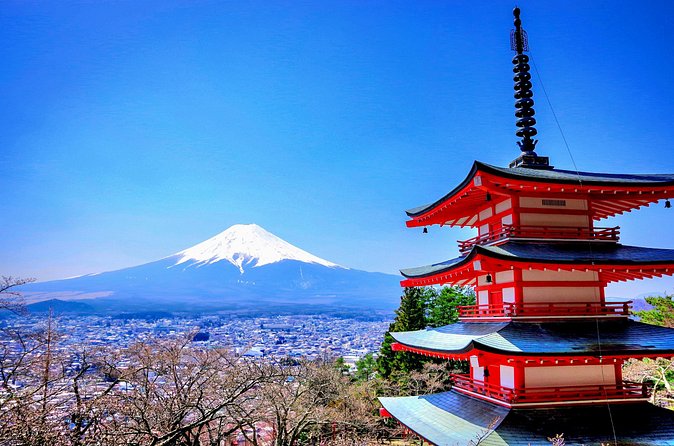
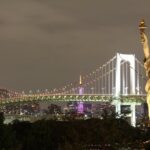
Owakudani Kurotamago Kan is the day’s most dramatic geology stop (about 1 hour, admission free). The area is tied to Hakone’s volcanic activity, with sulfur fumes and volcanic vents. The big visual theme is the black eggs associated with this zone.
Why this stop is worth the time: this is one of those places where you can feel the power of the region without needing a lecture. It’s raw, active-feeling, and it’s easy to understand even if you’re not a science buff.
What to know: it’s a vent-and-fume kind of place. You’ll want to keep your expectations practical: strong smells are part of the experience, and you’ll likely be standing/walking in a busy area. If you’re sensitive to smells, plan accordingly.
Lake Ashinoko (and the pirate-boat feel) for Fuji angles
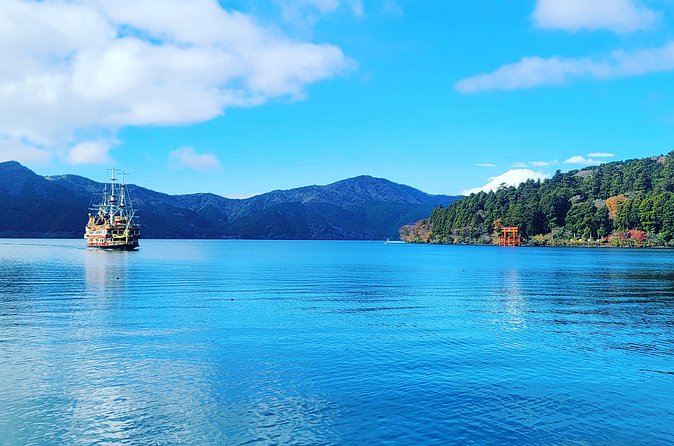
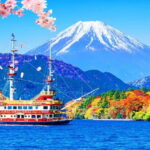
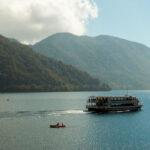
After the volcano, you shift to calmer water at Lake Ashinoko (about 1 hour, admission free). This is where you get the chance for a boat ride experience, commonly described as a pirate boat style on the lake, and it’s timed around getting views of Mt Fuji.
This is also where weather matters most. If Fuji is visible, you’ll feel it. If not, you’ll still get a nice lake break—often with clouds making the scene moodier instead of flat.
Practical consideration: boat rides can be a highlight, but they also depend on what the lake operators are running that day and how the schedule lands. Having a private guide helps because they can keep your day aligned even when timing shifts.
Togendai Station and the cable car view
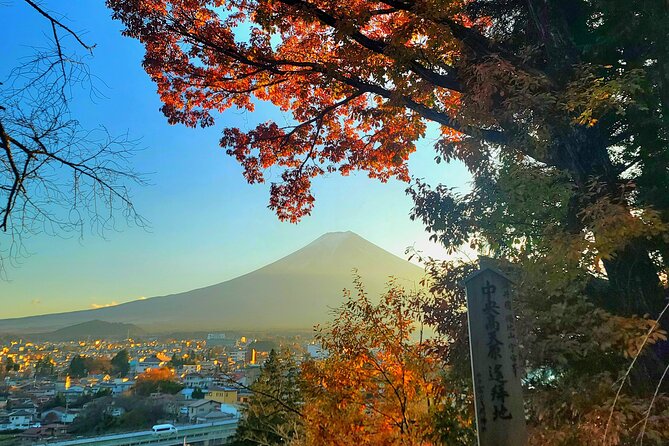
Next up is Togendai Station General Information Center (about 30 minutes, admission not included). The plan includes a cable car ride from the lakeside for views toward Fuji.
This stop often works like a “connector.” You’re moving from one viewpoint zone to another, and the cable car adds a bit of variety without eating your whole afternoon.
Budget note: since admission is not included here, keep some yen aside for the ride.
Hakone Open-Air Museum: sculptures and a hot-spring setting
Then you head to The Hakone Open-Air Museum (about 1 hour, admission not included). This is an outdoor sculpture park plus some indoor exhibits, with a natural hot-spring element tied into the experience.
Why it’s a good mid/late-day choice: it’s slower-paced than the volcano and often gives you a chance to cool off mentally. If your group enjoys art or simply wants a break from constant “look at that” sightseeing, this is usually the stop that makes the whole day feel balanced.
Consideration: since it’s not included, the museum cost can be a deal-breaker if you were hoping for a mostly included day. If your group loves sculptures, it’s worth adding. If not, ask your guide if timing adjustments are possible.
Odawara Castle: a steady finish with tower views
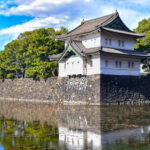
The final major stop is Odawara Castle (about 1 hour, admission free). It’s described as a small, sturdy castle with exhibits and tower views.
This makes sense as a wrap-up. After a day of lakes and vents, a castle gives you a last look over the area, plus a chance to slow down for an hour without high-pressure photo timing.
If your group energy is dropping, this stop also tends to be forgiving. You can browse at your own pace and still get those tower viewpoints.
What you pay for: the $380 private value (up to 5)
At $380 per group (up to 5), the math is where this tour either shines or feels expensive. If you fill the car with 5 people, you’re effectively paying about $76 per person for a private day with pickup and an English-speaking guide. That’s a strong value for a full, long route across multiple towns.
If you travel as a smaller group, the per-person cost jumps fast. Two people paying full price is about $190 per person. In that case, it’s only a win if you’ll use the private advantage: comfort in traffic, a guide who can help you re-time stops, and less time spent figuring out routes.
What’s included vs extra matters here:
- Included: pickup offered, bottled water provided, English-speaking guide support, mobile ticket.
- Extra: meals and entry fees (some stops are admission free, others are not included).
So I’d frame this as a “buy back your time” tour. You’re paying to remove friction, shorten decision-making, and get a coherent day plan across distant sights.
How to maximize your odds of seeing Mt Fuji
This is the part you can control, even if weather isn’t fully yours.
First: accept that Mt Fuji visibility is not guaranteed. In sunny weather, crowds build fast. Some guides associated with this kind of itinerary are known for crowd-sensing moves, like suggesting a very early departure (even as early as 7:00 am) when conditions look like a peak-view day. That’s not a small trick. Early timing can mean shorter lines and better angles.
Second: be ready to swap your order if the sky behaves. Because this is private, it’s not always “go in order no matter what.” If the best Fuji view is available at one stop window, your guide can often steer you there and then slot the rest.
Third: don’t treat every stop as a “must-see mountain.” Enjoy the region even when the peak is hidden. Shrine woods, spring ponds, and volcanic vents still give you a Japan day, just with different mood lighting.
Finally: if someone in your group is sensitive to strong smells, Owakudani can be the tough one. Plan for that and you’ll get through the most intense stop without the day feeling rough.
The private guide experience: why names like Ali or Asif matter
A huge theme in this kind of private tour is the difference between being transported and being hosted.
Guides/drivers connected with this route—names like Ali, Hassan, Mukarram, Asif, and Rana show up in documented experiences—tend to emphasize safe, efficient driving through Tokyo traffic and clear communication in English. More importantly, they’re not only steering the car; they’re helping you get the day flow right: timing, photo spots, and pacing.
You’ll also notice a common pattern: when someone has a specific goal—like avoiding crowds, seeing Fuji from multiple angles, or fitting in extra viewpoints—this private format is what makes it possible.
One fair caution: driving comfort can vary by driver. If your group has motion sickness or strong preferences for calm driving, say so early. The day is long enough that stress isn’t worth carrying.
And yes, like any tourism service, the worst stories are rare but real: there has been at least one instance of a missed pickup and a breakdown in communication. Your best protection is to keep your contact phone active and confirm your pickup point clearly the night before.
Should you book this Mt Fuji and Hakone private day trip?
If you want a single, efficient day that hits Hakone’s volcanic side and Mt Fuji region highlights, this tour is a strong choice. It’s especially good for:
- Families or small groups who want less train time and more sightseeing time
- First-timers who want a structured route with a guide
- Photo-minded travelers who care about timing and angles
- People who like “variety in one day”: shrine woods, spring ponds, lakes, sulfur valley, and a castle
Don’t book it if:
- Your group can’t handle long travel days (it’s a full-day commitment)
- You’re relying on guaranteed Mt Fuji visibility (weather rules everything here)
- You want an entirely low-cost day—since meals and some admissions are extra
My take: book it for the private convenience and the sequence of experiences. Then go with a flexible mindset about the mountain view, and you’ll get a Japan day that feels way bigger than the time you spend on the road.
FAQ
How long is the Mt Fuji and Hakone private sightseeing tour?
The tour is listed as about 10 hours.
What is the group size for this private tour?
It’s a private tour for only your group, with a maximum of up to 5 people.
Is pickup included, and is there mobile ticketing?
Pickup is offered, and the tour uses a mobile ticket.
What does the tour include, and what costs are extra?
Bottled water is provided. Meals and entry fees are extra, and some specific stops are marked as admission free while others are not included.
Which major stops are part of the day?
The route includes stops such as Kitaguchi Hongu Fuji Sengen Jinja, Oshino Hakkai, Saiko Iyashi no Sato Nemba, Hakone Jinja, Owakudani, a Lake Ashinoko boat experience, Togendai Station area for a cable car ride, the Hakone Open-Air Museum, and Odawara Castle.
What happens if weather affects Mt Fuji visibility?
The tour requires good weather. If it’s canceled due to poor weather, you’ll be offered a different date or a full refund.