Tokyo’s neon hits different with a plan. This private tour connects the famous Shibuya Scramble Crossing with smaller side streets where locals actually linger, and it does it with a pre-tour questionnaire that shapes your day. I especially like that you can build your route around your interests (fashion, anime, food, or quieter stops), the way guides like Shoko and Seichi did in their tours. The one possible drawback: it’s a walking tour, so you’ll want comfortable shoes and a little flexibility when the route includes transfers between areas.
The best part is the mix: big-name Tokyo energy up front, then quieter lanes, themed places, and practical food stops like fresh taiyaki and Harajuku crepes along the way. Depending on time and your choices, you might also tack on nearby scenes beyond Shibuya and Harajuku, including adult-focused alleys and areas like Shinjuku. If you’re the type who wants a strict, unchanging checklist, this style of flexible routing may feel less structured than you’d like.
In This Review
- Key Things That Make This Tour Worth Your Time
- Entering Two Tokyo Moods: Shibuya and Harajuku
- The Questionnaire That Changes What You Do
- Shibuya Scramble Crossing, Then the Streets Locals Actually Use
- What to watch for
- Harajuku’s Fashion Streets, Cat-Themed Corners, and Themed Cafés
- A practical tip for photos
- Food Stops That Actually Fit a Walk
- If you have dietary limits
- Shinjuku Flavor and Adults-Only-Style Areas (When Time Allows)
- Walking Pace, Transit Moves, and What 2–6 Hours Really Means
- Bring this mindset
- Guide Energy: How It Shows Up During the Day
- Price and Value: Is $64 Per Person a Good Deal?
- When it’s especially good value
- Where This Tour Fits Best (And Where It Might Not)
- Quick Logistics That Matter on the Ground
- Should You Book This Shibuya and Harajuku Private Tour?
- FAQ
- How long is the Shibuya and Harajuku private tour?
- Where does the tour start?
- What food and drinks are included?
- Are attraction tickets included?
- Is it only walking?
- What languages are the guides?
- Do I need to plan the itinerary myself?
Key Things That Make This Tour Worth Your Time
Personalized route via questionnaire
You answer a set of questions ahead of time, then your guide designs the day around you.
Shibuya + Harajuku in one sweep
You get both the loud centerpiece energy and the youth-fashion, café, and shopping zones.
Food tastings included (not just one small bite)
Plan around at least one drink and a food tasting while you’re moving between stops.
Hidden side streets and rooftop views
You see the skyline from a secret-feeling viewpoint and routes that avoid the worst crowd traps.
Private, with English or Japanese-speaking guides
Direct communication with your host helps keep the pace and priorities aligned.
Flexible length and start times
Choose 2 to 6 hours so you don’t burn your whole day—or pack too much into too little time.
Entering Two Tokyo Moods: Shibuya and Harajuku
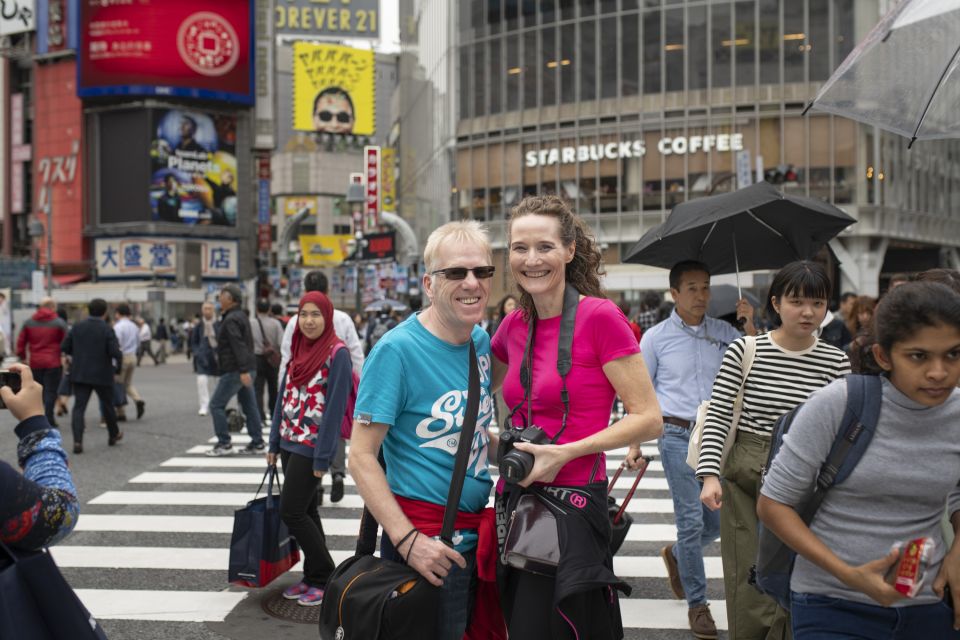
Shibuya and Harajuku are close on the map, but they feel like different chapters of Tokyo. Shibuya is where the city shows off—mass crowds, giant intersections, and nonstop motion. Harajuku is where Tokyo plays dress-up, with fashion streets, themed cafés, and snack stops that feel like part of the culture.
What makes this tour work is that you’re not choosing between them. You start in Shibuya, then work your way toward Harajuku’s main corridors and offshoot streets that people miss when they only follow the loudest signs.
You can also read our reviews of more private tours in Tokyo


The Questionnaire That Changes What You Do
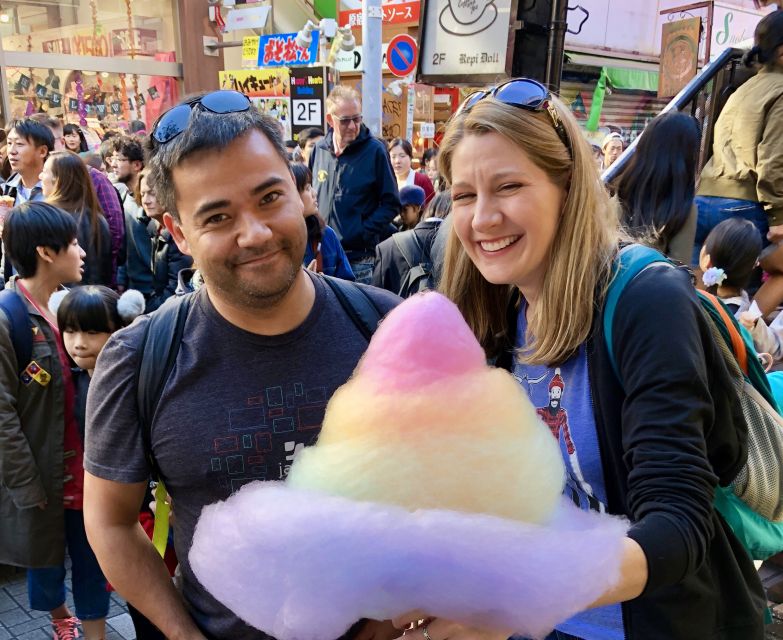
Before you meet your guide, you fill out a questionnaire about your interests and personality. The point isn’t just friendliness—it’s logistics. If you care about street style, you’ll get more time on fashion and shop streets; if you care about food, the stops shift toward tastings; if you want a mix, your route balances both.
You’ll often feel the difference quickly. In one tour experience, guide Veronica used her pre-tour questions to steer a day that included major shrine time (Meiji Jingu) and then Harajuku scenes like Takeshita Street and Cat Town, ending with Shibuya’s famous crossing. In another, Hiroko asked questions first and then wove through crowds to cover a lot in a short window, plus helped with local transit back afterward.
If this is your first Tokyo trip, you’ll love the “get your bearings fast” effect. If you’ve been to Tokyo before, the questionnaire still helps because your guide can adjust away from what you already found on your own.
Shibuya Scramble Crossing, Then the Streets Locals Actually Use
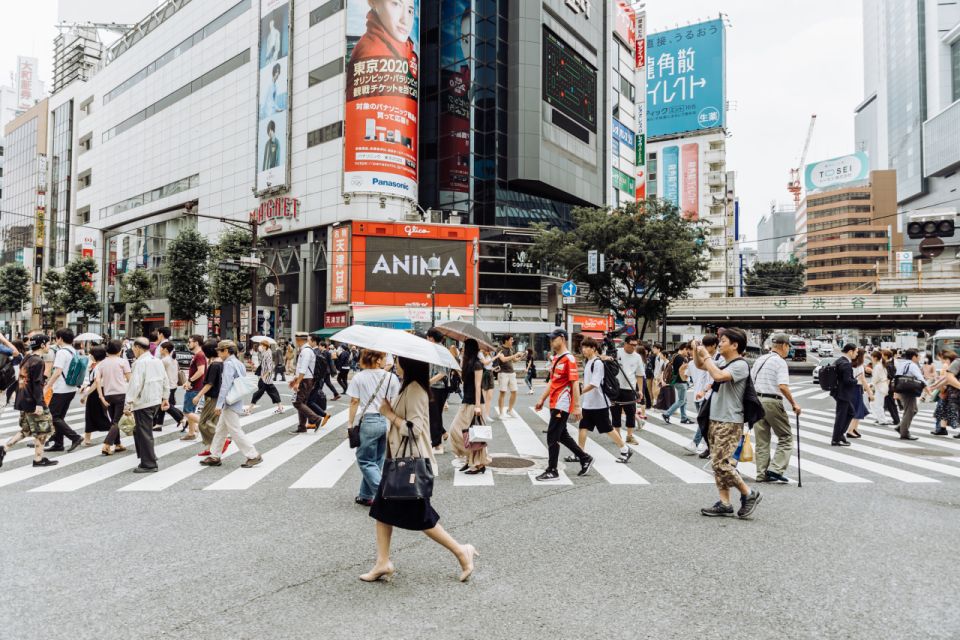
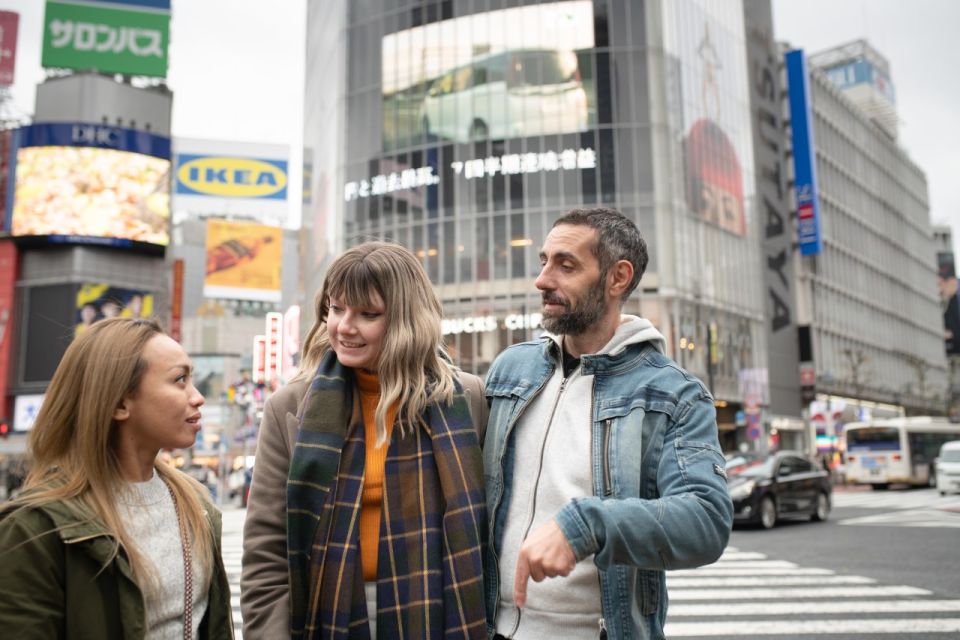
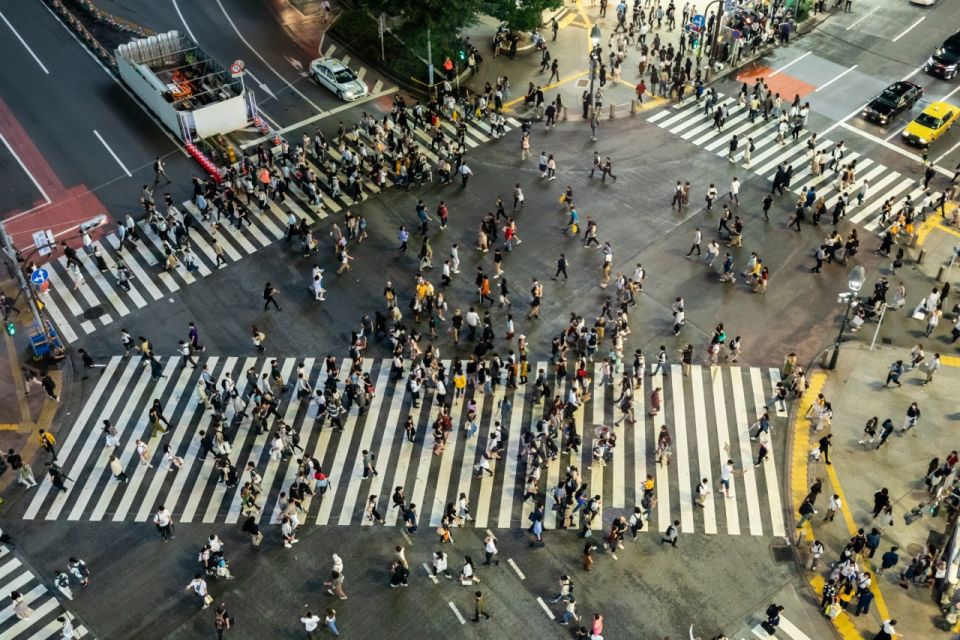
Your tour typically begins at the Shibu Hachi Box meeting point in Shibuya (2 Chome-1-1 Dogenzaka, Shibuya City, Tokyo 150-0043). From there, you’ll head toward the Shibuya Scramble Crossing—the world-famous crossing that’s chaotic in the best way.
But the smart part is what comes next. Instead of staying in the main crush, you move into backstreets where people gather more casually: smaller alleys, dining lanes, and quieter pockets that still feel very Tokyo. One guest described mixing bustling stations and busy streets with calmer lanes lined with traditional-style places to eat and drink, including areas that are more adult-focused and often easier to miss on your own.
There’s also the potential for a practical “wow” moment: a panoramic city view from a secret rooftop. The exact stops vary with your interests and time, but this is the kind of add-on that makes the day feel like more than a photo walk.
What to watch for
This section can involve crowd flow and short transfers. If you dislike getting around dense areas, plan to use your guide’s judgment on timing and route choices rather than trying to fight crowds solo.
Harajuku’s Fashion Streets, Cat-Themed Corners, and Themed Cafés
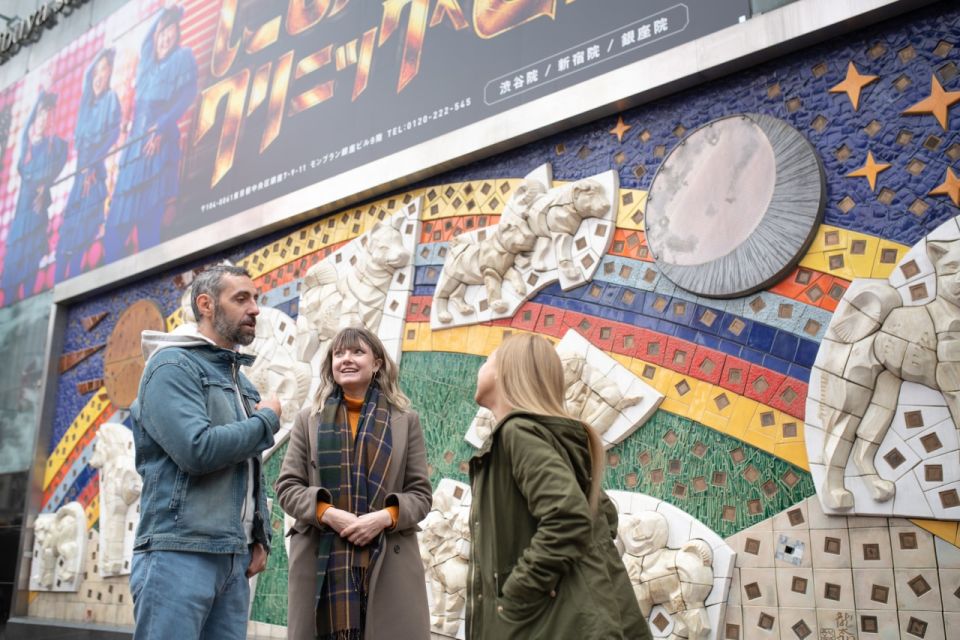
Once you’re in Harajuku territory, the vibe shifts: more visual variety, more themed spaces, and more places where you can slow down without feeling like you’re wasting time. If you’re into youth fashion, you’ll likely spend time around the major pedestrian zones like Takeshita Street. You’ll see the famous stuff—but you’ll also get guidance for how to move through it without losing half your time to congestion.
Several guides in past tours have steered people toward specific Harajuku-style stops:
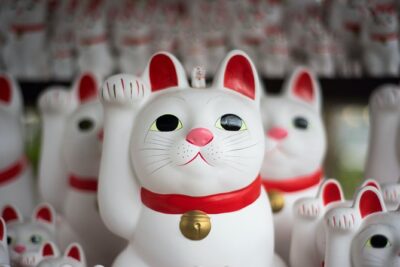
- Cat Town, included in one Harajuku-focused route
- Vintage thrift stores and fashion shopping lanes
- Neon-lit gaming arcades and themed cafés
And the “tailored” part shows up here too. If you’re a shopper, your guide may add more time in stores that match your taste. If you’re more of a café person, you’ll get pointed toward spots that fit your mood and dietary needs better than a random pick.






A practical tip for photos
Harajuku is full of visual distractions, so ask your guide when the route has good viewing gaps. You’ll move faster and get cleaner shots when you time it with your guide’s pacing rather than stopping every five feet.
Food Stops That Actually Fit a Walk
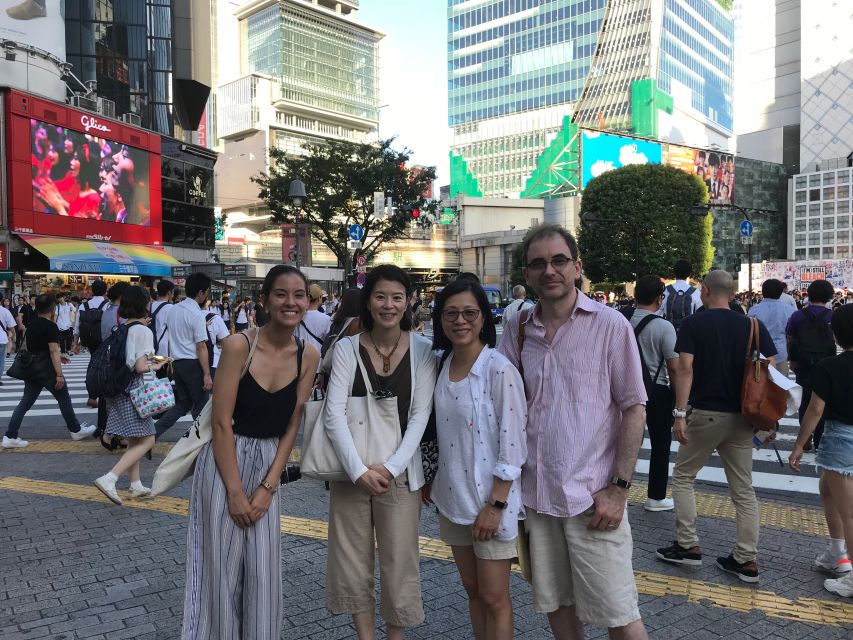
You get more than sightseeing with this tour. Food is built in, and it’s the kind of food you can manage while walking around busy districts.
At minimum, the experience includes one drink in a café or izakaya, plus a food tasting along the way. The specific items can vary based on your route and time, but the tour description points to classic street-food favorites you’ll recognize, including:
- Fresh taiyaki
- Harajuku’s famous crepes
- A comforting option like ramen (depending on what your guide chooses)
One guide even helped a guest connect the dots with a Tokyo “souvenir” style tradition: goshuin. Veronica suggested getting a goshuincho (the stamp book) and then recommended how to collect shrine/temple stamps using hand-painted calligraphy. That isn’t included as a ticket, but it’s a good example of how guides can add meaningful experiences that blend into the day.
If you have dietary limits
Your guide can’t magically fix every food option, and the tour doesn’t claim all-you-can-eat. But the tour’s flexible routing means you can ask early for what works for you and get alternatives suggested during planning and on the ground.
Shinjuku Flavor and Adults-Only-Style Areas (When Time Allows)
The base idea is Shibuya + Harajuku. Still, you might go further depending on your chosen duration and what your guide thinks will match your interests.
In one private tour, the itinerary included additional areas like Shinjuku, using a mix of local trains, station life, and then calmer alley streets. Another description highlighted that some stops can include adults-only sections, which are common in Tokyo but are not the kind of thing you’ll reliably find without local guidance.
If you’re traveling with teenagers, this can still be fine—just tell your guide your boundaries early. Guides can steer toward family-friendly choices or keep the day focused on daytime shopping and food.
Walking Pace, Transit Moves, and What 2–6 Hours Really Means
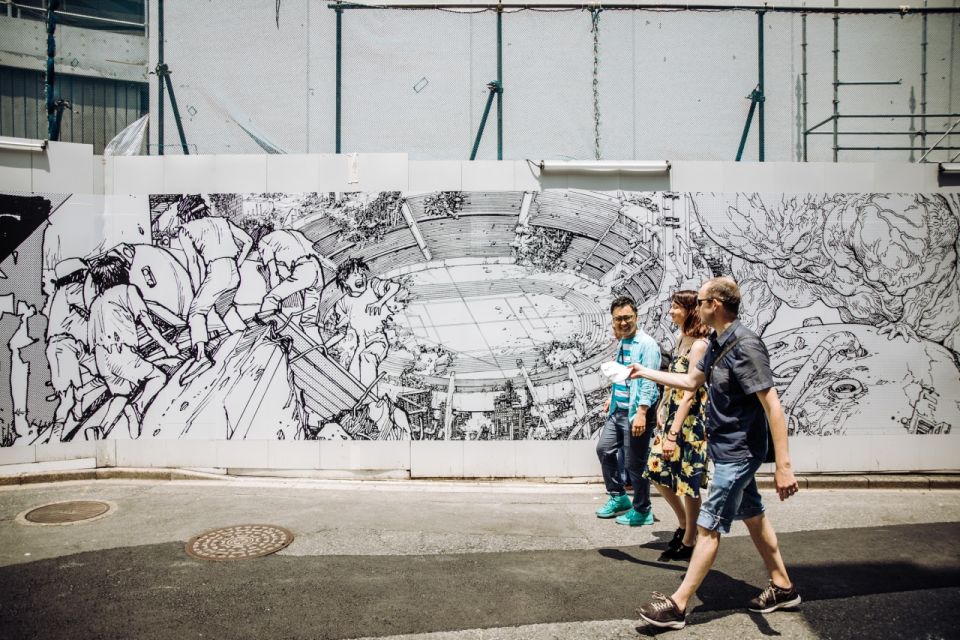
This is a private walking experience, so the schedule depends on your comfort and your selected duration. The listing offers a range from 2 to 6 hours, and you can also choose a start time when booking. That range matters because Shibuya and Harajuku crowds can eat time fast.
You should also expect occasional transfers between sites. Public transportation may be used to move between areas, and exact transport costs can be discussed with your host after booking. In practice, that means you might do some walking blocks and then hop on a train to reset your legs and get to the next zone efficiently.
Bring this mindset
Think of it as moving with a local who knows where to go next, not a timed museum route. The flexibility is part of the value, especially if you want extra time for shopping, a café break, or a small detour you didn’t plan.
Guide Energy: How It Shows Up During the Day
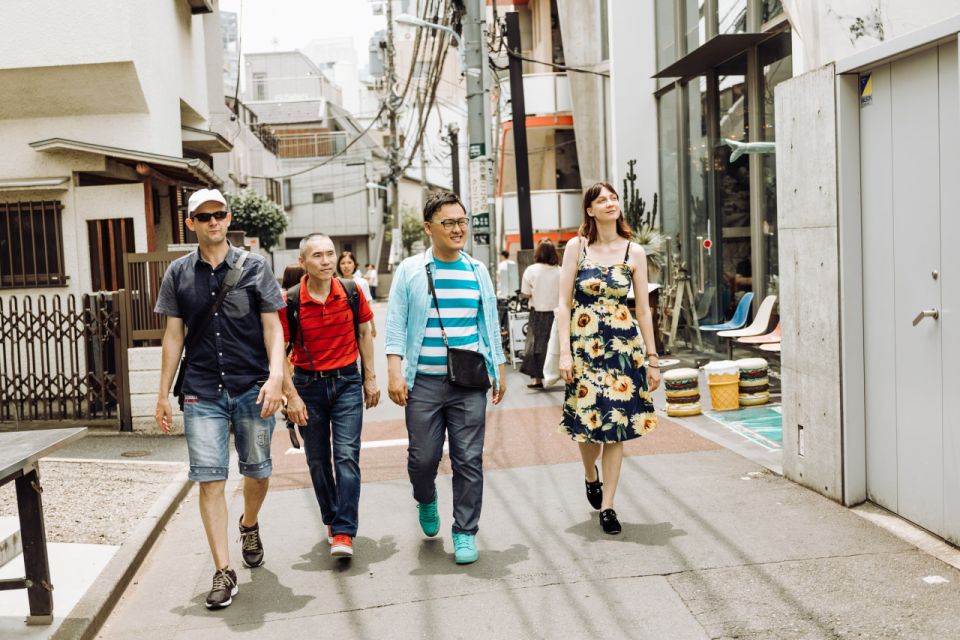
This tour is only as good as the guide in front of you. That’s why the questionnaire and direct communication matter. When you’re matched to a guide who’s aligned with your interests, you’re not stuck with generic answers.
From past experiences with guides such as Shoko, Seichi, Kay, Hiroko, Alberto, and Leonardo, the best pattern is the same: they lead with enthusiasm, they answer questions naturally, and they adjust pacing on the fly.
A few specific guide behaviors that stand out in real-world tours:
- Tailoring around what you already saw (skipping repeated tourist stops)
- Weaving through crowds efficiently so you still cover a lot in a short time
- Staying flexible when you want extra time for a café or a shopping stop
- Helping with transit so you feel less lost afterward (one host even accompanied a guest back to the hotel area by metro)
If you’re the type who likes stories, you’ll probably enjoy the cultural context too—Tokyo’s neighborhoods make much more sense when someone explains what you’re looking at while you’re walking.
Price and Value: Is $64 Per Person a Good Deal?
At $64 per person, you’re paying for three things: a private guide, personalization, and included tasting time. Many Tokyo “food + sights” options end up feeling like you paid for a transfer with a guide attached. Here, the structure is different: your route shifts based on your answers, and you get at least one drink plus a food tasting as part of the experience.
You do not get all meals covered. Additional food and drinks beyond what’s included are on you. Attraction tickets are also not included, so think of this as a guided walking tour with food sampling, not a fully ticketed day.
When it’s especially good value
- You only have one day and want Shibuya + Harajuku without trial-and-error
- You care about specific themes (fashion, anime, food, shrines, shopping)
- You want someone to handle crowd navigation and route logic
- You’d rather spend money on guidance than spend hours researching
Where This Tour Fits Best (And Where It Might Not)
This private experience is a strong match if you want Tokyo’s pop-culture side plus practical local navigation. It’s also great for families and groups when you’re trying to keep everyone engaged. In one tour, the guide managed to keep teenagers interested, mixing street energy with stops that made them actually want to participate.
It might not be ideal if you prefer quiet, slow sightseeing with minimal walking. Since the tour is designed around moving through busy districts, it helps to walk comfortably and be okay with occasional crowd density.
Also, because the itinerary remains flexible and personalized, it’s not the best choice for travelers who want a strict schedule with no changes.
Quick Logistics That Matter on the Ground
- Meeting point: Shibu Hachi Box in Shibuya, or hotel pickup can be arranged for central Tokyo hotels.
- Languages: English and Japanese.
- Group type: private group.
- Mobility: wheelchair accessible.
- Private vehicle: not included; it’s walking, with possible public transport between areas.
Keep your expectations aligned with those points, and the experience tends to feel smooth.
Should You Book This Shibuya and Harajuku Private Tour?
I’d book it if you want a day that feels like Tokyo, not just a checklist. The big reason is the combination of personalization and neighborhood range: you start with a famous moment and then get the side streets, café stops, and food tastings that make the day feel lived-in.
Skip it only if you’re already very confident navigating Shibuya and Harajuku on your own and you don’t care about guided suggestions or food sampling. If you’re planning your first Tokyo trip—or you want a smarter second pass through the neighborhoods—this is the kind of guided walk that saves you time and turns foot traffic into a story you can follow.
FAQ
How long is the Shibuya and Harajuku private tour?
It runs from 2 to 6 hours. You can choose your preferred duration when booking.
Where does the tour start?
You can meet at SHIBU HACHI BOX (2 Chome-1-1 Dogenzaka, Shibuya City, Tokyo 150-0043). Hotel pickup can be arranged for central Tokyo hotels.
What food and drinks are included?
The experience includes one drink in a café or izakaya and a food tasting along the way. The tour description also points to items like freshly made taiyaki and Harajuku crepes, but exact options depend on your route.
Are attraction tickets included?
No. Attraction tickets are not included beyond what’s part of the experience.
Is it only walking?
Yes, it’s a walking tour. You may still use public transportation or local taxis to transfer between sites, and any transportation costs can be discussed after you reserve.
What languages are the guides?
Guides are available in English and Japanese.
Do I need to plan the itinerary myself?
No. After you book, you’ll receive a pre-tour questionnaire, and your guide will tailor the itinerary to your interests. You also communicate directly with your host to plan and adjust during the day.