REVIEW · TOKYO
From Tokyo: Mount Fuji Private Day Tour With English Guide
Book on GetYourGuide →Operated by Japan Winter Tours · Bookable on GetYourGuide
Fuji can hide. This private day trip helps you plan for it. I like the customizable route most, because you can shape the day around your priorities instead of being dragged through a fixed checklist. I also love the private, air-conditioned ride for getting between viewpoints without the stress of train transfers. One consideration: you’ll need to budget for add-on tickets (like the Mt. Fuji 5th Station fee) and lunch.
This is a true day out of Tokyo—about 10 hours, with pickup from your hotel or another location in Tokyo’s 23 wards. You’ll have an English-speaking driver/guide, WiFi in the car, and enough flexibility to slow down at lakes, chase photos, or swap in optional stops when the weather shifts.
Where this tour really shines is the mix: classic Fuji icons first, then the volcanic vibe of Hakone if you want it. And yes, in winter when the peak can be stubborn, your guide’s job becomes timing and options—not just driving.
In This Review
- Key highlights that make this tour work
- How the private Mt. Fuji day works from Tokyo
- Mt. Fuji 5th Station: views first, tickets second
- Lake Kawaguchiko: the classic Fuji mirror stop
- Oshino Hakkai: ponds, tradition, and a slower kind of magic
- Chureito Pagoda and optional villages: choose your Fuji mood
- Hakone Ropeway and Owakudani: where the air changes
- Kitaguchi-hongu Fuji Sengen Shrine and Lake Ashi cruise options
- Gotemba Premium Outlets: shopping with a purpose
- English-speaking guides who keep the day human
- Price and value: $363 for up to 6 (plus what to budget)
- Winter timing: when clouds call the shots
- Who should book this tour (and who should skip)
- Should you book the Mount Fuji + Hakone private day?
- FAQ
- How long is the Mount Fuji private day tour?
- What’s included in the price?
- Are tickets included for places like the ropeway or Mt. Fuji 5th Station?
- Where does hotel pickup work?
- What should I bring, and what’s not allowed?
- Is this tour suitable for everyone?
Key highlights that make this tour work
- Private and adjustable itinerary: you set the pace, and the day can be reshuffled around weather and interests
- Mt. Fuji 5th Station access: timed for big views, with the option to add more Fuji Five Lakes stops
- Fuji + culture stops: Lake Kawaguchiko and Oshino Hakkai give you both scenery and “old Japan” mood
- Hakone add-ons: ropeway, Owakudani, Lake Ashi cruise options, plus shrine and museum choices
- Guides who manage time well: the day stays on track even when you’re flexible (kids, cloudy mornings, extra photo stops)
- Clear budgeting ahead: tickets and lunch are not included, so know what costs are coming
How the private Mt. Fuji day works from Tokyo
You’ll start with pickup at your hotel (or meeting point) in Tokyo. The tour covers Tokyo’s 23 wards included pickup/drop-off, and outside those areas you may pay extra charges (from 5,000 yen to 20,000 yen, depending on location). Before you go, double-check your address so you don’t get surprised later.
Plan to meet your driver in the lobby about 10 minutes early. They’ll wait up to 60 minutes after the scheduled pickup time. In other words, don’t show up “whenever the vibe hits.” It’s a private tour, so punctuality keeps the whole day flowing.
Your group size is up to 6 people, and you travel in a clean, comfortable vehicle with air conditioning and WiFi. That matters because you’ll spend a lot of time in transit between Fuji and Hakone areas. If you’re traveling with family or want a calmer day than hopping between trains, private transport is the whole point.
There are also a few “no thanks” rules: bikes, backpacks, and alcohol/drugs are not allowed. If you’re bringing a backpack for convenience, you’ll want to plan an alternative that fits the day’s restrictions.
You can also read our reviews of more guided tours in Tokyo
Mt. Fuji 5th Station: views first, tickets second
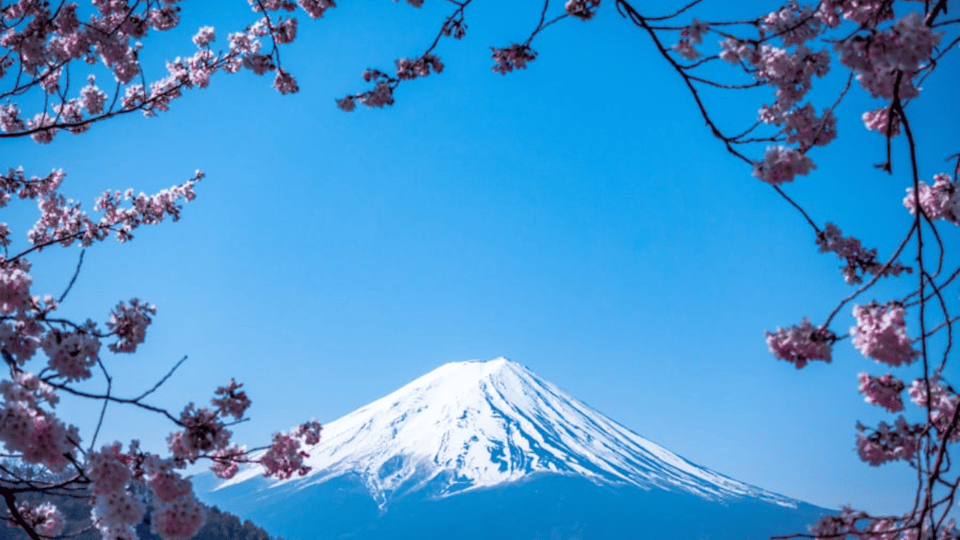
The first major stop is the Mt. Fuji 5th Station. Even if you don’t plan to climb, this is one of the best places for that iconic “there’s the mountain” moment. From here you get panoramic views over the valleys and peaks around Fuji, plus strong photo angles.
Important money note: the Mt. Fuji 5th Station ticket costs 2,100 yen and is not included. You’ll also want cash or a credit card on hand, since tickets and small purchases can pop up along the route.
What to expect in practice? It’s a viewpoint stop with walking and standing for photos. In winter, conditions can change fast—so build some slack into your timing. A good private guide helps you adjust on the fly if clouds move in or if you want extra minutes for pictures.
If Mt. Fuji is your main goal, this is the stop you protect. Your guide’s job is to make sure you don’t burn time in transit and then arrive too late to enjoy it.
Lake Kawaguchiko: the classic Fuji mirror stop
Next up is Lake Kawaguchi (Kawaguchiko). This is where you shift from “mountain-as-a-symbol” to “mountain-as-a-view.” You’ll have time to stroll along the shore with Fuji rising in the background—one of those simple scenes that looks like a postcard and still feels special in real life.
What makes this stop valuable is the pacing. On group tours, Kawaguchiko can feel rushed. Here, you’re in control of how long you linger. If you want to find that one perfect angle, you can. If you’d rather walk, breathe, and keep the day light, you can do that too.
This is also a good place to reassess the day. If the sky is cooperating, you may want to push more Fuji Five Lakes stops. If visibility is poor, your guide can help you choose calmer, less weather-dependent options.
Oshino Hakkai: ponds, tradition, and a slower kind of magic
After Kawaguchiko, you’ll visit Oshino Hakkai, a village known for its crystal-clear ponds and traditional homes. This stop gives you a different side of the Fuji region: not just views, but culture and water-driven history.
The vibe here is more “walk and wander” than “look up and photograph.” It’s ideal if you like your travel days with texture—stone, wooden facades, and small scenes you notice only when you slow down.
The best way to enjoy Oshino Hakkai is to treat it like a short cultural pause, not another checklist location. If your guide offers options nearby, Oshino Hakkai is a good place to say yes to the things that feel most interesting to you and no to the ones that sound repetitive.
Chureito Pagoda and optional villages: choose your Fuji mood
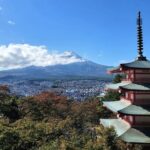
From the Fuji Five Lakes area, the tour often includes iconic photo stops like Chureito Pagoda. This is the five-storied pagoda famous for its Fuji backdrop—especially striking in spring when cherry blossoms frame the view. Even outside peak blossom season, it’s still a “wow” stop because the composition is built for it.
But here’s the smart part: this tour is designed so you can adapt. If you’re chasing the pagoda shot, you’ll spend time there. If you’re more interested in history and old buildings, you might swap emphasis.
One excellent optional cultural add-on is Saiko Iyashi-no-Sato Nenba, a reconstructed traditional village with thatched-roof houses. If you enjoy how Japan’s past looks when it’s recreated carefully, this can feel like a time machine. It also gives your eyes a break from viewpoints.
Another option listed is Lake Yamanaka, another peaceful lake in the Fuji Five Lakes region. This is the “slow down and reset” part of the day—less frantic than the most famous viewpoints, with space to enjoy the calm.
Your guide can help you decide what’s worth your limited time. The trick is to know what you want your day to feel like: photo-heavy, culture-heavy, or a balanced mix.
You can also read our reviews of more private tours in Tokyo

Hakone Ropeway and Owakudani: where the air changes
If you add Hakone, one standout stop is the Kachi Ropeway (ropes cars/trolley-style views depending on the exact segment). This is your move from “Fuji beauty” into “volcanic reality.”
The payoff is a dramatic view over Owakudani Valley and the volcanic landscape below. The contrast is the point: Fuji can be gentle and perfect, while Hakone reminds you this region is alive.
Practical note: tickets for the ropeway are not included. So plan for that as part of your spending. Also, Hakone routes can be weather-sensitive. When visibility is good, you’ll see more of what the ropeway is famous for. When clouds roll in, your best friend is flexibility—ask your guide where it’s working best that day.
If you’re a nature person, Hakone is a satisfying counterbalance. It turns a “Fuji day” into a “Fuji plus something different” day.
Kitaguchi-hongu Fuji Sengen Shrine and Lake Ashi cruise options
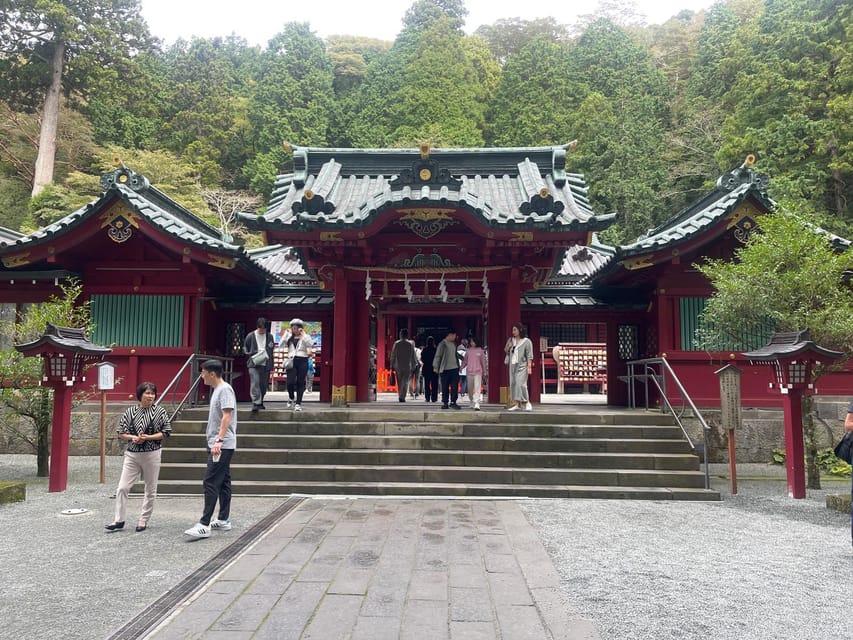
For the culture side of Hakone, there’s Kitaguchi-hong Fuji Sengen Shrine. This is the kind of place you choose when you want the spiritual and historical layer, not just the photo layer.
From there, you can also consider options tied to a more relaxed pace:
- Hakone Open-Air Museum (art in a natural setting, good if you want something calm and indoor/outdoor mixed)
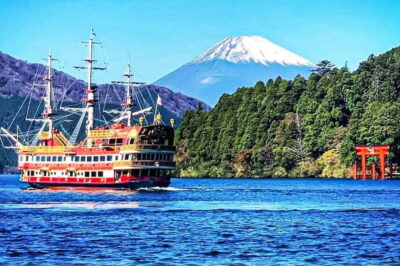
- Lake Ashi with a sightseeing cruise option, which gives you a new perspective on the water and surrounding hills
Even if you’re not a museum person, Lake Ashi cruises are popular because they let you sit, watch the shoreline, and avoid over-walking. It’s a nice “your feet can breathe now” moment.
A private guide matters here because time is always the trade-off. If you want the ropeway and the cruise, you’ll need your day built around that. The best part about this tour is that you can ask for that structure instead of hoping it lines up.
Gotemba Premium Outlets: shopping with a purpose
A stop that can fit nicely into the timeline is Gotemba Premium Outlets. This can be a smart break if you need a meal reset, a bathroom stop, or some retail time after hours of scenic walking.
It’s also a good “option anchor.” If weather is average and you’d rather not keep chasing views, shopping can fill the time without draining your energy.
If your group is very into shopping, you can lean into it. If not, it’s better to keep it short. Private tours work best when you’re honest about what you’ll actually enjoy.
English-speaking guides who keep the day human
This tour isn’t just about destinations. It’s about how the day feels in motion.
The operator uses English-speaking drivers/guide types who tend to be patient and practical. You might meet a guide like Zulqar, praised for being patient with a family traveling with small children. Or Ali, who’s described as knowledgeable and flexible, adjusting to weather and personal interests. There are also examples of drivers like Mr Rana showing up on time and keeping things smooth, Adi offering options for maximizing time and even helping with photos, and Malik making smart recommendations so the schedule can run earlier than expected.
In winter, guide judgment becomes even more important. One guide example, Aada, is noted for adjusting plans for winter conditions when Mt. Fuji visibility was not ideal. Another guide, Afi, is credited with helping a couple catch a glimpse of Mt. Fuji even during a cloudy morning, plus taking time for photos and local stops.
You can take this as a tip for your own booking: don’t just list places you want. Tell your guide how you want the day to feel.
- If you want lots of walking for photos, say so.
- If you want calmer pacing, say so.
- If you’re traveling with kids, say so early.
- If you care most about Fuji visibility, ask your guide how they’d adapt when the sky refuses to cooperate.
The tour’s “customizable” promise works best when you give your guide real guidance.
Price and value: $363 for up to 6 (plus what to budget)
The price is $363 per group up to 6, which works out well if you’re traveling as a small group. If you fill the vehicle, it can feel like a very practical way to do Fuji without spending a whole day on transfers and waiting.
What’s included matters:
- Private transportation
- English-speaking driver/guide
- WiFi
- Air-conditioned vehicle
- Hotel pickup and drop off
What’s not included is equally important:
- Activity tickets (including ropeway-type charges)
- Mt. Fuji 5th Station ticket (2,100 yen)
- Lunch
Also, if you’re outside Tokyo’s 23 wards, pickup can cost extra (again, 5,000 to 20,000 yen depending on area).
My value take: this tour tends to be worth it when you want flexibility and comfort, not just transportation. If your priority is maximum sightseeing with minimum hassle, private makes sense. If you’re traveling solo and don’t mind trains, you might find cheaper options—but you’ll likely give up that tailor-made timing.
Winter timing: when clouds call the shots
Mt. Fuji in winter is a mood. Some days you see it clearly. Other days it’s more of a tease.
The good news here is that the tour’s structure is built for adjustment. When weather isn’t ideal, your best plan is not to fixate on a single moment. Ask your guide how they’ll handle clouds—where they’ll prioritize time, what optional stops are best to keep, and what can be swapped if visibility changes.
Bring a camera, sure. But more than that, bring patience. Winter light can make Fuji days feel dramatic even when the peak is partly hidden.
If you want the most satisfying photos, don’t wait until the last stop. Early planning plus flexible time on the ground often beats rushing from spot to spot.
Who should book this tour (and who should skip)
This tour is a strong fit for:
- Small groups up to 6 who want private comfort
- Families who want a guide who can be patient and flexible
- People who like seeing both “big icons” (Fuji views) and “smaller stories” (Oshino Hakkai ponds, shrine culture)
- Travelers who want Hakone options without building an all-day route on their own
It’s not suitable for:
- Pregnant women
- People over 95 years
- People over 70 years
That’s pretty direct, and it likely reflects the demands of a long day and the walking/viewpoint rhythm.
If you fall into the age range guidance, it’s worth thinking twice about a 10-hour full day with multiple stops and optional add-ons.
Should you book the Mount Fuji + Hakone private day?
Yes, if you want a day that feels controlled by you. The value is in the combination of customization, private transport, and English support—plus the chance to shape the day when weather changes.
I’d book this now if:
- You’re traveling with kids or a small group and want less stress than public transit
- You care about Fuji views and also want culture stops like Oshino Hakkai
- You’re interested in adding Hakone, but you don’t want to piece together the route yourself
I’d think twice if:
- You’re on a tight budget and don’t want to pay for tickets and lunch
- You’re not comfortable with a long day and multiple stops
If you do book, prepare one simple list before pickup: your top 3 must-sees, your “nice-to-have” options, and your walking limit. Hand that to your English-speaking guide and let the day run on your terms. That’s when this tour feels like more than transport—it feels like a plan that actually respects your time.
FAQ
How long is the Mount Fuji private day tour?
The tour lasts approximately 10 hours.
What’s included in the price?
Included are private transportation, an English-speaking driver, WiFi, an air-conditioned vehicle, and hotel pickup and drop-off.
Are tickets included for places like the ropeway or Mt. Fuji 5th Station?
Tickets for activities are not included. Mt. Fuji 5th Station has a ticket cost of 2,100 yen, and ropeway or other activity tickets are also not included.
Where does hotel pickup work?
Pickup is available within Tokyo’s 23 wards. If you’re outside those wards, extra charges apply depending on the area (from 5,000 yen to 20,000 yen).
What should I bring, and what’s not allowed?
Bring a camera, credit card, and cash. Bikes, backpacks, and alcohol/drugs are not allowed.
Is this tour suitable for everyone?
It is not suitable for pregnant women, people over 95 years old, and people over 70 years old.