REVIEW · TOKYO
From Tokyo: Mount Fuji Full-Day Sightseeing Trip
Book on GetYourGuide →Operated by GORYO TRAVEL CO. LTD. · Bookable on GetYourGuide
Fuji looks different from every stop. This full-day Mount Fuji tour strings together the best photo views around Kawaguchiko Lake and the iconic Oshino Hakkai spring-water ponds, with time at big-name viewpoints like the Arakura Sengen Shrine and Mt. Fuji 5th Station. The one drawback to plan around is weather: visibility changes fast, and if access to higher stations is blocked, the route can shift lower.
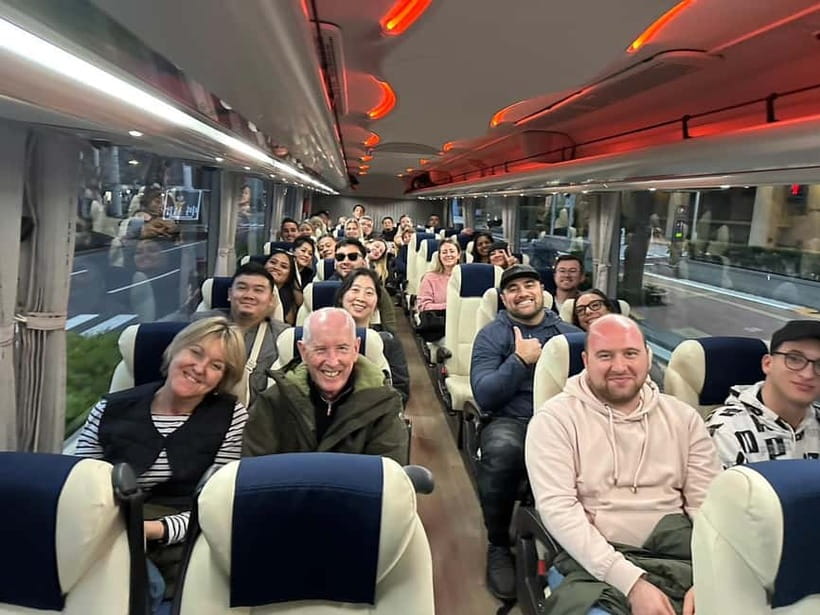
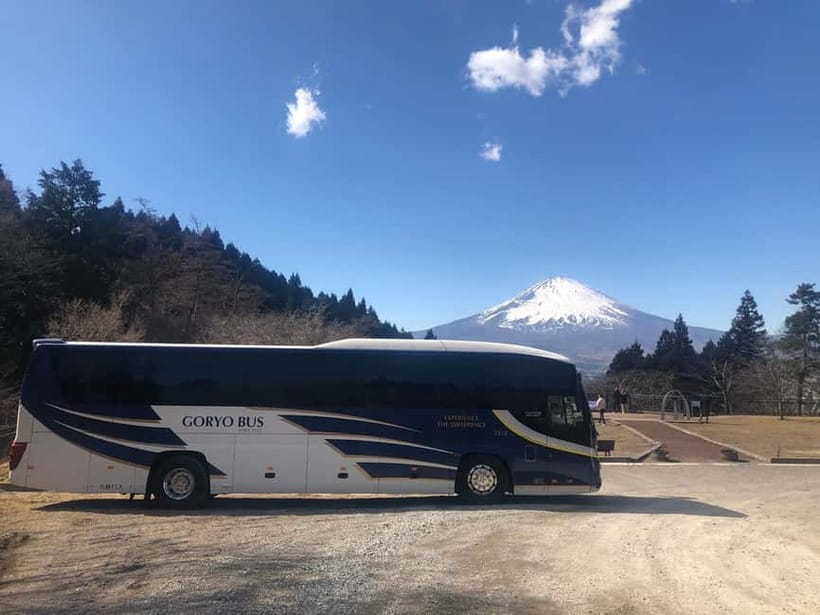
I like the practical setup here: pick-up and drop-off from two Tokyo areas, a 3-star air-conditioned coach, and a live guide in English (with Mandarin/Cantonese options). Guides can be lively in a way that makes the long day feel easier, and they help you focus on what matters at each stop instead of wasting time guessing.
In This Review
- Key Points I’d Highlight Before You Go
- Getting to Fuji Without the Hassle: A Long Bus Day That Still Feels Smooth
- Kawaguchiko Oishi Park: Where Fuji Fits Neatly Into a Lake Photograph
- Arakurayama Sengen Park and Chureito Pagoda: The Stair-Run Fuji Classic
- The In-Between Stop: Hikawa Clock Shop for Break Time and Small Wins
- Oshino Hakkai: Eight Ponds, Spring Water Taste, and Fuji Up Close
- Mt. Fuji 5th Station: The High-Altitude Payoff (When Conditions Allow)
- Making the Tour Work for You: Timing, Crowds, and What to Prioritize
- What $68 Gets You: Value Compared to Doing It Yourself
- Who This Tour Is Best For (And Who Might Want a Different Plan)
- Should You Book This Mount Fuji Trip?
- FAQ
- How long is the Mt. Fuji full-day sightseeing trip?
- How much does the tour cost?
- Where do you get picked up and dropped off in Tokyo?
- Is food included in the tour price?
- What languages are the guides available in?
- Do you go to Mt. Fuji 5th Station?
- What happens if the road to 5th Station is closed?
- Is visibility guaranteed?
- Are luggage, bags, or unaccompanied minors allowed?
- Can I cancel and get a refund?
Key Points I’d Highlight Before You Go
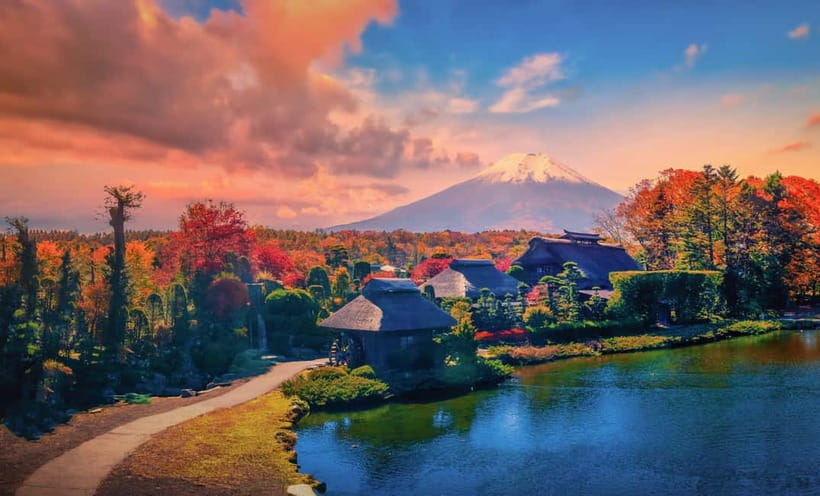
- Kawaguchiko Oishi Park gives you Mt. Fuji with lake reflections and easy photo angles
- Oshino Hakkai includes the classic eight-pond look plus a chance to taste Fuji spring water
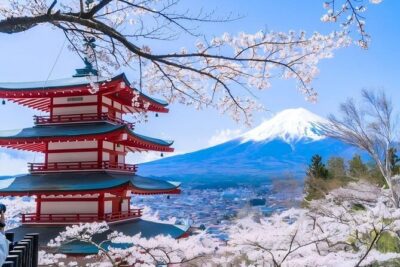
- Arakurayama Sengen Park + Chureito Pagoda sets you up for one of Japan’s most recognizable Fuji silhouettes
- Mt. Fuji 5th Station is the high-altitude payoff, with nearby food and souvenir options
- Winter route changes can replace the top with 4th/1st Station or a Diamond Fuji sunset plan
Getting to Fuji Without the Hassle: A Long Bus Day That Still Feels Smooth

This is a full 10-hour day, and that matters. You are not hopping from one station to another with transfers; you’re settling into a comfortable rhythm. The bus is air-conditioned, and you’ve got a professional guide with you, so you spend your brainpower on sights, not schedules.
Pick-up and drop-off run from two convenient Tokyo areas, including Shinjuku and Tokyo Station. One thing to keep in mind: pick-up points aren’t always right at the exact center of every neighborhood, so give yourself extra buffer time to get to the meeting spot without rushing. Also plan for possible delays of 2 to 3 hours depending on road conditions, and expect heavier congestion on weekends or during flower season.
You can also read our reviews of more tours and experiences in Tokyo

Kawaguchiko Oishi Park: Where Fuji Fits Neatly Into a Lake Photograph
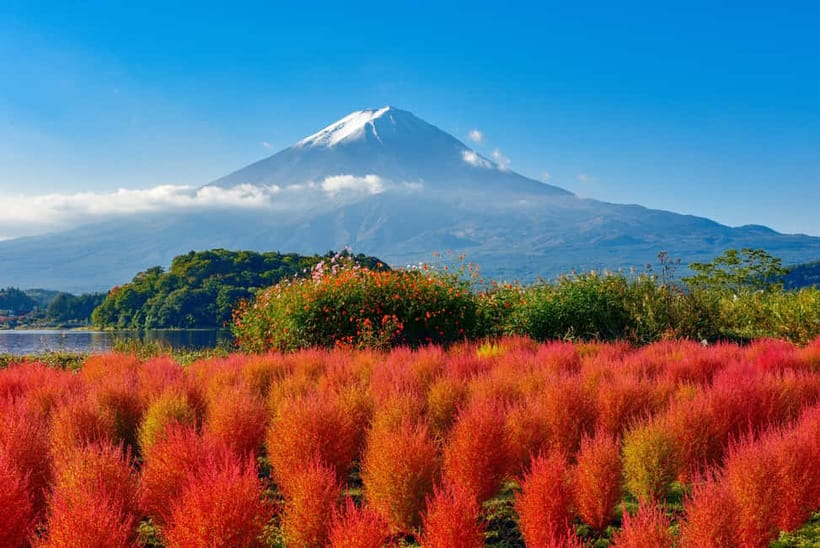
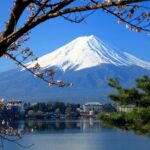
Your first real Fuji moment is at Kawaguchiko Oishi Park. This is where the scenery is framed for you: lake Kawaguchi up front, and Mt. Fuji behind it when the weather cooperates. You get a photo stop plus some time to walk around and pick your angle without feeling like you’re sprinting.
Why this stop is worth it: it’s a low-stress way to judge the day’s visibility. If Fuji is clear here, odds improve that you’ll see it at more places later. If it’s hiding behind clouds already, you’ll still get a pretty lake scene and you can shift your mindset from chasing a single perfect view to collecting multiple decent ones.
Practical note: this is a popular area, so queues and crowd flow can slow you down if you also want snacks. You’ll have to choose your priority: quick photos, a longer stroll, or food and restrooms.
Arakurayama Sengen Park and Chureito Pagoda: The Stair-Run Fuji Classic
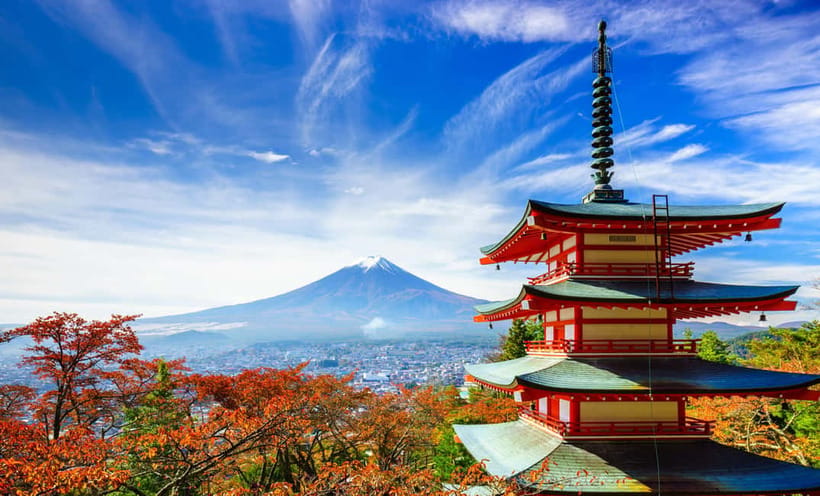
Next up is Arakurayama Sengen Park in Fujiyoshida, with time for photos and a walk. This is the area built around Arakura Sengen Shrine and the famous five-storied Chureito Pagoda. You’ll get panoramic views of the city with Mt. Fuji in the background when visibility allows.
This stop is a good example of why a guided tour is useful. The view isn’t only at one spot. The path and the levels change your perspective fast, and a guide helps you understand where to stand and when to move so you’re not fighting the crowd blind.
One thing to consider is walking. The park involves a lot of steps and uphill movement, and you’ll see people going for the top-most viewpoints. If you want the big payoff, be ready for a long staircase climb; some visitors specifically recommended tackling the roughly 400-plus steps route for a lifetime view.
If you’re traveling with limited mobility, you might still enjoy the shrine area, but you’ll want to pace yourself and not treat this like a quick photo stop.
The In-Between Stop: Hikawa Clock Shop for Break Time and Small Wins
Between the big scenic moments, there’s a stop at Hikawa Clock Shop. It’s part of the day’s pacing: a chance to stretch, browse, and reset. You get free time here, which is valuable because the earlier photo stops can feel short.
Even if you don’t buy anything, this kind of pause helps you keep your energy for Oshino Hakkai and the later high-altitude station. It also means you’re not stuck on a bus with only long drives and no breathing room.
Oshino Hakkai: Eight Ponds, Spring Water Taste, and Fuji Up Close
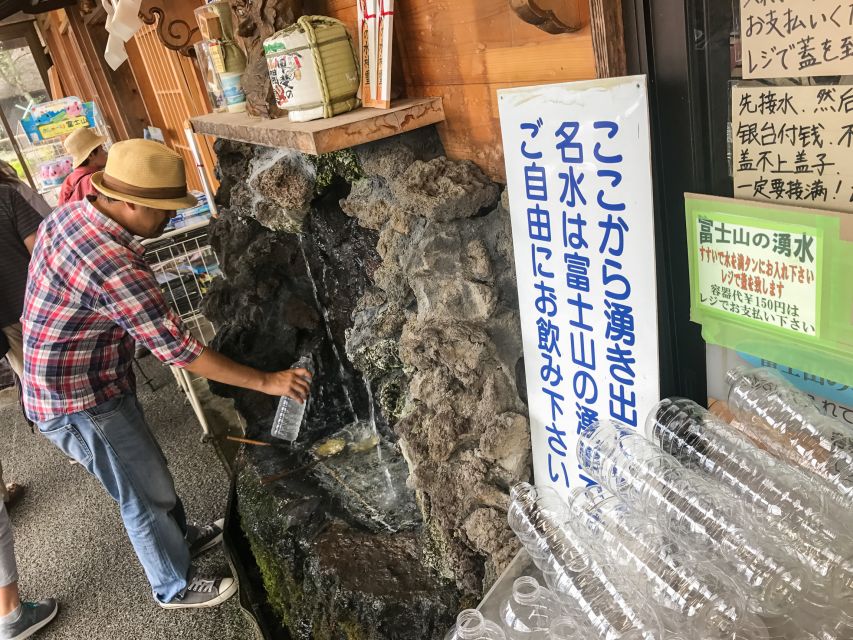
Oshino Hakkai is one of the most famous stops in the Fujisan area for a reason. You’ll see the eight ponds/lakes of the region and you’ll have time for lunch and sightseeing. One of the signature experiences here is tasting the water from Mt. Fuji—an unusual souvenir you can’t replicate later.
This stop adds more than just scenery. It connects you to the way people live with Mt. Fuji’s presence. The ponds are part of a landscape shaped by volcanic activity and natural filtration, so it feels grounded and real, not just postcard-perfect. And because the visit includes time to wander, you’re not stuck only at one viewpoint.
Crowds can build, so plan your pacing. If you want photos plus water tasting plus lunch, you’ll need to stay organized. If you’re the kind of traveler who hates queue lines, focus on the ponds first, then handle food and restrooms.






Mt. Fuji 5th Station: The High-Altitude Payoff (When Conditions Allow)
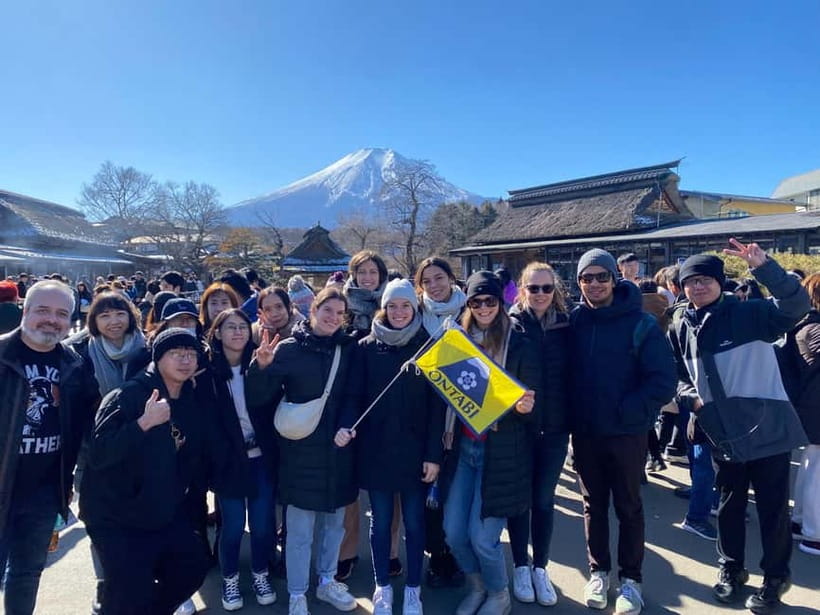
The last big stop is Mt. Fuji 5th Station, around 2,300m high, with photo time and sightseeing. This is where the day turns from views of Fuji to being close to Fuji. On a clear day, the scale hits differently because you’re higher up and the mountain dominates the scene.
You’ll also have options to buy special foods and unique souvenirs right around the station area. That matters if you’ve saved most of your shopping for today—this is one of your best chances to grab gifts without hunting after you return to Tokyo.
But here’s the important part: access to higher stations can change. If the road to 5th Station is closed due to weather or traffic, the itinerary may shift to Mt. Fuji 4th Station / Mt. Fuji 1st Station or Lake Yamanakako Hananomiyako Park instead. In winter, the tour may swap in a plan that aims for the Diamond Fuji sunset view at the alternative location.
So treat the “5th Station moment” as the goal, not a guaranteed checkbox. The good news is that even the backup plan is built around classic Fuji viewing areas, not random filler.
Making the Tour Work for You: Timing, Crowds, and What to Prioritize
This day is packed with photo-worthy stops. That’s exciting, but it also means time can feel tight when you combine walking, restroom breaks, and shopping lines. I suggest you pick a simple strategy before you go:
- Choose one stop for your longest look and photos (for many people, it’s Arakurayama or the 5th Station).
- Keep your shopping to the places where there’s the most time pressure (Oshino Hakkai and 5th Station).
- Don’t try to do everything at every stop. You’ll enjoy the day more if you’re consistent.
Weather is the other big reality check. Visibility is dependent on conditions, and panoramic views are not guaranteed. This tour is set up to increase your odds by showing Fuji from multiple angles, but it can’t control clouds. If Fuji is partly hidden at first, it can still come out later, so keep your pace steady and don’t mentally check out after one cloudy stop.
One more practical point: you may notice that some routes feel more crowded during peak seasons. Flower season weekends can be intense, and your best move is to stay flexible and accept that you’re sharing the view with lots of other people. A well-run group schedule helps, but it doesn’t erase physics.
What $68 Gets You: Value Compared to Doing It Yourself
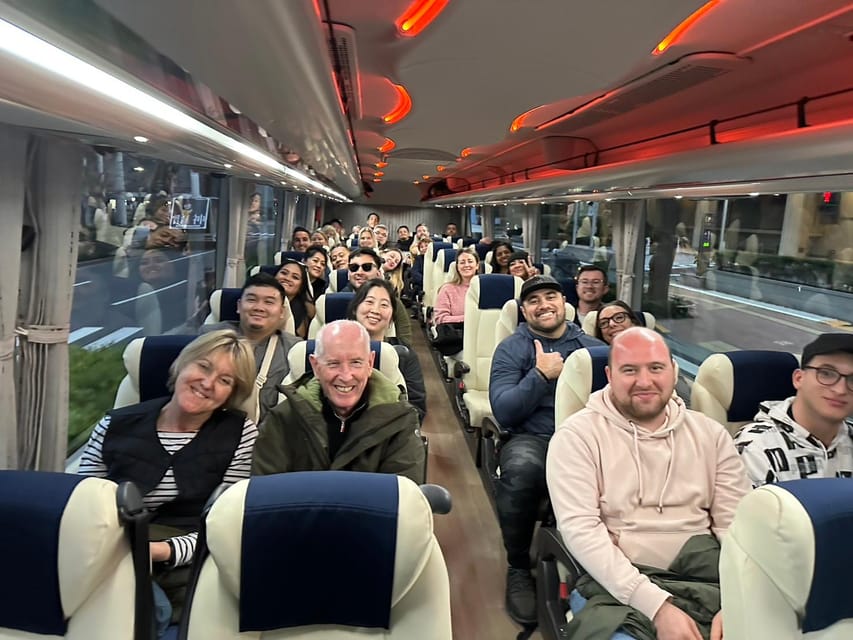
At around $68 per person, the value is mostly about logistics. A guided day trip like this saves you from coordinating transport across multiple Fuji-area stops, and it includes entry fees to the major sightseeing areas. You’re also buying the benefit of a professional guide and a comfortable, air-conditioned bus for a long ride.
If you tried to DIY this, you’d likely spend time figuring out routes between lake viewpoints, shrine areas, and Oshino Hakkai, plus dealing with the timing of bus schedules and ticketing. Even if you save a little money, you can spend a lot of effort to get the same “multiple angles in one day” payoff.
The tradeoff is flexibility. With a bus tour, you work within the planned timing windows. If you’re the type who wants to linger for hours at one viewpoint or skip one stop entirely, DIY can feel better. But if you want the classic Fuji hit in one day with minimal stress, this is strong value.
Also: food and drinks are not included. That means you should budget for snacks and lunch. Convenient stores and dining options are typically available near major stops, but lines can form, so having a small food plan helps.
Who This Tour Is Best For (And Who Might Want a Different Plan)
This tour is ideal if you want:
- Multiple Mt. Fuji perspectives without planning every leg yourself
- A guided day that teaches you what you’re seeing while you move between stops
- A comfortable coach ride out of Tokyo, with a clear schedule that keeps the day from dragging
It may not be ideal if:
- You hate walking uphill and stairs (Arakurayama is a lot of steps)
- You need long solo downtime at each stop
- You want a flexible, on-your-own itinerary if weather shifts during the day
For families, kids must be accompanied by an adult, and luggage or large bags aren’t allowed. So pack light and keep it simple.
Should You Book This Mount Fuji Trip?
If your main goal is seeing Mt. Fuji around multiple famous locations in one day, I think this tour is a good bet. It’s built to increase your odds with several viewpoints, and the schedule hits the big icons: Kawaguchiko Lake, Arakura Sengen Park and Chureito Pagoda, Oshino Hakkai, and the 5th Station area when access allows.
I would book it if you’re okay with a full day, some walking, and the fact that clouds can win. If you’re traveling in peak flower season or on a weekend, go in with patience about crowds and timing. If you’re willing to play it smart—plan for backups, prioritize photos at the stops that matter most, and keep snacks and restrooms in mind—you’ll get a day that feels like a greatest-hits tour of Fuji country.
If you’re going specifically for a single perfect clear-day view, no guided day trip can promise that. But this one gives you multiple chances, which is exactly what you want when the mountain is in a mood.
FAQ
How long is the Mt. Fuji full-day sightseeing trip?
It runs about 10 hours from Tokyo to the Fuji-area stops and back.
How much does the tour cost?
The price is listed as $68 per person.
Where do you get picked up and dropped off in Tokyo?
Pick-up and drop-off are available from two locations, including Shinjuku and Tokyo Station (meeting point can vary depending on the option booked).
Is food included in the tour price?
No. Food and drinks are not included, though you’ll have time for lunch during the day.
What languages are the guides available in?
The live tour guide is available in Chinese, English, and Mandarin/Cantonese options are part of the guide offering.
Do you go to Mt. Fuji 5th Station?
The tour includes a stop at Mt. Fuji 5th Station at around 2,300m, but the itinerary can change if the road is closed.
What happens if the road to 5th Station is closed?
The itinerary may be changed to Mt. Fuji 4th Station / Mt. Fuji 1st Station or Lake Yamanakako Hananomiyako Park instead.
Is visibility guaranteed?
No. Visibility depends on weather conditions, and panoramic views of Mt. Fuji are not guaranteed.
Are luggage, bags, or unaccompanied minors allowed?
Luggage or large bags are not allowed. Unaccompanied minors are not allowed, and children must be accompanied by an adult.
Can I cancel and get a refund?
Yes. Free cancellation is available up to 24 hours in advance for a full refund.