REVIEW · TOKYO
Tokyo: Tsukiji Fish Market Food and Culture Walking Tour
Book on GetYourGuide →Operated by Japan Wonder Travel · Bookable on GetYourGuide
Food smells here are the real souvenir.
I like how this tour turns Tsukiji from a confusing maze into a walk with clear stops and a food plan. Two standouts for me are the high-grade wagyu beef skewers and the final sushi or seafood bowl that makes the whole thing feel like a complete meal, not random bites.
One heads-up: the menu shifts on days when parts of the market are closed, so some items (like omelet, fish cake, and fruit) may not be served.
In This Review
- Key things to know before you go
- Tsukiji Honganji Temple Start: Getting Oriented Fast
- Outer Market Walking Circuit: How You Stop Getting Lost
- Wagyu Skewers and the Other Big Hits You’ll Taste
- Cultural Context You’ll Actually Use in Tokyo
- The Endgame: Sushi or Seafood Bowl Done Market-Style
- Menu Changes on Wednesdays and Sundays (So You Don’t Get Surprised)
- Price and Value for a 3-Hour Food Walk
- Rain, Crowds, and How to Get the Best Experience
- Who This Tour Fits Best (and Who Should Skip)
- Should You Book This Tsukiji Fish Market Food Tour?
- FAQ
- Where do I meet the guide?
- How long is the Tsukiji Outer Market tour?
- Is this a small group tour?
- What’s included in the food tastings?
- Will I get sushi or a seafood bowl?
- What happens if I book on a Wednesday or Sunday?
- Is the tour suitable for vegetarians, vegans, or gluten-free diets?
- Is there a minimum age for drinking?
- What should I bring?
- Is the tour wheelchair accessible?
Key things to know before you go
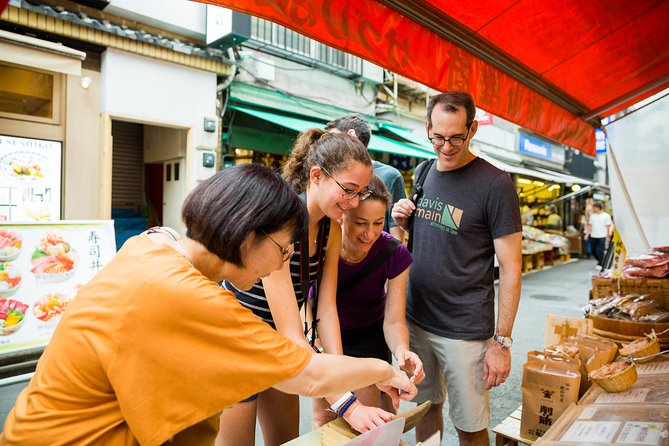
- Small group (2 to 8 people) means you spend more time eating and less time watching other people eat.
- Wagyu skewers + guided tastings takes the guesswork out of what to order in a crowded market.
- English live guide helps you understand what you’re seeing, not just what you’re tasting.
- Sushi or seafood bowl at the end gives you a satisfying finish after roaming stalls.
- Wednesday/Sunday closures can change the food list, so check what’s included for your day.
- Not for vegans/vegetarians or gluten-free needs if you’re counting on substitutions.
Tsukiji Honganji Temple Start: Getting Oriented Fast
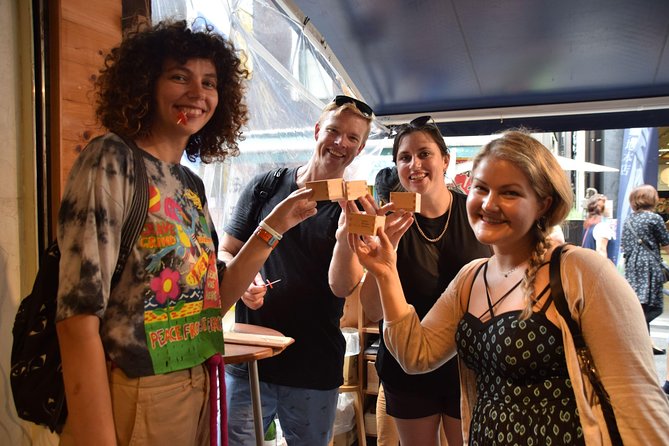
This tour starts where it should: at the main gate of Tsukiji Honganji-Temple. It’s a good place to gather because it gives you a clean meeting point in a neighborhood where things can get chaotic fast.
You’ll also get that first dose of context right away. Several guides (people like Kenji, Miki, Nazu, and others who have led groups here) are praised for explaining how the market shaped Tokyo’s food habits and how chefs use it as a daily ingredient stop. That matters because Tsukiji isn’t just about eating. It’s about learning why certain foods show up again and again in Japanese kitchens—especially seafood, egg, and simple seasonal fruit.
Comfort note: you’re walking a moderate amount, and Tsukiji can be crowded even on calmer mornings. Comfortable clothes help. So do comfortable shoes. If you’re thinking about bringing fancy footwear, don’t. This is a show your soles kind of day.
You can also read our reviews of more walking tours in Tokyo


Outer Market Walking Circuit: How You Stop Getting Lost
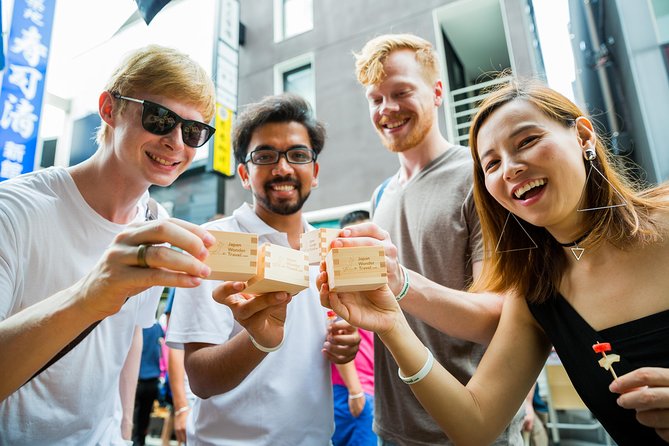
The tour focuses on the Tsukiji Outer Market area. That’s the part most visitors can actually navigate and enjoy without needing insider wholesale access. You’ll spend about 30 minutes and then about 2.5 hours on a guided food-walk through the vendor maze.
What I like about this setup is the pacing. Early on, your guide helps you get your bearings and learn what kinds of stalls you’re about to see—fish vendors, seafood options, and all the snack-size foods that make Tokyo markets feel like an edible showroom. Later, you move through the tastings with less guesswork and more confidence.
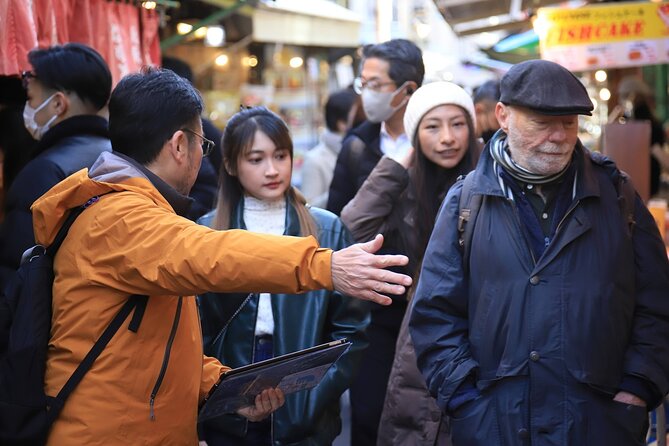
And yes, it can get intense. The market has strong smells, loud vendors, and lots of people hovering around the same narrow aisles. On busy mornings, it can be hard to hear details—especially if it’s raining and everyone has umbrellas. My practical advice: position yourself near your guide and stop trying to multitask with photos at the exact moment they’re talking. If you miss one tip, you can usually catch another at the next stop.
Wagyu Skewers and the Other Big Hits You’ll Taste
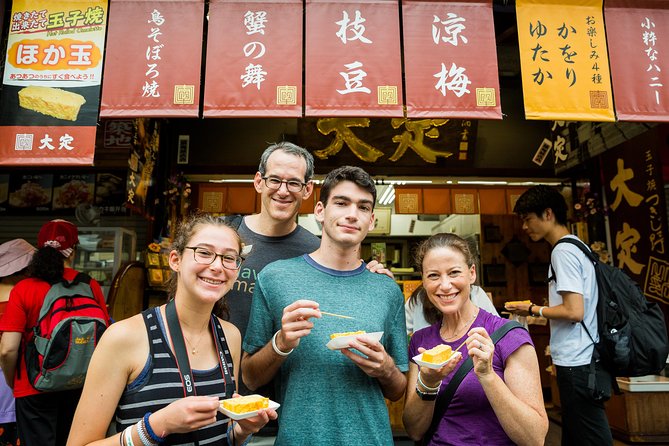
The included menu is built around foods that show up in real daily eating, not only tourist-friendly versions.
Here’s what you should expect as part of the included tastings:
- High-grade wagyu beef skewers
- A final fish bowl or sushi (depending on the day)
- Japanese omelet (tamagoyaki)
- Seasonal fruits
- Fried fish cake
That list is the core, but the tour also includes additional samples as you move stall to stall. In practice, that means you’ll get variety: finger foods, small prepared bites, and seafood-flavored options that are hard to recreate at home.
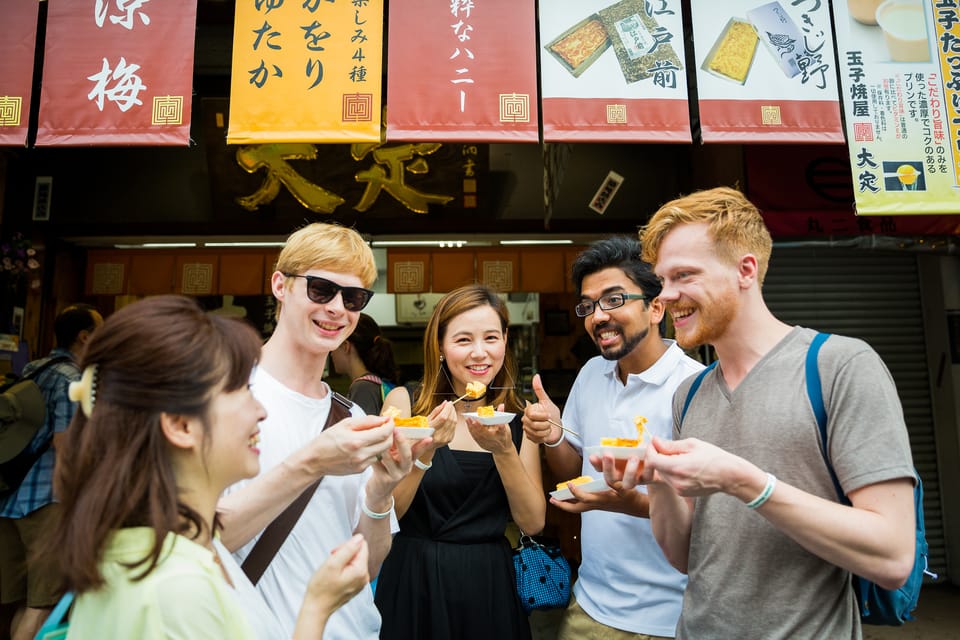
Wagyu skewers are often the star. Multiple guides were specifically praised for steering groups toward the best wagyu stops, and for helping people understand why it tastes the way it does when it’s prepared and grilled in a market setting. Omelet and fish cake are the other pair I’d watch for—both are very “market Japan” foods because they’re quick, filling, and built for eating while standing.
Seasonal fruit might sound like a side dish, but it’s a classic pairing with the heavier seafood snacks. Think of it as palate cleanser and a reminder that this area sells more than raw fish. Fruit also reflects the market’s pace: quick, seasonal, and practical.
Cultural Context You’ll Actually Use in Tokyo
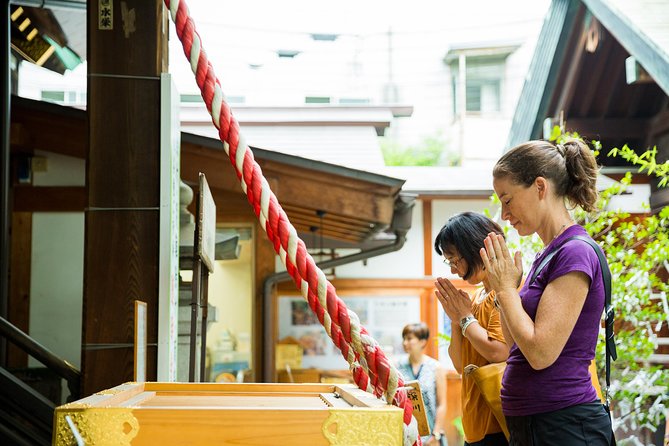
This tour doesn’t treat food as just flavor. It tries to connect it to the market’s role in Japanese food culture.
A key theme your guide should cover is why so many top chefs visit daily to select ingredients. Even without technical cooking talk, that idea changes how you experience the stalls. You’re not just sampling random snacks. You’re seeing where a chef would start when building quality into a dish.
Another practical cultural piece is etiquette. At least one guide-led group experience included shrine etiquette and even a cleansing-style ceremony at a nearby Shinto shrine before the tour. That kind of moment can turn a food walk into something more meaningful—especially if you’re new to Japanese customs. Don’t worry: the guides who lead these groups are used to handling questions and keeping the pace comfortable for the group.
One more thing I value here: your guide helps you interact with vendors. In a market like Tsukiji, you can easily end up confused about what’s fresh, what’s ready to eat, and what’s best value. With a guide, those choices stop feeling like a gamble.
The Endgame: Sushi or Seafood Bowl Done Market-Style
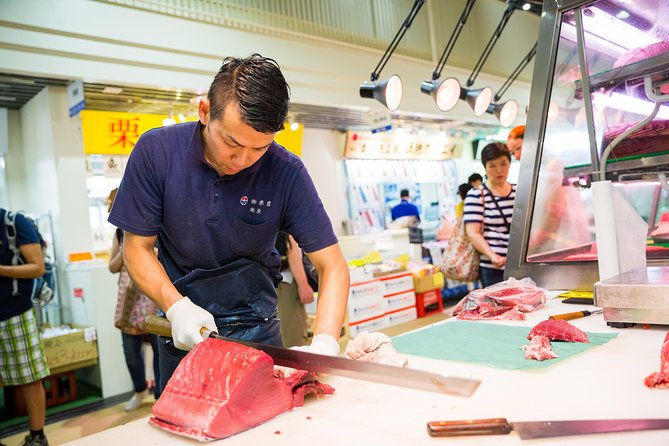
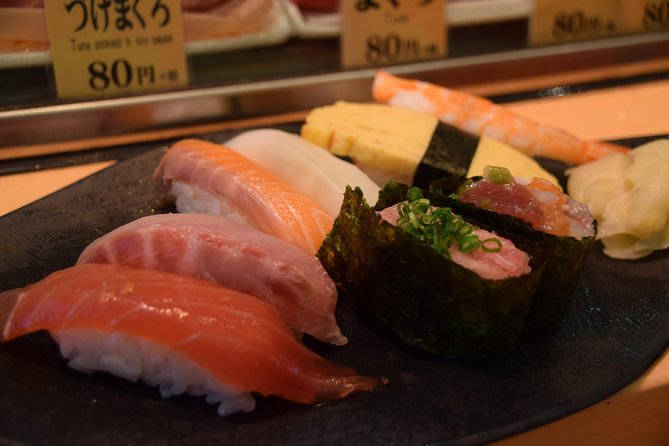
After the tastings, the tour wraps up with a meal: either a fish bowl or sushi depending on the day. This matters because it turns the entire morning into a logical arc: snacks while walking, then a proper finishing plate once you’ve built an appetite.
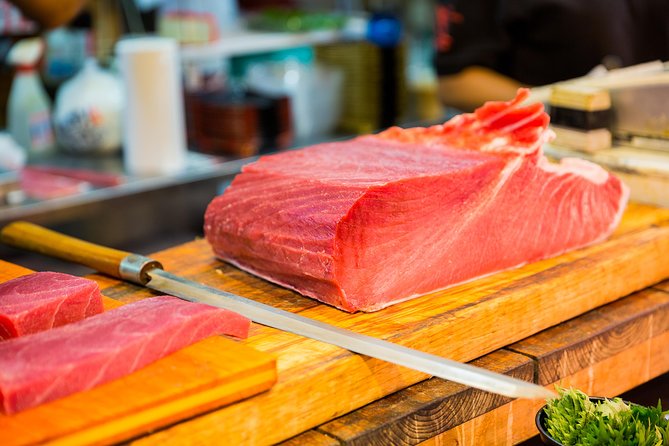
The praise for the finale tends to focus on the presentation and the fact that it feels like a real market meal, not a rushed add-on. One group experience even highlighted a sushi chef preparing fish for a sashimi-style bowl, and then serving it as part of the group meal. While that exact format may vary, the overall point stays consistent: you end with something that ties the earlier tastes together.
The tour then heads back toward the starting area, arriving back at Tsukiji Honganji-Temple. It’s a nice ending because it keeps you from being dropped somewhere you then have to figure out.
You can also read our reviews of more food & drink experiences in Tokyo



Menu Changes on Wednesdays and Sundays (So You Don’t Get Surprised)
Tsukiji has a rhythm, and the tour notes it clearly. The fish market (Uogashi wholesaler market) is closed on Wednesdays, Sundays, and other closed market days.
On those days, some items can’t be served because the relevant shops are closed:
- Japanese omelet
- Fish cake
- Fruits
So how should you think about this? Don’t panic and don’t assume you’ll still get the exact same menu as someone on a different weekday. Instead, treat this tour as a flexible market experience where the core idea stays the same—guided tastings and a final fish bowl or sushi—but the supporting cast can change.
If your trip lines up with a Wednesday or Sunday, you’ll still get a guided walk through the Outer Market and still get the final seafood-focused meal. Just manage expectations on the included snack list.
Price and Value for a 3-Hour Food Walk
At $96 per person for a 3-hour tour, you’re paying for two things: access and coordination.
In Tokyo markets, the hard part isn’t finding food. It’s finding the right food fast, while everything is crowded and loud. A guided loop helps you avoid the time-wasting version of exploring. The included tastings also add up. You’re not just paying for one dish. You’re getting a spread that covers meat, seafood, egg, and fruit—plus cultural context you’d otherwise have to research on your own.
Small group size (2 to 8) is part of that value. It makes vendor stops easier and makes it more likely you’ll actually hear the guide over the noise.
Practical value tip: if you like trying extra drinks beyond what’s included, be ready for additional charges. One participant mentioned being charged for sake or beer, so don’t assume drinks are included just because the day is wine-and-wisdom vibes. If you want alcohol, factor in your budget and ask what’s included.
Rain, Crowds, and How to Get the Best Experience
Tsukiji isn’t delicate. It runs through drizzle, and it often runs through crowds. If it’s raining, expect slower movement because people crowd together with umbrellas.
One useful way to think about it: the tour is designed for food and flow, not for quiet museum listening. If weather and crowd density make it hard to hear, your best move is simple: stay close to your guide and accept that you’ll get some details at the next stop.
Timing also matters. One piece of advice that keeps coming up is that mid-week can be less chaotic than a busy Saturday morning. If you’re flexible, try to avoid peak crowd windows. If you can’t, go anyway—just plan to move with the group and let the tastings do the heavy lifting.
Who This Tour Fits Best (and Who Should Skip)
This is a great fit if:
- You want a guided plan so you can eat well without turning your whole morning into a puzzle.
- You’re excited about seafood and Japanese market snacks.
- You like learning food culture in the same place you’re sampling it.
- You enjoy small-group tours where the guide can answer questions.
This is not a good fit if:
- You use a wheelchair or need mobility accommodations. The tour isn’t suitable for people with mobility impairments or wheelchair users.
- You’re vegan or vegetarian, or you need halal or gluten-free accommodations. This tour doesn’t accommodate those requests.
- You need a low-walking experience. There’s a moderate amount of walking, and the market aisles aren’t built for slow navigation.
Also, there’s a minimum drinking age of 20. If alcohol is part of your plan (or you just don’t want surprises), keep that in mind.
Should You Book This Tsukiji Fish Market Food Tour?
If your goal is a smooth, food-first introduction to Tsukiji’s Outer Market, I think this tour is a strong booking. The best reason is the combo: guided tastings plus a satisfying end meal (sushi or a seafood bowl). That structure is exactly what you want when you’re new to the area and short on time.
Book it if you’re excited by wagyu skewers, seafood snacks, and the small cultural lessons that explain why this market matters. Skip or choose another format if you need vegetarian/vegan options, halal/gluten-free support, or mobility-friendly access.
My final “friend advice” is simple: if you’re going on a Wednesday or Sunday, expect the menu to change—especially the omelet, fish cake, and fruit. If you’re okay with that, you’ll get a very fun, very Japanese morning built around eating your way through the market.
FAQ
Where do I meet the guide?
Meet your guide at the main gate of Tsukiji Honganji-Temple when the tour starts.
How long is the Tsukiji Outer Market tour?
The tour lasts 3 hours.
Is this a small group tour?
Yes. It’s a small group tour for 2 to 8 people.
What’s included in the food tastings?
Included tastings include high-grade wagyu beef skewers, a fish bowl or sushi depending on the day, Japanese omelet, seasonal fruits, and fried fish cake.
Will I get sushi or a seafood bowl?
Depending on the day, you’ll either be served sushi or a seafood bowl.
What happens if I book on a Wednesday or Sunday?
The fish market (Uogashi wholesaler market) is closed on Wednesdays, Sundays, and other closed market days. On those days, Japanese omelet, fish cake, and fruits cannot be served.
Is the tour suitable for vegetarians, vegans, or gluten-free diets?
No. The tour does not accommodate vegetarian, vegan, halal, or gluten-free requests.
Is there a minimum age for drinking?
Yes. The minimum drinking age is 20.
What should I bring?
Bring comfortable shoes, comfortable clothes, and a camera.
Is the tour wheelchair accessible?
No. It is not suitable for people with mobility impairments or wheelchair users.