REVIEW · TOKYO
Tokyo: Hop-On Hop-Off Sightseeing Bus Ticket
Book on GetYourGuide →Operated by SKY HOP BUS · Bookable on GetYourGuide
Tokyo can feel like it’s running on fast-forward. This hop-on hop-off bus slows things down by turning the city into an easy set of routes you can ride at your pace. I like that you get panoramic open-top views while the commentary stays simple and practical, and you’re not locked into a rigid schedule. The big win is the audio guide setup on your own smartphone or tablet with up to 10 languages.
I also love the value of having unlimited access to all routes. In other words, you can start with one loop, hop off to explore, then come back when you’re ready. You’re also hitting major magnets like Tokyo Skytree, Asakusa, Tokyo Tower, Tsukiji, Ginza, and Shinjuku/Harajuku-Meiji Jingu areas without having to stitch together bus lines all day.
One thing to consider before you commit: the buses are open-air and not air-conditioned, so summer heat can be brutal. Plan for wind and weather too, because umbrellas aren’t allowed and the ride is genuinely exposed.
In This Review
- Key things I’d watch for before you ride
- Why This Hop-On Hop-Off Works for First-Time Tokyo Sightseeing
- How the Unlimited Ticket Plays Out Across 1 to 2 Days
- Route 1: Tokyo Skytree Loop, Asakusa to Akihabara
- Route 2: Tokyo Tower and Tsukiji Ginza With a City-Views Focus
- Route 3: Shinjuku and Shibuya Area Stops via Meiji Jingu
- The Open-Top Ride Reality: Seats, Wind, and Weather Rules
- Audio Guide on Your Own Device: 10 Languages and Common Gotchas
- Timing, Frequency, and How to Hop Off Without Getting Stuck
- Where the $30 Price Feels Like a Good Deal (and Where It Doesn’t)
- Should You Book Sky Hop Bus Tokyo?
- FAQ
- Where is the meeting point for the Sky Hop Bus Tokyo ticket?
- Can I board from any stop instead of only the main meeting point?
- Is hotel pickup included?
- Is the audio guide included, and what languages does it offer?
- Do I need to bring my own smartphone and earphones?
- Are umbrellas allowed on the bus?
- Will the bus run in severe weather?
Key things I’d watch for before you ride

- Unlimited routes, real choice: You can mix Loop 1, 2, and 3 across 1 or 2 days.
- Open-top views with a practical seat setup: Seats are on the second floor; the first floor is for storage.
- Audio guide options, plus a common workaround: Use your own device/earphones, since vehicle-mounted audio may not work on every bus.
- Major stops in the order you’ll actually want them: Skytree and Asakusa, Tokyo Tower and Tsukiji, then Shinjuku/Shibuya-side areas.
- Timing depends on traffic and bus frequency: Delays happen; waiting between buses can be long.
Why This Hop-On Hop-Off Works for First-Time Tokyo Sightseeing
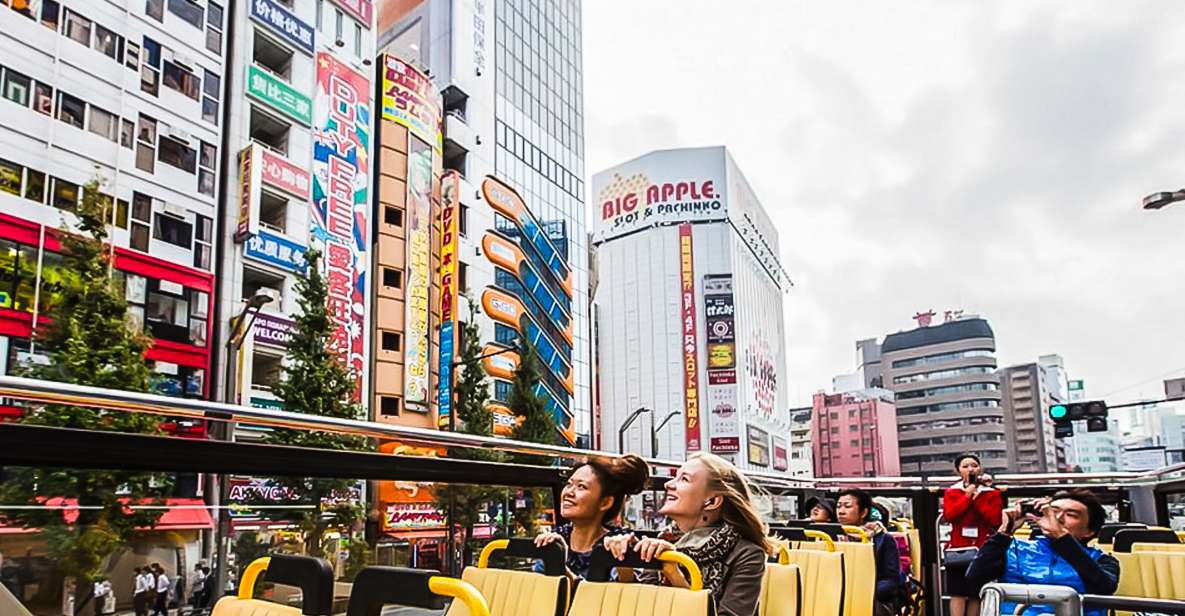
If Tokyo is your first stop, your biggest problem is not finding attractions. It’s figuring out where they sit relative to each other, and how much time you should spend in each area. This ticket is designed for that exact moment. You ride the same dependable routes, then jump off where your interests spike.
The open-top format makes the trip feel like sightseeing, not just transit. Even when you’re not getting off, you’re still getting that wide-angle Tokyo view: river-bend neighborhoods, skyline slices, and the sense of scale you just can’t copy from street level.
And the audio guide matters more than you might expect. You’re not just watching scenery pass by. You’re hearing what you’re looking at, plus context on the areas and landmarks as the bus reaches each stop. The sound tracks with the ride stops, so it feels like the city is being explained in the right order.
Where you can get tripped up is weather and comfort. Since the bus is open-air with no A/C, you’re trading comfort for views. On a cool day, it’s perfect. On a humid mid-day, you’ll want a plan for shade and hydration after every hop.
You can also read our reviews of more tours and experiences in Tokyo


How the Unlimited Ticket Plays Out Across 1 to 2 Days
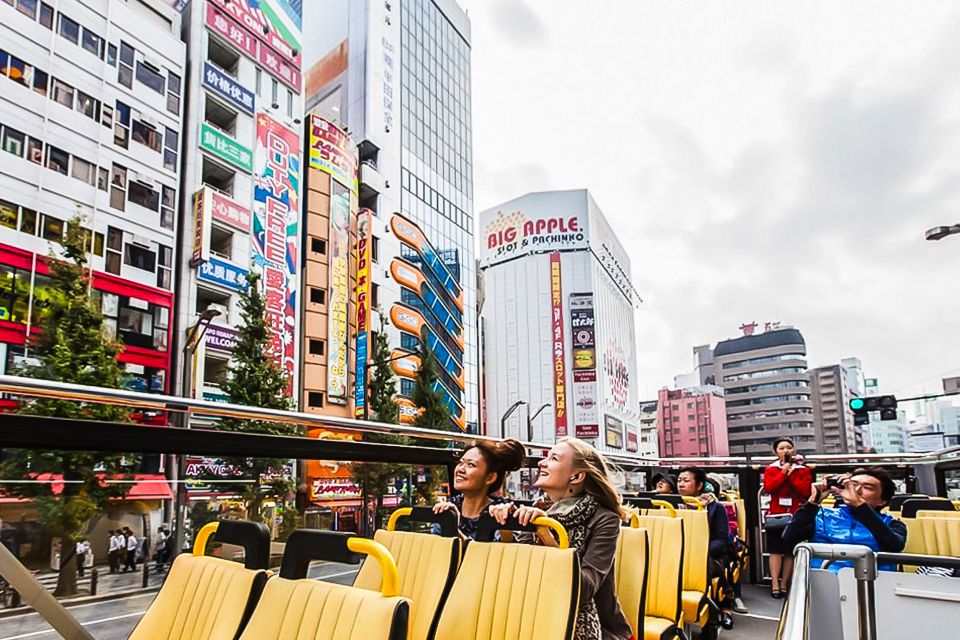
Your ticket gives you unlimited access to all routes. That means the big decision isn’t which bus line to buy. It’s how you’ll pace your day(s) so you don’t waste time waiting to re-board.
You’re picking between a 1-day or 2-day experience. If you want to do only one main loop and maybe add a short second stop, 1 day can work. If you want breathing room to explore multiple neighborhoods, a 2-day plan is usually the way to go. One of the most helpful strategies from real rider experience is using day one to get oriented, then cherry-picking what you want to go back to on day two.
Also note the practical rhythm: each loop is roughly a 2-hour circuit based on rider feedback. And buses don’t run constantly. There can be 30–45 minutes between buses, so if you hop off and wander far, you might miss the next one and end up waiting longer than you planned.
The good news? You’re not locked into staying on the bus all day. You can hop off and return at your convenience, as long as you’re mindful of the schedule. This is very different from a “one and done” guided day tour.
Finally, check how you board. The meeting point is in front of the Mitsubishi Building, but you can also board from stops across Tokyo if you have the QR code on your voucher.
Route 1: Tokyo Skytree Loop, Asakusa to Akihabara
This loop is the one I’d aim for if you want iconic Tokyo landmarks plus a bit of everything: old-meets-modern vibes, shopping districts, and big-view bragging rights.
The circuit starts back at Marunouchi Mitsubishi Building, then heads through stops like Kodemmacho Station and Ryogoku Edo-Tokyo Museum. Ryogoku is a smart early stop if you want a taste of Tokyo’s older identity, before the bus drops you into the more tourism-heavy river-and-market zones.
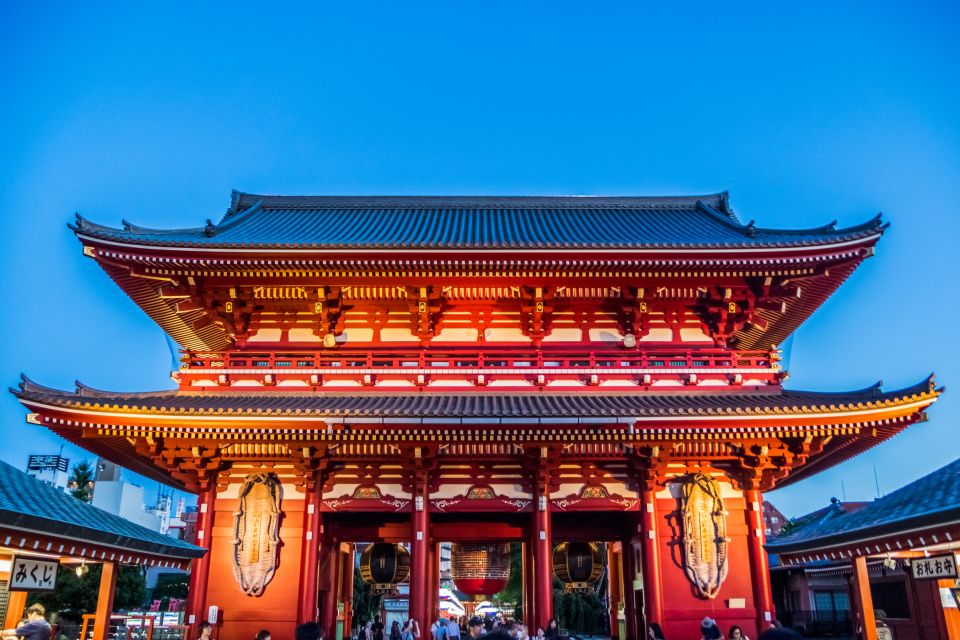
Next you reach TOKYO SKYTREE station, then slide into Asakusa with stops including Asakusa Hanakawado and Asakusa Tawaramachi. This is where you should plan for actual walking. Asakusa is the part of Tokyo where you’ll likely want time to explore streets, markets, and viewpoints at a comfortable pace rather than just getting a window glance from the top deck.
After Asakusa, the route moves to Ueno Matsuzakaya. Ueno is useful because it puts culture and shopping within reach of each other. From there you hop to Akihabara (Suehirocho), a neighborhood that’s best experienced on foot if you care about electronics, anime culture, or just the energy of the district.
Finally, you come back via Shin-Nihombashi Station to Marunouchi Mitsubishi Building. If you like a loop that covers both classic sightseeing and modern Tokyo contrast, this is a strong first choice.
Possible drawback: because this route covers popular areas (Asakusa and Akihabara especially), crowds can stack up around your hop-off time. The bus ride itself stays great, but your experience at stops may feel busy depending on the day and hour.
Route 2: Tokyo Tower and Tsukiji Ginza With a City-Views Focus
If your dream Tokyo skyline includes a red-and-white tower view, this is your loop. It’s also a nice option if you want food-and-shopping energy without having to jump between too many neighborhoods.
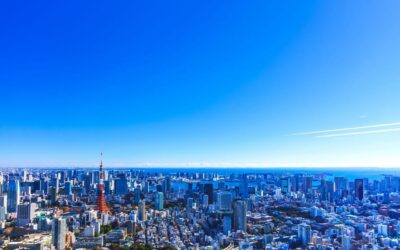
Starting again at Marunouchi Mitsubishi Building, the bus heads to Tokyo Tower. That’s an obvious landmark, but the value here is how the bus frames it. You get views while rolling through central Tokyo, then can hop off for closer photos or a viewpoint depending on your timing.
The next stop area includes Tokyo Prince Hotel/Zojo-ji Temple. Zojo-ji Temple is one of those places that adds depth to the scene. You’re pairing spectacle with something more grounded and traditional without changing your whole plan.
Then you pass by Tokyo Teleport Station, which is your clue that this loop isn’t only about the postcard center. It includes that more modern, transit-forward Tokyo feel too.
The route hits Tsukiji Ginza, one of the most convenient areas to explore if you want to browse and snack. This stop is practical: you can treat it as your lunch and wandering zone, then re-board when you’re ready to move again.
From Tsukiji Ginza, you return back to Marunouchi Mitsubishi Building.
A consideration: traffic can affect timing, and this loop goes through areas where congestion is common. If your main goal is a specific timed photo moment at Tokyo Tower or a particular meal window at Tsukiji/Ginza, give yourself buffer time. That’s how you avoid the classic Tokyo mistake of rushing between hops.
Route 3: Shinjuku and Shibuya Area Stops via Meiji Jingu
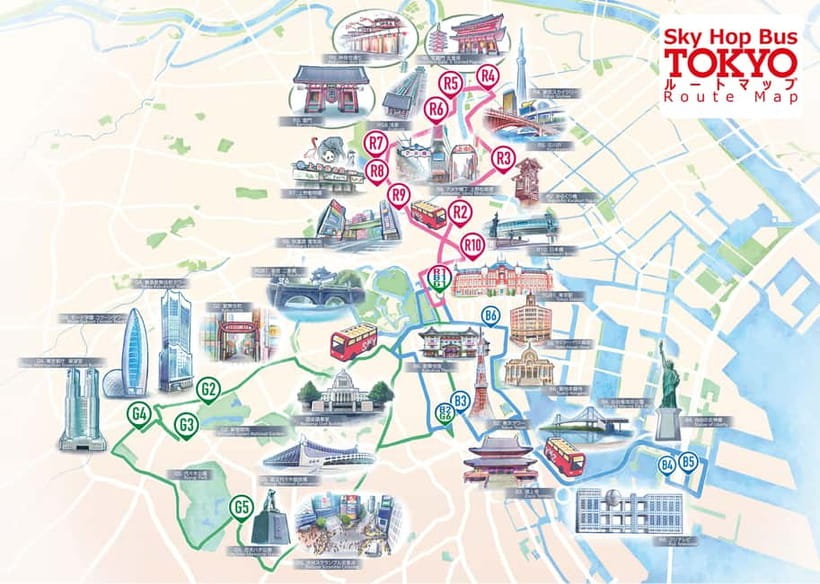
This loop is for modern Tokyo mood: tall buildings, big-station navigation, and a blend of trendy streets plus a shrine-side escape.
It also starts at Marunouchi Mitsubishi Building, then heads to Shinjuku-gyoemmae Station. If you’re using the bus to orient yourself, this is a good early move because Shinjuku can feel like five cities at once.
Next up: Shinjuku Station South Exit/Hotel Century Southern Tower. This stop is extremely useful if you want to connect onward via trains after your hop. Even if you don’t get off, it tells you where you are in the Shinjuku map.
The loop continues to Shinjuku Mitsui Building (Nishi-Shinjuku), then to Shibuya City Hall/Harajuku/Meiji Jingu Shrine. This is the catch-all segment where you can decide what you want most:
- If you want fashion and street energy, you’d aim for the Harajuku side.
- If you want a calmer reset after city intensity, Meiji Jingu is the kind of place you’ll appreciate.
- If you want the Shibuya rush, the Shibuya City Hall area is a strong starting point.
Finally, it returns to Marunouchi Mitsubishi Building.
Possible drawback: Shinjuku and Shibuya areas are busy by definition, so your walking time can expand quickly. If your goal is to do lots of quick hops, Route 3 can still work, but it rewards having a clear shortlist before you get off.






The Open-Top Ride Reality: Seats, Wind, and Weather Rules
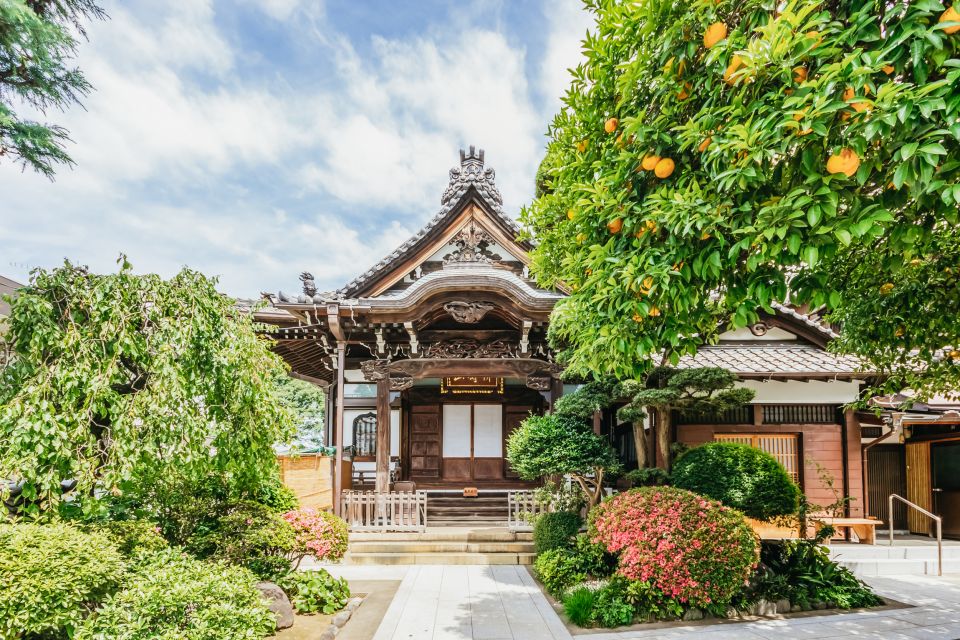
The bus is open-air, and there’s no air-conditioning. That’s the trade-off for skyline views from the top deck. On a sunny day, you’ll feel the sun. On a windy day, you’ll feel the wind. On a rainy day, you’ll get damp unless you manage it.
Here’s the practical stuff you should plan around:
- Seats are only on the second floor. The first floor is for storage.
- Standing while the bus is in motion is prohibited.
- Umbrellas are not allowed on board.
- If rain shows up, raincoats are distributed if needed.
During strong weather like typhoons or thunderstorms, the tour may not operate. So I’d treat this as a “morning and midday first” plan, not something you rely on as your only sightseeing card for a stormy day.
One more detail that matters: traffic congestion can delay the bus. That’s normal in Tokyo, but it changes how tight your hop-off timing should be. If you’re aiming for a specific dinner reservation after your last re-board, don’t schedule it too close.
Audio Guide on Your Own Device: 10 Languages and Common Gotchas
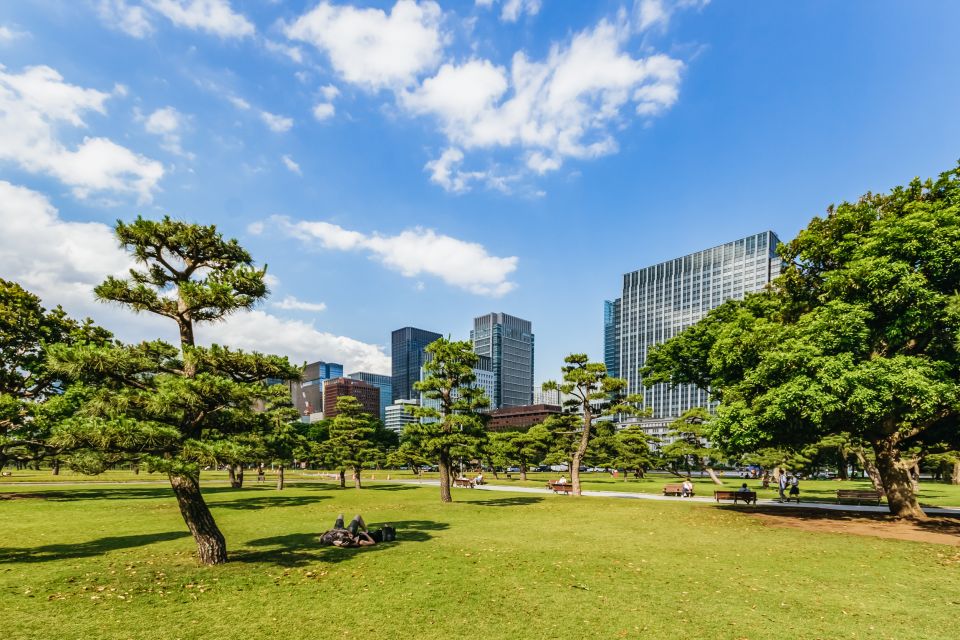
This is where the experience can either feel smooth or a little annoying, depending on your setup.
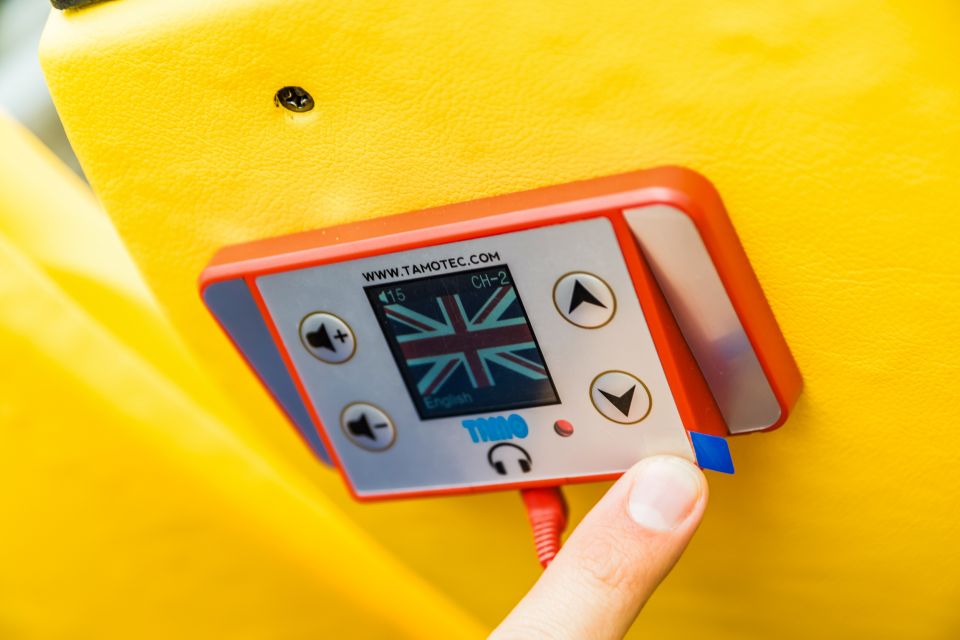
Sky Hop Bus Tokyo offers two audio options. Some buses may have a vehicle-mounted audio system, but it might not be available on every bus. The safer route for most people is to use the bring-your-own-device audio guide system.
With the personal device system, you can use your smartphone or tablet with earphones. It supports Japanese, English, Korean, Chinese, French, German, Spanish, Thai, Vietnamese, and Indonesian. If you use this system, keep in mind that data charges may apply and are your responsibility.
What about earphones? You’ll want to bring them. Even if the sound works without them, the bus environment makes it harder to enjoy the commentary clearly.
I’d also expect occasional tech friction. A rider reported that translation services didn’t work on some seats and they had to use the audio guide app. Another rider said recordings were sometimes cut midsentence. So I’d come prepared with a backup mindset: if the seat-mounted audio doesn’t behave as expected, switch to your personal device method.
The upside is that the commentary is designed to match the route stops, which makes it easier to decide what you want to see when the bus reaches each area.
Timing, Frequency, and How to Hop Off Without Getting Stuck
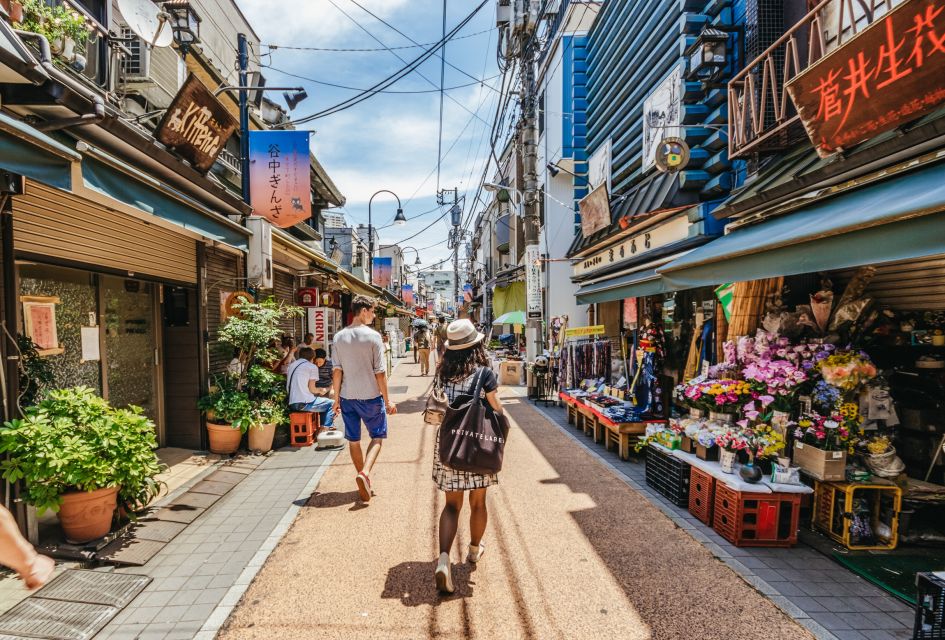
This ticket works best when you treat it like flexible sightseeing with a schedule, not unlimited free-range travel.
Based on rider experiences, buses may come with 30–45 minutes between buses and each circuit can take around 2 hours. That means your re-board time is a real thing. If you hop off and drift too far, you might miss your next bus and then wait longer.
Traffic can also slow things down. So instead of building your plan around exact minute-by-minute timing, I like a simple method:
- Decide which 1–2 attractions you truly want per stop.
- Spend enough time to enjoy them, but keep your return window realistic.
- If you get off mid-route, take a quick photo of the stop timetable and locate it on your map.
That one habit can save your afternoon. One rider shared that they had to hunt their way back to a stop after missing a bus by about 10 minutes, and the difference between frustration and calm was having the timetable details saved.
If you want the smoothest planning, a 2-day ticket also helps. It lets you do a loop once, get oriented, and then return for a more relaxed second visit rather than rushing everything in one day.
Where the $30 Price Feels Like a Good Deal (and Where It Doesn’t)
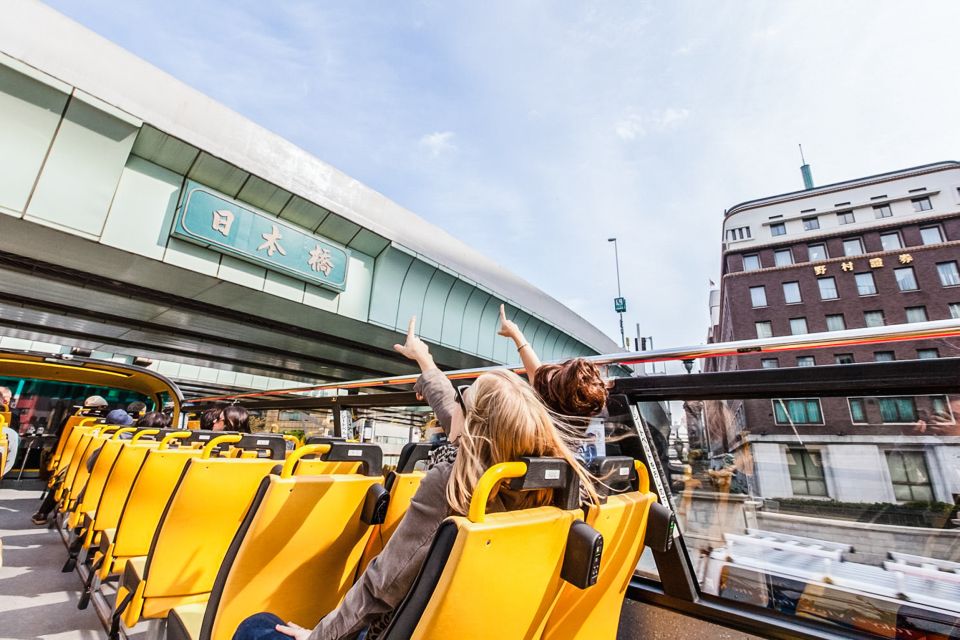
At $30 per person for 1–2 days, this bus ticket is basically paying for time, not just transport. In Tokyo, the cost of your time is high. If you’re trying to cover multiple districts and landmark clusters quickly, a hop-on hop-off ticket can be an efficient shortcut.
Here’s where it’s usually worth it:
- You have limited time and want a “big picture” day.
- You prefer not to coordinate routes under pressure.
- You like the idea of choosing your stop timing and exploring at your own speed.
- You’ll actually use the audio guide while you ride.
Where it might not be the best deal:
- If you’re a strict budget traveler and you’re comfortable using JR lines and metro to move district to district, trains can be cheaper.
- If you hate waiting, the bus frequency can feel slow. Some riders explicitly noted that waiting between buses was the biggest downside, and doing train travel can be faster for point-to-point movement.
My practical take: if this is your first day in Tokyo and you want to get your bearings fast, it often pays for itself in sanity.
Also, there’s a free shuttle service listed. The exact pattern isn’t detailed here, but having extra help to connect to the bus stops can reduce friction when you’re figuring out Tokyo for the first time.
Should You Book Sky Hop Bus Tokyo?
I’d book it if you want a low-stress way to hit Tokyo’s headline sights in one or two days. The strongest reason is simple: you can sit upstairs for the views, use the audio guide to understand what you’re seeing, and hop off when your interests line up. It’s a smart tool for first-timers and for anyone who wants flexibility without building a complex transit puzzle.
I’d think twice if you’re sensitive to heat or weather, since the buses are open-air with no air-conditioning. I’d also be cautious if you’re the type who dislikes waiting and wants constant departures. The route circuits are solid, but you may spend time waiting between buses.
If you want a practical rule of thumb: buy the 2-day option, start early, and treat each loop like a guided orientation. Then return on foot or by train to the places you truly want to linger.
FAQ
Where is the meeting point for the Sky Hop Bus Tokyo ticket?
The meeting point is in front of the Mitsubishi Building.
Can I board from any stop instead of only the main meeting point?
Yes. You can board from bus stops in Tokyo by using the QR code sent to you on your voucher.
Is hotel pickup included?
No. Transfers from or to your hotel are not included.
Is the audio guide included, and what languages does it offer?
Yes, the audio guide is included. You can use a personal device system with multiple languages, including English, Japanese, Korean, Chinese, French, German, Spanish, Thai, Vietnamese, and Indonesian. Vehicle-mounted audio may also be available on some buses, but it may not be on every bus.
Do I need to bring my own smartphone and earphones?
If you use the bring-your-own-device audio guide system, yes. You’ll need your own device and earphones. Data charges may apply and are your responsibility.
Are umbrellas allowed on the bus?
No. Umbrellas are prohibited on board, but raincoats are distributed if needed.
Will the bus run in severe weather?
If weather is severe, such as typhoons or thunderstorms, the tour may not operate. Traffic congestion may also cause delays.