REVIEW · TOKYO
Tokyo Cute Bento Cooking Class – Make a Kawaii Character Lunchbox
Book on Viator →Operated by Tokyo Cute Bento (Cooking class) · Bookable on Viator
Kawaii food art turns a simple meal into a fun little project. You’ll learn bento basics from the friendly crew (often led by Kenji) and build your own character lunchbox using fresh ingredients. One thing to consider: the workshop space is one level down, so give yourself a few extra minutes to find it.
This is a small-group class (up to 12 people) that runs about 2 hours, with a clear rhythm: intro, hands-on making, photos, then you eat what you made. You can also adjust for vegetarian/vegan needs and allergies like no nuts and no milk, as long as you tell them when you book.
In This Review
- Key Points Before You Go
- Why Kawaii Bento Is Such a Clever Tokyo Activity
- The 2-Hour Flow: Intro, Bento Build, Photos, Then You Eat
- Character Lunchbox Basics: What You’ll Actually Make
- Hands-On Bento Making: Beginner-Friendly Support That Helps
- Photo-Ready Kawaii: Your Take-Home Souvenir Meal
- Dietary Options and Allergy Care: Easy When You Mention It Early
- Price and Value: Is $66.07 Worth It?
- Location and Getting There: Underground, Under Pressure Only If You Rush
- Who This Workshop Is Best For
- Should You Book Tokyo Cute Bento?
- FAQ
- How long is the Tokyo Cute Bento cooking class?
- Is the workshop taught in English?
- Can the menu be adjusted for dietary restrictions?
- Where does the class meet?
- Will I get photos of my bento?
- What do I take home?
- What if I need to cancel?
Key Points Before You Go
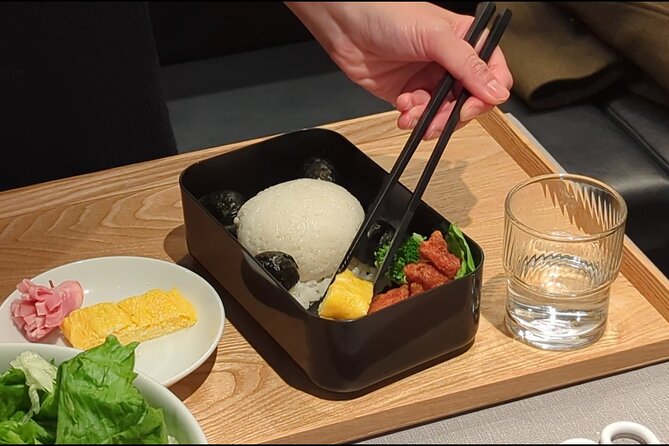
- Character bento design with a cute, edible goal you can recreate later at home
- Small group size (up to 12), so you’ll actually get help when you need it
- English-friendly instruction with all ingredients and tools provided
- Built-in photo moment with a backdrop so your lunch looks like it came from an anime panel
- Dietary accommodations including vegetarian, vegan, and specific allergy limits (no nuts, no milk)
Why Kawaii Bento Is Such a Clever Tokyo Activity
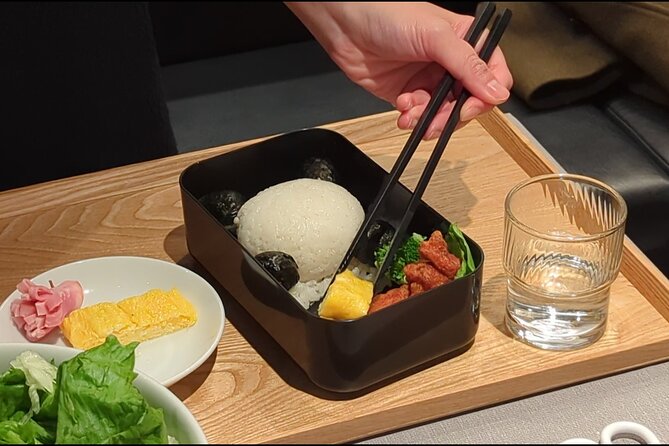
Tokyo bento culture is more than packed lunch. It’s food styling as a daily art form: portioning, color planning, and little shapes that make people smile before the first bite. That’s why this class feels different from a typical cooking demo. You’re not just watching food happen—you’re making it look like a character and then turning it into lunch.
What I like most is the blend of craft + cooking. You get to practice placement and shaping, then you eat it right away. Second, the instructors focus on keeping the experience organized and beginner-friendly, with step-by-step support and a photo-ready setup that makes the finished box feel like a real keepsake.
The only real drawback is logistical: the location is underground (地下1階) and described as one level down under a ramen shop. If you arrive late or rush, you’ll feel stressed right away. Build in a little buffer time and it turns from annoying into manageable.
You can also read our reviews of more cooking classes in Tokyo


The 2-Hour Flow: Intro, Bento Build, Photos, Then You Eat
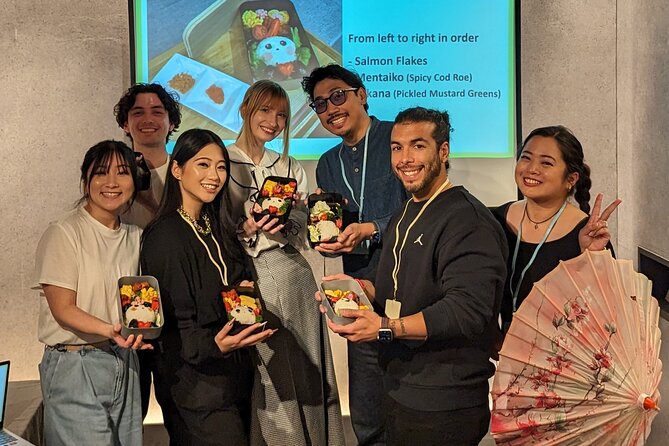
The schedule is tight, and that matters because bento is a hands-on skill. You’ll spend about 15 minutes on an intro to Japan’s bento culture. This part sets expectations: what makes a box “work” visually, how people think about balance, and why kawaii styling isn’t just for fun—it’s part of the culture.
Then comes the main block: about 60 minutes of hands-on bento making. This is where the class pays off. You’ll have instructions to follow, tools and ingredients ready for you, and guidance to keep you moving at a good pace without feeling rushed.
After that, you’ll do a 15-minute photography session. This isn’t an afterthought. It’s scheduled so you can style your finished creation, get photos with a backdrop, and not feel like you’re eating while trying to capture your masterpiece.
Finally, you’ll enjoy your meal for about 30 minutes. So even though the bento looks like art, you still leave with something fully edible—and you don’t have to guess what it tastes like. It’s all part of the same experience loop: make, photograph, eat.
Character Lunchbox Basics: What You’ll Actually Make
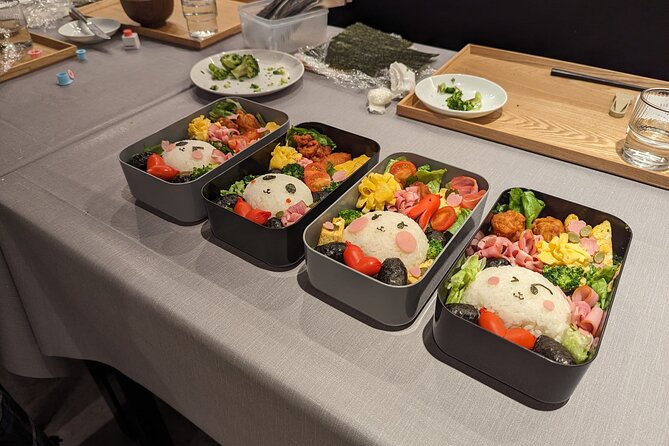
The goal is a “character” bento—cute, themed, and edible. Expect design ideas that could include panda or other seasonal styles. The class is structured so you can get a satisfying result even if you’ve never made bentos before.
In practical terms, you’ll be working with ingredients and tools already laid out for your session. That’s a big deal. Bento projects can fall apart when you’re missing supplies or trying to interpret steps on the fly. Here, the setup is meant to keep things smooth so your creativity has somewhere to go.
Also: you’re not just assembling random lunch components. The class frames bento as food art, so you learn how the parts relate visually—how the placement creates the character look, and how you can build cuteness without overcomplicating the process.
If you’re the type who likes taking home a skill, you’ll probably appreciate that you can recreate the general approach later. You’ll have a bento template in your head after you’ve done it once.
Hands-On Bento Making: Beginner-Friendly Support That Helps
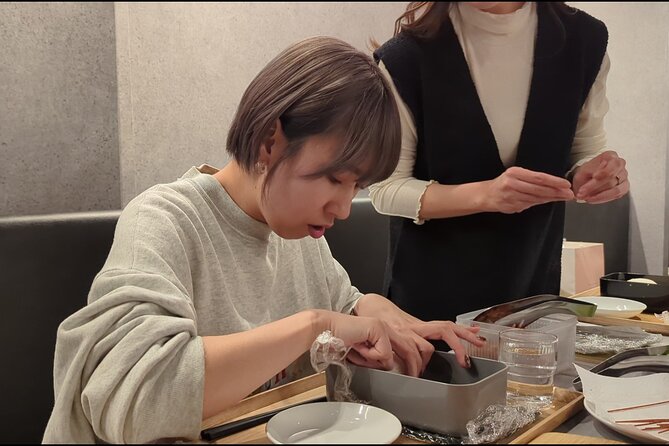
This is the portion where the class earns its high rating. The workshop is taught in a way that’s easy to follow, with clear instructions and enough assistance to keep you from feeling stuck.
Two things I’d call out as especially useful:
- Step-by-step guidance so you’re not guessing how to shape or position items.
- Patience and active help, often with instructors like Kenji, who take time with people and encourage creativity rather than treating it like a test.
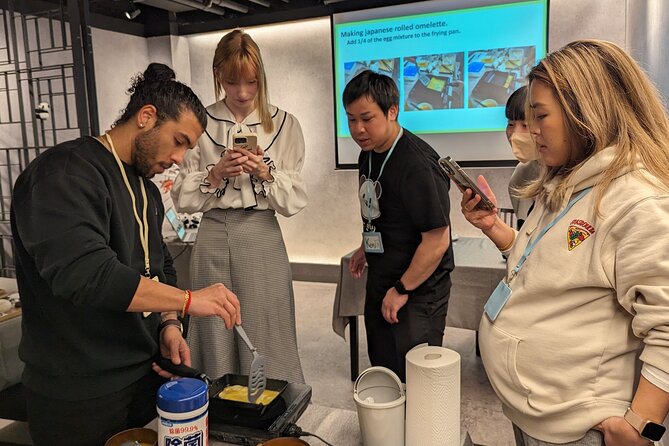
You may also see cooking techniques beyond basic assembly. Some sessions include help with items like rolled omelets and flower-like decorations, and there may be a short omelet demonstration. The main point for you: even if your focus is kawaii lunchboxes, you’ll still leave with a couple of practical cooking cues, not only a pretty final photo.
You’ll also get a “workable pace.” Bento takes time because details matter. The class timing matches that reality: enough minutes to do the steps, then enough time for photos, then enough time to actually eat and enjoy what you made.
Photo-Ready Kawaii: Your Take-Home Souvenir Meal
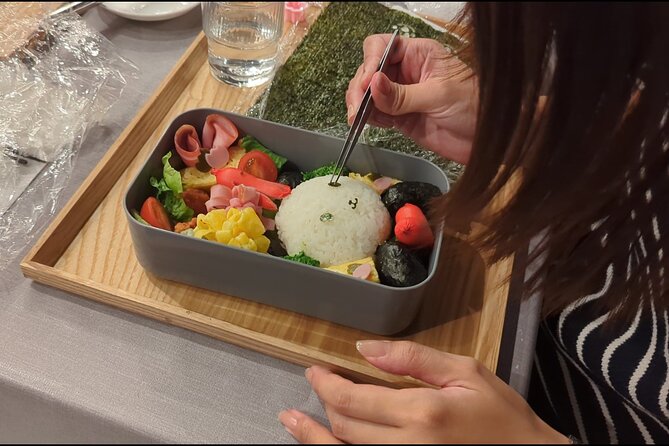
The photography session is one of the smartest parts of this class. Instead of rushing photos at the end, they schedule 15 minutes right after you finish. That means you can pause, adjust the presentation, and get pictures while everything still looks crisp.
You’ll typically have a backdrop option and a setup designed to help your bento look extra cute on camera. Some people go in expecting a casual workshop, then realize they walked out with content-worthy photos plus a real lunch.
And yes—you get to take your bento box home. That’s a value win. You get both immediate enjoyment (you eat during the class) and an extra edible souvenir, so the experience lasts beyond the two hours.
You can also read our reviews of more tours and experiences in Tokyo




Dietary Options and Allergy Care: Easy When You Mention It Early
This workshop is built to accommodate many dietary needs. You can request vegetarian or vegan options, and they can handle allergies such as no nuts and no milk, as long as you notify them at booking.
That small detail changes your whole experience. Bento cooking is often full of hidden ingredients—dairy, nuts, sauces, and toppings. Here, the class is set up to adjust the menu rather than forcing you to watch everyone eat something different.
Practical advice: if you have any restrictions, message them during booking with a clear list. Don’t assume they’ll infer everything. You’ll get a smoother experience and a safer meal.
Also note: the class can be conducted entirely in English, which helps if your Japanese is basic. Instruction style matters in hands-on cooking, and English support keeps you from missing key steps.
Price and Value: Is $66.07 Worth It?

At $66.07 per person, this class sits in the “pay for a skill + pay for a setup” category. You’re not just paying for ingredients. You’re paying for:
- a structured 2-hour teaching format,
- tools and ingredients already supplied,
- English-friendly instruction,
- a scheduled photo session,
- and the chance to take the box home.
In Tokyo, that adds up fast if you try to DIY it with store-bought bento supplies and a studio space for photos. Here, you’re getting the whole package in one block of time.
The value gets even better for families and groups. Bento making is naturally visual, so it works well for kids and adults who learn best by doing. If you’re traveling with someone who gets bored on long food walks, this is a built-in “do something” activity.
If you hate crafts or you’re expecting a full hands-on cooking feast, adjust your expectations. This is food art training. The meal is part of it, but the main output is your character lunchbox and the skill to replicate the approach later.
Location and Getting There: Underground, Under Pressure Only If You Rush
The meeting point is Tokyo Cute BentoJapan, Minato City, Akasaka 2-chōme (地下1階). People describe the venue as one level down under a ramen shop. That’s not hard once you spot the right entrance, but it can be confusing if you don’t plan for it.
My practical suggestion: when you arrive in Akasaka, take a moment to confirm you’re at the correct stairway/entrance before you start hunting. If you’re using transit, give yourself buffer time so you don’t feel flustered at the start of a hands-on class.
Once you’re inside, the setup tends to feel modern and organized, and you can jump into work quickly.
Who This Workshop Is Best For
This class fits best if you want a fun, creative break from typical Tokyo sightseeing.
It’s especially good for:
- people who like food styling and want a skill you can actually repeat at home
- families with kids or teens who enjoy making things (the process is hands-on and visual)
- anyone who wants a social activity in a small setting, not a crowded restaurant experience
- travelers who want a calm indoor option during rain or when walking feels like too much
If you’re very short on time, keep in mind it’s a committed 2-hour block. If you’re planning a packed day of temples, you’ll want to place it somewhere that doesn’t force you into a tight schedule.
Should You Book Tokyo Cute Bento?
If you’re curious about Japan’s kawaii food culture and you like structured hands-on activities, I think this is a smart booking. The biggest strength is that it’s not just a craft you watch from the sidelines. You build a character lunchbox, get help along the way, do a proper photo moment, and eat plus take home your creation.
Book it if:
- you want a beginner-friendly skill that feels creative, not intimidating
- you care about dietary accommodations and need clarity for restrictions
- you’d value English instruction and a small group format
Skip it (or pick another activity) if:
- you dislike detailed food presentation tasks
- you only want a traditional cooking experience with long, high-heat cooking steps
FAQ
How long is the Tokyo Cute Bento cooking class?
The experience runs about 2 hours (approximately).
Is the workshop taught in English?
Yes. The workshop can be conducted entirely in English.
Can the menu be adjusted for dietary restrictions?
Yes. Vegetarian and vegan options are available, and allergies can be accommodated (including no nuts and no milk) if you inform them at booking.
Where does the class meet?
It starts at Tokyo Cute BentoJapan, 2-chōme 21, Minato City, Akasaka, in地下1階 (an underground level).
Will I get photos of my bento?
Yes. There is a photography session scheduled during the class.
What do I take home?
You take your finished bento box home, and you also enjoy your meal during the class.
What if I need to cancel?
Free cancellation is available up to 24 hours in advance for a full refund.