REVIEW · TOKYO
Kamakura 8 hr Private Walking Tour with Licensed Guide from Tokyo
Book on Viator →Operated by Japan Guide Agency · Bookable on Viator
Kamakura hits hard, even in one day. I love the chance to stand close to the Great Buddha and I love how the day mixes big sights with small, calm temple corners. The trade-off is that you are walking and moving most of the day, so you’ll want a steady pace and good shoes.
This is a private tour with a licensed English-speaking guide, built around your choices (typically a few key sites, with room to add more). It also includes train time, so you’re not stuck doing math and guessing schedules on your own.
In This Review
- Key Things I’d Plan Around
- Kamakura Is the Fast Way to See Another Japan
- The 8-Hour Private Walk: How the Day Actually Flows
- Tsurugaoka Hachimangu to Kotoku-in: Big Spirit, Big Buddha
- Hasedera’s Viewpoints and the Hatobure Stop on Komachi Street
- Hokoku-ji Bamboo and the Calm Between Temples
- Zen Temple Cluster: Engaku-ji, Kencho-ji, and the Hillside Feel
- Camouflage Your Energy with Hiking Trails and Viewpoints
- Enoshima Island: Ocean Air and a Quick Island Detour
- Zeniarai Benten and Meigetsuin: Small Stops with Specific Meaning
- Lunch, Snacks, and the Real Cost of Convenience
- Price and Logistics: What $201.51 Buys You (and What It Doesn’t)
- Who This Tour Suits Best
- Final Call: Should You Book This Kamakura Private Walking Tour?
- FAQ
- How many sites will we see in an 8-hour day?
- Is the Great Buddha admission included?
- Are temple and shrine entrance fees included for other stops?
- Is lunch included?
- Do we travel by private car?
- Is this tour private?
- Do I get picked up somewhere in Tokyo?
- What if I need to cancel?
- Are service animals allowed?
Key Things I’d Plan Around
- Choose your “core” stops: You can pick the mix, and the day can cover about 4–6 sites from the options list.
- Public transport handled for you: Travel time is included, and your guide helps you get from Tokyo smoothly.
- Ocean + temples, same day: You’ll go from hilltop views down toward Enoshima.
- Bamboo time at Hokoku-ji: A small bamboo grove stop that feels like a breath of quiet.
- Try hatosabure on Komachi Street: Dove-shaped biscuits are part sightseeing, part snack.
- Zen temples beyond the postcard names: Stops like Engaku-ji, Kencho-ji, and more deepen the feel of Kamakura.
Kamakura Is the Fast Way to See Another Japan
Kamakura is one of those places that makes Tokyo feel modern and loud. Here you get sea air, old pathways, and lots of religion-shaped everyday life. The town is basically layered: shrine entry points, temple hill trails, and ocean viewpoints within easy reach.
What I like about doing Kamakura as a day trip from Tokyo is that you get contrast without the stress of changing hotels. You’ll start with major historic anchor sites, then gradually shift into the quieter side streets, bamboo groves, and small-temple corners where Kamakura feels less like a set and more like a living community.
You can also read our reviews of more walking tours in Tokyo

The 8-Hour Private Walk: How the Day Actually Flows
This is an 8-hour experience, and the time includes getting between places. You’re also not driving in a private vehicle—travel is done via public transportation, and the tour is a walking day. Pickup is offered in Tokyo on foot within a designated area, and you’ll meet your guide by walking to the meetup point.
So plan on movement. You’ll be doing short visits—often around 10 to 30 minutes at each stop—with time to get to the next place. That structure is great when you have limited time and want your day to feel organized. It’s less great if you want slow wandering with no timeline.
The best part of private guiding is that the pace and stop choices can flex. Many guides have been praised for adjusting on the spot—like swapping shopping time for extra sights, or fitting in specific requests such as a station stop on the Enoden line when it matters to you.
Tsurugaoka Hachimangu to Kotoku-in: Big Spirit, Big Buddha
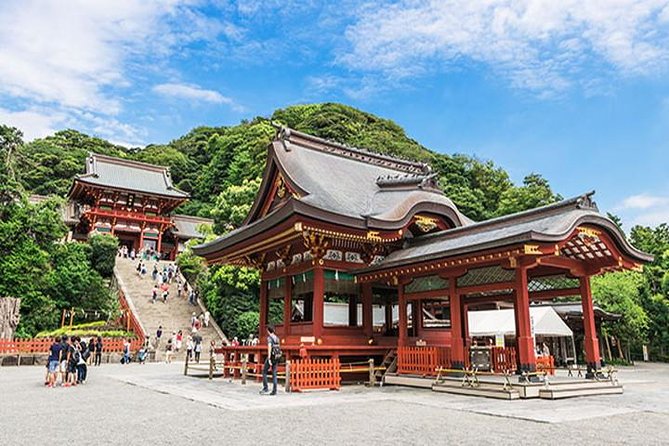
Your day often starts at Tsurugaoka Hachimangu Shrine, the main shrine tied to Hachiman, patron god of the Minamoto and samurai. It’s a strong opening because the approach and shrine setting tell you what Kamakura is about: power, tradition, and community ritual in one space. Admission is free here, so you can focus on the experience without thinking about tickets.
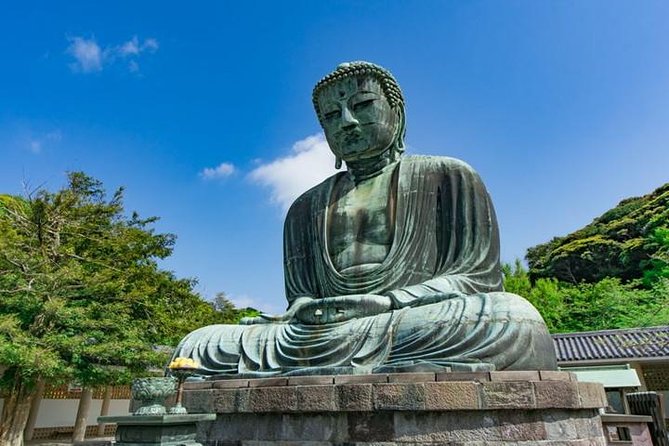
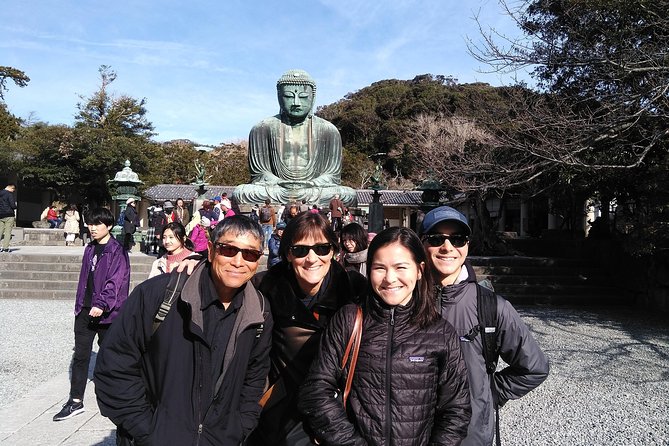
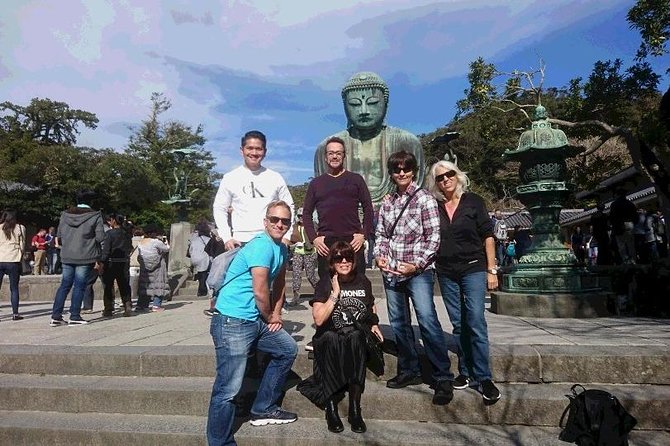
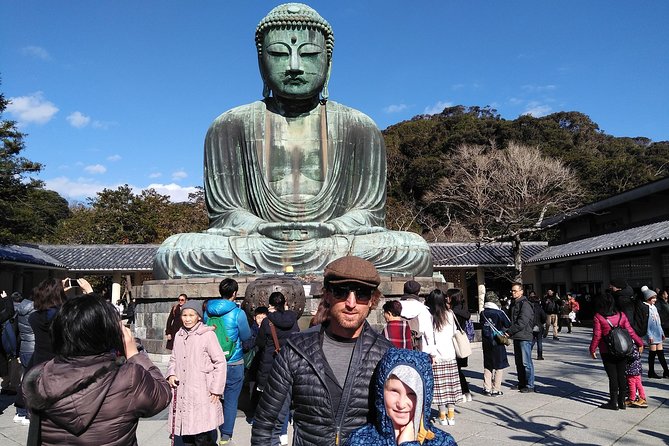
Next is Kotoku-in (The Great Buddha of Kamakura). This is the stop people talk about because it’s so physically impressive. The bronze statue of Amida Buddha stands about 11.4 meters tall on the temple grounds. Even if you’ve seen “big Buddha” statues before, this one has a specific calm weight—part monument, part living presence.
One practical note: Great Buddha admission is not included in the tour price, so budget for it separately. Still, this is one of the best value-per-minute sights in the area because it’s instantly understandable and hard to replicate on your own without planning.
Hasedera’s Viewpoints and the Hatobure Stop on Komachi Street
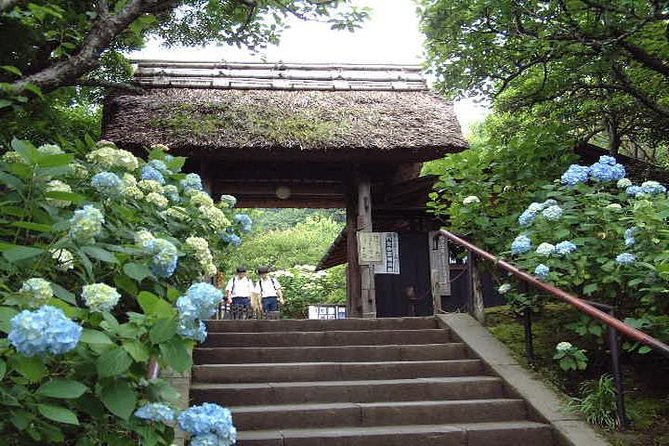
After the big landmark moment, Kamakura usually shifts gears into views and taste.
At Hasedera Temple, you’re heading up toward a lookout point. Hasedera is known for the eleven-headed statue of Kannon, goddess of mercy, and the temple is famous for the perspective from higher ground. The payoff is both spiritual and practical: you get a serious “ocean from above” feeling that makes the day travel feel real, not just checklist sightseeing.
Then there’s Komachi Street, the old shopping lane near Tsurugaoka Hachimangu. This is where the day becomes tactile—signage, textures, and snack smells. A highlight here is the dove-shaped biscuit called hatosabure. It’s not a museum artifact; it’s a quick local treat you can eat while you wander, and it gives the day a lived-in rhythm.
I’d treat Komachi Street as your reset. Even if you’re not a big shopper, take 20 minutes to snack, read what’s in the storefronts, and let your feet catch up.
Hokoku-ji Bamboo and the Calm Between Temples
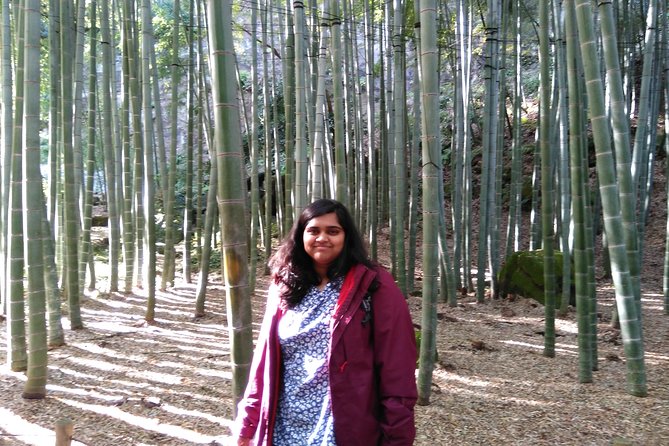
Not every Kamakura temple is built for crowds. Hokoku-ji Temple is one of the quieter magic moments because of the bamboo grove behind the main hall. The paths thread through dense bamboo stalks—over 2,000, dark green—and the space feels cooler and still, even on a busy day.
This stop is also a useful strategy for your day. After Great Buddha and another major temple, Hokoku-ji gives you contrast: same spiritual region, but a totally different sensory experience. It’s the kind of stop that makes the “private” part matter because a guide can help you time it and move you through without wasting your energy.
Most temple admissions are not included, so expect to pay for some entries individually as you go. Hokoku-ji itself is listed as not included for admission, so mentally earmark that.
You can also read our reviews of more guided tours in Tokyo

Zen Temple Cluster: Engaku-ji, Kencho-ji, and the Hillside Feel
Kamakura’s five great Zen temples are not all in one place, so the trick is building a route that connects them naturally. Stops like Engaku-ji and Kencho-ji are central to that Zen reputation. Engaku-ji is one of the leading Zen temples in Eastern Japan, founded in 1282. Kencho-ji is the number one of the five great Zen temples and the oldest Zen temple in Kamakura, founded in 1253.
What matters for you as a visitor is not just the founding dates. It’s atmosphere. Zen temples are designed for stillness, and Kamakura’s hillside setting adds space around you. When your route includes multiple Zen temples, the day becomes less like ticking boxes and more like slowly tuning your attention.
Some temple stops in the options list are shorter—often around 15 to 30 minutes—and many are not admission included. That’s fine. Think of them as “chapter breaks” in your Kamakura story: one main Zen site, then a branch temple stop to keep the day flowing without burnout.
Camouflage Your Energy with Hiking Trails and Viewpoints
Kamakura isn’t only temples-on-a-map. The tour options can include Kamakura Hiking Trails, which connect temples across hills. This is valuable because the town is surrounded by ocean to the south and wooded hills in other directions. When you walk a trail segment, you feel the geography shaping the place.
Even if you don’t do a full hike, getting a bit of trail time can make the day feel longer in the good way. It’s also a smart way to see how Kamakura temples use elevation and sightlines instead of just standalone buildings.
This is also where your footwear matters most. If your shoes are tired, this is the first part of the day that will punish you.
Enoshima Island: Ocean Air and a Quick Island Detour
Enoshima is a short ride west of Kamakura, connected by bridge to the mainland. Your tour can include Enoshima Island for around 30 minutes. It’s pleasantly touristy, but that’s also the point: you get sea scenery without needing a long trip logistics puzzle.
This stop works well after Zen temples because it breaks the “always uphill” feeling. You transition from temple calm to ocean energy—shrines, views, and the sense that Kamakura has always been a coastal town, not just a spiritual one.
Zeniarai Benten and Meigetsuin: Small Stops with Specific Meaning
Two of the most memorable shorter stops are also two of the most unusual.
At Zeniarai Benten Shrine, people wash money in the spring—“zeniarai” means coin washing. It’s a local belief with a visual action attached, so even if you don’t know the theology, you understand the ritual immediately. Admission here is free, which is a nice bonus.
Then there’s Meigetsuin (Hydrangea Temple). The temple is known as Ajisaidera because hydrangea bloom in abundance on the grounds. The tour time listed is short (often about 10 minutes), which means it’s a great “bonus stop.” If you’re visiting when hydrangeas are in bloom, this becomes even more special—if not, you still get the garden-temple vibe.
Other optional hill temples from the list, like Nichiren and Rinzai/Nichiren branch temples, can make your day feel more layered. Examples include Ankokuronji, Myohonji, Jochiji, Tokeiji, Jufukuji, and more. These are often not admission included and are timed as manageable stops between bigger anchors.
Lunch, Snacks, and the Real Cost of Convenience
Lunch is not included. That means you’re responsible for finding a meal on your own schedule. The good news is that the guide can help steer you toward practical choices close to your route. In some past departures, guides have even gone out of their way to find gluten-free dishes, and they’ve helped arrange dinner reservations when schedules allowed.
For value, think of the “tour price” as paying for three things:
- Someone else handles the public transport puzzle.
- You get the right mix of stops for your preferences.
- You lose less time because your guide manages timing and pacing.
So if you’re the kind of traveler who hates waiting in line while also trying to read signs in transit, this tour can be a big win. If you already love DIY transit planning and you’re comfortable picking sights without input, you might spend less money by going on your own. But you’ll likely spend more time figuring it out.
Price and Logistics: What $201.51 Buys You (and What It Doesn’t)
At $201.51 per person for an 8-hour private guiding experience, you’re paying for a licensed guide and a tailor-fit plan. Private guiding in Japan isn’t cheap, so the only fair question is whether you’ll use the day the way the tour is designed: short stops, good flow, and smart prioritizing.
What’s not included is important:
- Entrance fees for several sights (including the Great Buddha) are not included.
- Lunch and personal expenses are not included.
- Transportation fees/other costs aren’t listed as included, and the tour uses public transport rather than a private vehicle.
Where the value shows up is in how often guides adjust the plan to match you. Some guides (like Taka and Shinji) have been praised for asking what you want before the day and then building a route that maximizes your priorities. Others (like Andy and Nobu) have been praised for flexibility and for guiding through train and bus transfers efficiently.
Who This Tour Suits Best
This tour is a good fit if you:
- Want to see multiple Kamakura highlights without spending hours planning transit.
- Like temples and history but also want ocean views and snack breaks.
- Prefer a guide who can adjust when you change your mind mid-day.
- Are traveling with family members who benefit from steadier pacing and translation support.
It’s less ideal if you:
- Want a slow, book-like day in one neighborhood without moving often.
- Have very limited walking tolerance (this is a walking tour, and the day structure assumes mobility).
- Hate paying separate entrance fees at major sites.
Final Call: Should You Book This Kamakura Private Walking Tour?
If you only have one day and you want Kamakura to feel organized rather than frantic, I’d book it. The best reason is simple: your guide can turn an overwhelming list of temples and routes into a day that makes sense, with room for your priorities like Komachi Street snacks, Great Buddha time, and a bamboo grove reset at Hokoku-ji.
If you can handle walking and you’re willing to pay a few site admissions on top, this tour usually delivers more than a DIY half-plan would in the same time window. Pick your “musts” early, wear comfortable shoes, and treat it like a guided tasting menu: a few big bites, plus enough variety to leave you wanting to come back for slower temple wandering.
FAQ
How many sites will we see in an 8-hour day?
The tour is built around a customizable route. You can choose your top picks, and the experience can include about 4–6 sites from the listed options, with flexibility to focus on fewer core highlights if you prefer.
Is the Great Buddha admission included?
No. Admission for Kotoku-in (the Great Buddha) is listed as not included.
Are temple and shrine entrance fees included for other stops?
Many of the sites list admission as not included. Tsurugaoka Hachimangu is listed as free, while others vary and should be treated as separate from the tour price.
Is lunch included?
No. Lunch is not included, so you’ll plan for it during the day.
Do we travel by private car?
No. Travel is done by public transportation, and travel time is included in the tour hours.
Is this tour private?
Yes. It’s a private tour/activity, meaning only your group participates.
Do I get picked up somewhere in Tokyo?
Pickup is offered, and pickup is done on foot within a designated area. You’ll meet the guide within that Tokyo area.
What if I need to cancel?
Free cancellation is offered up to 24 hours in advance for a full refund. If you cancel less than 24 hours before the start time, the amount paid is not refunded.
Are service animals allowed?
Yes. Service animals are allowed.