REVIEW · TOKYO
Shinjuku Tokyo: Authentic Japanese Home-Style Culinary Class
Book on GetYourGuide →Operated by Wa No Kokoro Cooking Activity Class · Bookable on GetYourGuide
Japanese comfort food, taught step by step. In this Shinjuku Tokyo home-style culinary class, you pick a menu option, roll up your sleeves, cook a full meal, and then eat it together. What I like most is the mix of hands-on technique plus practical ingredient know-how, taught in English by instructors like Kana and Kayo. One thing to consider: menu choices can be limited if your date shares the class with another group.
I also love how flexible the food planning feels. You can request options for vegetarians and vegans, and if you have allergies, you can let the team know in advance so they can discuss what will work for your menu.
For many people, the biggest drawback is logistical rather than culinary: the studio is near Shinjuku, but the exact address comes after booking, so you’ll want to wait for that message and plan to arrive on time.
In This Review
- Quick Take: Shinjuku Japanese Home Cooking, The Hands-On Way
- Why This Shinjuku Cooking Class Feels More Like Home
- The 150-Minute Flow: Cook, Eat, and Take Notes for Later
- Before you start cooking
- During the cooking
- At the table
- Choose Your Menu: The Dishes That Define Japanese Comfort Food
- Menu A: Okonomiyaki and Yakisoba set
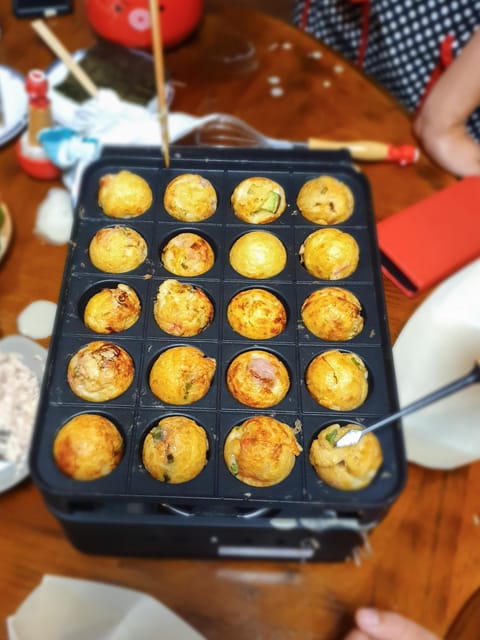
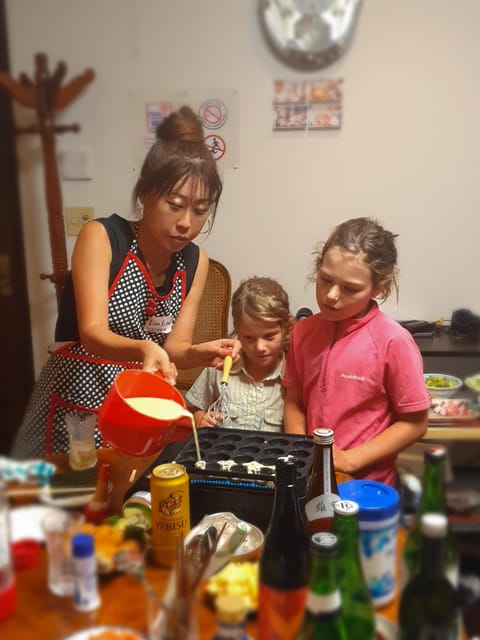
- Menu B: Gyoza and Takoyaki set
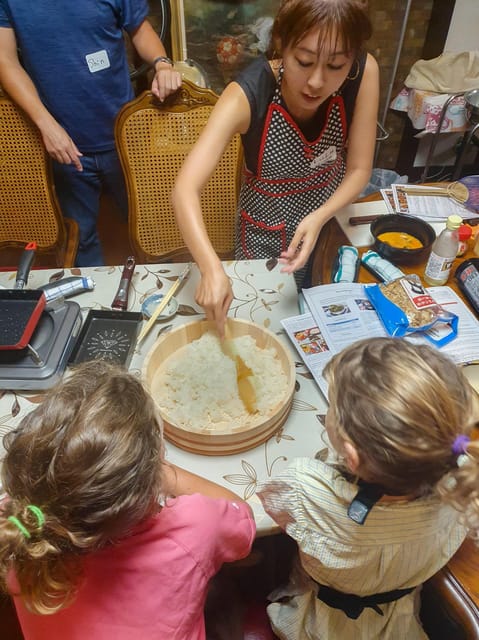
- Menu C: Rolled sushi, Teriyaki set, plus miso soup
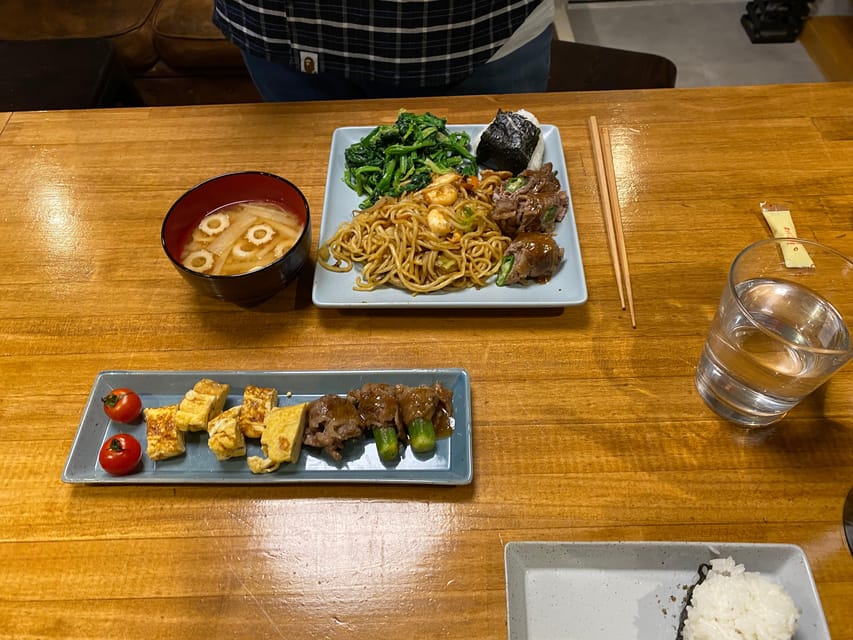
- Menu D: Traditional gozen set (meat, fish, side, soup, onigiri)
- Menu E: Request-based option
- Dietary Needs, Allergies, and How the Class Handles Real Life
- What You’ll Learn Beyond the Recipe
- Ingredient context that actually helps
- Technique that translates
- Local, everyday Japanese food choices
- Logistics: Where It Is and How to Not Waste Time
- Price and Value: Is $88 Worth It?
- Who This Class Is Best For
- Should You Book This Shinjuku Japanese Home-Style Class?
- FAQ
- What dishes can I choose from?
- Does the class accommodate vegetarians or vegans?
- Are allergies handled?
- How long is the cooking class?
- Is instruction available in English?
- Is transportation included in the price?
Quick Take: Shinjuku Japanese Home Cooking, The Hands-On Way
Make a full meal, not a demo
Choose from four popular menu options (plus requests)
English instruction with plenty of Q&A time
Vegetarian and vegan-friendly planning available
You’ll go home with recipes and practical technique
Why This Shinjuku Cooking Class Feels More Like Home
If you want Japanese food that feels real—not just copied from a restaurant menu—this class is aimed right at that sweet spot. The focus isn’t fancy restaurant showmanship. It’s everyday cooking: how batter behaves on a hot griddle, how dumpling skins turn crisp, how sushi rolls come together, and how a Japanese meal ends up balanced with sides and soup.
The setting matters too. The kitchen studio is in or around Shinjuku, putting you in central Tokyo without needing to escape to the countryside. It’s also the kind of place where you can ask questions without feeling rushed. Instructors such as Kana, Kayo, Kayo, Miyuki, Lulu, Chieko, and Mika are repeatedly described as friendly, patient, and focused on making sure everyone can follow along.
And you’ll likely leave with more than full stomach satisfaction. Several people come away saying they bought a pan to keep cooking at home, and many mention getting recipes to recreate what they made. That’s the value: you’re not just tasting Japan—you’re learning how Japan cooks.
You can also read our reviews of more tours and experiences in Tokyo



The 150-Minute Flow: Cook, Eat, and Take Notes for Later
This experience runs about 150 minutes, and the shape of the session is pretty consistent: prep, cook together, then sit down to enjoy the meal.
Before you start cooking
When you book, you choose a menu option (A through D) or you can request something custom under option E. The team also prepares ingredients beforehand. That doesn’t mean you do zero work. It means your time goes into learning technique and actually making the dishes, instead of spending the whole class chopping everything from scratch.
There’s one small catch to know upfront. The class notes say menu selection is best when you and your group are the only attendees that day. If another group shares the class timing, you may not be able to pick the exact menu option you wanted. It’s not a deal-breaker, but it’s smart to book with flexibility.
During the cooking
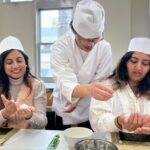
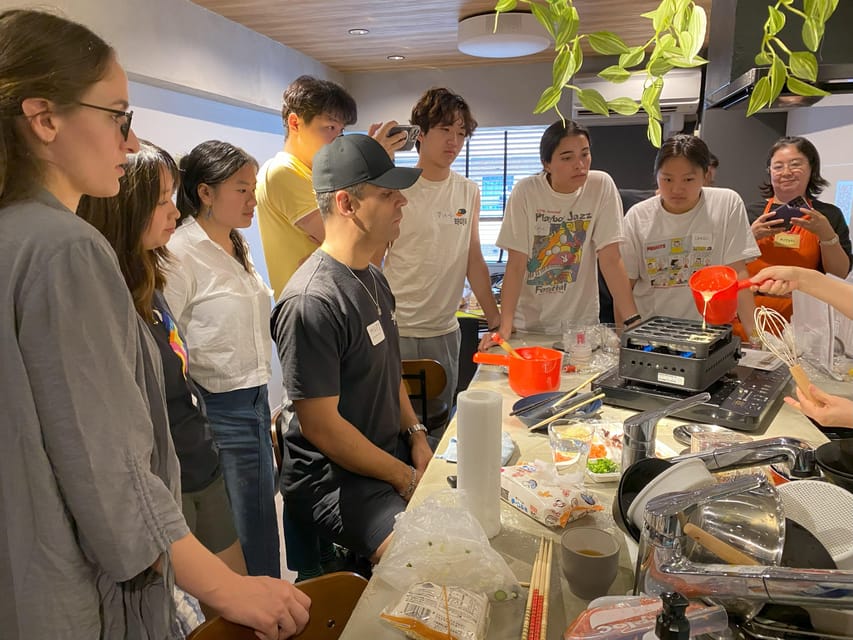
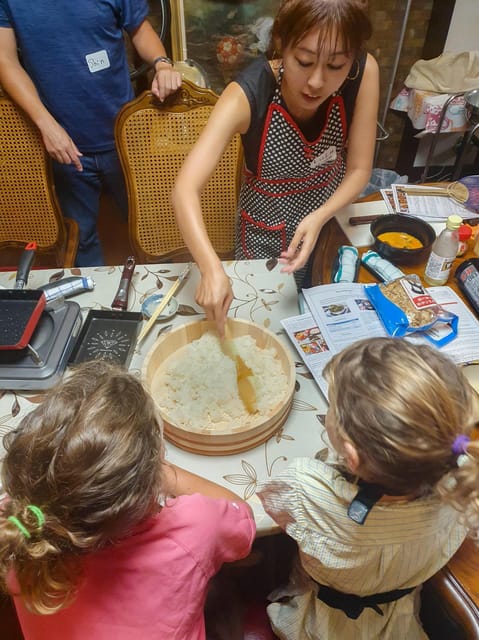
You’ll actively participate. The class format is built around you working with the core components—rolling, pan-frying, griddling, assembling, and plating. Instructors guide you step by step in English, and assistants may help with tasks so your group can keep moving.
At the table
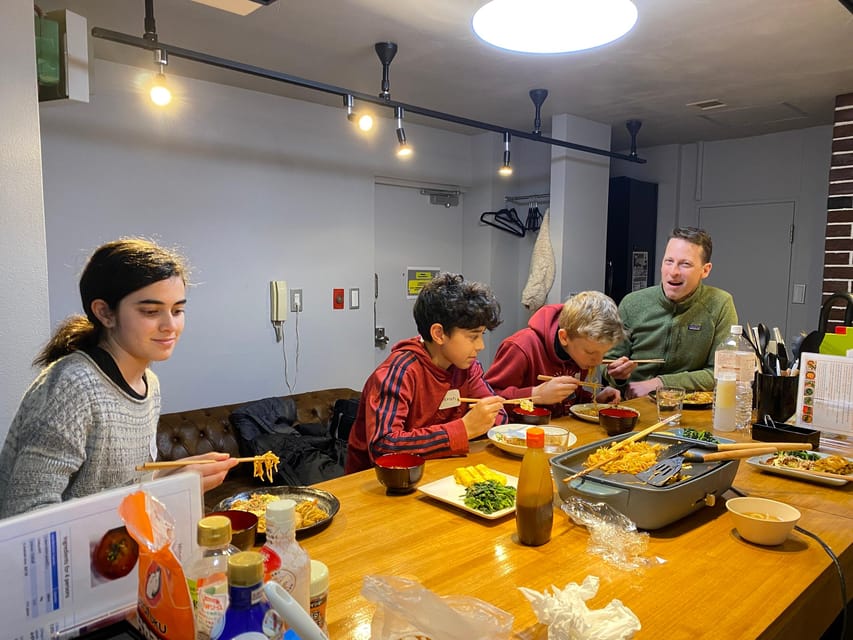
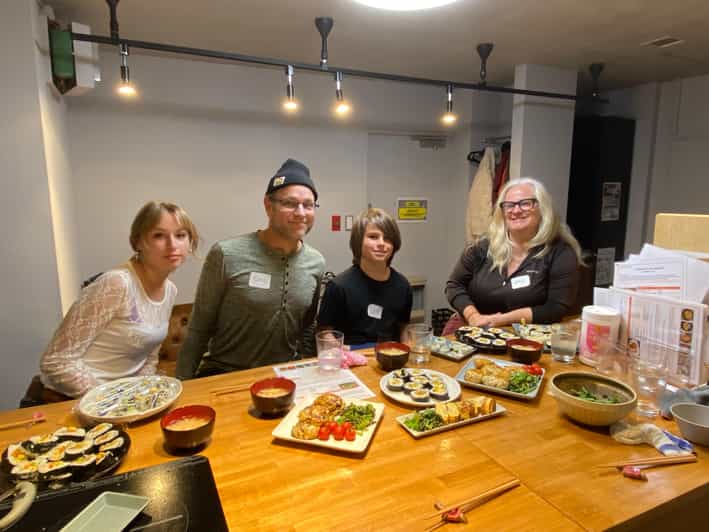
You don’t just cook and run. You cook everything, then enjoy the meal together. Expect a satisfying amount of food. People mention arriving hungry and still being full for a long time after, which makes sense given you’re making multiple items per menu.






Choose Your Menu: The Dishes That Define Japanese Comfort Food
This class gives you real choice, which matters because different dishes teach different skills. Here’s what each menu option typically centers on, and what you’ll learn from it.
Menu A: Okonomiyaki and Yakisoba set
Okonomiyaki is a savory cabbage-packed batter pancake, cooked on a hot teppan-style surface and finished with sauces and toppings. Yakisoba is a stir-fried noodle dish, usually with pork or seafood plus vegetables, and coated with a sweet-savory sauce.
Why this menu works:
- You learn batter handling and heat control (how thick vs. thin affects texture).
- You practice timing: noodles and toppings need attention, not just heat.
- It’s a great intro if you’re curious about Japanese street-food flavors that still feel at home.
Menu B: Gyoza and Takoyaki set
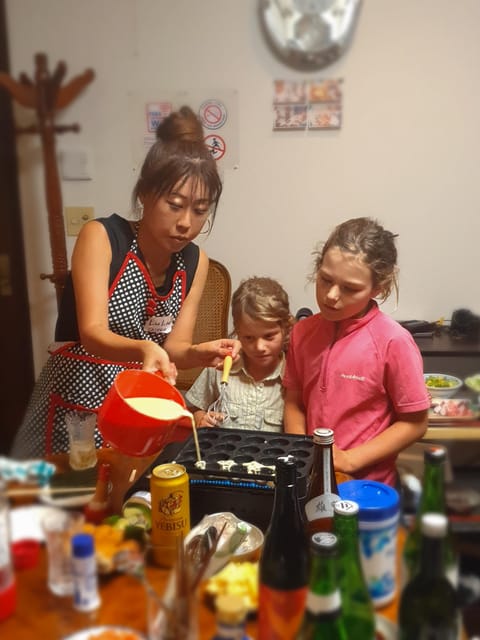
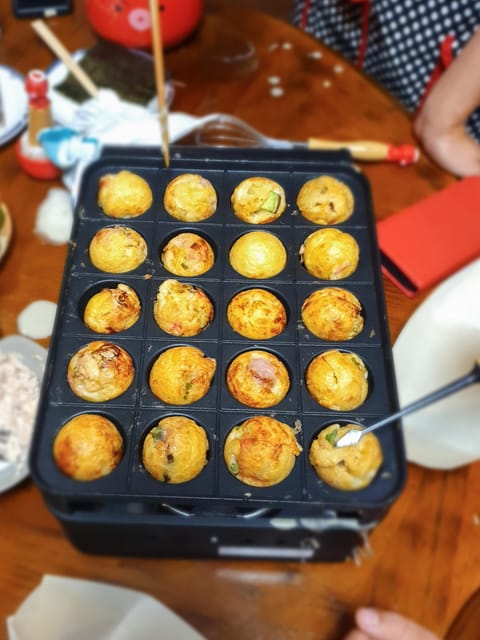
Gyoza are pan-fried dumplings with a crisp base. Takoyaki are famous Osaka-style octopus dumplings—round, bouncy, and cooked in a special mold.
Why this menu works:
- Gyoza teaches crisping technique and flipping rhythm.
- Takoyaki teaches stuffing and turning—small motions that change the final shape.
- If you think you already know these foods, cooking them yourself tends to surprise you in the best way.
Menu C: Rolled sushi, Teriyaki set, plus miso soup
This menu focuses on making sushi rolls yourself instead of relying on pre-made items. You’ll roll and chop your own pieces, then eat them with either yellowtail or chicken teriyaki, plus miso soup.
Why this menu works:
- Sushi rolling is hands-on and satisfying; you’ll better understand why certain steps matter.
- Teriyaki teaches a simple flavor-building approach that’s easy to repeat later.
- The miso soup rounds out the meal so it feels like a balanced Japanese table.
Menu D: Traditional gozen set (meat, fish, side, soup, onigiri)
Gozen is where Japanese meals show their “everything in balance” mindset. This set includes multiple components: a meat plate, a fish plate, a side dish, miso soup, and onigiri (rice ball). It’s designed for people who want variety and a more traditional feel.
Why this menu works:
- You learn how a Japanese meal is built, not just one dish.
- Onigiri is a practical skill for future picnics and lunches.
- It’s a solid choice if you want to sample what a “home dinner” can look like.
Menu E: Request-based option
If none of the fixed menus feel right, you can request a menu. The team says they can discuss and decide together. This is also a useful route for dietary needs, within what’s available.
Dietary Needs, Allergies, and How the Class Handles Real Life
This is one of the strongest reasons to book. The class is designed to accommodate dietary preferences, including vegetarians and vegans. The team also asks you to let them know about food allergies in advance so they can discuss what menu options will be available.
In practice, that means the class isn’t pretending everyone eats the same way. It tries to adapt the plan. People in the feedback highlight that special requests were worked into the meal—for example, substitutions like chicken teriyaki in place of other options when appropriate.
Practical advice from a “make it go smoothly” perspective:
- Send allergy details early and clearly.
- If you have multiple restrictions, list your top priorities (for example: dairy-free first, then shellfish-free).
- Expect more discussion than a yes/no answer, because cooking at home-style level often requires ingredient-level decisions.
What You’ll Learn Beyond the Recipe
A cooking class can be either a script or a skill. This one leans toward skills—technique plus ingredient logic—so you can cook at home later without guessing.
Ingredient context that actually helps
Instructors explain how ingredients are used, not just what to add. Several people note that they learned about Japanese ingredients and why they matter. That’s the difference between following a recipe and understanding how it works.
Technique that translates
You’ll likely notice patterns as you cook:
- Heat management changes texture fast (especially for okonomiyaki and gyoza).
- Timing keeps the dish from going bland or burnt.
- Plating and finishing are part of the flavor, not decoration.
And yes, you may also take photos and receive instructions afterward. That combination helps you repeat the dishes with fewer mistakes.
Local, everyday Japanese food choices
The menu picks are classics—dishes you can find across Japan—but they’re also the kind of food Japanese people recognize as normal, not rare. That’s what makes the class feel authentic: you’re learning a home cooking reality, not a theme-park version.
Logistics: Where It Is and How to Not Waste Time
The meeting point is a kitchen studio in or around Shinjuku, Tokyo. The exact address is provided after booking, and you’re instructed to wait for the message after your booking.
That matters because Shinjuku is big. A few minutes of lost time on arrival can make the class feel rushed, and this experience is best when you show up ready to cook. If you’re walking in from Shinjuku Station, give yourself a small buffer.
Also note:
- Private transportation isn’t included, so plan your own route by train/taxi.
- The class language is English, so it’s easier to ask questions without a translator.
Price and Value: Is $88 Worth It?
At $88 per person, this class sits in the mid-to-upper range for Tokyo activities. The value question is simple: what’s included, and what skills do you take home?
Here’s what you get:
- All fees and taxes
- Cooking tools
- Ingredients
- Drinking water
- A full 150-minute cooking-and-eating experience
And the “hidden value” is the learning itself. This isn’t a quick tasting stop. You’re actively preparing several dishes in one session. Many people end up feeling like they got enough food to last them well into the day, which makes the cost feel more reasonable.
If you’re the type of traveler who already enjoys cooking—especially dumplings, noodles, sushi, or comfort-griddled meals—this is one of those prices that tends to feel fair.
Who This Class Is Best For
This fits a lot of travelers, but it especially suits:
- Food lovers who want to cook, not just watch
- People who like street-food flavors but want the technique behind them
- Vegetarian or vegan travelers who want real planning (not a sad substitute)
- Families and mixed-age groups, since instructors often keep things friendly and accessible
- Anyone who wants practical skills for future meals at home
If you hate cooking and only want to eat, you might feel less satisfied because the class centers on your participation. But if you’re curious and a little hungry for technique, it’s a strong match.
Should You Book This Shinjuku Japanese Home-Style Class?
I’d book it if you want a true Tokyo cooking day that’s hands-on, balanced, and built around classic home-style dishes. The combination of menu choice, English instruction, and dietary flexibility makes it more useful than many “one-dish” cooking experiences.
Hold off if:
- You’re very strict about choosing a specific menu and your schedule might clash with another group.
- You don’t want any cooking involvement and only want tasting.
- You’re the type who hates logistics related to getting the exact address by message.
Otherwise, this is the kind of activity that gives you a story you can recreate at home—okonomiyaki on a griddle, gyoza crisped right, takoyaki turning in the mold, sushi rolls cut neatly, or a gozen set that feels like a full Japanese dinner.
FAQ
What dishes can I choose from?
You can choose one of four set menus: A (Okonomiyaki and yakisoba), B (Gyoza and takoyaki), C (rolled sushi and a teriyaki set with miso soup), or D (traditional gozen set with multiple plates, miso soup, and onigiri). There’s also an option to request a menu (E) and discuss it with the instructor.
Does the class accommodate vegetarians or vegans?
Yes. The experience is designed to accommodate dietary preferences, including vegetarians or vegans. If you have specific restrictions, you should let the team know in advance so they can discuss options.
Are allergies handled?
If you have food allergies, you should tell the team in advance. They say they can discuss your menu and available options based on your needs.
How long is the cooking class?
The class lasts about 150 minutes, including time to cook and then enjoy the meal together.
Is instruction available in English?
Yes. The instructor speaks English, and the class is run in English.
Is transportation included in the price?
No. Private transportation is not included. The kitchen studio is in or around Shinjuku, and the exact address is sent after booking.