REVIEW · TOKYO
Tokyo: Grand Sumo May Tournament
Book on Viator →Operated by Arumachi · Bookable on Viator
Sumo feels simple until you’re watching it live. This tour adds the missing context: the rituals, the place, and what you’re actually seeing. You start in Ryogoku, then move into the Ryogoku Kokugikan for a guided understanding of the tournament.
Two things I like a lot: first, you don’t just sit in the stands. You get a pre-bout walking tour that makes the neighborhood’s sumo culture click, with guides calling out landmarks like sumo-related shrines and stables. Second, the live bouts come with real-time commentary delivered right to you through personal earphones, so you’re not guessing what just happened.
One thing to consider: guide style can vary. A few reviews note guides who are quieter, and if you want lots of back-and-forth chat, you may need to ask specific questions. Also, the experience is priced like a premium package, so you’ll want to value the guided context and help getting into the arena more than just the ticket itself.
In This Review
- Key things to know before you go
- Ryogoku Kokugikan: the theater of sumo
- Why this tour beats a DIY sumo ticket
- Ryogoku walk (13:00–15:00): stables, shrines, and sumo town vibes
- The Kokugikan arena tour (15:00–18:00): murals, prizes, and museum time
- Seat choices that affect your comfort
- Optional chanko-nabe dinner after the matches
- The guide experience: English support and real tournament context
- Price and booking timing: what you’re really paying for
- Who should book this sumo day tour
- Should you book this Grand Sumo May Tournament tour?
- FAQ
- What’s included in the tour package?
- How long is the Grand Sumo tour?
- Where does the tour take place?
- Do I get commentary during the bouts?
- Are tickets included?
- Can I choose where I sit in the arena?
- What about the chanko-nabe dinner option?
- Can I cancel for a full refund?
Key things to know before you go
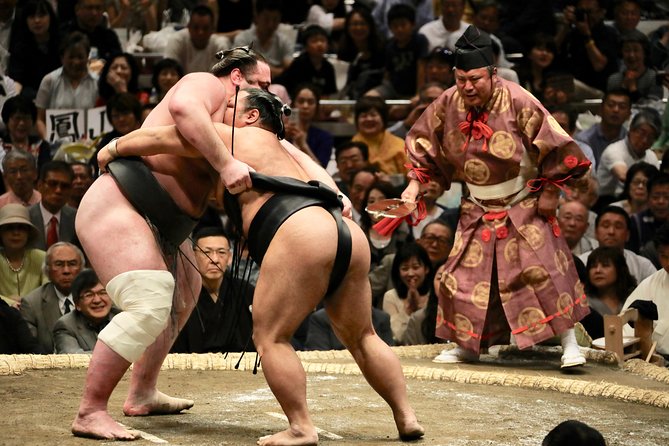
- Headset commentary during bouts helps you follow the action without missing the rituals
- Ryogoku walking time adds meaning before you ever enter the arena
- Arena “warm-up” stops include murals, championship prizes, museum time, and yokozuna-related displays
- Seat options include chair seating on the balcony (chair B or C)
- Optional chanko-nabe dinner is hearty and close to the arena, but drinks aren’t included
- Group size capped at 35 keeps the tour from feeling like a huge cattle call
Ryogoku Kokugikan: the theater of sumo
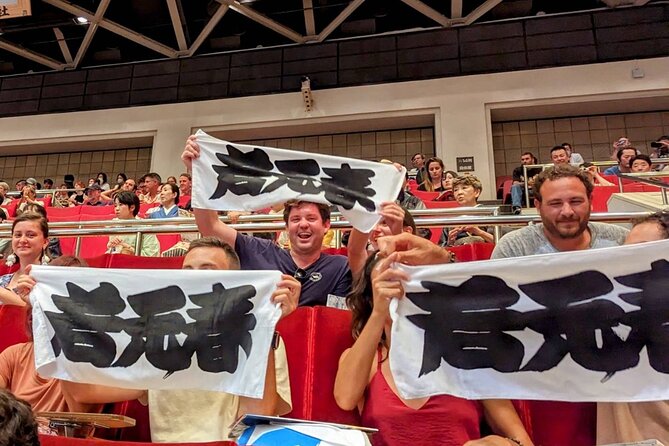
If you’ve only seen sumo on TV, the biggest surprise is how ceremonial it feels in person. The movement is fast, sure, but the in-between moments matter just as much: the pacing, the routines, and the way the crowd gets pulled into the drama.
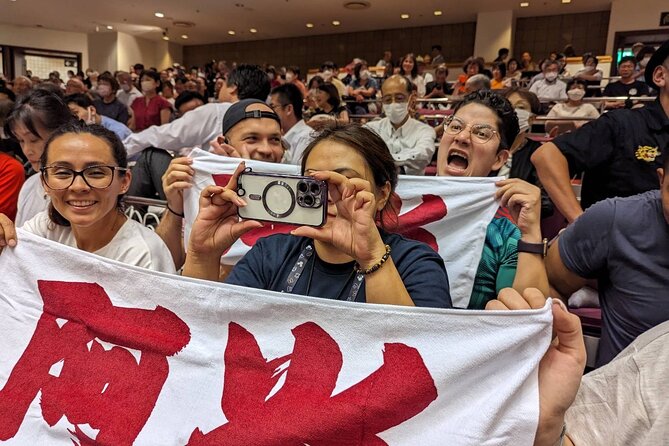
This tour is built around that reality. You’re not dumped into seats and told good luck. You’re brought into the neighborhood first, then shown around the arena before the day’s bouts begin. That turns the Kokugikan from a loud stadium into a place with layers you can actually notice.
And because it’s a private tour format with English guidance, it’s easier to ask questions when something doesn’t make sense. You’re hearing explanations, not just reading signs in Japanese.
You can also read our reviews of more tours and experiences in Tokyo.



Why this tour beats a DIY sumo ticket
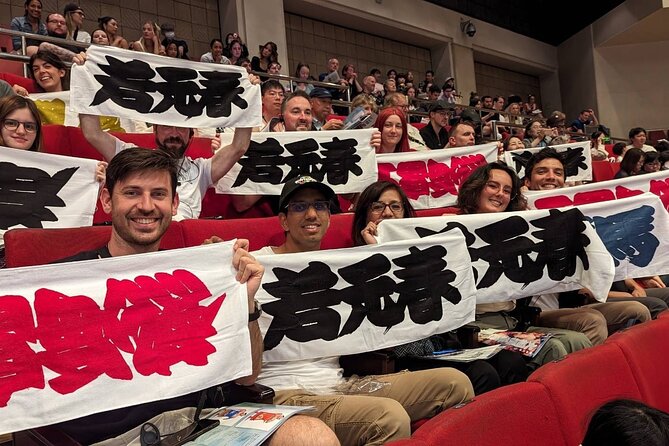
Buying a ticket gets you the event. This package gets you the why behind it.
Here’s the practical difference:
- You start with a history-and-culture walk in Ryogoku, so the tournament isn’t just sport—it’s part of a local identity.
- Once inside, you get an arena walkthrough, plus museum time and guided pointing out of big visual markers like murals and championship prizes.
- During the bouts, you receive real-time commentary through personal earphones, so you can follow what’s happening even when the crowd energy is high.
You also get useful take-home support: an information package with tournament info, sumo ranking, and profiles of prominent wrestlers. That matters because sumo names and ranks can be a blur when you’re standing there.
One more small but real bonus: the tour includes cheer-up goods so you can pick (and root for) a particular wrestler. That’s the kind of detail that makes you feel like part of the day, not just a spectator.
Ryogoku walk (13:00–15:00): stables, shrines, and sumo town vibes
This first stretch runs about two hours and is designed to deepen your enjoyment later in the arena. It’s the part that turns sumo from a match into a story.
What you can expect:
- A guided walking tour around Ryogoku, Tokyo’s traditional sumo wrestling hub
- Visits to historical sumo landmarks
- Time connected to sumo spaces you’d otherwise miss when you’re just passing by
The standout benefit is framing. When you later see bouts inside the Kokugikan, you’re more likely to notice the traditions that would otherwise feel like background noise.
From guides’ styles, you may get extra atmosphere added in. For example, some guides (like Ken in past tours) have been described as leading visits to exterior areas of sumo stables and a shrine near the Kokugikan, with added storytelling such as singing the sumo song. Even if your guide doesn’t do the same extra flourish, the purpose is consistent: you’re meant to leave the walk with context you can feel during the matches.
Practical tip: this part is a walking tour. Plan on comfortable shoes and a light layer, because Tokyo weather can be unpredictable.
The Kokugikan arena tour (15:00–18:00): murals, prizes, and museum time
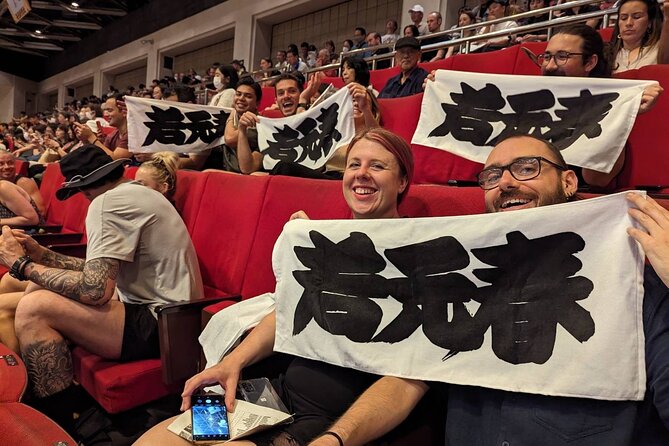
The heart of the day is your time at the Ryogoku Kokugikan, roughly three hours.
Before the bouts start, you get a guided inside look that most people skip. This isn’t just photo-taking. It’s structured stops, including:
- Murals and large displays (including murals listed at 10m)
- Championship prizes (also noted at 10m)
- A sumo museum stop (about 15 minutes)
- Additional paintings/photos tied to successive yokozuna
These details matter because sumo is big on lineage. Seeing the visual record of champions helps you understand what you’re watching when the top wrestlers step into the ring later.
Then comes the viewing:
- You watch the bouts, and your guide gives live commentary via personal earphones
- Your guide explains key routines so you understand what’s happening between bouts
This headset setup is especially valuable in a stadium environment. Sound carries weirdly in big venues, and crowds can drown out spoken explanations. With earphones, you get the guide’s pacing directly, even if you’re seated farther back.
If you’re a first-time sumo fan, this is where the tour earns its keep. Watching with commentary is the difference between watching strength and watching ritual.
Seat choices that affect your comfort
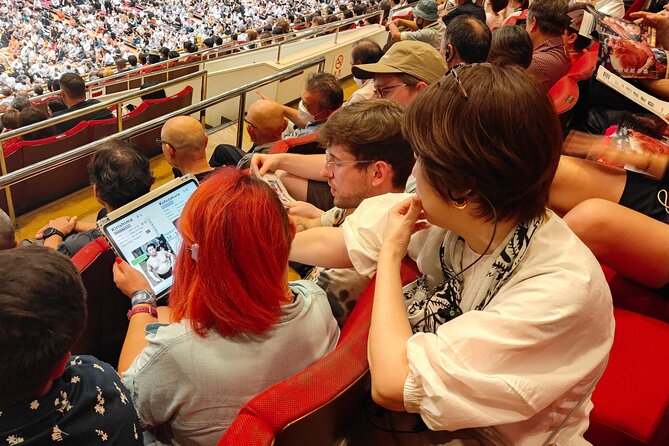
This tour offers a chair option. That’s a genuine comfort upgrade, not a tiny perk.
What you need to know:
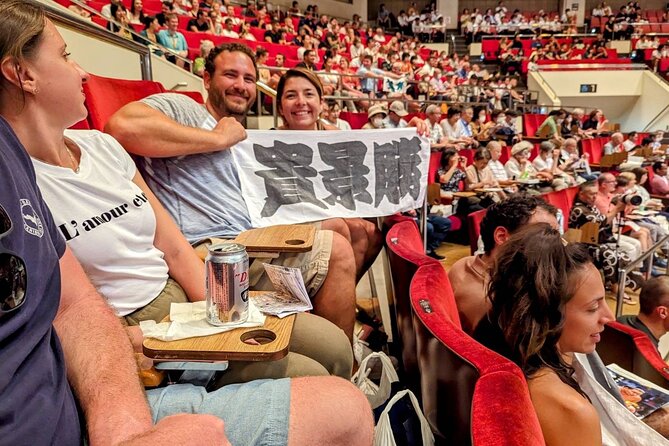
- Chair seating is on the balcony. Your seats are listed as chair B or chair C
- If you choose not to use the chair option and you’re on the first floor, you may sit on a flat floor
- One description notes chair seating can be more comfortable than first-floor box seating where cushions sit on a smaller square floor
If you’re sensitive to sitting on hard surfaces or you just want an easier day, choose the chair option. It’s the kind of decision that affects your experience more than people think, especially when the tournament atmosphere has you paying attention for hours.
Also note that your exact placement can matter for sightlines. Past tours have described getting good seats on the second floor, which is consistent with the emphasis on balcony viewing for comfort.




Optional chanko-nabe dinner after the matches
After the arena time, there’s an optional dinner: chanko-nabe, a hot-pot dish favored by sumo wrestlers.
The dinner piece is short—about an hour—and the plan is straightforward:
- Your guide takes you to a restaurant near the arena
- You eat a wrestler-style nutrient hot-pot
Two practical notes based on what you’re told in advance and what diners have noted:
- Drinks are not included, so expect to order separately
- The hot pot can include a lot of fish ingredients. If you’re not a fish eater, check first or be ready for a heavy seafood mix
On the plus side, the dinner is timed to avoid a long slog afterward. One review described it as filling and ready upon arrival with no waiting, and that’s exactly what you want after a long tournament block.
The guide experience: English support and real tournament context
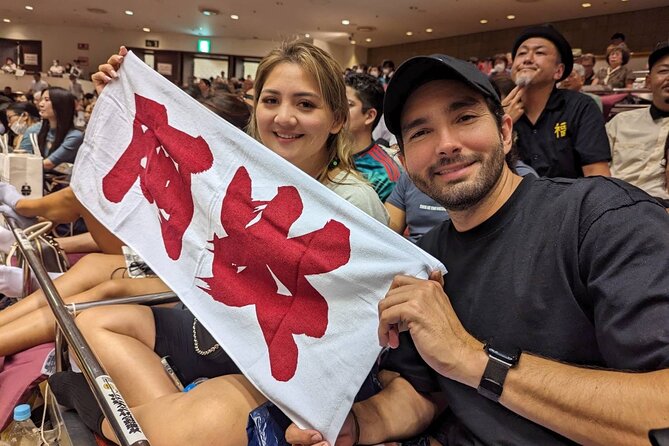
A big theme in the best moments of this tour is the guide—especially how the guide turns the arena into something you can actually follow.
You might encounter guides with different personalities, but the expectation is the same: English commentary, explanations of rituals, and answers to questions.
Past guides named in feedback have included people like Aki, Ken, Yosh, Yoko, Ali, Yasu, and Ichirio. Regardless of the specific guide, the format includes:
- An information package covering tournament basics, ranking, and wrestler profiles
- Live guidance before and during the bouts
- Cheer-up goods so you can participate in the atmosphere, not just watch it
If your guide is quiet (and a couple reviews have mentioned that possibility), it doesn’t erase the value of the headset system. You still get real-time direction and explanations. But if you’re the type who likes to chat through details as you go, be ready to ask direct questions and steer the conversation.
Price and booking timing: what you’re really paying for
At $198.20 per person for a roughly 6-hour experience, this isn’t a cheap add-on. But it also isn’t just a ticket with a sightseeing wrapper.
Here’s the value math that makes sense for many people:
- Sumo tournament tickets can sell out fast.
- On average, this tour is booked about 41 days in advance, which signals that you’re securing seats through a smarter path than showing up late.
- Your money buys an expert guide, English commentary in the arena, and a guided neighborhood and arena experience before the bouts even begin.
- Admission is handled for the arena segment (the historical landmark portion is noted as free admission, while Kokugikan viewing is included).
You’re also getting included extras that most DIY visitors don’t think about: the wrestler info package, ranking context, and cheer goods. Those help you understand what’s on the dohyo and who matters today, which makes the hours feel less like waiting and more like learning.
Possible drawback in value terms: some people compare the package price to what a ticket alone might cost and feel the markup is steep. If your main goal is simply to sit in the stands with zero explanation, DIY can be cheaper. If your goal is to understand the day’s rhythm and rituals, guided context is the point—and that context is what this package delivers.
Who should book this sumo day tour
This tour is a strong fit if you want:
- A first-timer-friendly sumo experience with guidance that helps you follow the action
- Comfort-minded seating (chair option on the balcony is a big plus)
- A cultural framing of sumo that goes beyond the ring
It’s also a good option if you’re traveling with people who learn best by doing. The combination of walking history + arena walkthrough + headset commentary hits multiple learning styles at once.
You might choose something simpler instead if:
- You already know sumo well and you only want the cheapest possible ticket
- You don’t plan to use the guide’s commentary and you’re comfortable figuring everything out on your own
Should you book this Grand Sumo May Tournament tour?
I’d book it if you want the sumo day to feel like a guided story, not just an event you attend. The strongest reasons are the pre-bout Ryogoku context, the arena walkthrough, and the headset commentary that keeps you tuned in during the real action.
If you care about comfort, select the chair option. If you’re sensitive to fish-based meals, decide ahead of time how you’ll handle chanko-nabe’s ingredients.
If you’re on the fence, here’s the quick decision test: do you want help understanding what you’re watching? If yes, this tour is likely good value for your time in Tokyo. If no, you may get the same arena excitement from a DIY ticket and spend your money elsewhere.
FAQ
What’s included in the tour package?
You get English guiding by a sumo expert guide, an information package with tournament info and wrestler profiles, tournament viewing with commentary through personal earphones (for groups of 3 or more), and cheer-up goods to root for a wrestler. All fees and taxes are included.
How long is the Grand Sumo tour?
The experience is about 6 hours total, with the Ryogoku walk running from about 13:00–15:00 and arena viewing running from about 15:00–18:00, plus an optional dinner after.
Where does the tour take place?
It’s centered on Ryogoku in Tokyo, including the Ryogoku Kokugikan arena and nearby locations for the walking tour and optional chanko-nabe dinner.
Do I get commentary during the bouts?
Yes. The guide provides real-time commentary through personal earphones so you can understand what’s happening during the matches.
Are tickets included?
Yes. Admission for the arena viewing portion is included, and the historical landmark portion is described as having free admission.
Can I choose where I sit in the arena?
Yes, there is a chair option. When using it, you sit on the balcony in chair B or chair C. If you opt out of the chair option, first-floor seating may require sitting on a flat floor.
What about the chanko-nabe dinner option?
Chanko-nabe dinner is an optional part of the experience. The hot-pot meal is included, but drinks are not included and must be ordered separately.
Can I cancel for a full refund?
Yes. You can cancel up to 24 hours in advance for a full refund. If you cancel less than 24 hours before the start time, the amount paid is not refunded.