REVIEW · TOKYO
Private Mochi・Matcha sweets Making Class Near Shibuya Area
Book on Viator →Operated by Hello japan matcha・wagashi classes · Bookable on Viator
Sweet hands, serious tradition.
This private mochi and matcha sweets class near Shibuya puts you in a real Japanese home setting in Sangenjaya, where you learn mochi and nerikiri from a wagashi instructor, not a commercial kitchen. You also get time for a simple tea ceremony with matcha, so the lesson feels like culture, not just cooking.
I especially like the personal pace and clear explanations that make Japanese sweets feel doable, even if you have zero kitchen confidence. And I like that you practice technique and ingredients you usually only see after the fact, when a restaurant plate is already finished. The food tastes good, sure, but the bigger win is learning the why behind the shape, texture, and sweetness.
One practical consideration: the home has a toy poodle, so if you have dog allergies, this may not be the right fit. The class also recommends avoiding it for people with dog allergies, even though service animals are allowed.
In This Review
- Key highlights to look for
- Why Sangenjaya is a smart base for a wagashi class
- What you’ll make: mochi and nerikiri (the real difference)
- The tea room moment: matcha and a simple tea ceremony
- How the 2 hours actually feel: pacing with a small cap
- Price and value: what $78.83 buys you in Tokyo
- Who this class suits best (and who should skip it)
- Practical tips for a smooth visit
- Should you book this mochi and matcha class near Shibuya?
- FAQ
- How long is the mochi・matcha sweets making class?
- Where does the class meet?
- What sweets will I learn to make?
- Is matcha included?
- How many people are in a class?
- When will I receive confirmation after booking?
- Is this class suitable for someone with a dog allergy?
Key highlights to look for

- Small-group size (maximum of 8) keeps the class calm and lets you get help when your hands get sticky
- Private-style instruction with a wagashi-making teacher, tailored to what you’re making
- Mochi + nerikiri lessons: you learn more than one traditional sweet
- Simple matcha tea ceremony option if you want to slow down and taste with intention
- Sangenjaya location: easy to reach via public transportation, in a more local neighborhood feel
- Home setting: you’re learning in an authentic Japanese house, not a studio line
Why Sangenjaya is a smart base for a wagashi class
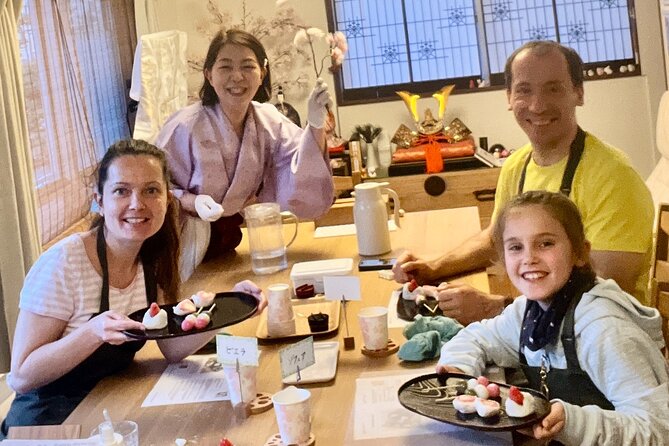
Sangenjaya is one of those Tokyo areas that feels less like a checklist stop and more like everyday city life. That matters for a cooking class. When you learn in a calm residential neighborhood, the experience doesn’t feel staged or rushed.
The class meets at a specific address in Sangenjaya (Setagaya City). From there, you’ll settle into a tea room setup, and the instructor will guide you through making Japanese sweets step by step. Even better, this activity runs near public transportation, so you’re not stuck battling long transit connections in the middle of a busy day.
One small detail you’ll appreciate in real life: you get a mobile ticket, which makes it easier to show up without hunting for paperwork. And because the group is capped at 8 people, you’re not sharing the spotlight with a crowd.
If you’re planning a Tokyo day that already includes Shibuya or nearby sights, this is a good way to balance city energy with something slower and more personal.
You can also read our reviews of more private tours in Tokyo



What you’ll make: mochi and nerikiri (the real difference)
This class is built around two traditional Japanese sweets: mochi and nerikiri.
Mochi is the chewy, rice-cake style sweet that shows up in a lot of forms. Here, you’re not just eating it—you’re learning how it comes together and how it behaves while you handle it. That’s where the magic is. Mochi can look simple, but the texture depends on technique and timing, so having hands-on guidance matters.
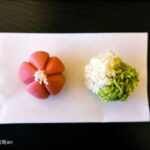
Nerikiri is a different story. It’s a shaped wagashi style often associated with seasonal themes and careful finishing. Learning nerikiri is especially valuable because it trains your eye and your fingertips. You’ll see how traditional sweets aren’t only about sweetness. They’re also about form, surface, and how the sweet is meant to be appreciated.
In practice, you’ll likely work with familiar wagashi flavors and variations. People have shared that the class can include mochi versions like daifuku, including strawberry daifuku, and other sweet combinations. The exact lineup may depend on the session, but the core idea stays the same: you’re making traditional sweets you’d normally only see plated in a shop.
And because this is led by a wagashi instructor, you’ll get more than a recipe. You’ll get context: what these sweets mean in Japanese culture and why certain steps matter for flavor and texture.
The tea room moment: matcha and a simple tea ceremony
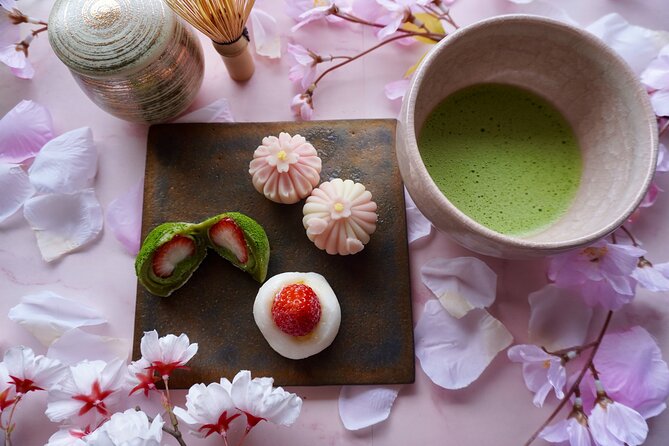
After cooking, the experience gives you a chance to slow down in the tea room. If you want, you’ll take part in a simple tea ceremony experience, and matcha is included.
This part is more useful than it first sounds. Cooking classes can become a fast scramble: mix, shape, snack, leave. Here, the tea time turns the lesson into a complete cycle—hands-on making, then tasting in a more deliberate way. Matcha also acts like a flavor reset. Its bitterness and earthy notes balance sweetness, so you can actually notice what changed as you worked.
If you’re the type who likes food experiences that connect culture to everyday life, this tea component is one of the strongest reasons to book. It turns the class into something closer to a living tradition than a one-off workshop.
How the 2 hours actually feel: pacing with a small cap
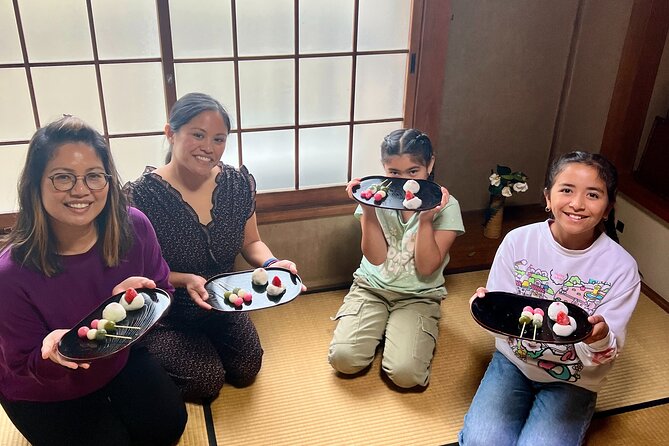
The class is about 2 hours. That’s a good length for two reasons.
First, you’re long enough to learn real technique. Mochi and nerikiri both require your attention, and shaping takes time. Second, it’s short enough that you can plan the rest of your Tokyo day without stress.
The group size helps with pacing. With a maximum of 8 travelers, you’re more likely to get direct help when you need it. When your hands are involved, small-group classes are a big quality difference. You don’t want to be waiting while someone else finishes shaping.
Also, because this is described as a private instruction experience, you should expect guidance that keeps you from feeling lost. A wagashi instructor can explain what’s happening in plain terms—why a step matters and what to watch for as the texture changes.
If you’re coming with kids or you’re pairing this with a sightseeing schedule, the 2-hour window is ideal. You get a meaningful, memorable activity without eating your whole afternoon.
Price and value: what $78.83 buys you in Tokyo
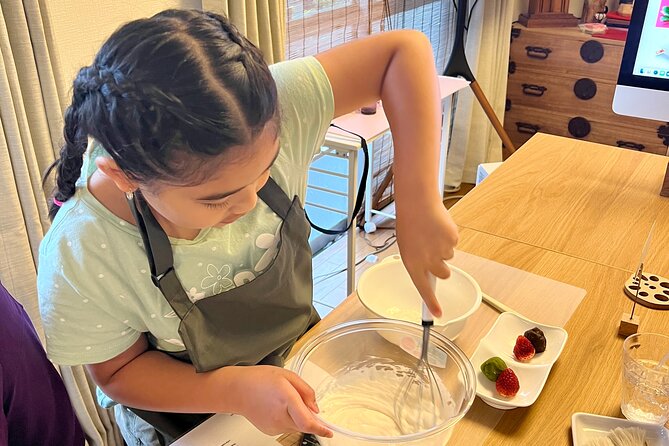
At $78.83 per person, you’re paying for something more specific than a generic cooking show. The value here is the home setting plus expert guidance.
A restaurant can show you wagashi. A bakery can sell you wagashi. But neither can coach your hands while you learn how mochi and nerikiri are made, or explain the cultural reasons behind the sweets.
You also get a complete experience package:
- Hands-on making of mochi and nerikiri
- A simple matcha tea ceremony option with matcha included
- Recommendations for how to enjoy your time in Tokyo while you’re there
Even the small details—like the mobile ticket and the small-group cap—support the overall value. It’s not just the food. It’s the comfort of learning in a calm environment where you can ask questions.
If you’re comparing classes, think in terms of “Do I want to eat sweets, or do I want to learn the skill?” This one is clearly built for learning.
You can also read our reviews of more tours and experiences in Tokyo




Who this class suits best (and who should skip it)
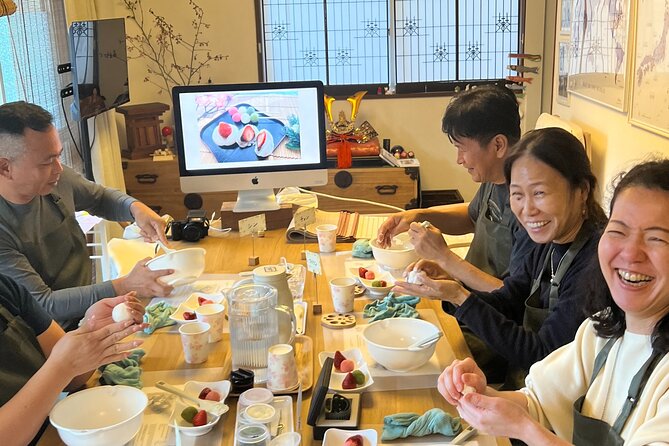
This works very well if you want an authentic Tokyo food experience that feels personal.
It’s a great match if:
- You like cooking classes where you actually make the food, not just watch
- You’re interested in Japanese sweets beyond what you can buy in passing
- You want something memorable to do near Shibuya without spending all day commuting
- You’re coming as a couple, a family group, or a small group and want one-on-one attention during shaping and finishing
It may be a poor fit if:
- You have dog allergies. The home includes a toy poodle, and the experience specifically doesn’t recommend it for allergy sufferers.
- You want a strictly hands-off activity. This class is designed for making, so you’ll be using your hands and learning by doing.
One more nice detail: service animals are allowed, which matters for accessibility planning.
Practical tips for a smooth visit
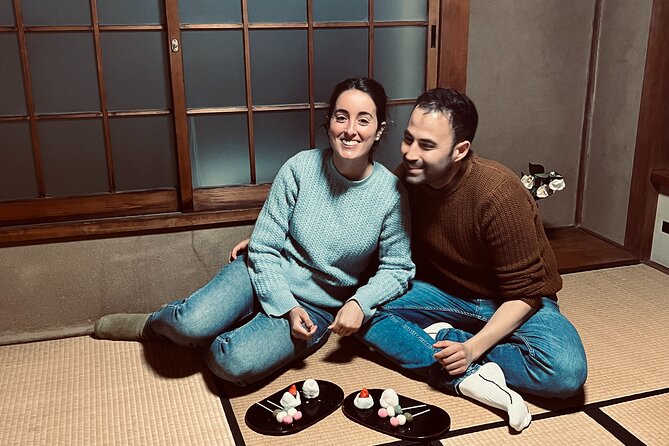
Here’s how to set yourself up for an easy, low-stress session.
Bring comfy clothes for hands-on work. You’ll be shaping sticky sweets, and short sleeves or sleeves you can manage are a smart idea.
Plan your day with the 2-hour duration in mind. You’ll want buffer time before and after so you’re not rushing out to your next reservation.
Account for the dog in the house. If allergies are a concern, take the recommendation seriously. If you’re unsure, it’s worth checking with the provider directly before you book.
Use public transportation confidence. The meeting point is described as near public transport, and the neighborhood is residential. That’s helpful if you want to avoid complicated last-mile travel.
Finally, if you’re pairing this with Shibuya plans, I’d treat this class as the calm counterbalance. Tokyo can be intense. This experience is the kind that gives your day a slower, more human pace.
Should you book this mochi and matcha class near Shibuya?
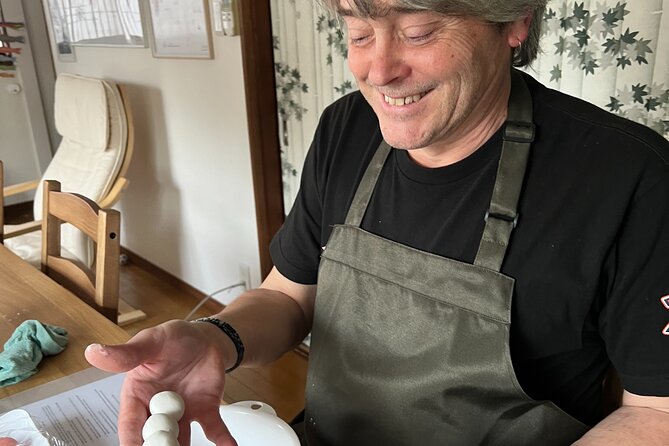
Book it if you want a real skill-based wagashi experience in a home setting, with mochi and nerikiri training plus matcha tea time. The small group size and personalized instruction make it feel less like a factory tour and more like learning from a craftsperson.
Skip it if dog allergies are a concern, since a toy poodle is part of the home environment. Also, if you’re chasing only “see and taste” with zero interest in technique, you might prefer a food-focused tasting tour instead.
If you’re booking for a unique Tokyo memory—something you can’t easily buy off a shelf—this is a strong choice.
FAQ
How long is the mochi・matcha sweets making class?
It runs about 2 hours.
Where does the class meet?
The meeting point is at 1-chōme-11-13 Sangenjaya, Setagaya City, Tokyo 154-0024, Japan.
What sweets will I learn to make?
You’ll learn how to make mochi and nerikiri (traditional Japanese sweets).
Is matcha included?
Yes. The class includes a simple tea ceremony experience with matcha.
How many people are in a class?
The class has a maximum of 8 travelers.
When will I receive confirmation after booking?
Confirmation is received within 48 hours of booking, subject to availability.
Is this class suitable for someone with a dog allergy?
The home has a toy poodle, and it is not recommended for people who have allergies to dogs.