REVIEW · TOKYO
Private Tour to Mt. Fuji and Hakone (Fully Licenced Operator)
Book on Viator →Operated by Live Nippon · Bookable on Viator
Seeing Fuji from multiple viewpoints matters. This private day trip is interesting because it’s built around flexible planning with a licensed driver-guide, plus real stop variety: Hakone lakes, shrine viewpoints, and Mt. Fuji areas when visibility is good. I love the low-stress private charter (you and your group, hotel pickup, air-conditioned vehicle), and I also love that the route can be adjusted to your interests on the day. The main drawback to keep in mind: the Mt. Fuji 5th Station is not guaranteed, since closures happen for weather or maintenance.
This is a long-but-comfortable 10-hour style day, and it works best when you want to see the Fuji region without fighting trains, transfers, and timing. You’ll choose either the Mt. Fuji + Hakone plan or a Mt. Fuji surroundings plan, and then your driver-guide shapes the order and pace within that structure. If your group wants iconic photos and classic nature-and-temple stops, this is a practical way to do it from Tokyo.
In This Review
- Key things to know before you go
- Licensed private transport that actually feels different
- Price and value for a group of up to five
- Picking your itinerary: Mt. Fuji and Hakone vs. Fuji surroundings
- First stop energy: Mount Fuji areas without rushing
- The Mt. Fuji 5th Station decision: worth it, but not guaranteed
- Lake Kawaguchiko: the best kind of Fuji backdrop
- Hakone by water: Lake Ashi and the pirate cruise vibe
- Oshino Hakkai and the simple magic of these ponds
- Shrine and pagoda day: Kitaguchi Hongu, Arakurayama steps, and Chureito
- Kitaguchi Hongu Fuji Sengen Jinja Shrine
- Arakurayama Sengen Park and the 398 steps
- Chureito Pagoda
- Optional add-on villages and the pace question
- Owaku-dani Valley: volcanic drama in Hakone
- Small comfort details that change your day
- The guide factor: what you’re really paying for
- Who should book this private Fuji and Hakone tour
- Should you book it? My decision guide
- FAQ
- How many people are in a group?
- What is the duration of the tour?
- Where does pickup happen?
- Is the itinerary flexible?
- Which stops are you going to: Mt. Fuji and Hakone or only the Fuji area?
- Is Mt. Fuji 5th Station included?
- Are attraction tickets included?
- What about lunch?
- What if the weather is bad?
- Is there an overtime fee?
Key things to know before you go
- Fully licensed green-plate transport: you’re riding with a company that emphasizes proper licensing and commercial insurance.
- Private group format (up to 5): you get more control over timing than with a crowded bus day.
- English-speaking driver-cum-guide: you’re not just chauffeured; you’ll get on-the-ground guidance.
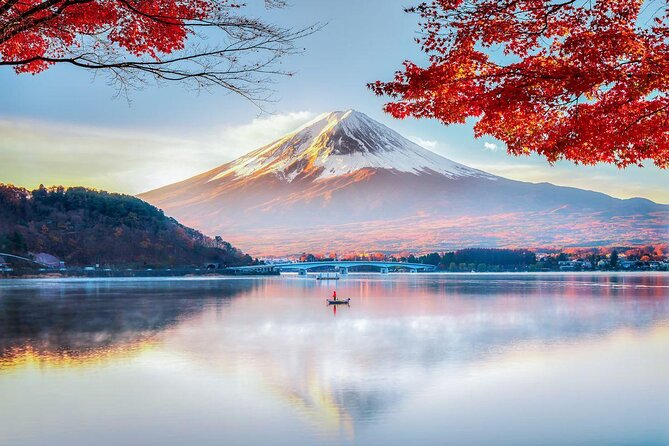
- Multiple Fuji vantage points: Kawaguchiko viewpoints, shrine parks, and classic pagoda framing.
- Weather can make or break visibility: the itinerary depends on conditions, especially for higher-elevation stops.
- Tickets are mixed: some attractions require separate tickets while others are flagged as included—plan for that.
Licensed private transport that actually feels different
This tour is built around the idea that getting there should be part of the experience, not a headache. You start with pickup from your Tokyo hotel area and travel in an air-conditioned vehicle with an English-speaking driver-cum-guide.
One quality detail I appreciate: the operator calls out licensed green number plates and commercially permitted drivers. Translation for you: you’re less likely to deal with sketchy logistics, and your day is more likely to run on time.
Because it’s private, your guide can also manage pacing in a way big tours struggle with. You can linger at a viewpoint for photos, shorten a stop if it’s too crowded, or reshuffle priorities when the sky clears (or clouds roll in).
You can also read our reviews of more private tours in Tokyo

Price and value for a group of up to five
The price is $497.43 per group (up to 5) for about 10 hours. That matters because private day tours can get expensive when you’re traveling solo or as a couple—but this one is priced for small groups.
Think of the value in practical terms:
- You’re paying for hotel pickup and door-to-door routing, not just transportation.
- You’re paying for a guide who can help you choose between options like ropeways, lake cruises, and viewpoints.
- You’re paying to reduce your stress with weather and timing decisions.
The trade-off is you’ll still handle some spending on-site, especially for attractions that require separate tickets. The listing flags lunch as not included, so you’ll want a plan for meals during the day.
Picking your itinerary: Mt. Fuji and Hakone vs. Fuji surroundings
You choose one plan with your guide: either
1) Mt. Fuji and Hakone, or
2) Mt. Fuji surroundings (Fuji area)
The difference isn’t just geography. It’s about what you want your day to feel like. The Hakone version adds classic lake and volcanic valley experiences, plus more sightseeing variety. The Fuji surroundings version leans harder into the Fujiyoshida and lake-adjacent viewpoints and shrine area icons.
If your top goal is to see both iconic Fuji views and Hakone’s well-known scenery (especially Lake Ashi), pick the Mt. Fuji + Hakone option. If you want a tighter focus on the Fuji side, pick the surroundings plan.
First stop energy: Mount Fuji areas without rushing
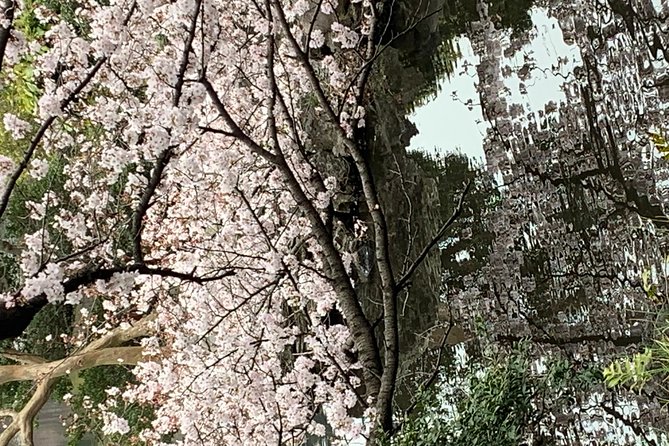
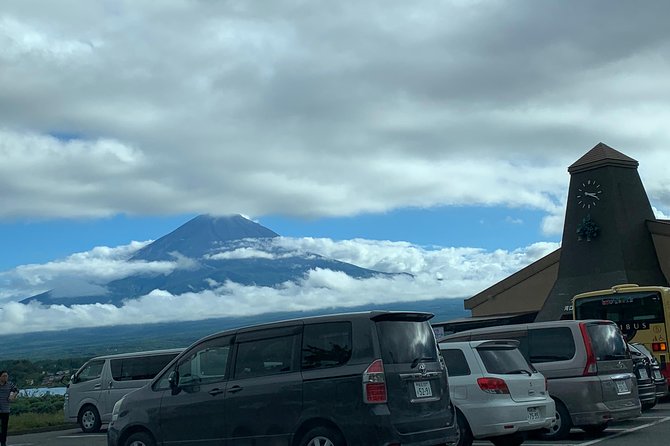
The day starts by driving south, and you’ll reach a Mount Fuji stop early enough that you can try for clear views while the day is still fresh. The schedule shows about 1 hour, and the guide can adjust timing based on weather.
This is one of those practical moments: Mt. Fuji visibility is a moving target. Even with the same route, you can end up with a sharp peak or a completely blocked view. Having a guide who can flex your order is a real advantage when the mountain decides to show up.
Plan on photo breaks and a slow walk pace here. You’re not just ticking a box—you’re trying to capture the “I’m really seeing it” moment.
The Mt. Fuji 5th Station decision: worth it, but not guaranteed
You might also go to the Mt. Fuji 5th Station, described as the last point reachable by car (or shuttle). The stop shown is about 30 minutes.
Here’s the key consideration: 5th Station is sometimes closed due to bad weather or maintenance, and it’s explicitly noted as not guaranteed. In other words, don’t treat it like a sure thing.
Also plan for extra cost. The listing notes the Mt. Fuji entrance fee (2800¥ per group) is not included, and the 5th Station admissions are not included in the stop notes. If you want maximum confidence that you get higher-elevation scenery, keep your expectations flexible.
What you get if it works: a higher vantage area and that classic “you’re near the mountain” feeling. What you avoid if it doesn’t: stress. Your guide can pivot to other Fuji viewpoints if access is restricted.





Lake Kawaguchiko: the best kind of Fuji backdrop
Next you’ll head to Lake Kawaguchiko for about 1 hour. This is one of the most reliable ways to frame Mt. Fuji because the lake sits in a position that often gives you a strong composition when visibility is decent.
The plan includes options like:
- riding the Kachi Kachi ropeway for panoramic views, and/or
- taking a cruise on Lake Kawaguchiko for classic reflections
In the listing, ropeway and cruise tickets are noted as not included, so budget for that. The payoff can be big, especially on a clear day when Mt. Fuji shows up cleanly.
Practical tip: if you care about photos, the ropeway view and the lake views complement each other. Ropeway shots tend to feel bigger and more dramatic; lake shots tend to feel calm and iconic.
Hakone by water: Lake Ashi and the pirate cruise vibe
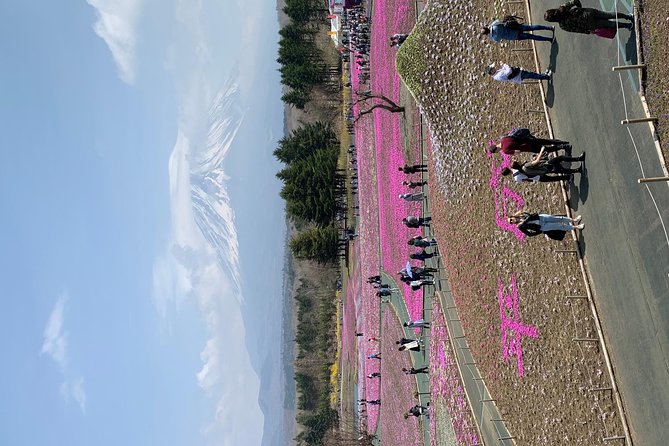
If you choose the Mt. Fuji and Hakone itinerary, you’ll also visit Lake Ashi (listed as Lake Ashinoko in the itinerary). The stop shown is about 1 hour.
You’ll have the option for a pirate cruise on the lake. Again, tickets for activities like cruises are not included in the general tour costs.
Lake Ashi’s value is straightforward: it’s a scenic break between viewpoints. You’ll also get more chances to see the mountain in the wider Hakone context, and it’s an easy way to enjoy the region without nonstop walking.
If your group is sensitive to long transfers, Hakone lake time can be a relief. It’s sightseeing with less strain.
Oshino Hakkai and the simple magic of these ponds
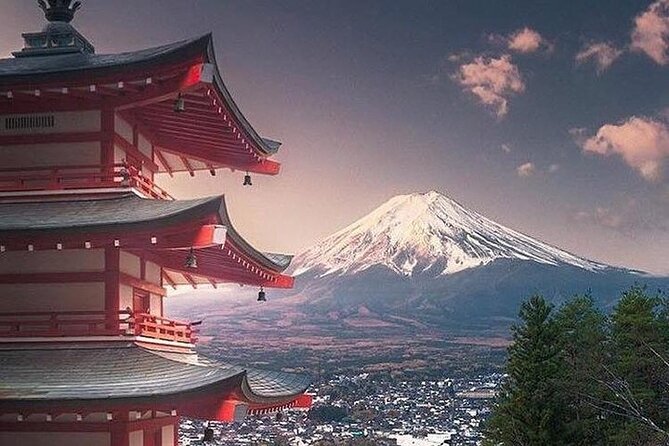
Oshino Hakkai is a standout stop for many people because it’s compact and atmospheric. The itinerary sets aside about 1 hour, and admission is free in the stop notes.
You’re walking around a village setting with eight ponds, with Mt. Fuji views when weather cooperates. The ponds are a signature feature of the area, and the easy layout makes it a good stop if your legs need a break.
What I like here as a traveler: it gives you a cultural-feeling stop that’s not just a viewpoint. You can snack, browse small souvenirs, and still keep the day moving.
Shrine and pagoda day: Kitaguchi Hongu, Arakurayama steps, and Chureito
After Oshino Hakkai, the tour heads through classic Fuji-area shrine and viewpoint stops.
Kitaguchi Hongu Fuji Sengen Jinja Shrine
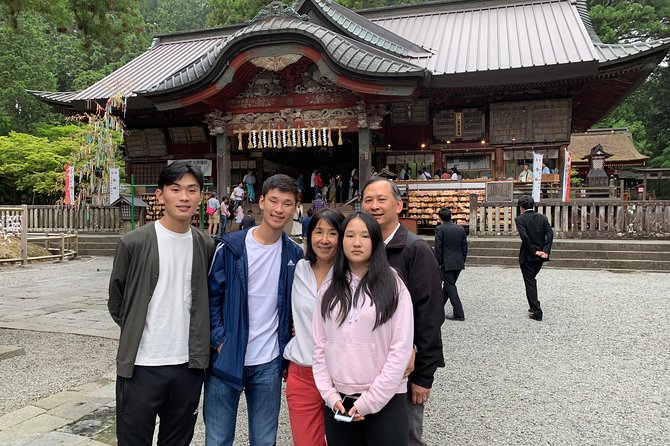
You’ll likely spend about 1 hour at Kitaguchi Hongu Fuji Sengen Jinja Shrine, with admission marked as free. This shrine is tied to old routes connected to climbing Mt. Fuji from the north side.
It’s not the kind of place where you need to memorize details to appreciate it. The best way to enjoy this stop is to slow down, look around, and notice how the site frames the mountain in its cultural setting.
Arakurayama Sengen Park and the 398 steps
Then comes Arakurayama Sengen Park, about 1 hour. The highlight here is the iconic pagoda perspective, reached via 398 steps.
Admission is marked as free. The trade-off is physical effort. If your group has limited mobility, you might not want to chase every step and view. In that case, ask your guide to help you find the best accessible viewpoint.
Chureito Pagoda
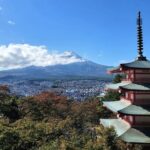
The itinerary also includes Chureito Pagoda for a short 10 minutes, and the stop notes show admission as included. This is the classic photo angle many people come for, with Mt. Fuji off in the distance when the sky cooperates.
It’s a short stop, which is exactly what you want at the end of a day of walking. But keep in mind: iconic spots can sometimes close for maintenance, so your guide may need to shift the plan on the fly.
Optional add-on villages and the pace question
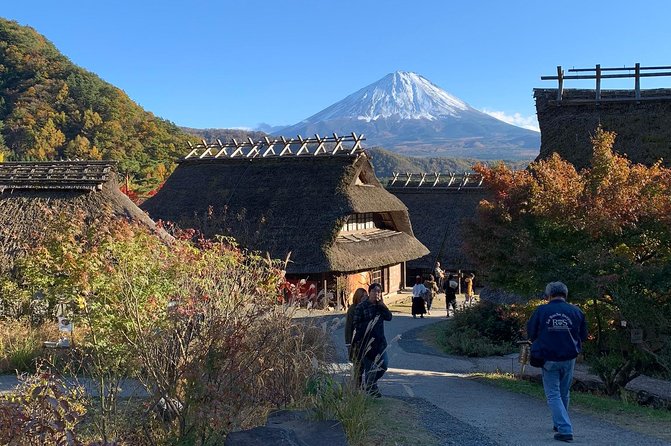
The itinerary includes an optional stop called Saiko Iyashi no Sato Nemba (listed as a traditional village). It’s framed as an option if there’s time during the approximately 9-hour segment for a Fuji surroundings style day.
It’s about 1 hour, and admission is noted as not included. This kind of stop tends to work well if your group enjoys traditional architecture and doesn’t want only view-and-photo stops.
But pace matters in a 10-hour day. If you want more time at lakes or at the pagoda area, skip the optional village. Your guide can help you choose based on what the weather is doing.
Owaku-dani Valley: volcanic drama in Hakone
On the Hakone-inclusive version, you may spend about 1 hour at Owaku-dani Valley. The itinerary notes admission as included for this stop.
This is one of those places where the scenery is the attraction: a volcanic setting, strong visuals, and a very different feel compared with the lake and shrine areas.
If your group wants variety, this stop helps. If you’re trying to keep the day light and calm, it might be the first thing to shorten—depends on your group’s energy.
Small comfort details that change your day
A tour like this is long. Even if it’s private and comfortable, you’ll spend hours in the car.
Here’s what helps:
- Wear shoes that work for shrine stairs and park steps.
- Bring a light layer, since conditions change from Tokyo to the Fuji region.
- Keep a little cash and/or a card ready for tickets not included and for the Mt. Fuji entrance fee.
Also, don’t underestimate bathroom breaks. In a day with multiple stops—especially ones with lakes and viewpoints—breaks keep everyone happier.
The guide factor: what you’re really paying for
The vehicle gets you there. The guide makes it work.
In practice, the driver-guide role is where the day feels “custom.” You may be assigned someone like Maz, Areeb, Petteri, Zia, Israr, Sam, Hans, Bajwa, or Dan. The names vary, but the repeated theme is clear: guides focus on the best vantage timing, good pacing, and clear English explanations.
You’ll also see a pattern in how people describe the best moments: it’s often tied to the guide choosing photo spots well and adapting the route when the mountain is visible.
If your group is older, includes parents, or has mixed interests, this private structure is a real advantage. It’s easier to slow down and shape a day around comfort than in a big group.
Who should book this private Fuji and Hakone tour
This tour fits you if:
- You want Mt. Fuji and Hakone in one day without train transfers.
- You care about viewpoints and classic icons like Lake Kawaguchiko and Chureito Pagoda.
- You prefer a flexible plan where the guide adjusts the order and pace.
- You’re traveling in a small group (up to 5) and want private door-to-door pickup.
It may not fit as well if:
- You need a guaranteed Mt. Fuji 5th Station visit regardless of weather.
- Your group hates walking stairs (Arakurayama involves a long step climb).
- You’re on a strict “no extra tickets” budget, since ropeways, cruises, and some admissions are not included.
Should you book it? My decision guide
Book this tour if your priority is a smooth, well-paced day with a licensed private driver-guide and multiple Fuji scenery angles, with the Hakone add-on only if you want it. The price makes more sense for up to five people, and the flexibility around timing is the real value when Mt. Fuji visibility is unpredictable.
Don’t overbook your expectations about high-altitude access. The 5th Station is explicitly not guaranteed, and weather can change everything. But if you’re going in with a flexible mindset, this is a strong way to get the Fuji region experience without turning your day into logistics.
If your travel style is: see the icons, take lots of photos, and still have time to breathe between stops, then yes—this is the kind of day trip that can deliver.
FAQ
How many people are in a group?
The tour price is per group and supports up to 5 people.
What is the duration of the tour?
It runs for about 10 hours (hotel to hotel time).
Where does pickup happen?
Pickup is from your Tokyo hotel. The start point is listed as Tokyo Station Hotel, and the day ends back at the meeting point or your hotel area.
Is the itinerary flexible?
Yes. Your route can be adjusted based on your interests during the day.
Which stops are you going to: Mt. Fuji and Hakone or only the Fuji area?
You choose one itinerary: either Mt. Fuji and Hakone or Mt. Fuji surroundings area.
Is Mt. Fuji 5th Station included?
It can be visited, but it is not guaranteed because it may be closed due to bad weather or maintenance. Admissions/tickets are not included, and the Mt. Fuji entrance fee (2800¥ per group) is listed as not included.
Are attraction tickets included?
Not all of them. Tickets for activities like ropeway and cruises are listed as not included. Some specific admissions in the itinerary notes are marked included (for example Owaku-dani Valley and Chureito Pagoda).
What about lunch?
Lunch is not included.
What if the weather is bad?
This experience requires good weather. If it’s canceled due to poor weather, you’ll be offered a different date or a full refund.
Is there an overtime fee?
Yes. There’s an overtime charge of 5000¥ per extra hour after 10 hours.