REVIEW · TOKYO
Mount Fuji Full-Day Private Tour from Tokyo (Customizable)
Book on GetYourGuide →Operated by Travel on Peak · Bookable on GetYourGuide
Mount Fuji can look magical from Tokyo, but the real magic is how organized the day feels. This full-day private tour pairs a comfortable drive with a customizable itinerary, so you can target the Fuji Five Lakes highlights and still move at your pace. Guides like Fakher and Mirza are often praised for smart pre-trip communication and for recommending early starts when traffic is ugly.
Two things I really like: you get hotel pickup and drop-off from Tokyo, and you’re not locked into a rigid checklist. The route can flex based on weather and your interests, and guides use that freedom well. The second big win is the mix of classic photo stops (like Chureito Pagoda) plus quieter, more local-feeling scenes such as Oshino Hakkai.
One drawback to plan around: Mount Fuji views are weather-dependent, especially the 5th Station drive. Even with the best itinerary, rain and low visibility can limit what you see, and summer hiking season changes access.
In This Review
- Key things to know before you schedule your Fuji day
- A smooth Fuji day that starts with pickup, not stress
- Lake Kawaguchiko: the Fuji reflection stop you’ll want to repeat
- Chureito Pagoda at Arakurayama Sengen Park: the photo looks easy, the climb isn’t
- Oshino Hakkai ponds and the thatched-roof feel of old Japan
- Oishi Park and Saiko Iyashi no Nenba: quieter scenery, different photo angles
- Mount Fuji 5th Station on the Subaru Line: worth it, but plan for weather reality
- How customization works in plain terms (and how to use it)
- Price and value: what $393 covers, and where extra costs sneak in
- Transportation, timing, and why 6 a.m. advice shows up so often
- Comfort and limits: who this tour fits best
- What your day will feel like in real life
- Should you book this Mount Fuji private tour?
- FAQ
- What does the tour include?
- How many people can be in the group?
- Is the Mount Fuji 5th Station stop guaranteed?
- What extra costs should I expect?
- Are there meal stops included?
- Where is pickup available from?
- What should I bring?
- Is the tour suitable for seniors or families with strollers?
Key things to know before you schedule your Fuji day
- Private, up-to-5 group: More room, more control of timing, and less “rush-rush” than shared tours
- Customization that actually matters: Your driver can suggest swaps if skies or timing don’t cooperate
- Fuji Five Lakes core stops: Lake Kawaguchiko, Chureito Pagoda, Oshino Hakkai, plus optional add-ons
- Early start advice is common: Guides often recommend leaving Tokyo around 6 a.m. to beat weekend traffic
- 5th Station access isn’t guaranteed: Weather can close it, and July 1–Sept 10 requires a shuttle bus
A smooth Fuji day that starts with pickup, not stress
If your goal is to see Mount Fuji in one long day without wrestling trains and transfers, this tour fits the bill. You’re picked up from your Tokyo hotel and brought back afterward, which matters because the Fuji area is far enough that every extra connection becomes a headache. You also travel in comfort with a private vehicle and a driver who can communicate in English, Hindi, and Urdu (so you’re not left guessing at the stops).
What you’re paying for isn’t only time—it’s control. In real terms, customization means you can adjust for things like:
- how much walking you want at each viewpoint
- whether you prioritize photos over shops, or culture over scenic stops
- how to reorder stops when traffic piles up
That’s why so many reviews highlight communication and flexibility. Guides such as Fakher and Zaini are specifically praised for being proactive and patient, and Mirza is noted for recommending a 6 a.m. start to capture clearer views with less highway congestion.
You can also read our reviews of more private tours in Tokyo


Lake Kawaguchiko: the Fuji reflection stop you’ll want to repeat
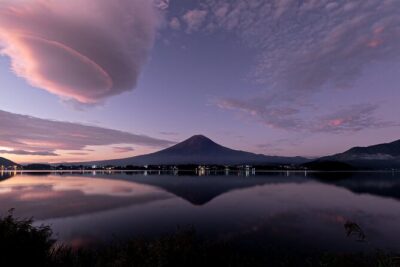
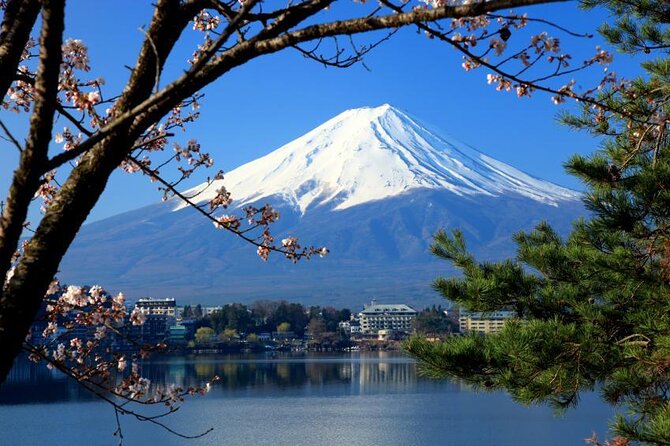
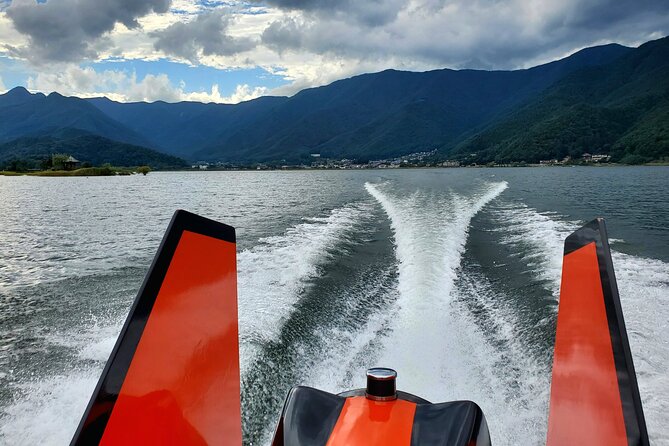
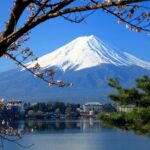
Lake Kawaguchiko is the classic place to look for that iconic Mount Fuji reflection. Even if you’ve seen photos before, seeing it in person is a different experience—the mountain scale feels real, and the lake surface often turns into a natural mirror when the weather is calm.
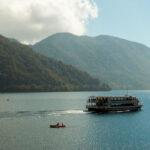
On this tour, Kawaguchiko is positioned early enough to give you a better chance at clearer sightlines. Then you get time to walk around the lakeside areas and take photos. This is also where optional activities may appear. The tour notes that ropeway or boat ride tickets are not included, which is important because they can add cost but also add variety. If you want action, a short lake boat experience can be a fun pairing with the static “stand and photograph” moments.
A practical point: bring comfortable shoes and plan to move at least a little. Even at lakes, the routes can involve uneven ground and steps.
Chureito Pagoda at Arakurayama Sengen Park: the photo looks easy, the climb isn’t
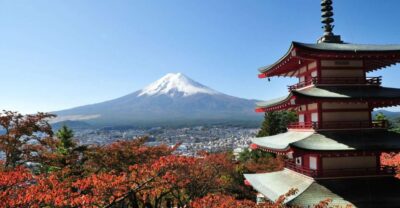
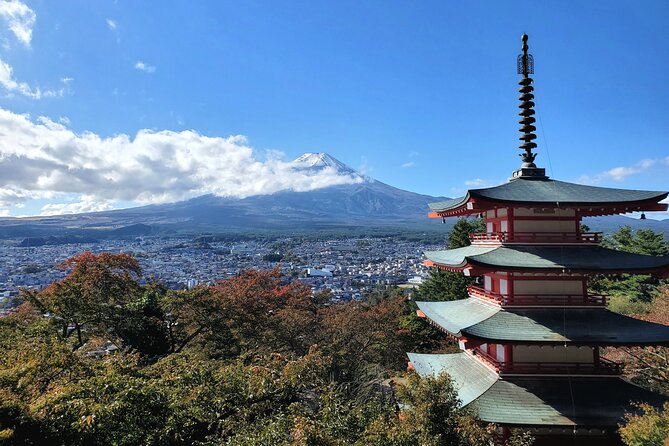
Chureito Pagoda at Arakurayama Sengen Park is one of the most recognized Fuji-area scenes: that small red pagoda backed by the mountain. It’s popular for a reason. When you catch the right angle and the weather cooperates, the composition is almost built for photos.
Here’s the tradeoff: views are earned. You’ll be walking up to viewpoints, and on busy days that climb can feel like a line-based slow march. So I’d treat this stop as a high-photo priority and keep your timing smart. Your driver can often help you hit the best angle and avoid wasting time.
The good news is that this stop is usually worth it even if Fuji is partly obscured. You still get the park setting, the pagoda itself, and a sense of how the mountain dominates the region’s visual culture.
Oshino Hakkai ponds and the thatched-roof feel of old Japan
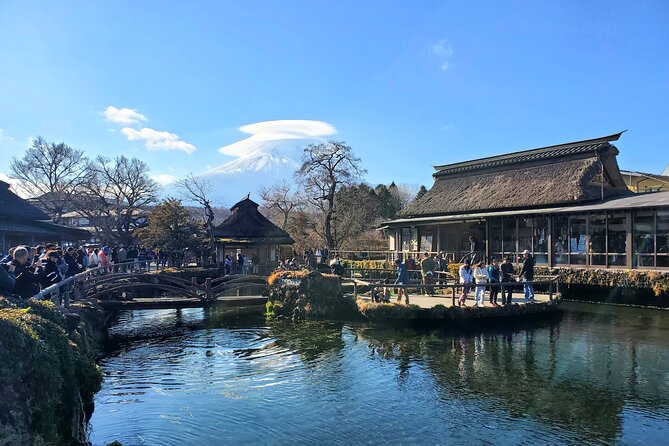
Next up is Oshino Hakkai, a traditional area known for spring-fed ponds and historic-looking streets. The vibe here is slower and more village-like than the larger lakeside areas. You get a chance to step away from pure sightseeing and experience a more “local texture” part of the Fuji region.
The ponds are the draw: they’re famous for their clarity and for the way the area stays beautiful even when you’re not surrounded by heavy crowds. You’ll also see traditional roof styles and small points of interest around the ponds, which helps Oshino Hakkai feel less like a single viewpoint and more like a place to stroll.
One detail that’s worth knowing: the tour itinerary also commonly includes nearby shrines such as Kitaguchihongo Shrine. If your group likes calm, photogenic cultural stops, you’ll likely enjoy that pacing.
Oishi Park and Saiko Iyashi no Nenba: quieter scenery, different photo angles
Depending on your chosen “main points” and timing, you may also visit Oishi Park and Saiko Iyashi no Nenba Village. These stops shift your day from the most famous postcard scenes into something more spread out.
- Oishi Park is often treated as another viewpoint zone around Lake Kawaguchiko’s area. It’s useful if you want variety without switching lakes entirely.
- Saiko Iyashi no Nenba Village adds a more village-and-building-focused experience. The tour notes an entry fee for this area, so keep that in mind if you’re budgeting.
Why I like including stops like these: they give you “Plan B” photo angles. If one viewpoint is blocked or hazy, you still have other spots where the light and sightlines might be better.
You can also read our reviews of more tours and experiences in Tokyo

Mount Fuji 5th Station on the Subaru Line: worth it, but plan for weather reality
The Mount Fuji Subaru Line to the 5th Station (and sometimes the 6th Station) is the step that turns a mountain photo trip into a true altitude experience. On clear days, it can feel like you’re closer to the mountain’s slopes and scale. You may even get panoramic views from higher viewpoints.
But here’s the key reality check: this part of the itinerary is weather dependent. The tour explicitly warns that the 5th Station may be closed or near the station may be difficult in rain or bad conditions. Also, July 1 to Sept 10 changes access rules. Private vehicles can’t get to the 5th Station during official hiking season, so you’ll need a shuttle bus from the parking area. That shuttle is 3000 JPY round trip per person.
If you’re traveling in summer peak months, adjust your expectations: the 5th Station can still be a highlight, but it comes with extra logistics and cost.
How customization works in plain terms (and how to use it)
This is a private tour for a reason: you should run the day. Your driver acts like a guide, not a dictator. Many reviews emphasize that guides give options and let you decide what to prioritize. In practice, you’ll want to communicate early on what kind of day you want, because it affects time at each stop.
A good way to plan before you ride:
- Tell your driver your photo priorities (for example, pagoda vs. lake reflections)
- Mention if you want culture and walking time, or if you want shorter strolls
- Ask what they recommend if cloud cover rolls in
The tour also notes that if you don’t want the main attractions, you can choose alternative optional activities within a 10-hour excursion window. That’s helpful if your group includes people who prefer less walking or less time in crowded viewpoints.
One more practical note: there can be an added 5000 yen per hour charge if you extend the schedule. So if you think you might want extra time, set expectations early so the day stays within your plan.
Price and value: what $393 covers, and where extra costs sneak in
The price is listed as $393 per group up to 5. That makes this one of those tours where value is tied to how many people you can pack into the group. With a private vehicle and hotel pickup/drop-off, you’re paying more than per-person on shared buses, but you’re also buying:
- less time lost in transit chaos
- a flexible route
- direct photo-stop help from the driver/guide
What’s included is straightforward: pickup and drop-off, a multilingual driver, customizable stops, and WiFi when needed.
What’s not included is where you should watch the budget:
- Mount Fuji 5th Station toll fee: 2100 JPY
- Saiko Iyashi no Nenba entry fee: 500 JPY
- Ropeway or boat tickets (if you add them)
- Meals and snacks
If you want a smooth “no surprises” day, keep some cash handy for tickets and small purchases. And if your group tends to snack often, plan for that extra spend since meals aren’t included.
Transportation, timing, and why 6 a.m. advice shows up so often
Because you’re traveling from Tokyo to the Fuji area, timing matters. On weekends and during busy seasons like flower season, highway traffic can get noticeably worse. That’s why multiple guides are praised for advising an early start, and why the 6 a.m. tip gets repeated.
If you have flexibility, a very early pickup tends to buy you:
- fewer traffic delays
- more calm at popular viewpoints
- a better chance for Fuji to be visible earlier in the day
Also, the tour notes pickup isn’t available from airports, ports, or stations, so you’ll want to arrange pickup from your Tokyo hotel or a supported address.
Comfort and limits: who this tour fits best
This is a good match for:
- families with kids who need an easy, guided day without transit juggling
- couples who want privacy and a flexible schedule
- small groups up to 5 who want a private vehicle instead of a shared bus
The tour also lists clear restrictions: pets aren’t allowed, oversize luggage and large bags aren’t allowed, smoking in the vehicle isn’t allowed, and there are rules around strollers and wheelchairs (only folding types are mentioned as allowed conditions).
If your group is on the older side, note that it’s listed as not suitable for people over 95 years.
What your day will feel like in real life
Expect a long day with several “pause and photograph” moments plus some stroll time. The route is designed to balance different types of stops:
- iconic viewpoints (pagoda, lakes)
- cultural and village-style areas (Oshino Hakkai, Saiko Iyashi no Nenba)
- higher-altitude if conditions allow (5th Station)
When the weather is clear, the day can feel like a highlight reel of Fuji framing shots. When the weather is mixed, guides often try to keep the day enjoyable by shifting your focus—extra viewpoints, easier cultural stops, or simply better timing at the right moment. That flexibility is a big reason so many guides in the reviews are described as patient and adaptable.
Should you book this Mount Fuji private tour?
Book it if you want a private, comfortable way to see the main Fuji Five Lakes region highlights in one day, without worrying about train schedules or transfers. It’s especially worth it if your group wants a say in the itinerary and would benefit from a driver who can help adjust when Fuji clouds in.
Skip it (or at least rethink your expectations) if you’re traveling during periods when weather could be poor, or if your schedule won’t handle a long day and walking at several stops. Also, if 5th Station access is the only reason you booked, remember it’s not guaranteed and the July–Sept hiking season includes shuttle logistics.
If you do book, my best advice is simple: prioritize Fuji photos early, plan for some extra ticket fees, and trust your driver’s call when the skies shift.
FAQ
What does the tour include?
You get hotel pickup and drop-off from Tokyo, a multilingual driver (English, Hindi, Urdu), customizable stops, and WiFi when needed.
How many people can be in the group?
The tour price is listed per group up to 5 people.
Is the Mount Fuji 5th Station stop guaranteed?
No. Access to the 5th Station depends on weather conditions and can be limited in rain or bad visibility.
What extra costs should I expect?
There is a Mount Fuji 5th Station toll fee of 2,100 JPY and a Saiko Iyashi no Sato Nenba entry fee of 500 JPY. If you add activities like ropeway or boat rides, tickets are not included. During July 1 to Sept 10, you may need a shuttle bus for 5th Station access at 3000 JPY round trip per person.
Are there meal stops included?
Meals, snacks, and beverages are not included.
Where is pickup available from?
Pickup is not available from airports, ports, or stations. You’ll need to check what pickup address options are allowed before adding your pickup location.
What should I bring?
Bring comfortable shoes, comfortable clothes, and a daypack.
Is the tour suitable for seniors or families with strollers?
It is listed as not suitable for people over 95 years. The tour also includes rules about non-folding wheelchairs and non-folding strollers, so folding versions are the ones that fit the restrictions described.