REVIEW · TOKYO
Tokyo Customized Private Tour (Must See Places in 1 Day)
Book on Viator →Operated by Goen Japan · Bookable on Viator
Tokyo gets easier fast.
This private, fully customizable one-day tour is built for first-timers who feel overwhelmed. You pick what matters to you, and a professional local guide helps shape the day around your interests, with help using public transport—so you spend less time figuring things out and more time actually seeing Tokyo. Private and customizable are doing a lot of work here.
I especially like the pace control. You can linger at places like Meiji Jingu or Shinjuku Gyoen and adjust on the fly, which is a big deal in a city where every station exit seems to spawn a new personality. I also like the public transport coaching, since guides such as Akari and LAX are praised for making trains simpler and answering questions in real time. One consideration: this is still a walking-and-transit day, so comfortable shoes matter, and the itinerary can feel full if you pack in many stops.
In This Review
- Key highlights
- How this Tokyo private tour really helps first-timers
- Price and what you actually get for $145.91
- Your guide is the product, and the reviews show it
- Senso-ji and Asakusa: starting with temple Tokyo
- Akihabara and Tsukiji: pop culture meets food Tokyo
- Akihabara (Electric Town)
- Tsukiji Outer Market
- Shibuya Crossing and Meiji Jingu: neon outside, forest quiet inside
- Shibuya Crossing
- Meiji Jingu Shrine
- Ginza, Tokyo Skytree, and the Imperial Palace East Garden
- Ginza
- Tokyo Skytree
- Imperial Palace East Garden
- Uenokoen and Takeshita Street: cherry blossoms and youth culture
- Uenokoen
- Takeshita Street
- Hamarikyu Gardens: a calm break that does not feel like a detour
- Shinjuku Golden Gai and Shinjuku Gyoen National Garden
- Shinjuku Golden Gai
- Shinjuku Gyoen National Garden
- Pacing, transit, and the little things that save your day
- Food: what is included, and how guides still help
- Who this Tokyo customized tour fits best
- Should you book this Tokyo Customized Private Tour?
- FAQ
- How long is the Tokyo customized private tour?
- Is this tour private?
- Is pickup from my accommodation available?
- What is included in the tour price?
- Are food and drinks included?
- Is admission included for all stops?
- Do I need to pay for transportation separately?
- Can I get a full refund if I cancel?
- Do I receive a ticket on my phone?
Key highlights
- Fully customizable route: Your guide designs a one-day plan around what you want to see and how long you want at each stop.
- Guides who handle transit anxiety: Reviews highlight help with navigating trains and stations, plus calm explanations when you feel stuck.
- Major Tokyo highlights in one day: Expect stops across classic temples, pop culture areas, markets, big-city shopping, and gardens.
- Unlimited edited photos: You get edited photos included, so you do not have to worry about getting a perfect camera moment.
- Diet-friendly support on request: Guides are praised for working around dietary needs and finding suitable food options.
- Most admissions listed as free (with one exception): Many stops are marked free on the provided schedule; Hamarikyu Gardens is listed as not included.
How this Tokyo private tour really helps first-timers
Tokyo can feel like a video game you did not install correctly. Too many neighborhoods. Too many train lines. Too many choices that look equally tempting. This tour’s value is that it turns that noise into a simple plan you can steer.
The big idea is that you are not locked into a rigid “follow me” schedule. You can say what you care about most—temples, anime, shopping, gardens, skyline views—and your guide builds the order and timing to match. That matters because Tokyo’s best areas are spread out, and a one-day visit can turn into sprinting if you try to do everything alone.
This is also a private experience, so you are not sharing your route decisions with a big crowd. That’s why the pace reviews keep coming up: people like the freedom to spend more time where they feel like it, instead of hitting every “must-see” whether it connects or not.
You can also read our reviews of more private tours in Tokyo


Price and what you actually get for $145.91
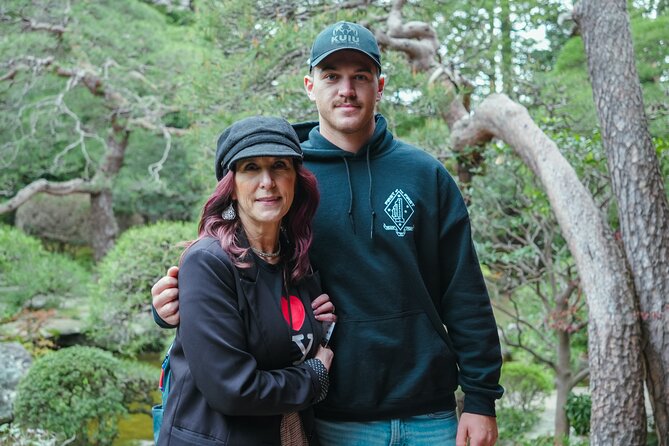
At $145.91 per person, you are paying for three things: (1) a local professional guide, (2) customization, and (3) help moving around the city. In Tokyo, those three add up quickly if you try to replace them with taxis, last-minute reservations, or a DIY struggle session with maps.
Here is what you get that is directly tied to that price:
- Private and personalized experience
- A walking tour with public transport, which is usually the fastest way to cover ground
- Optional meet-up at your accommodation
- Unlimited edited photos
- A private vehicle option if you want help cutting transit time
What you should plan for:
- Food and drinks are not included (for you or the guide).
- Transportation fees for you and the guide are not included.
- A couple of garden/attraction admissions are listed as not included (Hamarikyu Gardens is specifically called out).
So the “math” is basically this: if you want a guided route that reduces stress and keeps the day moving, the price makes sense. If you are the type who already loves planning routes and navigating stations alone, you may feel like you paid for convenience. Most people booking this seem to want convenience.
Your guide is the product, and the reviews show it
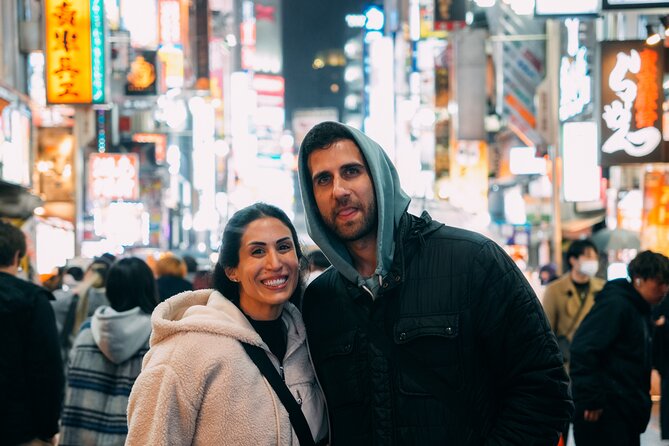
You will feel the difference most in how the guide manages your day.
Guides named in feedback include Akari, Keito, Kentaro, LAX, Yoyo, Yosuke, Atsu, Paskul, and Ken. Across those names, the praised themes are consistent:
- They set a good pace and stay flexible when you want to change direction.
- Their English communication gets you answers, not hand-waving.
- They explain things clearly while keeping the day enjoyable.
- They can handle requests like dietary needs, with examples including vegan ramen and celiac-safe choices.
That matters because Tokyo rewards people who understand what they are looking at. A guide can point out small details you would otherwise miss, and they can also help you avoid time-wasting dead ends.
Senso-ji and Asakusa: starting with temple Tokyo
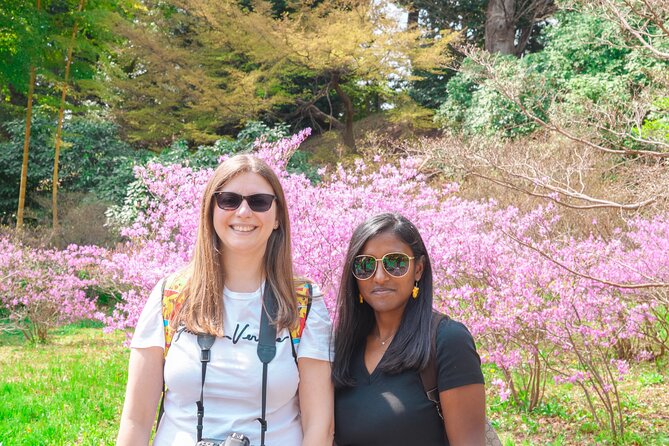
Most one-day plans fail at the start. You arrive, your brain is tired, and you pick a landmark with no rhythm. This itinerary usually begins in the temple-and-traditional-street world of Senso-ji Temple and Asakusa.
Why this works: it gives you an immediate sense of Tokyo’s older cultural side, then sets you up to notice contrast later when you hit more modern neighborhoods.
What you can expect here
- Senso-ji Temple: a major temple stop with free admission listed.
- Asakusa: a traditional town area right after, where you can slow down and get a feel for the neighborhood mood.
A practical note: temple and traditional areas are easy to enjoy on foot, but they can be crowded. Since this is private, your guide can help with timing and pacing so you are not just stuck at the loudest bottleneck.
Akihabara and Tsukiji: pop culture meets food Tokyo
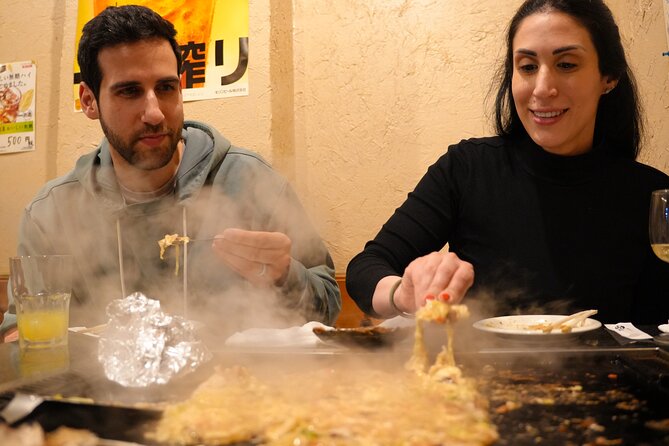
After the calm of temples, the next jump makes Tokyo feel real: Akihabara and Tsukiji Outer Market.
You can also read our reviews of more tours and experiences in Tokyo




Akihabara (Electric Town)
Akihabara is Tokyo’s “electric” pop culture district—electronics, anime, manga, and video games. If that is your thing, it is hard to beat doing it with a guide because you can spend less time guessing where to go and more time actually browsing.
In a customizable day, this is also a great area for preference-based choices. You can go deeper into what you like and skip what you do not.
Tsukiji Outer Market
Tsukiji is known for the outer market side, which was the largest wholesale fish and seafood market in the world until 2018. Even without the wholesale side, it remains popular for fresh seafood and Japanese cuisine.
Key value here: it is a natural food-oriented break. Since food is not included, you still control what you buy, but you are doing it in an environment your guide understands—so you are not eating randomly just to eat.
Shibuya Crossing and Meiji Jingu: neon outside, forest quiet inside
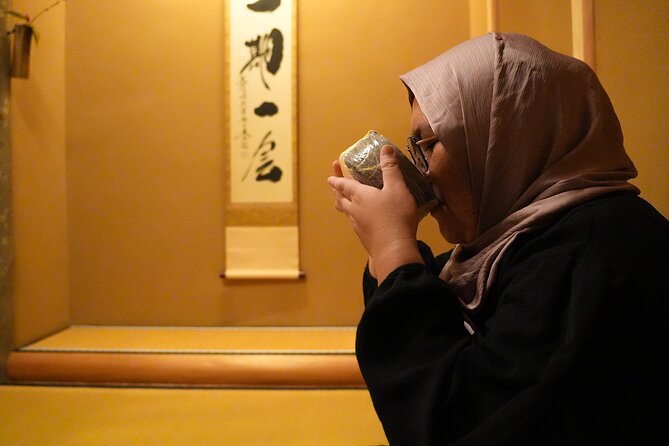
Tokyo loves contrasts. This plan leans into it with Shibuya Crossing and Meiji Jingu Shrine.
Shibuya Crossing
Shibuya is famous for its busy intersection, neon lights, and nightlife energy. It is shopping and entertainment territory, so it is a good choice if you want a quick hit of the modern Tokyo vibe before you slow down again.
Meiji Jingu Shrine
Then you head to Meiji Jingu Shrine, a Shinto shrine dedicated to the deified spirits of Emperor Meiji and his wife, Empress Shōken. It is described as one of the most popular tourist destinations in Tokyo.
This pairing works because it prevents your day from turning into a single flavor. One stop is visual noise and crowd energy. The next gives you a calmer, more reflective setting.
A tip from the way guides run these days: when a schedule swings like this, it helps to keep your timing flexible. If you want a longer shrine pause, ask for it. Reviews repeatedly mention guides being responsive to how long people want at each stop.
Ginza, Tokyo Skytree, and the Imperial Palace East Garden
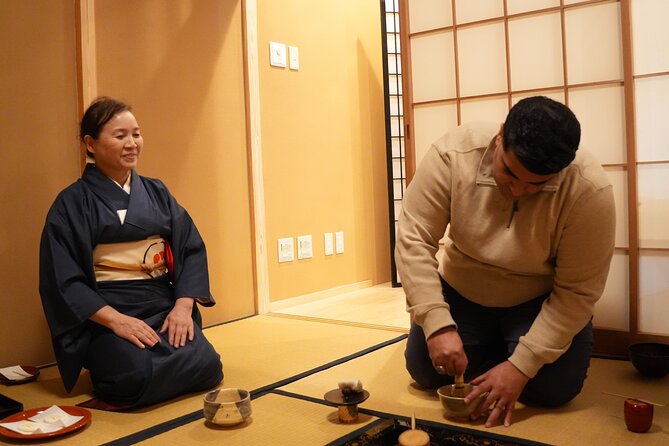
This is the “big city scale” segment.
Ginza
Ginza is listed as one of Tokyo’s biggest shopping areas. If you want department-store style browsing or just want to see what Ginza feels like, tell your guide and they can slot it in.
Tokyo Skytree
Tokyo Skytree is a broadcasting, restaurant, and observation tower. It is described as the tallest structure in Japan and the second-tallest in the world after Burj Khalifa in Dubai.
Even if you do not plan on going up, Skytree is a strong landmark that helps you connect Tokyo’s neighborhoods to a skyline.
Imperial Palace East Garden
Imperial Palace is on the route, specifically mentioning the east garden. This is another “slow down” stop, which is useful after Skytree’s scale.
If your goal is a balanced day—old Tokyo + tech Tokyo + city views—this trio helps you get there without extra planning.
Uenokoen and Takeshita Street: cherry blossoms and youth culture
Tokyo does seasons and style in a way that is easy to miss if you only skim the obvious spots.
Uenokoen
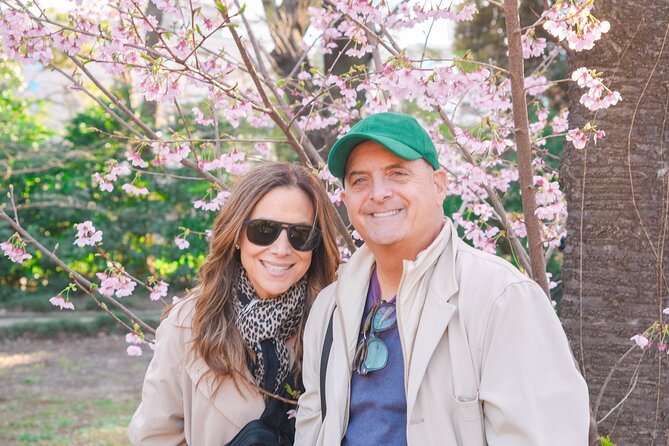
Uenokoen is described as a garden with cherry blossom in spring season. Even if you are not traveling in spring, gardens are a good mid-day reset. They also give you a quieter contrast to shopping and crowds.
Takeshita Street
Then the energy shifts to Takeshita Street, described as young pop culture. If you want a glimpse into fashion-forward Tokyo, it is one of the clearest “people-watching” areas on the plan.
With a private guide, the key advantage is selection. You can spend time where you are actually interested in details, and your guide can keep you from wandering too long in the wrong direction.
Hamarikyu Gardens: a calm break that does not feel like a detour
The schedule includes Hamarikyu Gardens (also referenced as Hamarikyu Onshi Teien), a traditional Japanese garden located in Minato. It is described as a popular spot for relaxing and enjoying natural beauty.
This is one of the stops where a guide adds value beyond directions. A private day can still feel like a checklist. A garden stop is a chance to reset your attention and take a breather while still being part of your “major highlights” day.
One practical point: the itinerary lists admission for this stop as not included, so you should budget for that if you choose it.
Shinjuku Golden Gai and Shinjuku Gyoen National Garden
This is where the day can feel like two different Tokyo personalities.
Shinjuku Golden Gai
Shinjuku Golden Gai is described as a major entertainment district, and one recommended point mentions the Tokyo Metropolitan Government Building for stunning city views.
If you like areas with character, this part of the day can add texture beyond the major landmarks. It also works well as a “later afternoon” change of pace, because you get that sense of Tokyo moving into its nightlife mood.
Shinjuku Gyoen National Garden
Then there is Shinjuku Gyoen National Garden, described as one of Tokyo’s largest and most popular parks. It has spacious lawns, meandering walking paths, and tranquil scenery.
This is a strong pairing because it lets you do something playful and social in Golden Gai, then come down to something quieter and open in Gyoen.
If you hate choosing between nightlife and peace, this schedule gives you both in one day.
Pacing, transit, and the little things that save your day
The itinerary is built around short, high-impact stops—many listed as about 15 minutes each, with longer garden time listed in places like Shinjuku Gyoen. Since this is customized, those times can flex, but the structure signals what your guide will prioritize: covering highlights without letting you burn out.
This is also where private guiding tends to matter most. Tokyo public transport is learnable, but it can feel intimidating the first time. Reviews highlight guides who teach you how to use trains and which moves to make between stations. That turns the rest of your Tokyo trip from guessing into competence.
Also, the photo component is not a throwaway perk. Unlimited edited photos means you can focus on enjoying moments instead of obsessing over the perfect shot. It is especially useful in places like Shibuya Crossing and Skytree where lighting and crowds can make photography stressful.
Food: what is included, and how guides still help
Food and drinks are not included for you or the guide. That is normal for a private sightseeing tour.
But the way guides support meals is a big part of the value. One guide, Akari, is specifically praised for working with dietary restrictions, including finding safe options for celiac needs and helping a traveler find a vegan ramen choice. That kind of help is practical. It reduces the risk of spending your meal time translating menus or second-guessing ingredients.
So your plan is simple: tell your guide what you want to eat, and use the tour to steer you toward options that fit your needs.
Who this Tokyo customized tour fits best
This experience is a strong fit if:
- You are visiting Tokyo for the first time and want a guided plan to reduce stress.
- You want a day that mixes classic sights with modern districts like Akihabara and Shibuya.
- You like the idea of walking and using public transport, but you want someone to help you do it correctly.
- You want flexibility. Reviews repeatedly praise guides for adapting routes and spending extra time when you ask.
It may feel less ideal if:
- You want a slow, unstructured day with no schedule and no transit planning.
- You dislike walking (it is a walking tour, and one long day in feedback was described as covering about 12 miles over 10 hours).
If you are traveling with kids, it can also work well. One review highlights a guide making sure a family with two children stayed interested throughout the journey.
Should you book this Tokyo Customized Private Tour?
I’d book it if you want a first-day plan that feels like a friendly local is steering, not like you are chasing Tokyo alone. The best reason is control: you steer the interests, the guide manages the movement, and the day stays flexible enough to feel personal.
I would think twice only if you are already comfortable building your own Tokyo routes and you do not care about guide support for trains, timing, and tailoring the stops. In that case, you might prefer to spend your budget on experiences you book directly.
If you want a one-day cheat code that hits major Tokyo themes—temples, pop culture, markets, shopping areas, shrines, gardens, and city views—this private customized setup is a smart use of time.
FAQ
How long is the Tokyo customized private tour?
The duration is listed as approximately 2 to 8 hours.
Is this tour private?
Yes. It is a private experience, so only your group participates.
Is pickup from my accommodation available?
Optional meet-up at your accommodation is included, and pickup is offered.
What is included in the tour price?
Included items are a private and personalized experience, a walking tour with public transport, unlimited edited photos, optional accommodation meet-up, and an optional private vehicle.
Are food and drinks included?
No. Food and drinks for you and the guide are not included.
Is admission included for all stops?
Most stops are listed as having free admission in the itinerary, but Hamarikyu Gardens is listed as not included for admission.
Do I need to pay for transportation separately?
Yes. Transportation fees for you and the guide are listed as not included.
Can I get a full refund if I cancel?
You can cancel up to 24 hours in advance of the experience start time for a full refund.
Do I receive a ticket on my phone?
Yes. Mobile ticket is listed as a feature.