REVIEW · TOKYO
Tokyo: Open Top Panoramic Sightseeing Bus with Audio Guide
Book on GetYourGuide →Operated by VIP Japan Tour · Bookable on GetYourGuide
Tokyo from above the traffic flow sounds fun. An open-top panoramic bus turns first-day Tokyo stress into a simple loop of sights and facts. I like the GPS-enabled audio guide that follows the bus automatically, and I like that you can choose between a Bay Course or a City Course depending on what you want most.
The big win here is speed. In about 70 minutes, you cover major areas you’d otherwise waste time navigating on trains. There’s also Japanese-speaking staff on hand if something goes sideways. One thing to plan for: the open-top experience depends on weather, and the bus can feel tight if it’s cold or hot.
In This Review
- Key takeaways before you ride
- Why an open-top bus works so well for Tokyo in 70 minutes
- Bay Course vs City Course: pick your Tokyo mood
- Bay Course: Tokyo Bay, Rainbow Bridge, and Odaiba views
- City Course: Imperial Palace area, Roppongi skyline, and Ginza
- Bay Course stop-by-stop: the sights that actually land
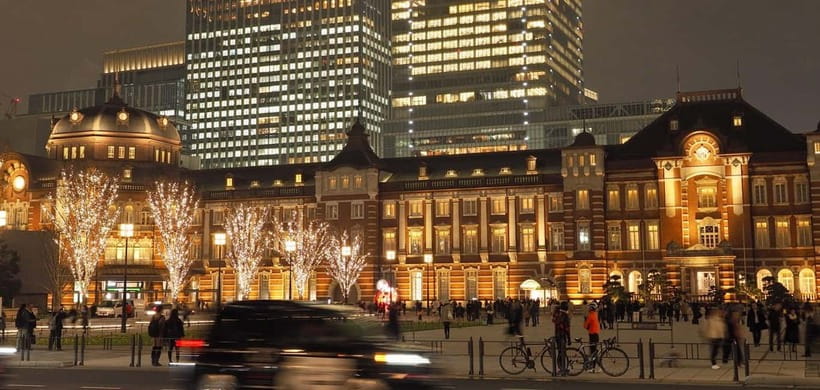
- Tokyo Station Red Brick Station Building → Marunouchi
- Zojoji Temple → Tokyo Tower
- Shibaura Rainbow Bridge (1st Level) → Fuji TV Building
- Statue of Liberty → Odaiba Seaside Park → Rainbow Bridge (2nd Level)
- Shiodome → Ginza
- City Course stop-by-stop: where Tokyo’s skyline stories start
- Tokyo Station Red Brick Station Building → Marunouchi
- Chidorigafuchi → Akasaka State Guest House
- Meiji Jingu Gaien → Tokyo Midtown
- Roppongi → Tokyo Tower → Hibiya
- Ginza finish
- GPS audio guide: how it helps without making you work
- Languages you can expect
- Headphones are optional, not mandatory
- Comfort and seat reality on an open-top bus
- What you can’t bring on board
- Meeting point near Tokyo Station: how to avoid the usual chaos
- The meeting place isn’t just a lobby
- Shared space with others
- Who this tour is best for (and who should skip it)
- Value check: is $11 for 70 minutes actually smart?
- Should you book this Tokyo open-top bus tour?
- FAQ
- What’s the duration of the Tokyo open-top bus tour?
- How much does it cost?
- What languages are available on the audio guide?
- Do I need to bring headphones?
- Where do I meet the tour near Tokyo Station?
- Can I choose between the Bay Course and the City Course?
- Does the tour run in rain?
Key takeaways before you ride
- Two distinct routes: pick the Bay Course for Tokyo Bay and Rainbow Bridge, or the City Course for palace/skyline stops and Ginza.
- GPS audio in 6 languages: Japanese, English, Chinese, French, Korean, Vietnamese, and Thai (you get the right language by location).
- Open-top views, but weather rules: rain can mean the roof being closed, so bring expectations that match conditions.
- Optional headphones: you can use 3.5mm mini plug headphones (100 Yen on site).
- Tokyo Station meeting point is near the action: about a 5-minute walk from Tokyo Station Yaesu North Exit, but you must show up early.
Why an open-top bus works so well for Tokyo in 70 minutes
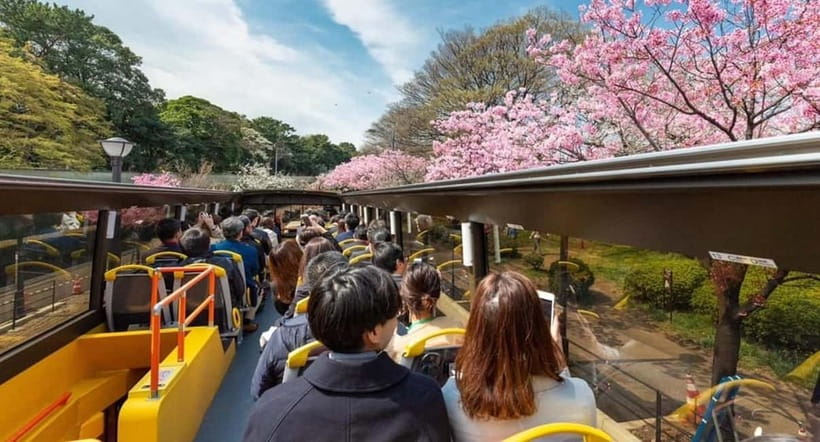
Tokyo has a way of chewing up your day with transfers. This tour fights back with one simple plan: sit down, ride, and see a lot without picking streets. The duration is about 70 minutes, which is long enough to feel like a real tour but short enough to fit into a first or last day.
I also like the structure. Instead of random stops, the route is built around high-visibility landmarks you can point at and say, got it, that’s where it is. That matters in Tokyo, where so many neighborhoods feel similar until you’ve seen the skyline markers.
And then there’s the open-top angle. Even if you only catch a few minutes of clear sky, the bus gives you a view you can’t get from inside a regular vehicle.
You can also read our reviews of more guided tours in Tokyo
Bay Course vs City Course: pick your Tokyo mood
You’re not choosing just a route. You’re choosing what kind of Tokyo you want to “lock in” for your trip.
Bay Course: Tokyo Bay, Rainbow Bridge, and Odaiba views
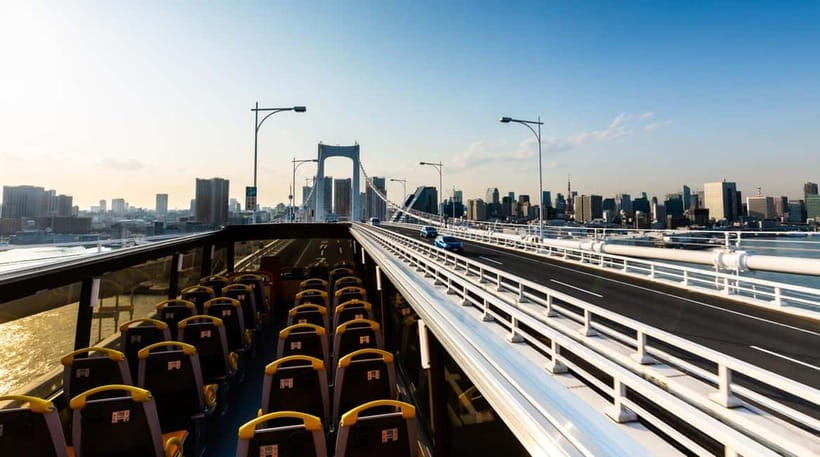
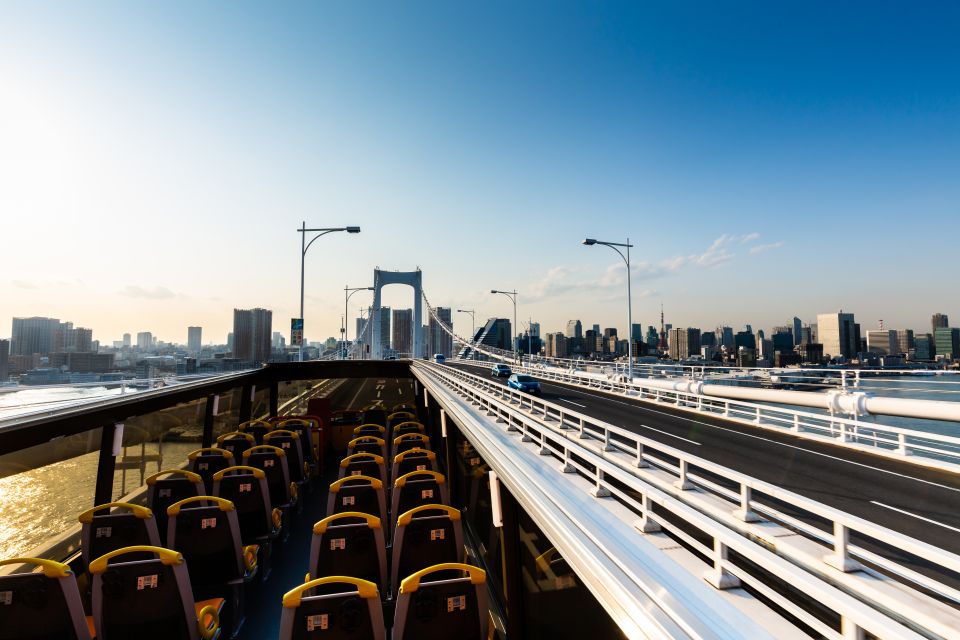
If you want water, bridges, and that big “Tokyo is an island city” feeling, the Bay Course is the one. The route runs from Tokyo Station, heads through central Tokyo, and then pushes toward the harbor side. You’ll pass Tokyo Tower, cross toward Rainbow Bridge at both levels (1st level and 2nd level), and continue into the Odaiba zone for sea-facing scenery.
What I find useful: you get both the bridge moment and the waterfront areas, without having to plan separate train rides.
City Course: Imperial Palace area, Roppongi skyline, and Ginza
If you want classic “Tokyo core” sights and a skyline sweep, go with the City Course. This route includes the Imperial Palace area approach, Chidorigafuchi, and then moves into places like Akasaka State Guest House, Tokyo Midtown, Roppongi, Tokyo Tower, and ending with Ginza.
This one feels more like a guided tour through Tokyo’s power centers—government-adjacent areas, business districts, and shopping streets.
Bay Course stop-by-stop: the sights that actually land
Here’s what you’ll see on the Bay Course route, and why each section is worth your seat.
You can also read our reviews of more tours and experiences in Tokyo
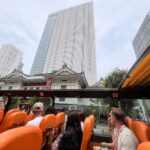
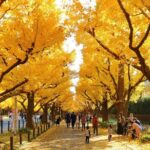

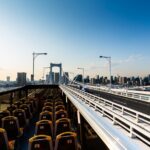

Tokyo Station Red Brick Station Building → Marunouchi
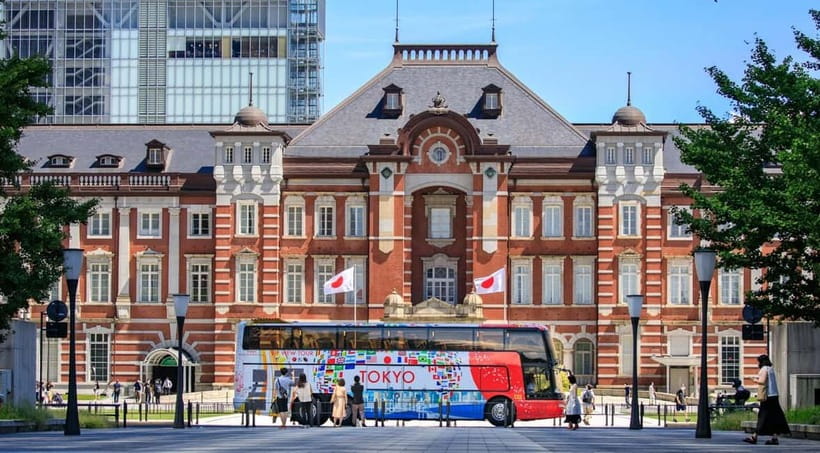
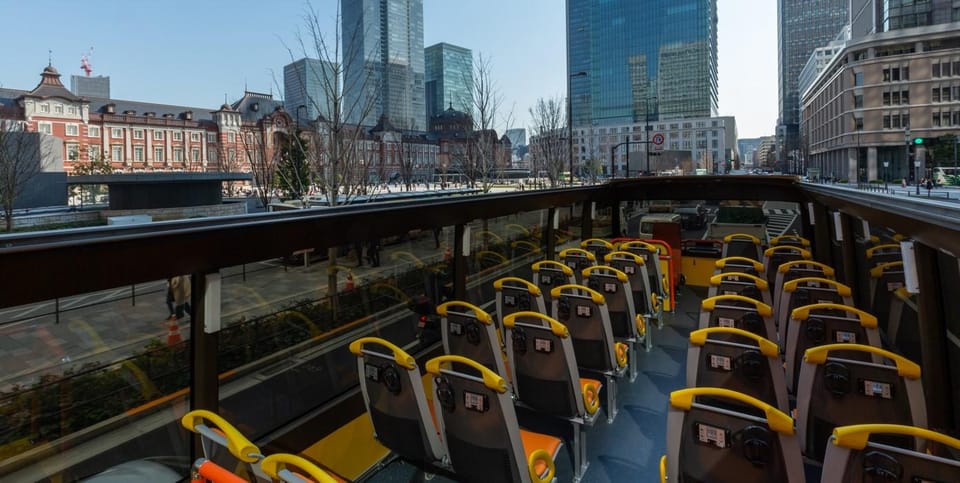
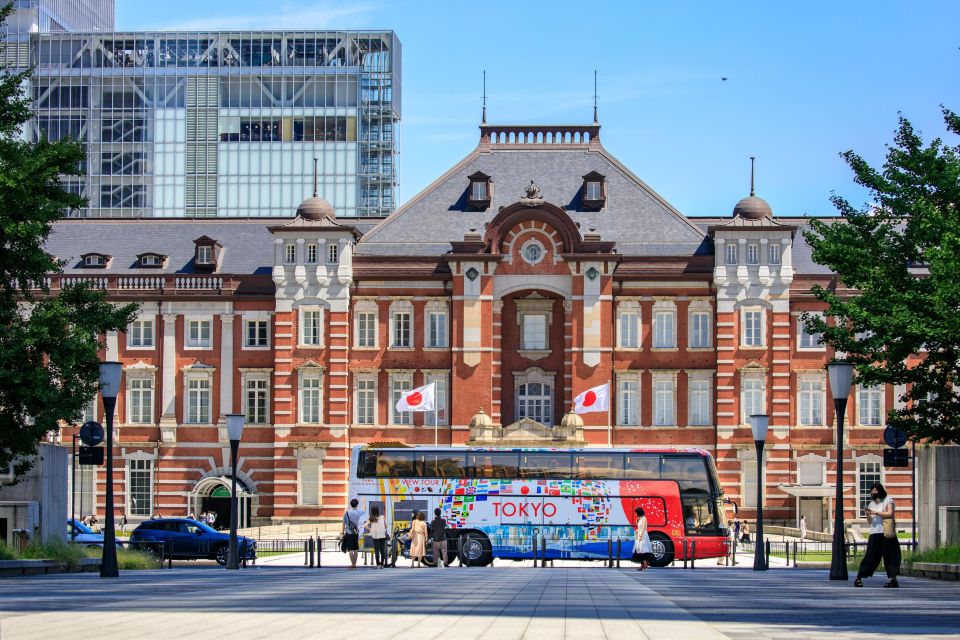
Starting at Tokyo Station Red Brick Station Building is smart. It’s a recognizable landmark, and it signals you’re in the historic-central Tokyo zone. From there, heading through Marunouchi gives you the sense of Tokyo’s business spine—big streets, major buildings, and quick city-reading cues for later.
Value tip: if this is your first day, catching the station area early helps everything else make sense.
Zojoji Temple → Tokyo Tower
Passing Zojoji Temple while you’re moving toward Tokyo Tower gives you a contrast: older Tokyo near modern iconography. Then Tokyo Tower shows up as more than a photo target—you see the surrounding neighborhood rhythm and how the tower anchors nearby views.
Shibaura Rainbow Bridge (1st Level) → Fuji TV Building
Crossing into Shibaura Rainbow Bridge (1st Level) is the first major “wow” beat. Bridges are hard to appreciate until you’re riding across them. Then you roll toward Fuji TV Building, which is tied to the Odaiba-side identity.
Statue of Liberty → Odaiba Seaside Park → Rainbow Bridge (2nd Level)
You’ll pass the Statue of Liberty—a recognizable reference point for visitors—and then continue along Odaiba Seaside Park. This is where the open-top ride pays off most: you get wider sightlines, water, and the feel of a different Tokyo mood.
Then comes Rainbow Bridge (2nd Level), your second bridge moment. Seeing the bridge from two vantage points makes the whole route feel longer than 70 minutes.
Shiodome → Ginza
Finally, you loop back toward Shiodome and end up at Ginza. This is a strong finish because Ginza is a shopping-and-street-life district that’s easy to use afterward—grab a meal, pop into stores, or just walk off the ride.
Possible drawback to note: you’re at the mercy of weather. In rain, the open-top experience can be limited, so plan your photos based on what the day gives you.
City Course stop-by-stop: where Tokyo’s skyline stories start
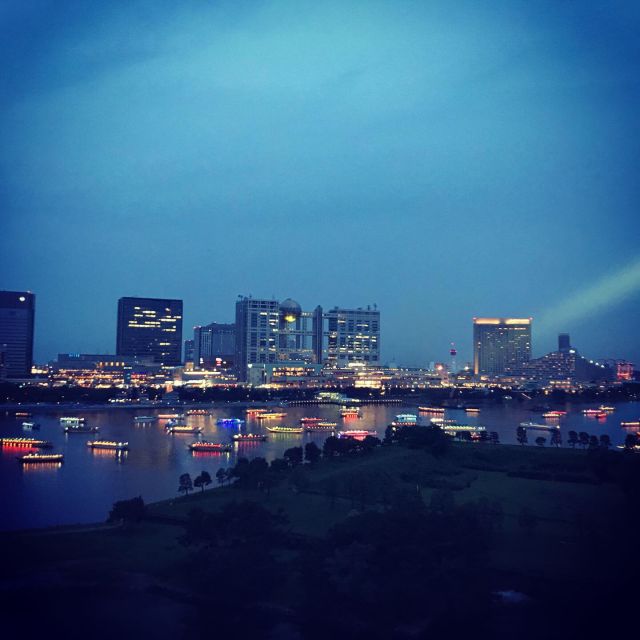
The City Course has a different vibe: palace-adjacent areas, then a straight run through skyline-heavy districts.
Tokyo Station Red Brick Station Building → Marunouchi
Same opening as the Bay Course: a clean start point and a central Tokyo orientation hit.
Chidorigafuchi → Akasaka State Guest House
Next, you pass Chidorigafuchi and Akasaka State Guest House. Even if you don’t get out for photos, this section helps you understand how Tokyo’s political and ceremonial zones sit inside the city grid.
Meiji Jingu Gaien → Tokyo Midtown
Then you roll into Meiji Jingu Gaien and toward Tokyo Midtown. The shift is noticeable: you move from a more composed, landscaped area feeling to a dense urban complex vibe.
Roppongi → Tokyo Tower → Hibiya
Roppongi brings you into the nightlife-and-business mix, followed by the return of Tokyo Tower as a major skyline anchor. After that, Hibiya keeps you in central-city flow.
Ginza finish
You end in Ginza. For many people, that means you can finish the tour and still have energy for an evening meal nearby.
Practical note: this route tends to feel city-focused, not waterfront-focused. If you’re chasing water and bridges, Bay Course is the better match.
GPS audio guide: how it helps without making you work
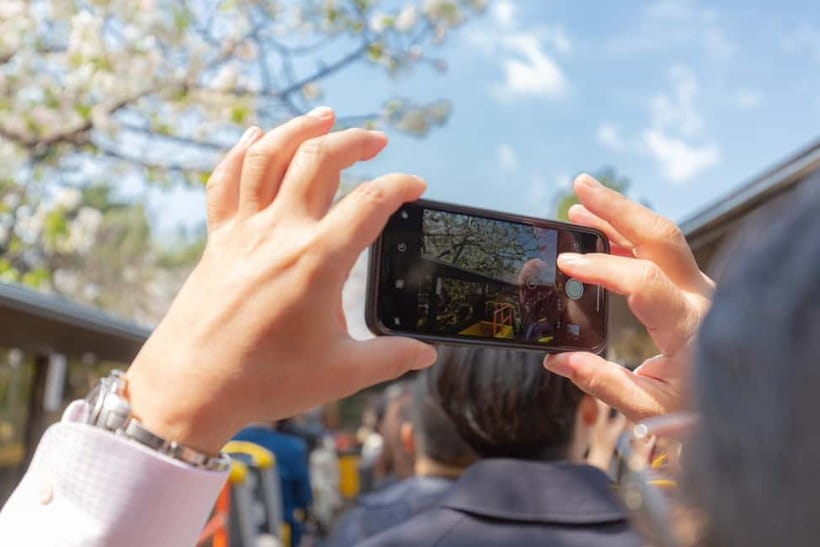
This tour’s audio is built around a GPS-enabled system. It tracks where the bus is and delivers audio based on the current location, in multiple languages. It also adjusts to road condition changes like traffic to keep information timely.
That sounds technical, but in real use it’s simple: you don’t have to stare at a map or read stop names to understand what you’re looking at. The audio is supposed to keep pace with the ride.
Languages you can expect
The audio system supports Japanese, English, Chinese, French, Korean, Vietnamese, and Thai. The important part is that it’s location-based, so you get the next segment’s explanation as the bus moves.
Headphones are optional, not mandatory
Headphones are not included. You can buy them on site for 100 Yen if you want audio clarity, and you’ll need a 3.5mm mini plug.
One clear consideration from feedback: some people found the audio background music between announcements louder than they wanted. If you’re sensitive to that, bringing your own headphones (with the right plug) can help you control the sound.
Comfort and seat reality on an open-top bus
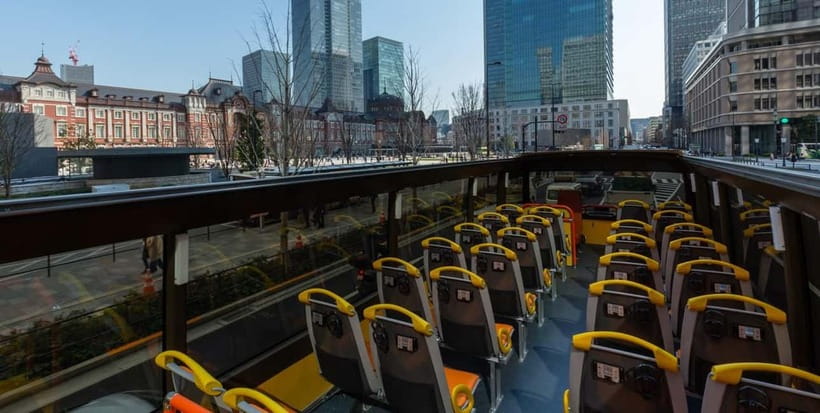
Open-top buses are fun, but they’re not climate-controlled. The tour runs rain or shine, and in rain the open top may be closed. That means:
- On hot days, you’ll feel it.
- On cold days, you’ll feel it.
- On rainy days, your view changes.
Also, some reports pointed out limited knee space. That’s not a deal-breaker for everyone, but if you’re tall or you like leg room, it’s worth thinking about.
What you can’t bring on board
To keep things safe and clean, the bus doesn’t allow:
- Smoking
- Selfie sticks
- Food in the vehicle
- Umbrellas
A small planning tip: bring a compact rain option you can handle without an umbrella, if you think rain is possible.
Meeting point near Tokyo Station: how to avoid the usual chaos
The meeting point is Tokyo VIP Lounge, on the 2nd and 3rd floors of the building with a FamilyMart on the ground floor. It’s about a 5-minute walk from Tokyo Station’s Yaesu North Exit.
Your success here depends on timing. You should check in 20–40 minutes before departure. The tour departs promptly, and late or wrong-location arrivals typically won’t get accommodated.
The meeting place isn’t just a lobby
This is important: the meeting facility is a paid space. Open-top bus customers can use the facilities free of charge starting 40 minutes before departure. Outside that window, you may need to pay the facility fee.
Shared space with others
It’s also a shared area with general visitors. So keep the flow moving and follow staff instructions when you’re lining up.
Who this tour is best for (and who should skip it)
This is a good fit if:
- You’re seeing Tokyo for the first time and want fast orientation.
- You have a tight schedule and want major landmarks covered in one ride.
- You like learning from an audio guide while you watch the city roll by.
- You want two route options and can pick based on your interests (bay vs city).
You might want a different plan if:
- You strongly prefer full control over weather and don’t want an outdoor-ride gamble.
- You need a lot of room and hate tight seating.
- You expect a live guide with conversation. This tour includes staff support, but it’s audio-driven, not a live-guided narration format.
Value check: is $11 for 70 minutes actually smart?
At $11 per person for a 70-minute open-top panoramic sightseeing ride, the value is real—especially because you’re getting:
- a centrally starting route near Tokyo Station,
- major sights clustered into one loop,
- and a multi-language GPS audio guide.
The cost is also low enough that you can treat it as a “sightseeing sampler.” Use it to decide what you want to revisit later by foot or train—Tokyo gets easier when you know your visual anchors.
Yes, there are trade-offs: weather can change the open-top experience, and knee space may be tight. But for the price-to-coverage ratio, it’s hard to argue against.
Should you book this Tokyo open-top bus tour?
I’d book it if you want a simple way to see Tokyo’s headline attractions without building a complicated day plan. The Bay Course is the choice if Rainbow Bridge and Odaiba views are your priority. The City Course is the choice if you want the central skyline sweep ending in Ginza.
If you’re particular about audio quality, consider bringing your own 3.5mm headphones. If you’re worried about cold or rain, check the day’s forecast and mentally budget for the roof potentially being closed.
Given the overall rating of 3.8 and the consistent praise for organization, views, and the calm pace of riding, this tour fits best as an efficient first (or last) day activity that helps you navigate Tokyo with confidence.
FAQ
What’s the duration of the Tokyo open-top bus tour?
The tour duration is 70 minutes with the audio guide.
How much does it cost?
The price is listed as $11 per person.
What languages are available on the audio guide?
The GPS-enabled audio guide supports Japanese, English, Chinese, French, Korean, Vietnamese, and Thai.
Do I need to bring headphones?
Headphones are not included. You can buy headphones on site for 100 Yen, and they require a 3.5mm mini plug.
Where do I meet the tour near Tokyo Station?
You meet at Tokyo VIP Lounge on the 2nd and 3rd floors of the building with FamilyMart on the ground floor, about a 5-minute walk from Tokyo Station Yaesu North Exit.
Can I choose between the Bay Course and the City Course?
Yes. There are two 70-minute options: a Bay Course route and a City Course route.
Does the tour run in rain?
The tour operates rain or shine, but if it rains the open top may be closed. Cancellations are only listed for extreme weather such as typhoons.